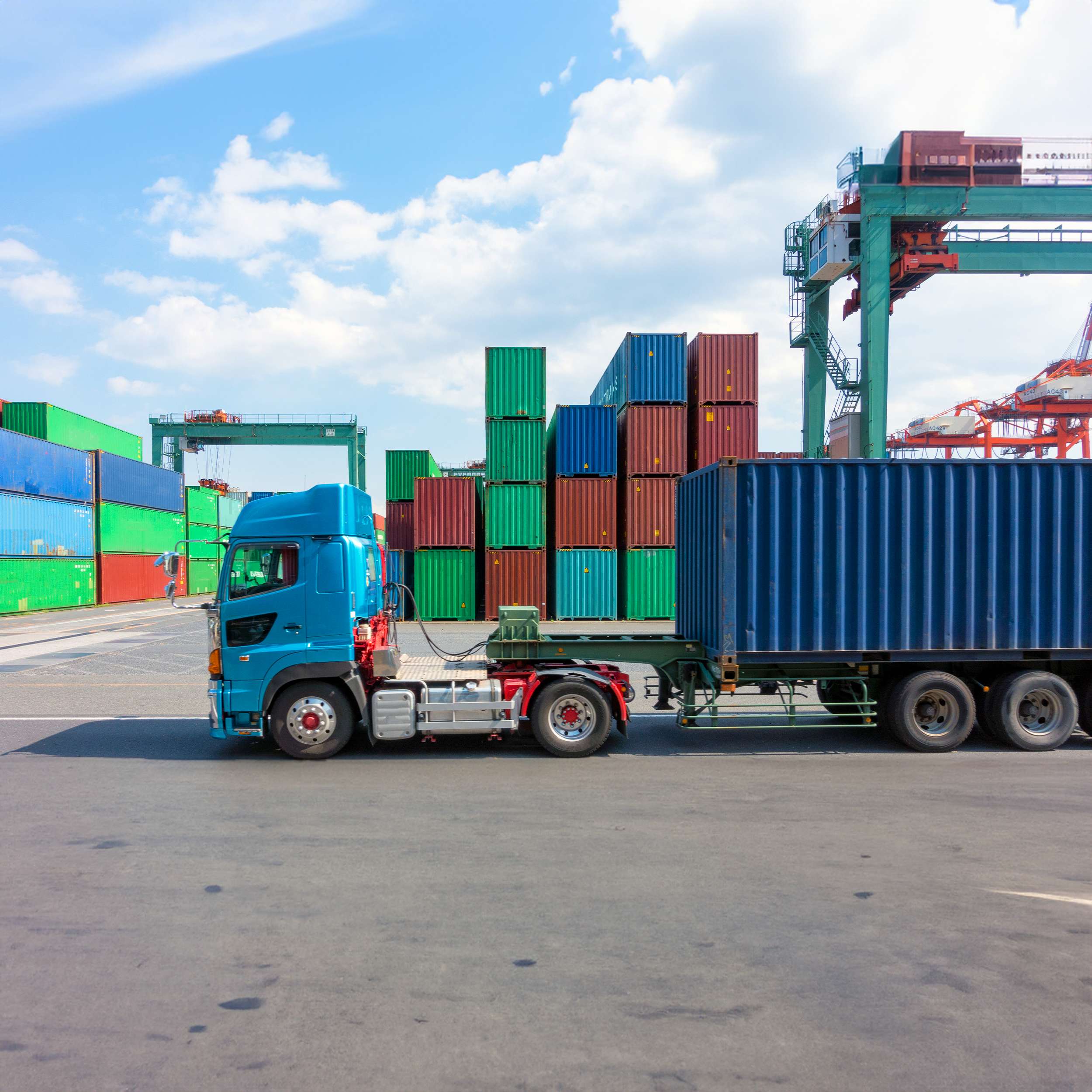
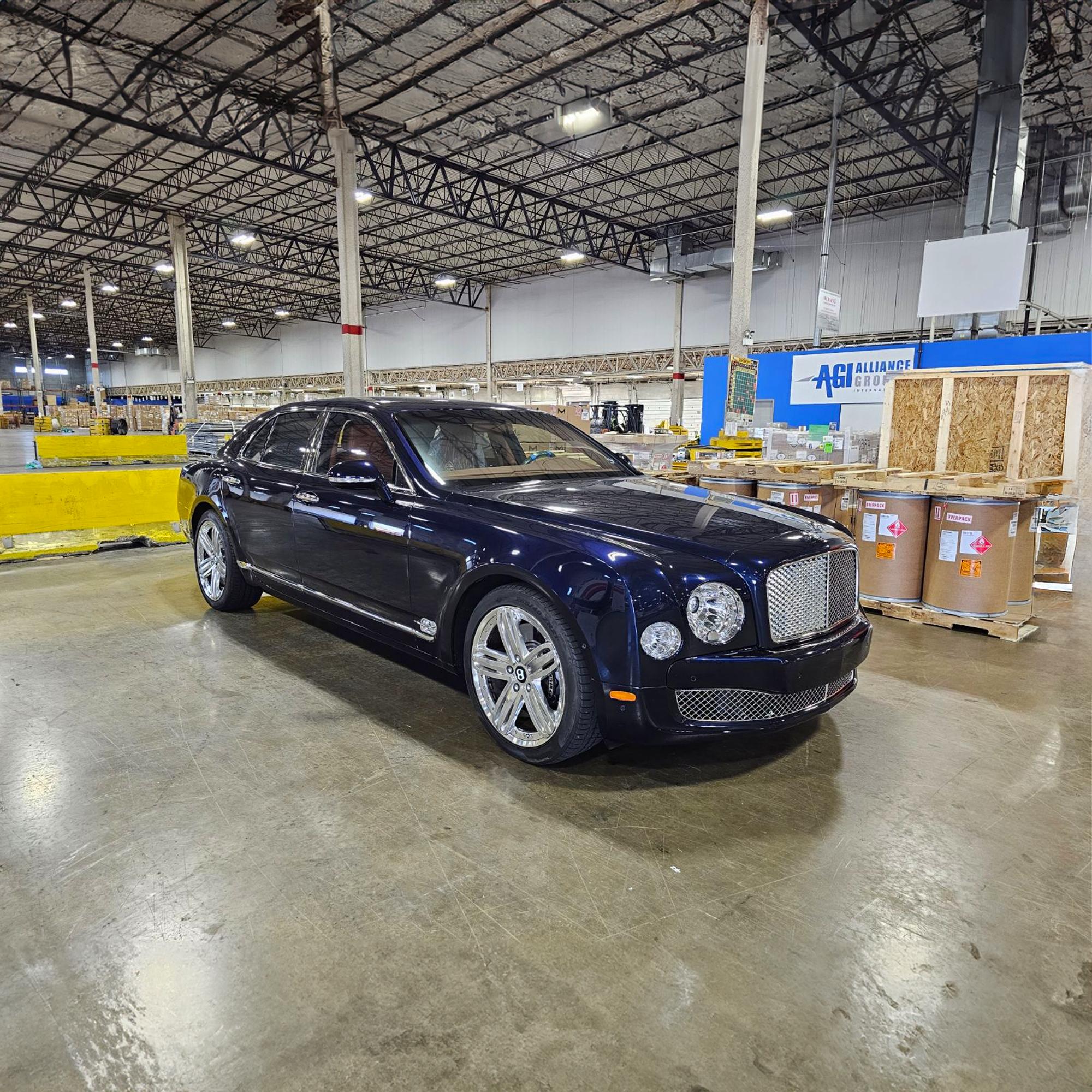
A backhaul is the return trip of a truck, ship or other carrier, usually toward its home base, carrying cargo instead of running empty. Carriers often price backhauls lower to avoid empty miles. The term is also used for cargo shipped against the main traffic flow.
Also known as: return load, back haul.
How Backhaul Works
After delivering a load, a carrier looks for cargo going back toward its origin. Filling that trip lowers its cost per mile and can lead to better rates for shippers.
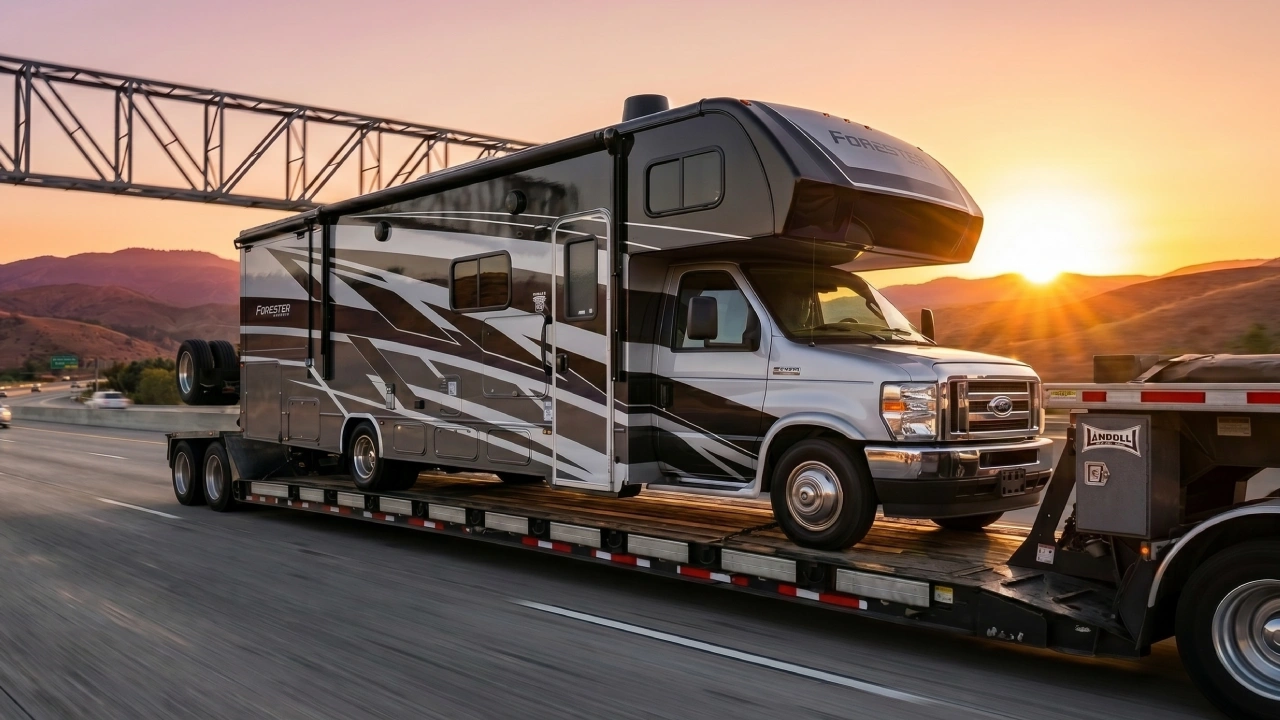
Backhaul options depend on timing and route. Specialized trailers, such as lowboys, may have fewer return loads available.
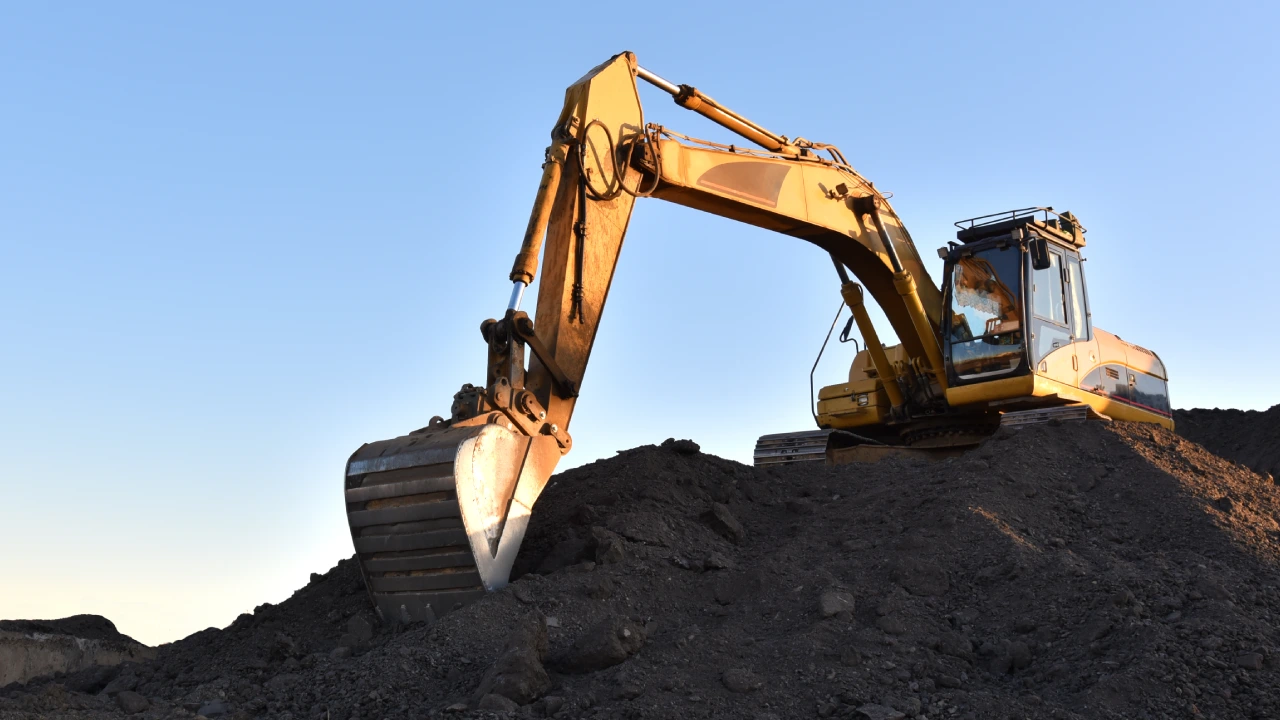
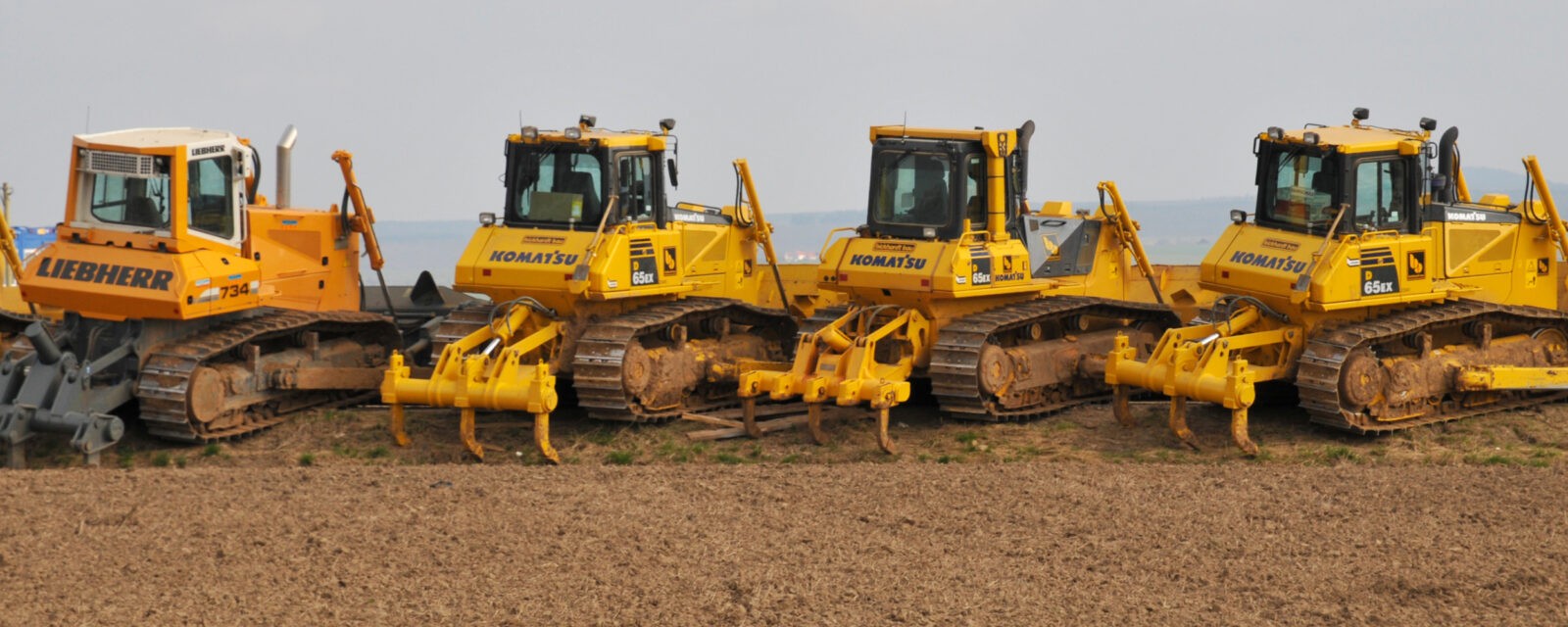
For example, a lowboy that delivers a crane to a site in Texas may take a dozer back to Georgia on the return trip.
Why Backhaul Matters for Heavy Equipment Shipping
Matching a machine move to a carrier’s backhaul can lower the cost of inland transport. It may need flexible pickup dates. Atlantic Project Cargo arranges inland moves through drayage and multimodal transportation.
Ocean lines also have backhaul trades where rates on the return direction can be lower. Route choice can affect the final cost.
FAQ
Flexible on pickup dates for a machine? Get a quote with your window.