


Track Loader Transport Services
Shipping Quote
Customs Duties
Drayage Rate
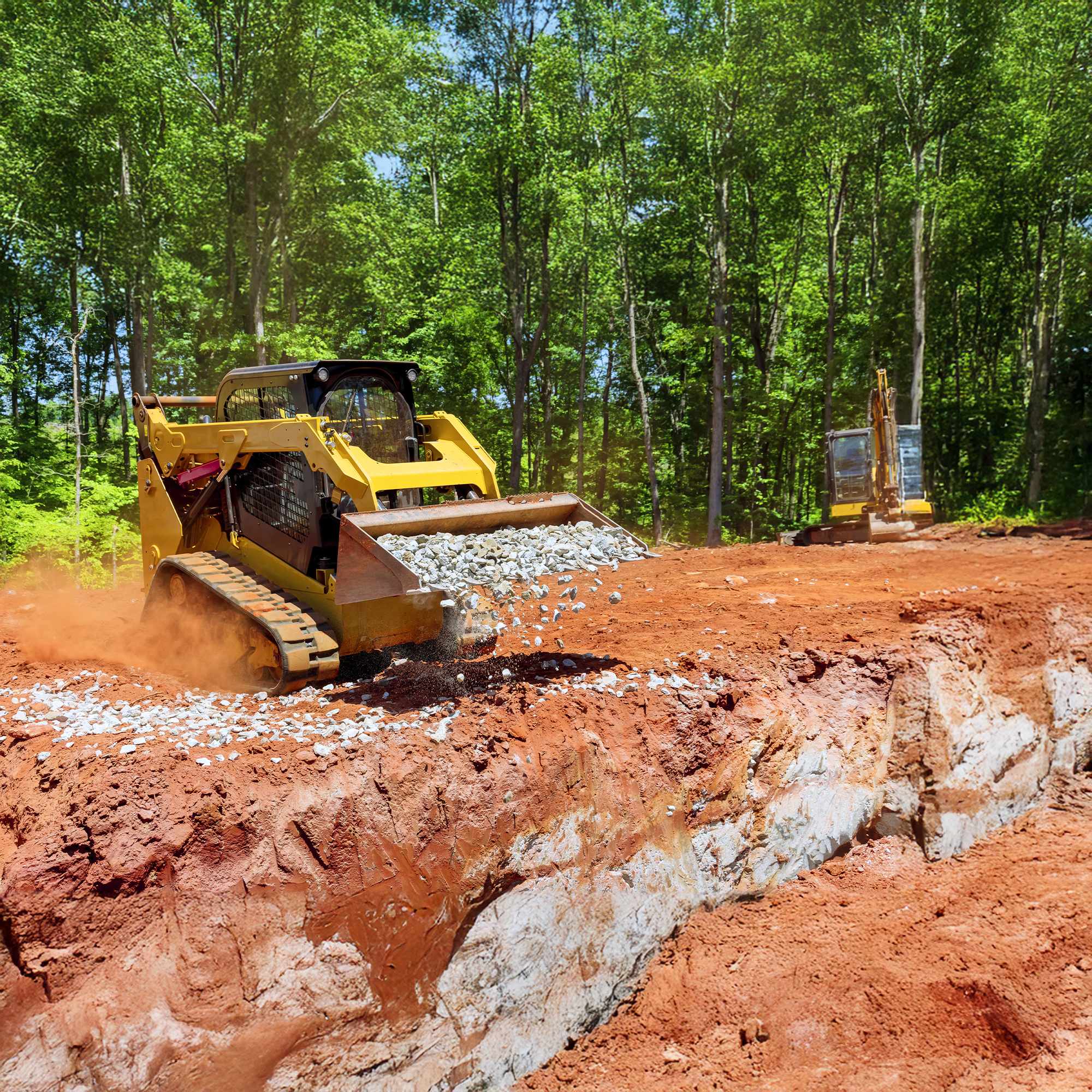
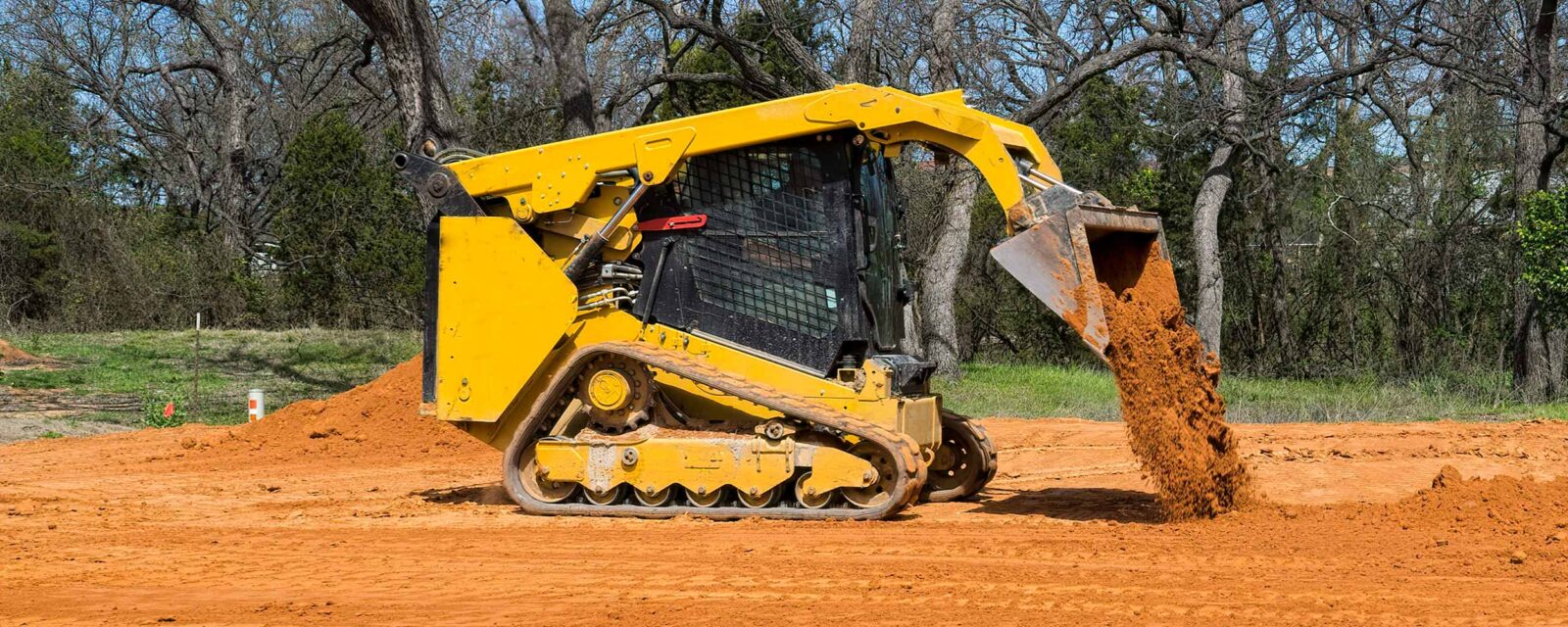
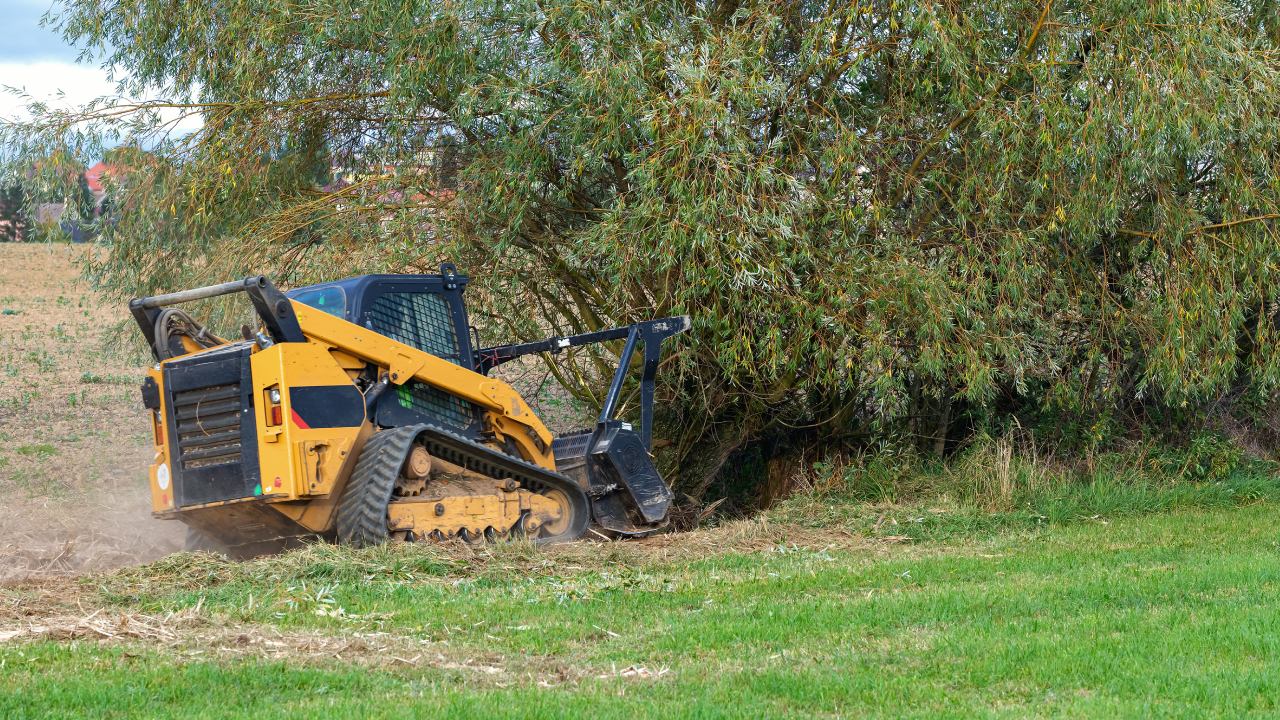
A track loader, often referred to as a compact track loader or skid steer, is a versatile piece of heavy equipment featuring a tracked chassis and a robust loader bucket. It is utilized for grading, lifting, digging, earthmoving, and removing debris on soft ground or uneven terrain. From construction sites to agriculture and landscaping, this machine is essential for handling tasks efficiently.
The logistics of moving track loaders can be complex due to their dimensions and weight, but Atlantic Project Cargo is dedicated to assisting you. We offer dependable shipping services to ensure the safe, timely delivery of your equipment! Request your free quote today!
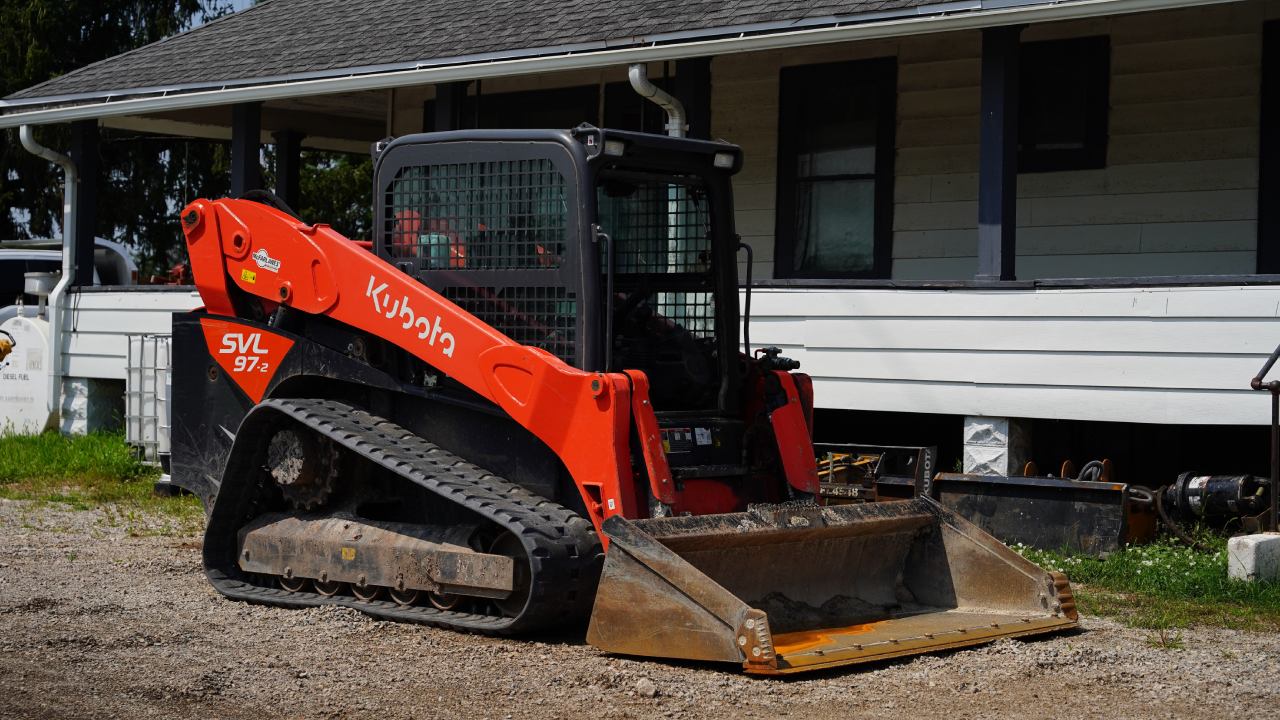
Compact track loaders are ideal for small projects and tight spaces. They are frequently used in residential landscaping, small construction sites, and utility work where maneuverability is key.
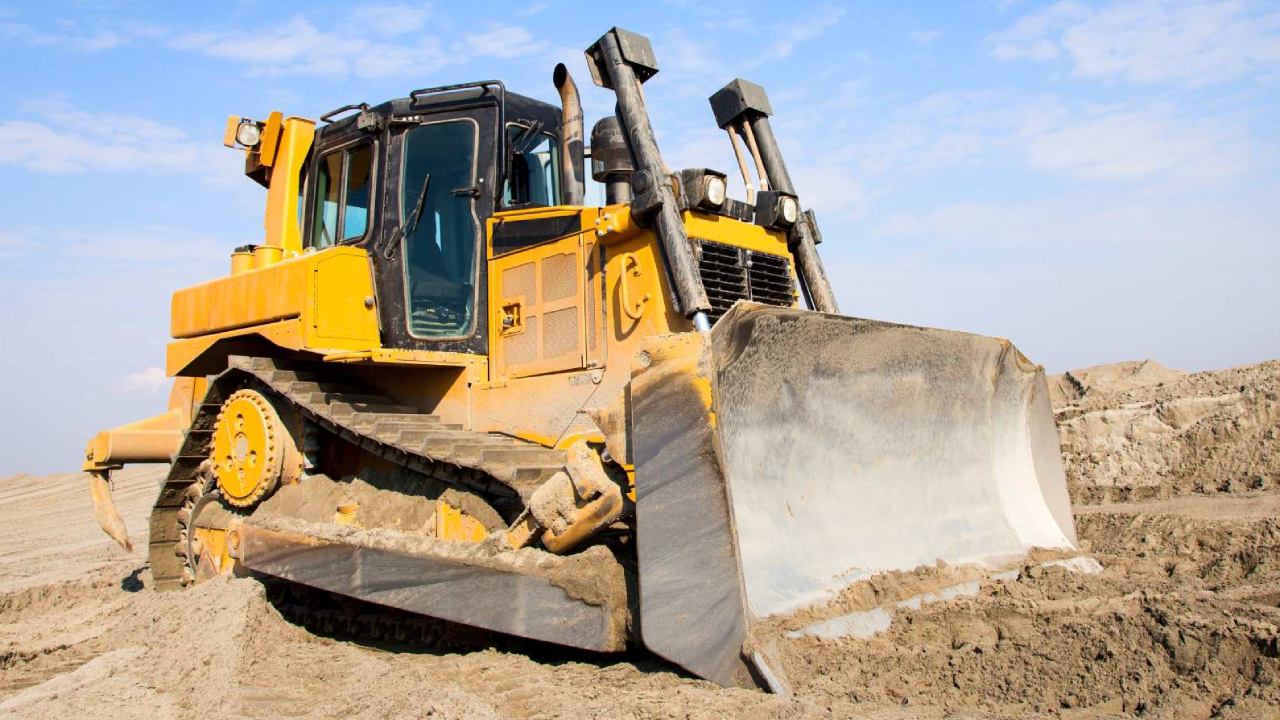
These offer a balance of power and maneuverability. They are the go-to choice for general purposes, offering excellent traction and stability.
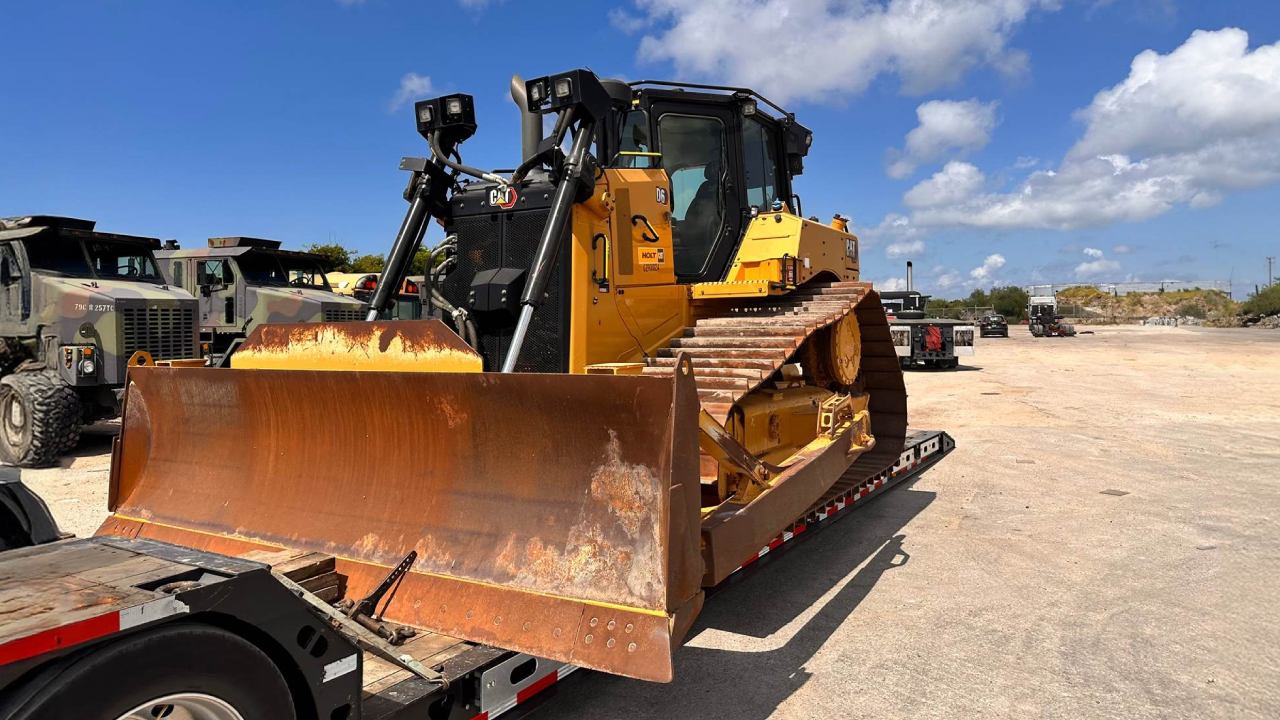
Equipped with large buckets and possessing high lift height and capacity. These are used for large-scale earthmoving projects where productivity is paramount.
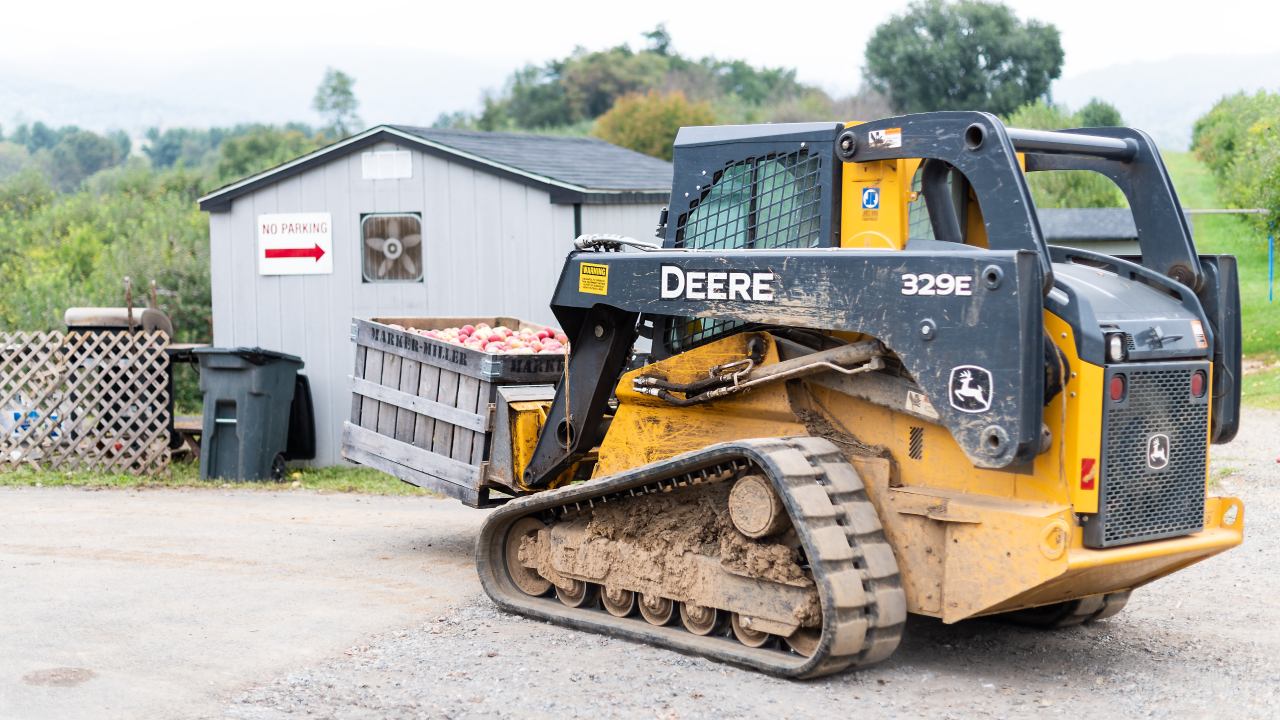
John Deere track loaders are renowned for their advanced technology and efficiency.
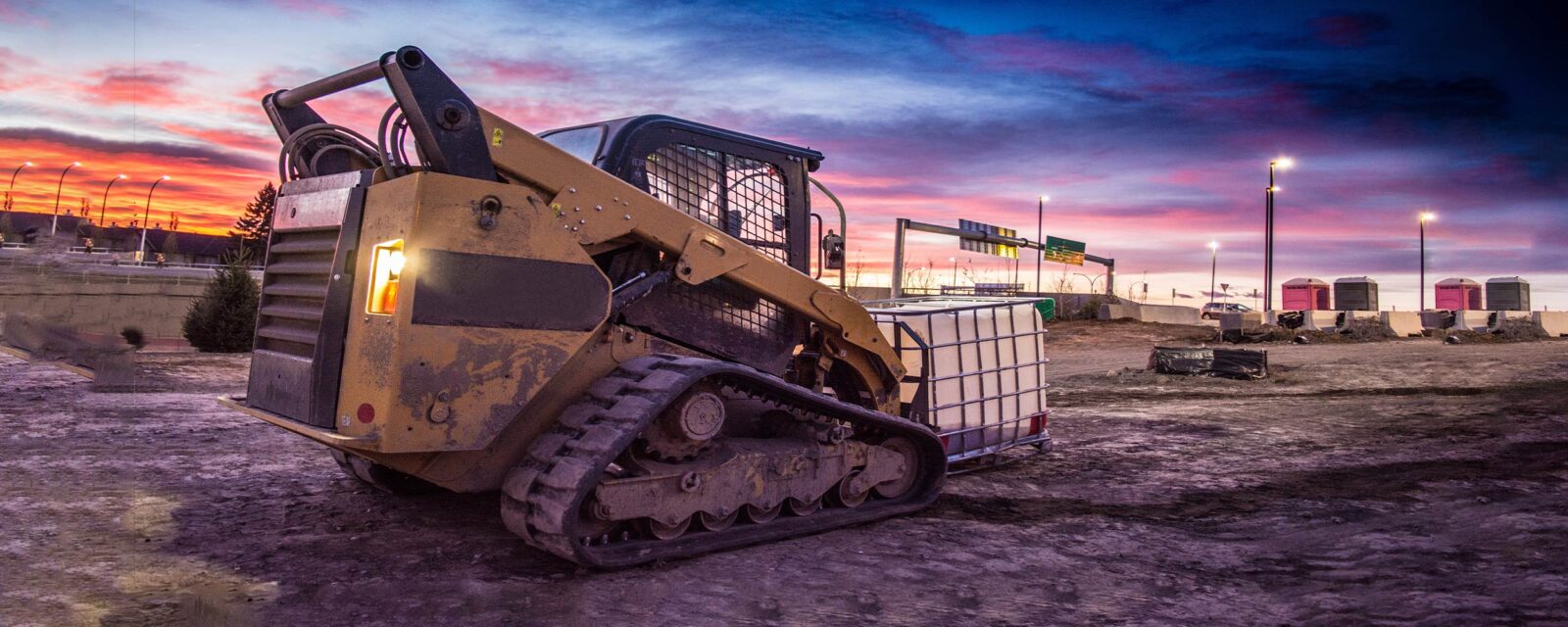
Caterpillar (or CAT) is synonymous with durability and high performance. Their cat machines are built to last in tough conditions.
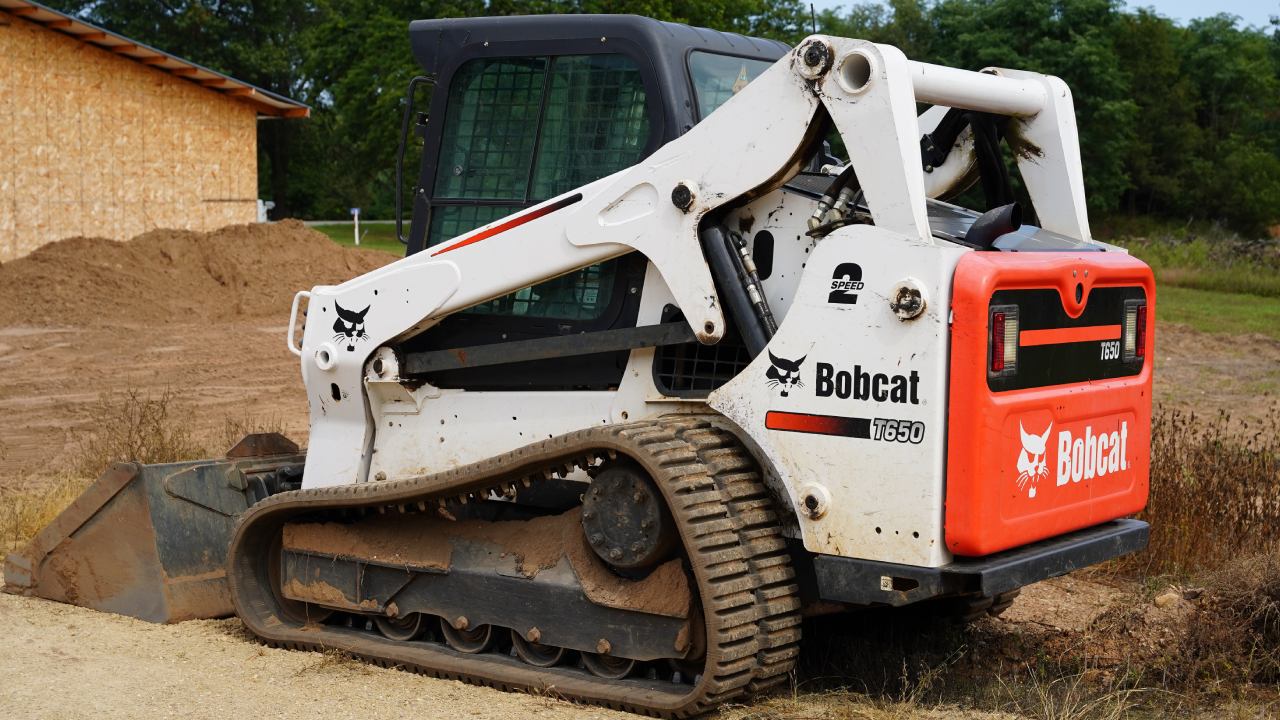
This company designs compact but reliable equipment. Their compact loader designs set the standard for the industry.
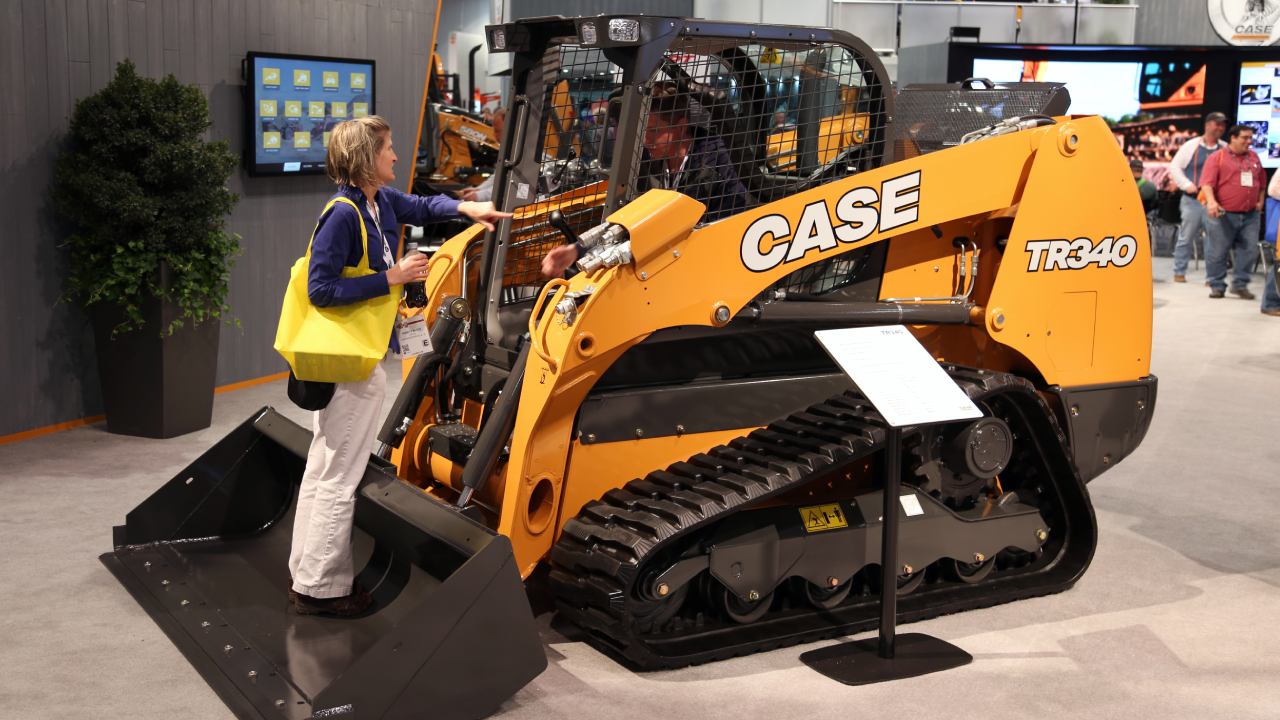
Offers machines designed for both residential and commercial applications, featuring ergonomic cabs and intuitive controls.
Produces machines noted for their reliability and performance, minimizing downtime for operators.
Makes equipment designed for versatility and ease of use, often featuring vertical lift paths.

For domestic transfers or short-haul international shipments, our company delivers reliable ground transport services. This includes:

For long-distance global deliveries, Atlantic Project Cargo provides efficient ocean freight solutions:

When time is of the essence, we offer rapid air freight services:
Get your free quote today if you are seeking reliable industrial equipment delivery services!

Mode of transportation: Air charters command a higher price point compared to ocean or ground transportation options

Distance: Shipping equipment across the country is generally more economical than transporting it overseas

Additional expenses: These may include insurance premiums, special permits, customs duties, and fees for heavy loads

Size and Weight: The heavier the machinery and the larger the data plate weight, the higher the shipping expense

Season: The shipping industry experiences high and low seasons, which directly impact the final cost

This is a streamlined method of shipping where machinery is driven directly onto and off the vessel

This implies that the entire container is exclusively reserved for your shipment. It is a favored choice for shipping compact design loaders due to the protection it offers

An excellent choice for transporting machines, particularly those that are oversized or have dimensions exceeding standard container limits

The most rapid method for transporting track loaders or their critical parts, though it comes at a higher cost
Regulations vary significantly by nation, but the most common requirements include:

These trailers provide a foundational, open platform for securing and hauling track loaders efficiently

Featuring a lowered rear platform, this trailer type offers the necessary clearance to transport machinery legally without necessitating special height permits

The most significant benefit of RGN trailers is their capacity to accommodate high loads and large machines
Moving equipment over extended distances involves various restrictions and regulations, including:
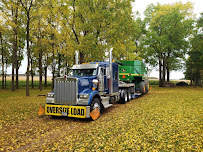
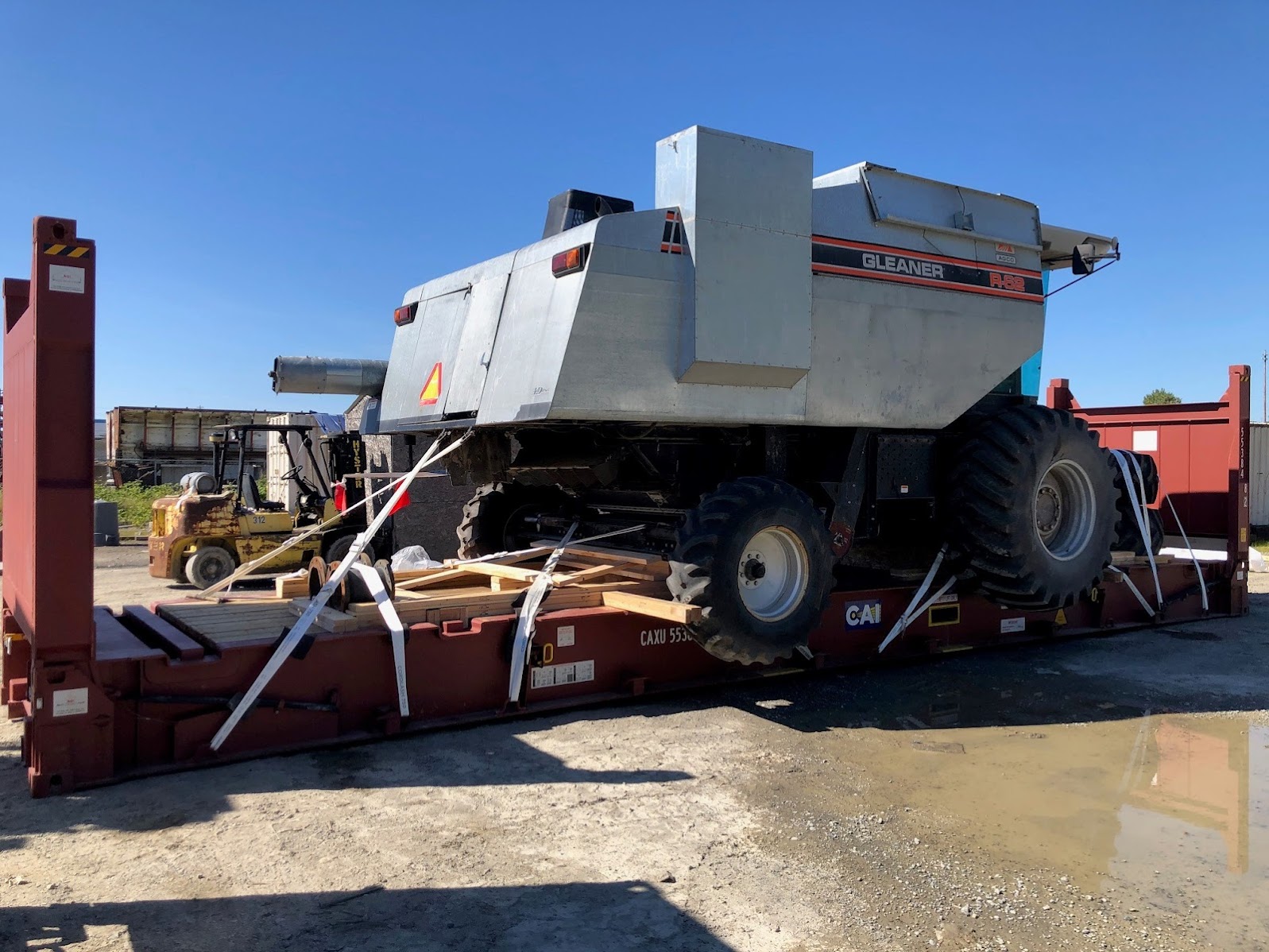
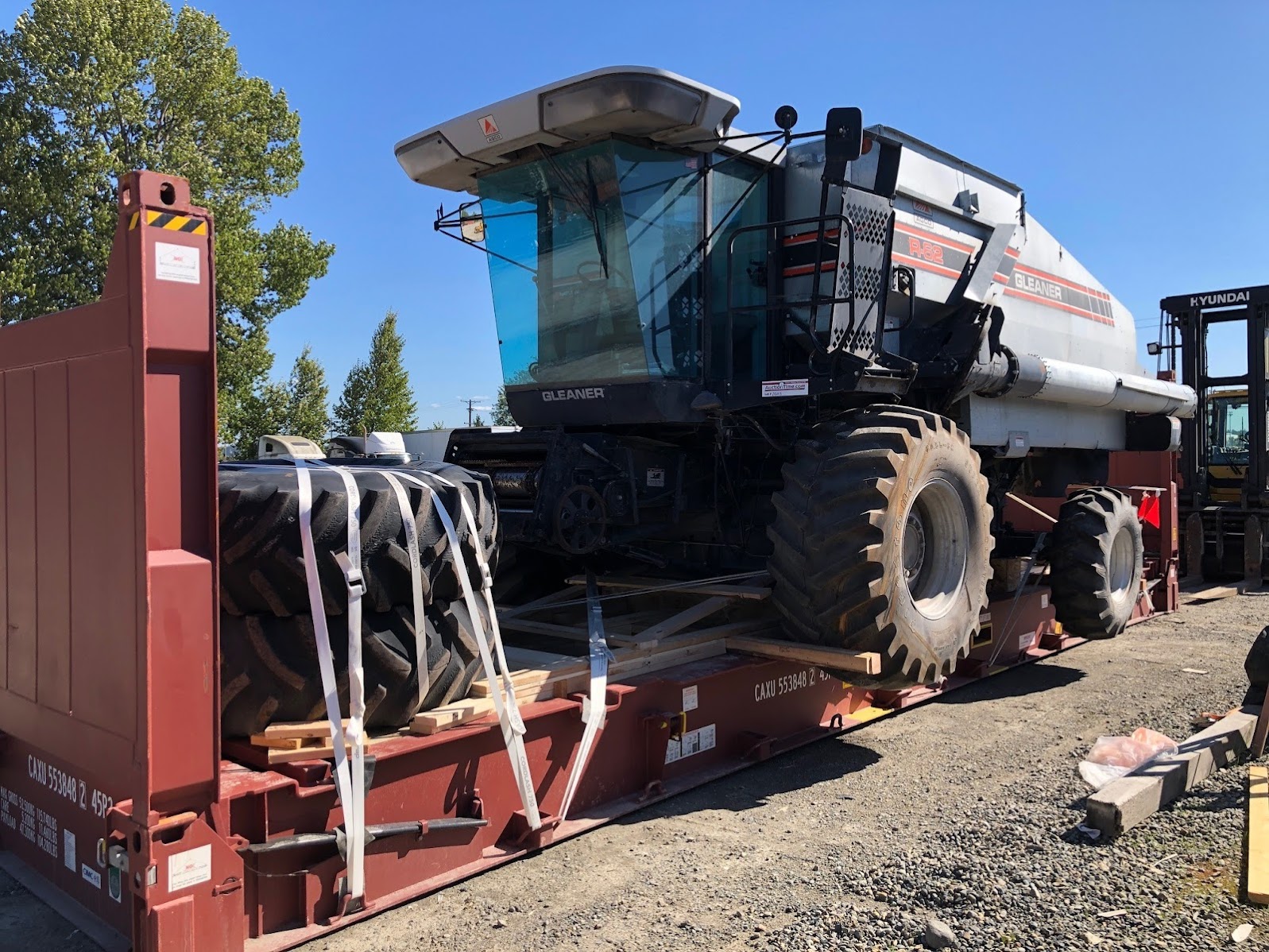
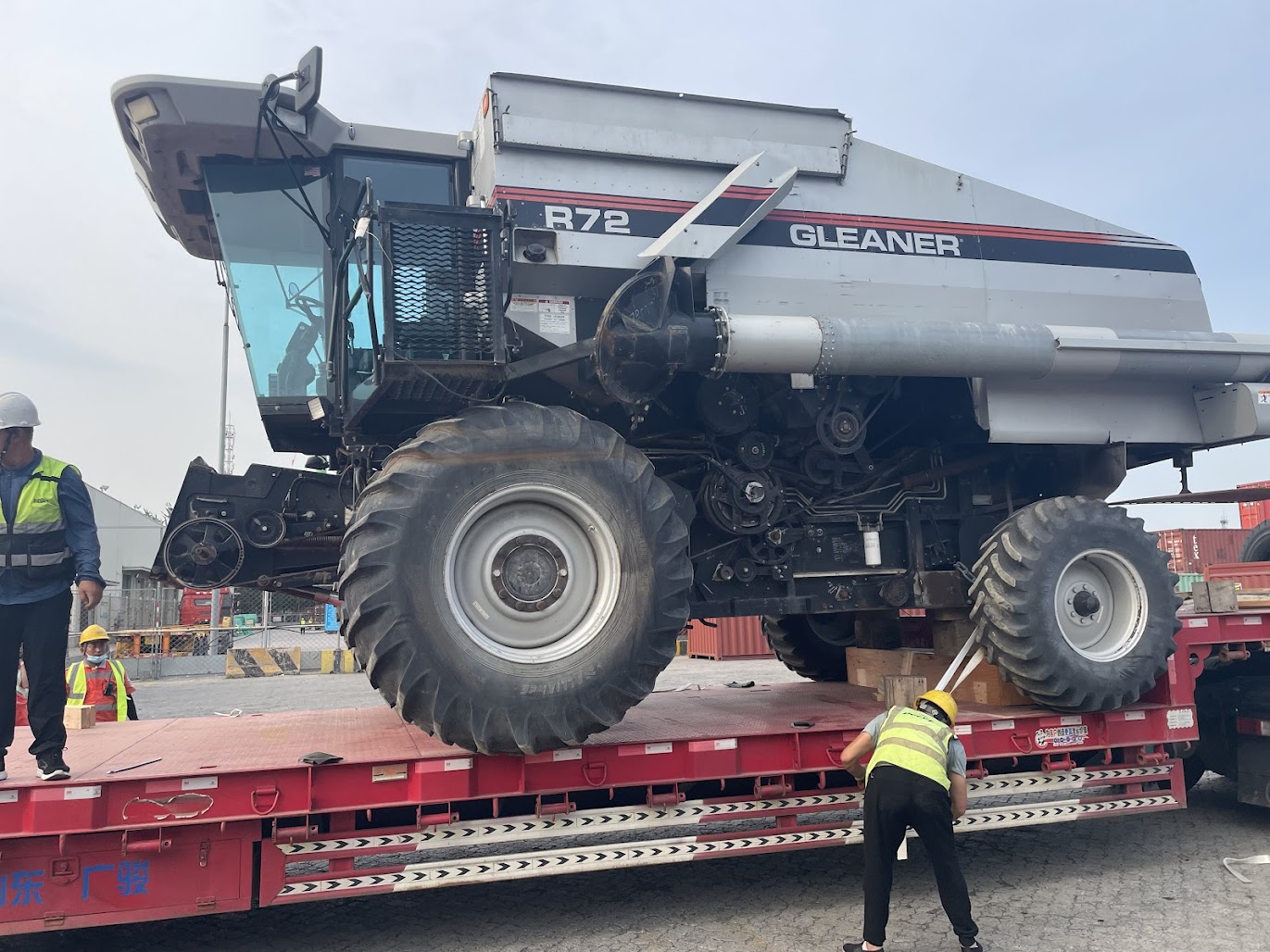
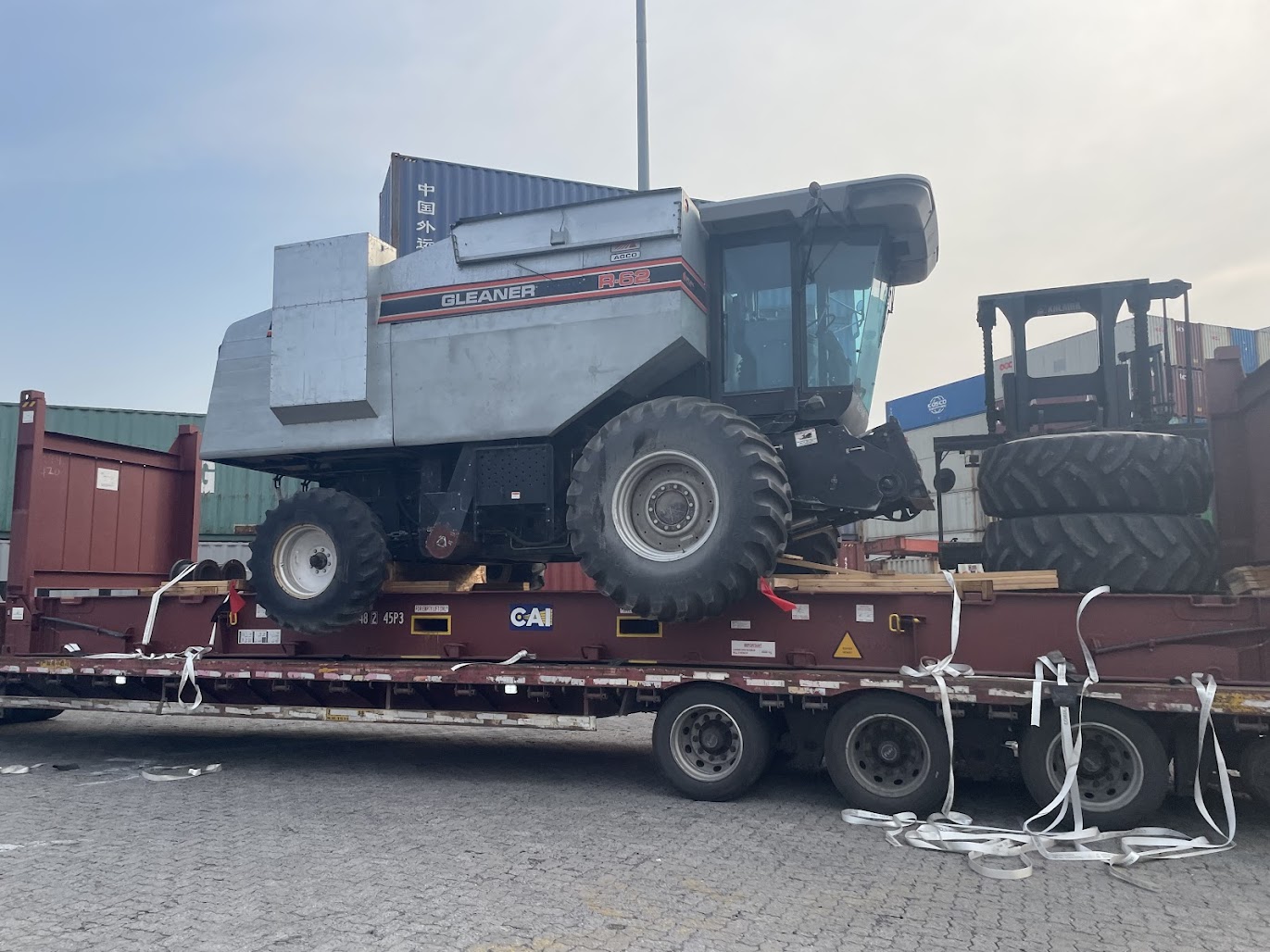
Yes, we provide extensive industrial equipment shipping services both domestically and internationally. Whether you are searching for a solution to export a cat loader or import compatible attachments, we can help.
The total transit time is contingent upon the distance, the selected shipping method, and any potential delays. We provide precise estimated delivery times during the quote process so you can schedule your work site operations efficiently.
Absolutely. We offer comprehensive insurance coverage to protect your machinery during transit. We aim to minimize downtime and financial risk for your business.
Documentation requirements fluctuate based on the shipping destination. Typically, you will need a bill of lading, a commercial invoice, and potentially export/import permits. Our team can assist you with the data and submitting the necessary forms.
Yes, we offer complete door-to-door pickup and delivery services for your convenience. We make it easy to move your skid steer from the shop to the job site.
Yes, we can ship compatible attachments such as augers, forks, or buckets. We ensure these are secured properly to the machine or packed separately to prevent damage during transport.
Yes, especially for international shipments. It is essential to remove all soil, sand, and organic material from the tracks and undercarriage to comply with agricultural inspections and avoid delays.