


John Deere S780 Combine Shipping from Illinois to Paraguay
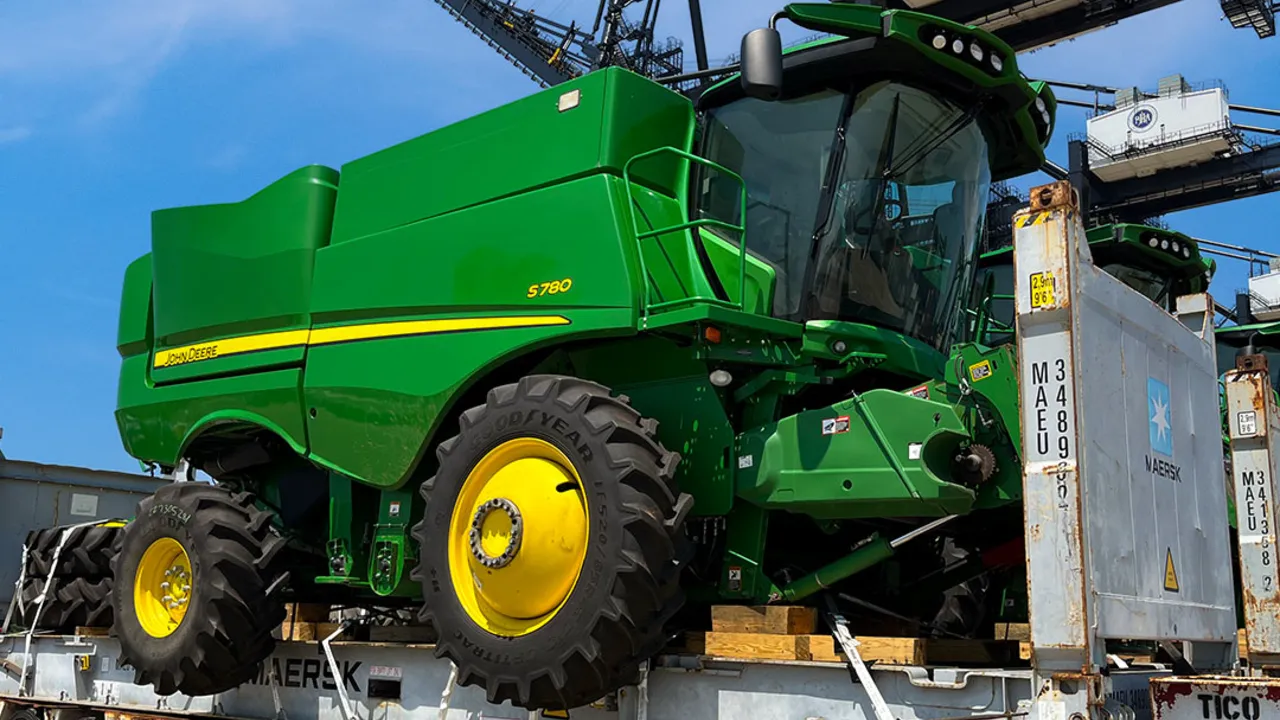
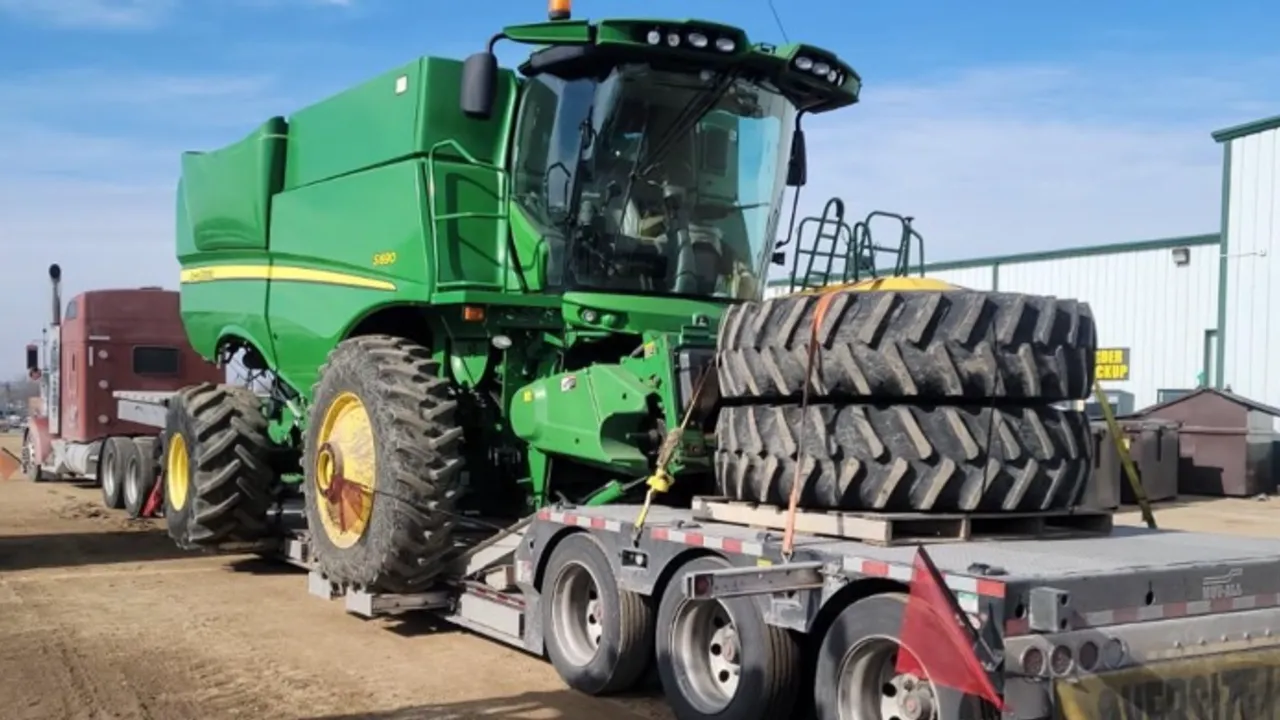
See how Atlantic Project Cargo shipped a John Deere S780 combine from Illinois to Paraguay via Montevideo using inland, ocean, and onward river transport.
See how Atlantic Project Cargo shipped a Caterpillar 336 excavator from Houston to Arica, Chile, including heavy-haul pickup, equipment cleaning, flat rack ocean freight, SAG coordination, and final delivery.



The Caterpillar 336 was purchased through JumboBee by a construction contractor supporting mining infrastructure work in northern Chile, with Atlantic Project Cargo coordinating its international transport from Houston to Arica.
Shipping the Caterpillar 336 to Chile required both heavy-equipment transport planning and destination-specific preparation. The excavator’s dimensions and tracked undercarriage affected inland and ocean transport, while soil and debris trapped around the tracks, bucket, and undercarriage had to be addressed before export.
Atlantic Project Cargo planned the heavy-haul move from the Houston yard, coordinated cleaning and flat rack loading near the port, booked ocean freight to Arica, and worked with the buyer’s customs broker on arrival. The machine reached the job site 44 days after pickup.

Tracked Equipment Transport
Unlike wheeled equipment, a tracked excavator cannot be towed or rolled aboard. The Caterpillar 336 was walked onto the lowboy and later onto the flat rack under its own power, with heat-treated timber dunnage laid under the tracks for grip on the steel decks.
Oversized Inland Transport
At 34.9 tonnes and 3.39 m wide, the machine exceeded Texas legal limits for width and gross weight. The moves from north Houston to the cleaning facility, and from there to the terminal, ran on TxDMV oversize/overweight permits along pre-checked routes.
Cleaning of Tracks & Undercarriage
Used earthmoving machinery entering Chile must arrive free of soil and plant material. Track links, rollers, idlers, the undercarriage frame, and the bucket hold the most packed soil, so they received the most cleaning time.
Flat Rack Configuration
The Caterpillar 336 was too wide and tall for a standard container. A 40 ft flat rack carried it out of gauge, with the bucket removed so the machine fit within the length of the rack deck.
Cargo Securing
The machine was held by eight 1/2 in grade 80 chains, ISPM 15 heat-treated hardwood chocks at both ends of each track, and separate lashings on the boom, stick, and detached bucket.
Chile Destination Requirements
Chile’s SAG regulates the entry of used earthmoving machinery for plant-health reasons. The excavator was cleaned before export and presented for SAG inspection on arrival in Arica.
At 34.9 tonnes and 3.39 m wide, the Caterpillar 336 could not move on a standard trailer or a legal-load route. Its weight and width drove trailer choice, loading method, permits, and the timing of delivery to the terminal.
Atlantic Project Cargo’s heavy-haul carrier used a three-axle removable gooseneck (RGN) lowboy with a two-axle jeep, spreading the load across eight axles including the tractor. The excavator was walked onto the lowered deck at the seller’s yard. The 38 km route to the Pasadena cleaning facility ran on a TxDMV oversize/overweight permit, avoiding two low-clearance overpasses identified during the route survey. The loaded flat rack later moved from Pasadena to Barbours Cut under a separate permit.
After years on construction sites, the excavator carried packed clay and plant matter in its track links, rollers, idlers, undercarriage frame, bucket, and boom pin areas. Chile’s SAG requires used earthmoving machinery to enter free of soil, plant remains, and regulated pests.
A wash contractor in Pasadena, TX cleaned the machine over three days. Crews scraped caked soil from the tracks first, then used high-pressure hot water on the undercarriage, track frames, and boom. Compressed air cleared the radiator and cooler cores, and the cab floor was vacuumed. The bucket was removed and cleaned separately, and Atlantic Project Cargo photographed every area before loading.
The Caterpillar 336 was too wide and tall for a standard container, and the available sailings to Arica did not offer a practical roll-on/roll-off option for this machine.
Atlantic Project Cargo booked a 40 ft flat rack rated for about 40 tonnes payload, enough for the 36.5-tonne combined weight of machine and bucket. The excavator was walked onto the rack on ramps, centered over its length, with the boom lowered and the stick curled under. The cargo extended 47.5 cm past each side and reached 4.05 m overall height from the bottom of the flat rack, about 1.4 m above a standard container, so it was declared as out-of-gauge cargo.
A 35-tonne tracked machine sitting on a steel deck could slide during terminal handling, vessel loading, rolling at sea, and transshipment.
ISPM 15 heat-treated hardwood chocks were fixed fore and aft of each track and cross-braced, since Chile also inspects wood used for packing and blocking. Eight 1/2 in grade 80 chains with ratchet binders ran from the track frames to the rack’s lashing points. Two more chains held the boom and stick, and four held the detached bucket. The swing lock was engaged and the battery isolated before the carrier’s lashing survey.
Caterpillar 336 purchased for the Chilean buyer through JumboBee.
Feb 20Dimensions, weight, permits, and flat rack booking settled.
Feb 23 to Mar 6Excavator walked onto an RGN lowboy and moved under permit.
Mar 9Tracks, undercarriage, and bucket cleaned; bucket removed.
Mar 10 to 12Machine walked onto a 40 ft flat rack and chained down.
Mar 13Rack gated in at Barbours Cut; vessel sailed March 20.
Mar 16 to 2027 days via transshipment in Panama.
Mar 20 to Apr 16SAG inspection, customs release, and delivery to site.
Apr 16 to 22The Caterpillar 336 sat at a contractor yard in north Houston, in running condition with about 6,800 hours on the meter. Before booking anything, Atlantic Project Cargo confirmed its shipping dimensions and weight with the seller: 11.2 m long with the bucket removed, 3.39 m wide over 800 mm track shoes, and 34.9 tonnes. Those figures set the trailer, the permit, and the ocean configuration.
Atlantic Project Cargo’s heavy-haul carrier brought a three-axle RGN lowboy with a two-axle jeep. The operator walked the machine onto the lowered deck, and the carrier moved it 38 km under a TxDMV oversize/overweight permit to the cleaning facility in Pasadena.

The cleaning crew spent most of its three days on the undercarriage. Packed clay sat between track links, around carrier and bottom rollers, inside the idlers, and in the track frame cavities. Crews scraped this out by hand, then washed with high-pressure hot water from above and below the machine. The bucket was unpinned and cleaned on its own. Boom and stick pin areas, the counterweight cavity, and the engine bay were washed next. Compressed air cleared the radiator and cooler cores, and the cab floor was vacuumed. Atlantic Project Cargo documented each area in photos once dry.
On March 13, the machine was walked onto a 40 ft flat rack on ramps at the Pasadena facility and centered over its length. The boom was lowered and the stick curled under to keep the overall height at 4.05 m. The bucket was placed on heat-treated timber under the boom, in front of the tracks. The load extended 47.5 cm beyond each side, so it was booked as out-of-gauge cargo.
On March 16, the loaded flat rack moved from Pasadena to Barbours Cut Container Terminal on a heavy-duty chassis under an oversize/overweight permit, and it sailed on March 20. The cargo transshipped in Panama and reached the Port of Arica on April 16, after 27 days at sea.
The buyer’s customs broker lodged the import declaration. Atlantic Project Cargo filed the US export declaration and forwarded the seller’s commercial invoice, the bill of lading, and the cleaning photo record. SAG inspected the machine at the port on April 17, and customs released it on April 21.
Because the 3.39 m width exceeds Chile’s 2.6 m legal limit, the inland move required an oversize permit from the Dirección de Vialidad. A Chilean heavy-haul carrier then moved it about 270 km south on Ruta 5 to the job site near Pozo Almonte, delivering on April 22.

Arica was selected for this Caterpillar 336 based on the project route and available transport configuration. Atlantic Project Cargo also coordinates heavy-equipment shipments through Iquique, with port and shipping-method selection determined by equipment type, carrier availability, final destination, inland transport, and current freight options.
Atlantic Project Cargo coordinates excavator, dozer, loader, and other construction equipment shipments from the USA to Chile, including inland pickup, equipment preparation, ocean freight, destination coordination, and final delivery planning.
Pickup to delivery took 44 days in March and April 2026, of which 27 were at sea.
The Caterpillar 336 reached the job site near Pozo Almonte 44 days after leaving the Houston yard, with no re-cleaning and no transport damage reported. It passed SAG inspection at Arica on the first presentation, and customs released it five days after arrival.
See how Atlantic Project Cargo shipped a John Deere S780 combine from Illinois to Paraguay via Montevideo using inland, ocean, and onward river transport.
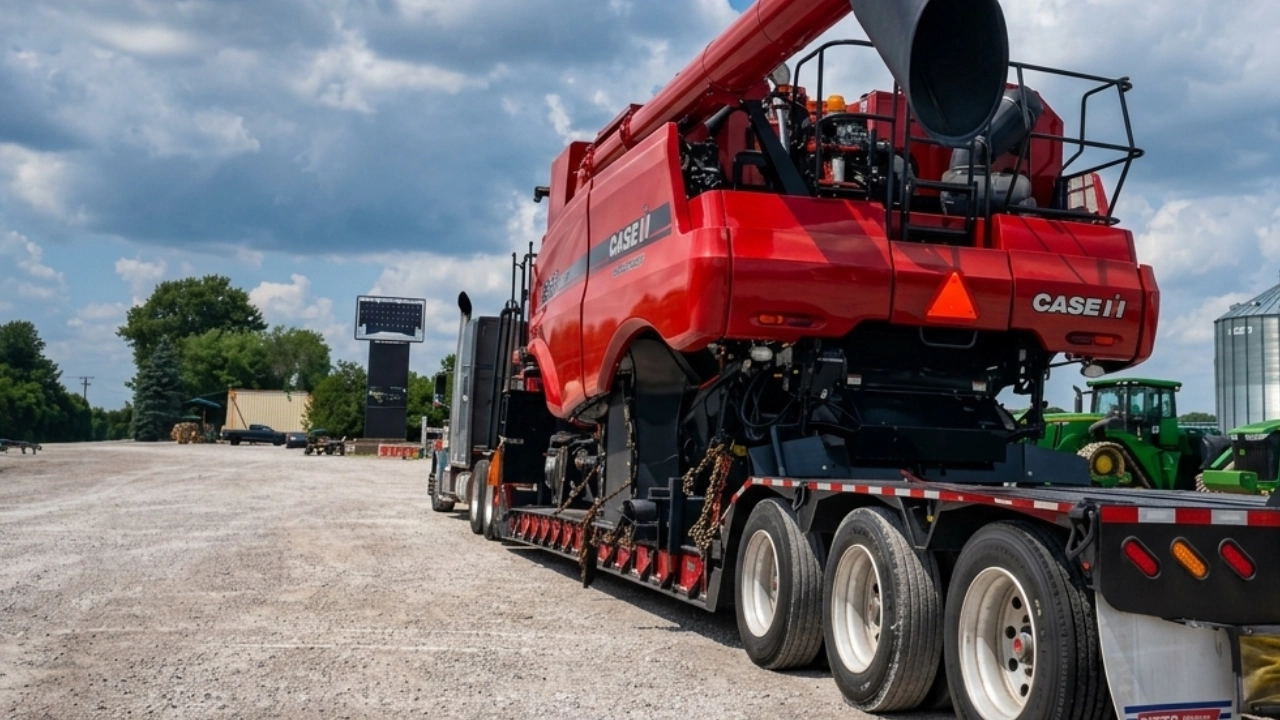
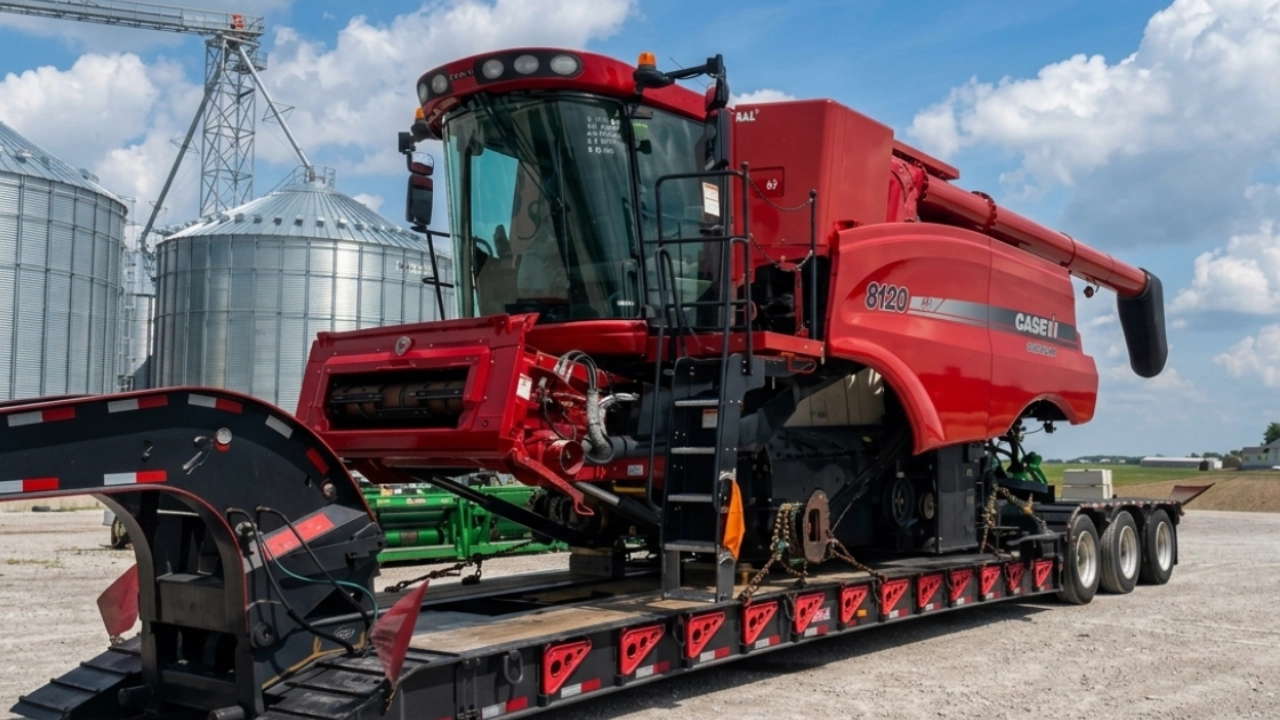
This case follows the export of a used 2012 Case IH 8120 Axial-Flow combine from Albany, Georgia, sourced through JumboBee for a buyer in Ismailia Governorate, Egypt. Atlantic Project Cargo coordinated the shipment from pickup in Georgia through delivery in Egypt. The Case IH 8120 is a Class 7 single-rotor grain combine, and its weight, […]
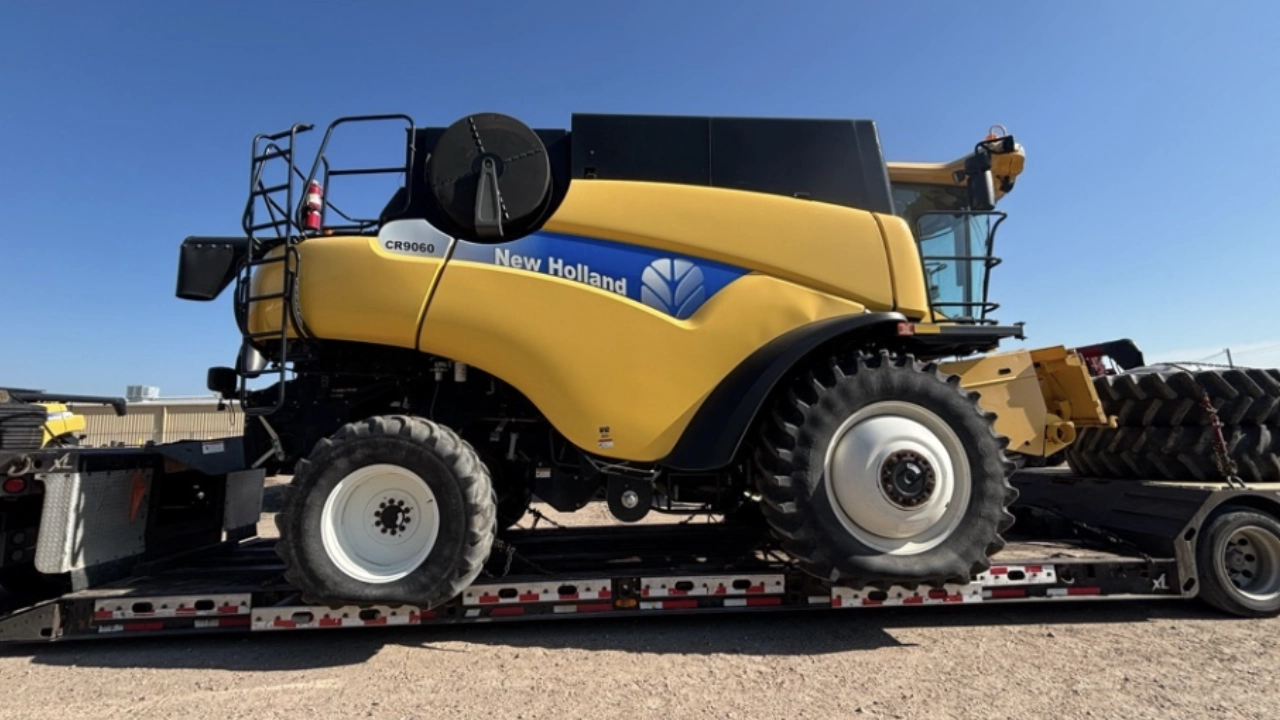
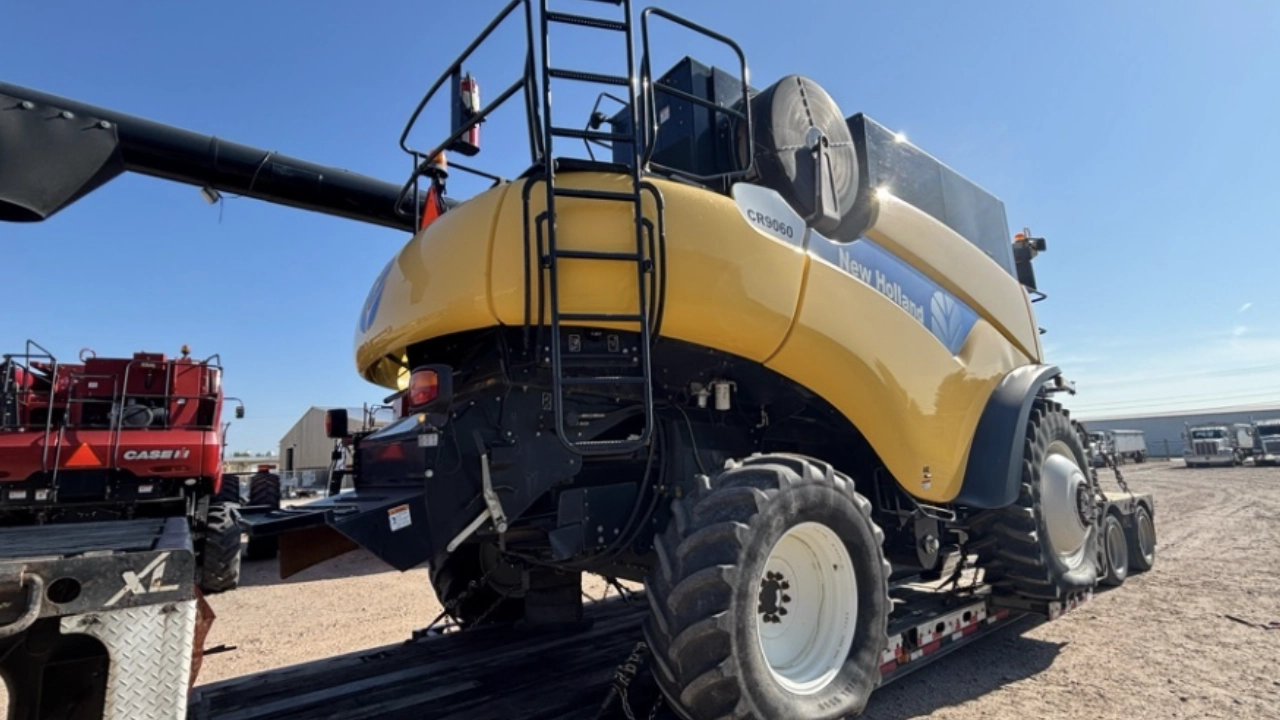
The New Holland CR9060 was purchased through JumboBee by an agricultural operation on Peru’s north coast, with Atlantic Project Cargo coordinating the international transport from California to the buyer’s destination. The machine was located in the Sacramento / Central Valley area and needed to reach a grain-producing operation near Chiclayo, in the Lambayeque region of […]