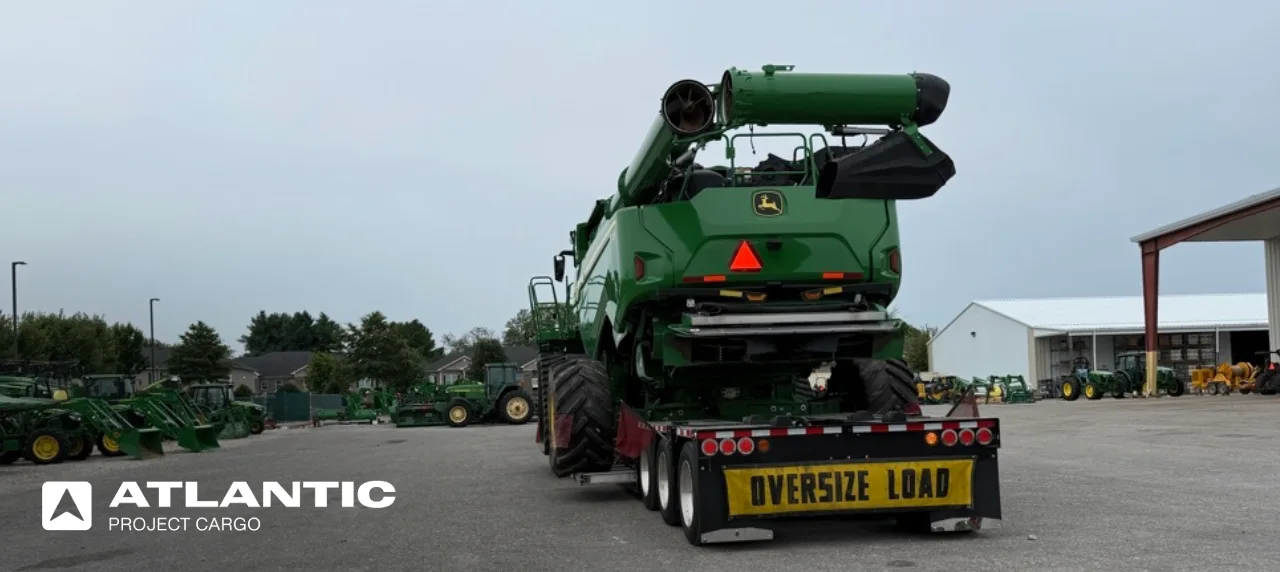
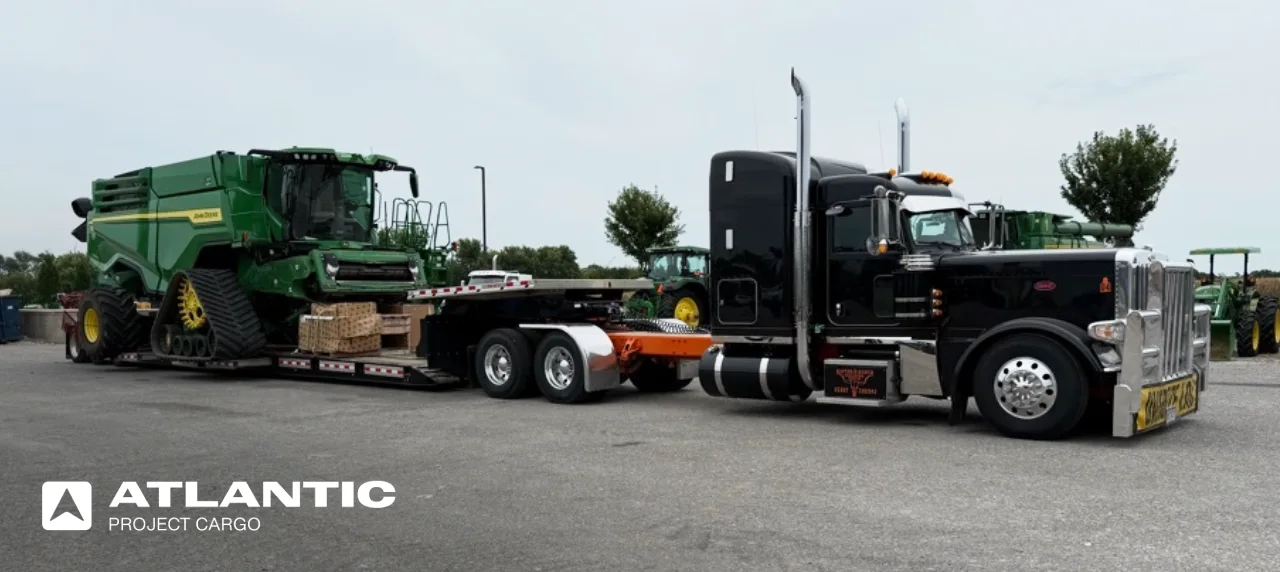
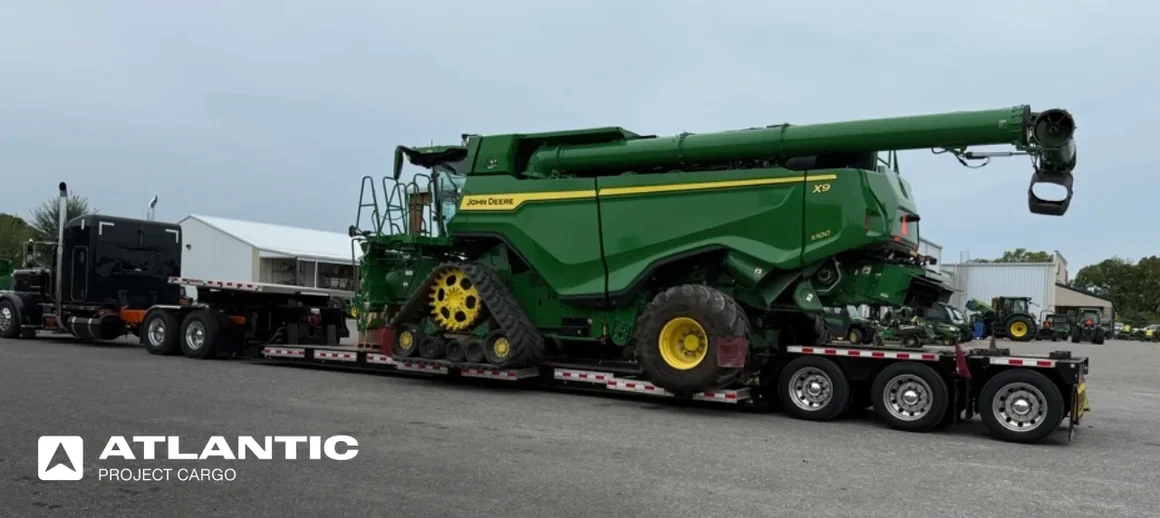
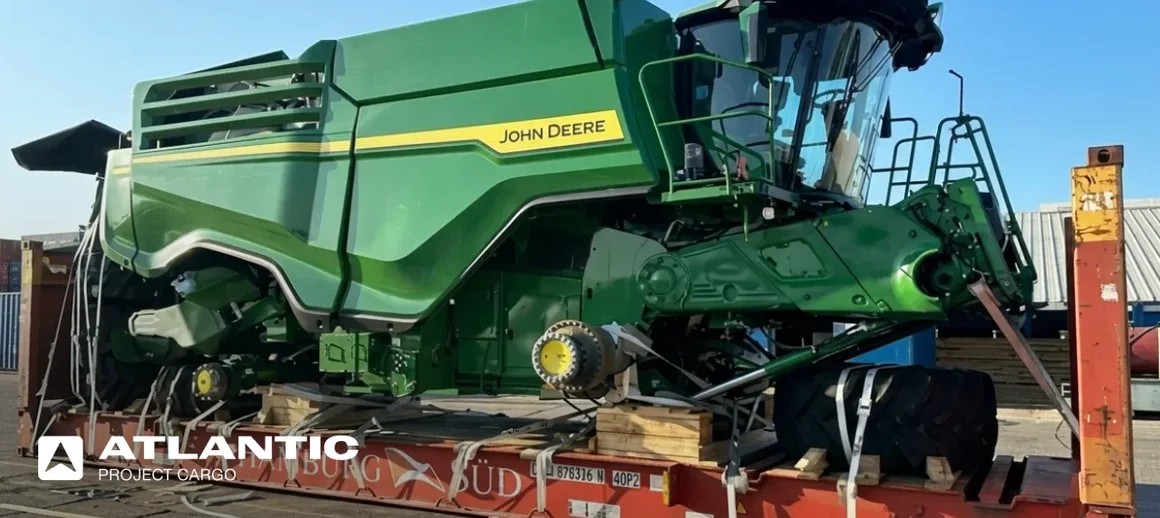
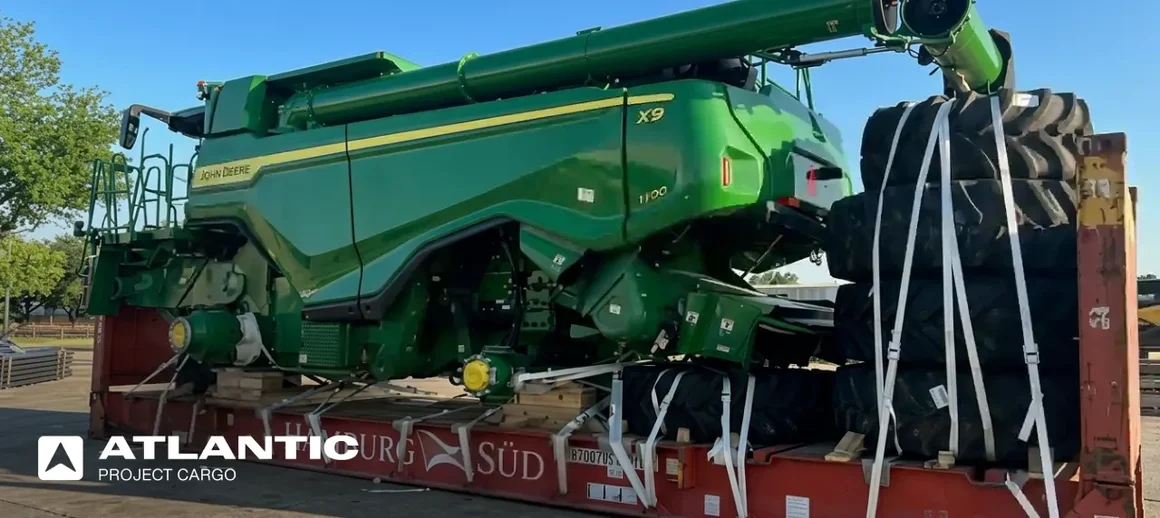
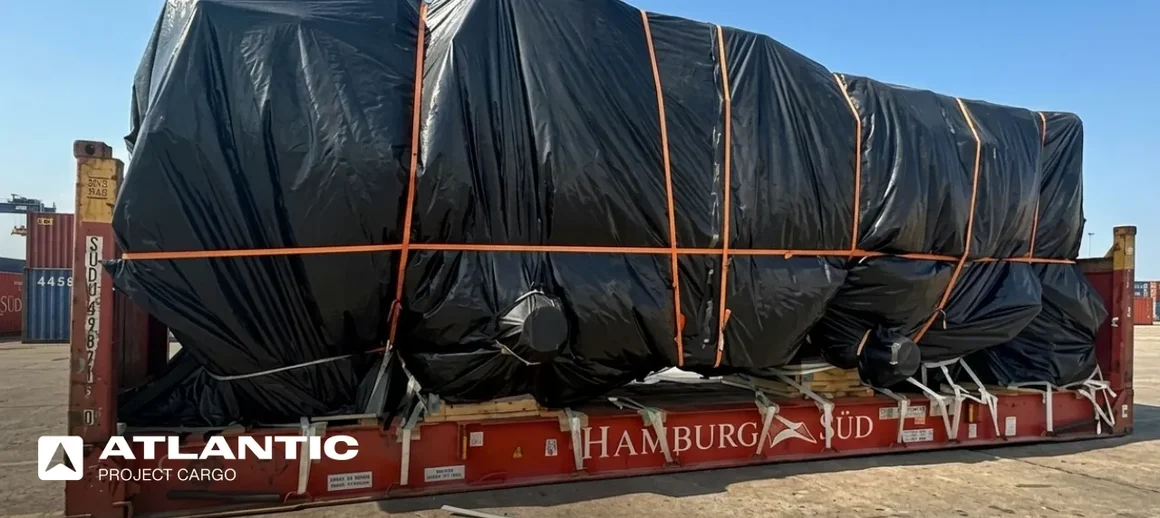
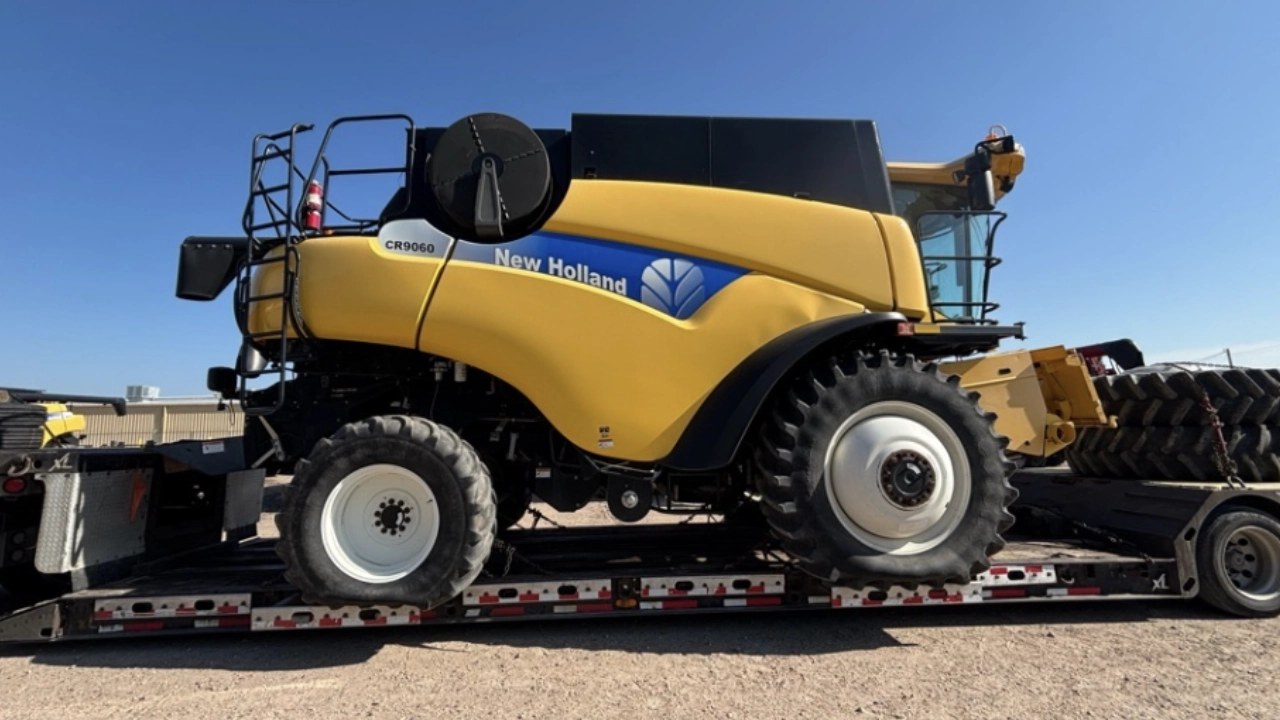
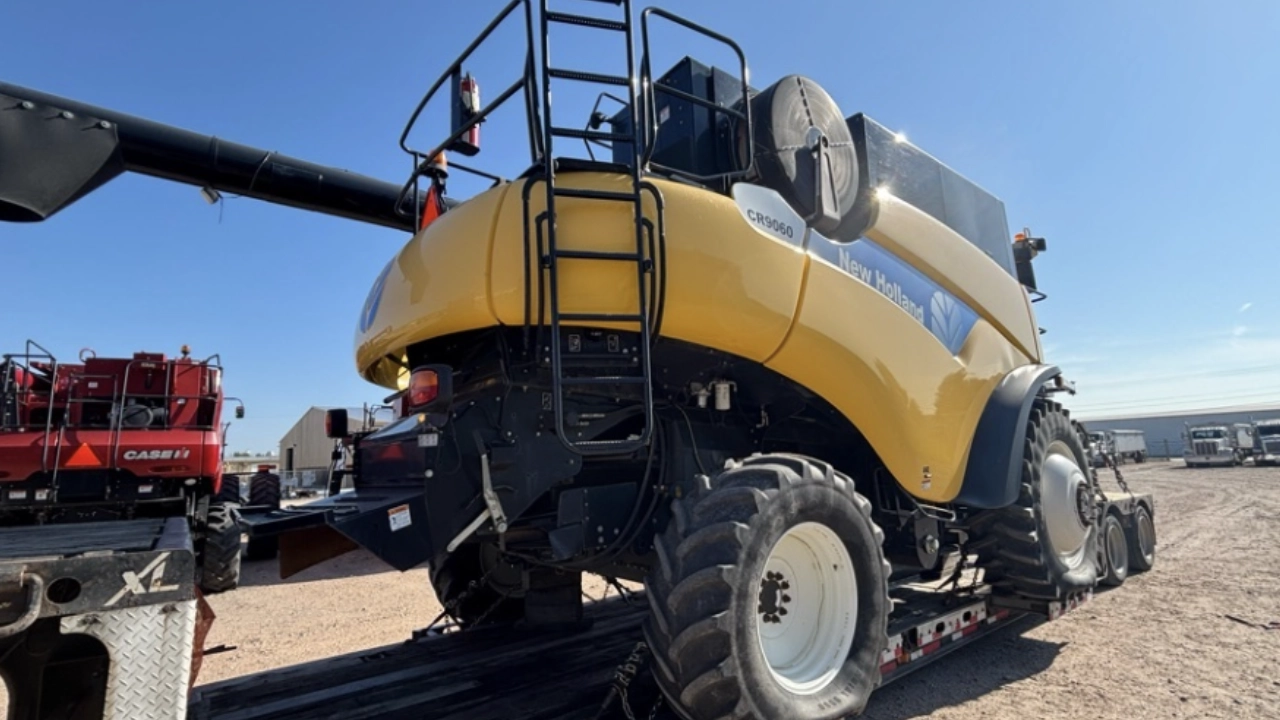
A used combine presents a higher contamination risk than most other equipment types, simply because of how it’s built: the threshing area, feeder house, header mounting frame, and undercarriage all create places where soil, seed, and crop residue can sit out of sight. The X9 1100 was cleaned at a licensed wash facility near the port, with high-pressure hot-water washing, compressed air, and vacuuming applied to those areas through their service panels, without dismantling internal components. Because the shipment fell inside New Zealand’s September-to-April BMSB risk season, an MPI-approved offshore treatment was also arranged, with the treatment certificate folded into the documentation package required under the Vehicles, Machinery and Parts Import Health Standard.
Detailed Equipment Cleaning – High-pressure wash, compressed air, and vacuuming of the threshing area, feeder house, header mounting frame, and undercarriage.
Hard-to-Reach Areas – Cavities, guards, and undercarriage areas addressed through service access panels.
Pre-Export Verification – Cleanliness, BMSB offshore treatment scheduling, and documentation checked ahead of departure.