Hours of operations:
9AM - 5PM / UTC -5 (EST)

The Difference Between 3PL vs 4PL

February 26, 2026
Shipping Quote
Customs Duties
Drayage Rate
Do you already own this equipment?

You Can Request a New Quote Every 15 Minutes

Please wait or contact us at [email protected]

Thank you for Choosing Us!

Looking to buy or sell heavy equipment?
With JumboBee, you can trade online with financing options and worldwide shipping.

Check Inventory
Calculate Import Duties
Get a free, no-obligation estimate of your import duties!
Calculate Import Duties
Get a Drayage Estimate
Get a free drayage estimate tailored to your exact needs!
Check a Drayage Rate
Home Insights The Difference Between 3PL vs 4PL
Written by
Atlantic Project Cargo Editorial Team

Key Takeaways


  • 3PL focuses on execution, while 4PL focuses on orchestration. A 3PL performs transportation, warehousing, and fulfillment tasks, whereas a 4PL manages the entire supply chain strategy and coordinates multiple providers.
  • The choice depends on complexity, not company size. Businesses with simple, regional operations often succeed with a 3PL, while multi-country or multi-vendor supply chains benefit from 4PL oversight.
  • 4PL provides centralized visibility and vendor neutrality. Because most 4PLs are asset-light, they can optimize carrier selection and performance without pushing their own transport capacity.
  • Cost structures differ significantly between models. 3PL pricing is typically transactional and volume-based, while 4PL includes management and optimization fees that generate savings through system-wide improvements.
  • Many companies use a hybrid model. A 4PL may manage strategy and coordination, while multiple 3PLs handle physical transportation and warehousing execution.

As global supply chains grow more complex, companies increasingly rely on outsourced logistics partners to move goods efficiently, control costs, and manage risk. This is why the topic of 3pl vs 4pl has become a critical decision point for manufacturers, distributors, and project-based industries.

At first glance, third-party and fourth-party logistics models may seem similar. Both involve outsourcing logistics activities to external providers. However, the reality is that they serve fundamentally different roles within the supply chain. One focuses on execution, while the other focuses on orchestration and strategy.

Misunderstanding this distinction often leads to poor outcomes. Companies may overpay for strategic services they do not need or, conversely, rely on operational providers when their supply chain has grown too complex to manage internally. Knowing the difference allows organizations to align logistics structure with business goals rather than reacting to problems after they appear.

This first part establishes clear definitions and explains why choosing between 3PL and 4PL logistics is about complexity and control, not size or budget alone.

What Is 3PL? (3PL Definition)

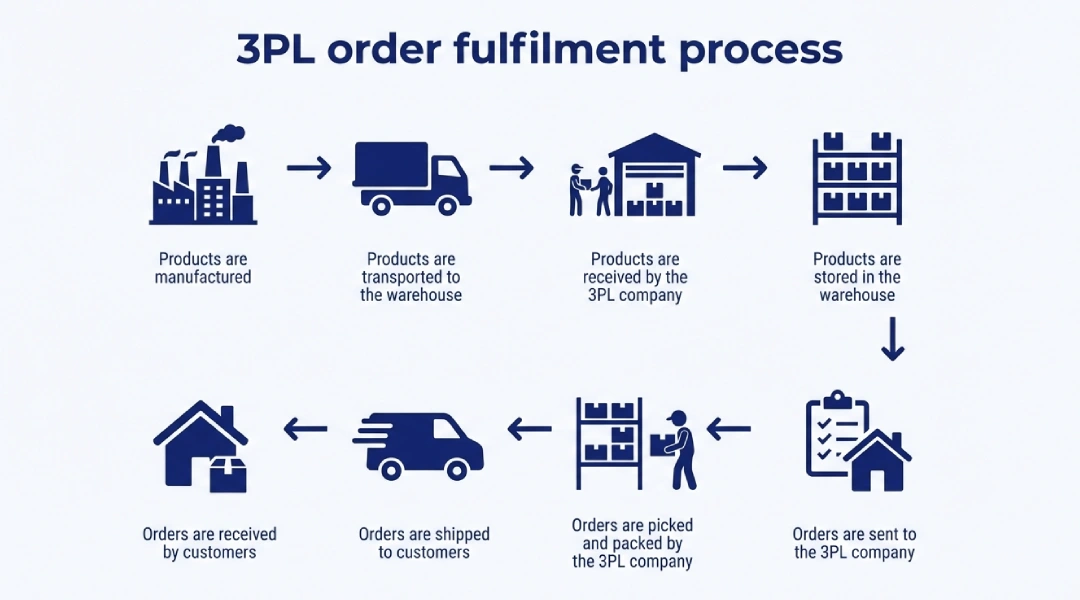
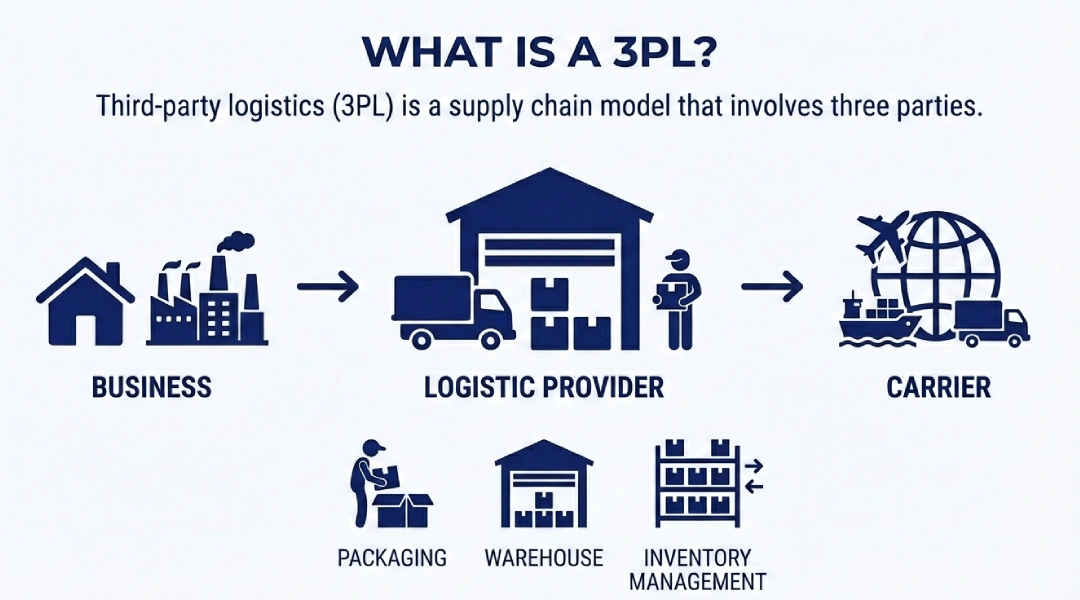
3pl definition refers to a third-party logistics provider that performs specific logistics services on behalf of a shipper. These services are typically operational in nature and focus on execution rather than strategic planning.

A 3PL acts as an external service provider that carries out tasks the shipper would otherwise handle internally. The shipper remains responsible for overall logistics decisions, vendor selection, and performance oversight.

In simple terms, a 3PL helps you do logistics better, but it does not redesign how your supply chain works.


Core Characteristics of a 3PL

A third-party logistics provider typically:

  • Executes transportation and warehousing activities
  • Operates within a defined scope of services
  • Follows shipper-provided instructions
  • Measures success through service-level agreements (SLAs)

3PLs can be asset-based (owning trucks or warehouses) or non-asset-based (brokering services), but their role remains primarily operational.

Typical 3PL Services

Most 3PL providers offer a combination of the following:

  • Freight transportation and carrier booking
  • Warehousing and inventory storage
  • Order fulfillment and distribution
  • Customs brokerage coordination
  • Last-mile delivery management

These services are often bundled into contracts that focus on efficiency, speed, and cost control.

What a 3PL Provider Does Not Do

Despite their importance, 3PLs are not designed to manage the entire supply chain. In most cases, a 3PL does not:

  • Design supply chain strategy
  • Select and manage competing logistics vendors independently
  • Act as a neutral decision-maker across carriers
  • Own end-to-end supply chain performance

This limitation becomes more visible as operations scale or diversify across regions.

What Is 4PL? (4PL Definition)

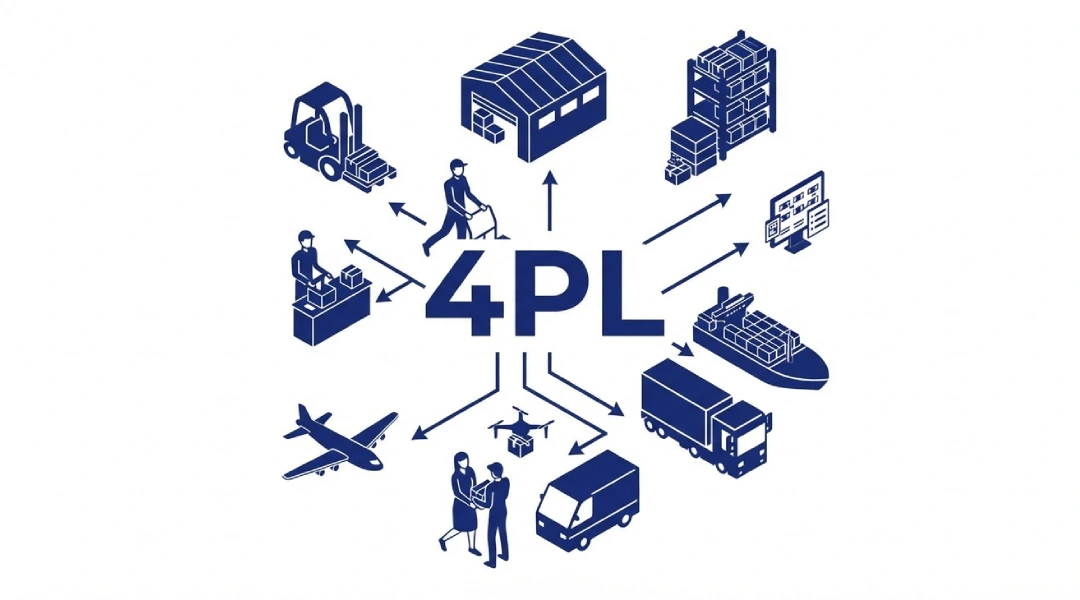
The 4pl definition describes a logistics model where a provider takes responsibility for managing and optimizing the entire supply chain. Unlike a 3PL, a 4PL does not focus on execution alone but instead acts as a central orchestrator.

When companies ask what is 4pl, they are usually looking for a way to reduce complexity by replacing fragmented logistics management with a single point of accountability.

A 4PL sits above execution-level providers and manages them on behalf of the shipper.

What Is a 4PL Provider?

To answer what is a 4pl provider clearly: it is a strategic partner that designs, controls, and continuously improves the supply chain while coordinating multiple logistics vendors.

A 4PL typically:

  • Does not own physical transport assets
  • Selects and manages 3PLs and carriers
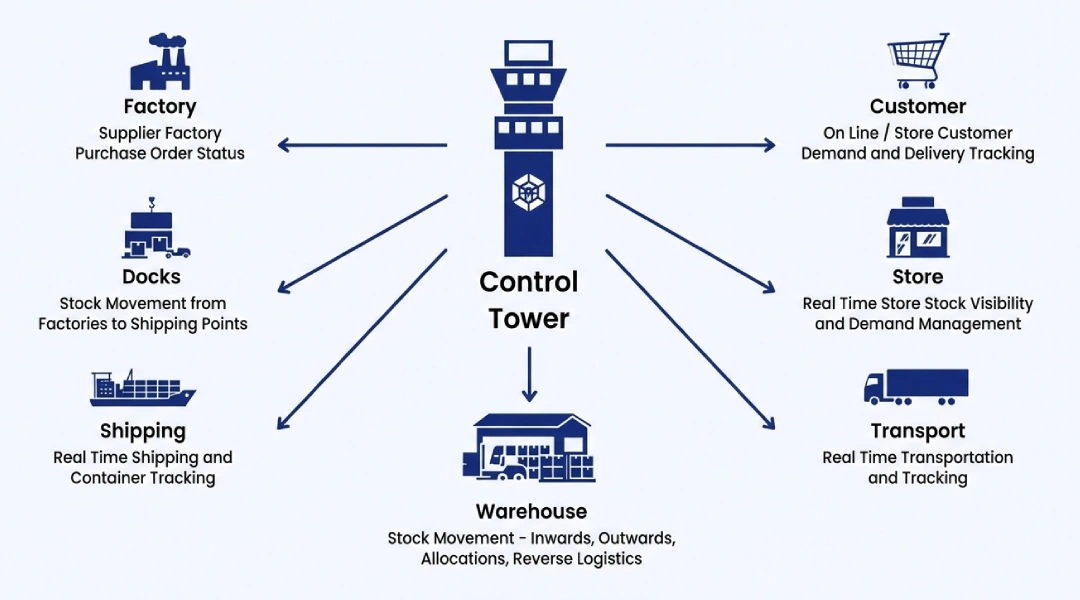
  • Integrates technology and data visibility
  • Owns performance management and reporting
  • Aligns logistics decisions with business strategy

Because a 4PL is asset-light, it is positioned as a neutral decision-maker rather than a service seller.

What a 4PL Manages

A fourth-party logistics provider commonly manages.


End-to-end logistics strategy

Develops and oversees the complete supply chain structure, from sourcing to final delivery. The goal is to align logistics operations with overall business objectives and long-term growth plans.


Vendor and carrier selection

Evaluates, selects, and manages logistics providers based on performance, cost, and reliability. This ensures the most efficient and suitable partners are chosen for each transport mode or region.


Contract negotiation and compliance

Negotiates service agreements, pricing terms, and performance metrics with logistics partners. It also ensures all parties comply with contractual obligations and regulatory requirements.


Data integration and analytics

Connects systems and consolidates logistics data to provide end-to-end visibility. Advanced analytics help identify inefficiencies, reduce costs, and improve decision-making.


Risk mitigation and contingency planning

Identifies potential disruptions such as delays, capacity shortages, or regulatory issues. Proactive contingency plans minimize operational impact and protect supply chain continuity.

This approach is particularly valuable for organizations with multiple logistics partners, global operations, or project-based cargo flows.

Get Your Free Quote Today!

Why the Difference Between 3PL and 4PL Matters


Тhe distinction between 3PL and 4PL is not theoretical – it has direct operational and financial consequences.

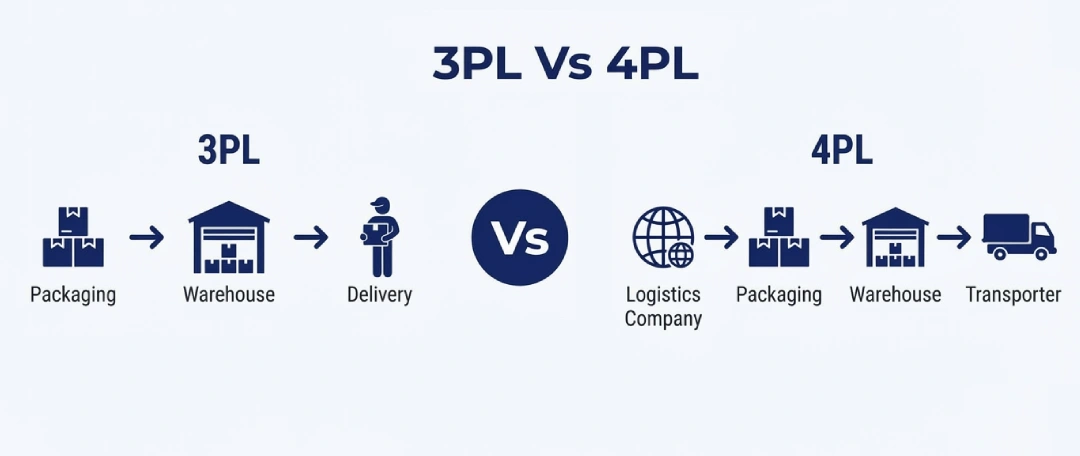
3PL Model

With a 3PL, decisions typically remain decentralized and focused on specific logistics functions such as transportation or warehousing. Visibility is limited to individual activities, and coordination across providers depends heavily on the shipper’s internal teams.

4PL Model

With a 4PL, decision-making is centralized under a single strategic partner that oversees the entire supply chain. Performance is measured holistically, vendor coordination is managed externally, and supply chain strategy evolves continuously to adapt to market volatility, regulatory pressure, and operational risk.

Early Indicators You May Need More Than a 3PL

Many companies continue using 3PLs even after their supply chain has outgrown an execution-only model. Common warning signs include the following:

Managing multiple logistics providers independently

When internal teams must coordinate several carriers, warehouses, and brokers separately, complexity increases quickly. This often leads to communication gaps, duplicated efforts, and inconsistent performance management.

Lack of end-to-end shipment visibility

If you can only see individual transport legs instead of the full shipment journey, decision-making becomes fragmented. Limited visibility makes it difficult to anticipate delays, manage risk, or optimize overall performance.

Inconsistent service levels across regions

Different providers in different markets may operate under varying standards and KPIs. Without centralized oversight, service quality can fluctuate, impacting customer satisfaction and operational reliability.

Difficulty identifying true logistics costs

When costs are spread across multiple vendors and contracts, gaining a clear picture of total logistics spend becomes challenging. This lack of transparency makes strategic cost optimization nearly impossible.

Frequent reactive decision-making

If teams are constantly responding to disruptions instead of proactively managing performance, it signals structural inefficiencies. A reactive approach often increases costs and weakens supply chain resilience.

Moving From Definitions to Practical Differences

After understanding the fundamental roles behind third-party and fourth-party logistics, the next step is to examine how these models differ in real operational environments. The debate around 3pl vs 4pl logistics is not about which model is “better,” but about which structure aligns with a company’s supply chain maturity and risk profile.

At the core, the distinction comes down to execution versus orchestration. One model focuses on doing logistics tasks efficiently, while the other focuses on managing the system that connects those tasks.

This part breaks down those differences clearly and objectively, using a structured comparison and practical examples.

3PL vs 4PL: Core Differences

The table below summarizes the most important distinctions between third-party and fourth-party logistics models.

Aspect 3PL 4PL
Role in supply chain Executes specific logistics functions Orchestrates the entire supply chain
Scope of responsibility Transportation, warehousing, fulfillment Strategy, coordination, optimization
Asset ownership Often owns trucks or warehouses Typically asset-light
Vendor management Limited or none Manages all logistics vendors
Technology and visibility Activity-level tracking End-to-end visibility and analytics
Strategic vs operational focus Operational execution Strategic supply chain management
Ideal company profile Growing or stable operations Complex, multi-vendor supply chains

This comparison highlights why choosing between the two models is not a pricing decision but a governance decision.

3PL vs 4PL Logistics: Operational vs Strategic Focus

One of the most significant differences between the two models lies in how decisions are made and who owns them.

3PL: Operational Execution

A 3PL operates within boundaries set by the shipper. It executes transportation, storage, or fulfillment tasks based on agreed terms. Success is measured by metrics such as:

  • On-time delivery
  • Order accuracy
  • Cost per shipment

The shipper remains responsible for:

  • Selecting service providers
  • Designing routes and networks
  • Resolving conflicts between vendors

This works well when logistics activities are predictable and relatively simple.

4PL: Strategic Supply Chain Management

A 4PL, by contrast, takes responsibility for how the entire logistics ecosystem functions. This includes:

  • Designing supply chain architecture
  • Selecting and managing 3PLs
  • Setting performance standards
  • Using data to drive continuous improvement

Because the 4PL does not typically own transport assets, it can act as a neutral coordinator. This structure allows it to optimize across cost, service, and risk rather than pushing volume to its own assets.

Pros and Cons of 3PL

Understanding the advantages and limitations of third-party logistics helps clarify when it is the right model.

Advantages of 3PL

A 3PL is often the fastest and most cost-effective way to improve logistics execution. Its value lies in strengthening day-to-day operations without requiring a complete supply chain redesign.

Quick access to logistics expertise

Partnering with a 3PL provides immediate access to experienced logistics professionals, established carrier networks, and proven operational processes. This allows companies to improve performance without building in-house expertise from scratch.

Lower upfront investment

Outsourcing to a 3PL eliminates the need for major capital expenditures on warehouses, fleets, or technology systems. Businesses can convert fixed logistics costs into variable expenses that scale with demand.

Scalable capacity during peak periods

A 3PL can quickly adjust transportation and storage capacity during seasonal spikes or unexpected demand increases. This flexibility helps maintain service levels without long-term infrastructure commitments.

Operational focus without strategic complexity

Companies retain control over overall supply chain strategy while delegating execution to a specialist. This structure improves efficiency while keeping governance and decision-making internal.

For companies transitioning from in-house logistics, this model offers immediate relief.

Limitations of 3PL

Despite its strengths, a 3PL model has constraints:

  • Limited visibility beyond assigned tasks
  • Fragmented management when multiple providers are used
  • Reactive rather than proactive decision-making
  • Dependence on internal teams for coordination

As operations expand across regions or modes, these limitations become more pronounced.

Pros and Cons of 4PL

Fourth-party logistics introduces a different value proposition, but it is not without trade-offs.

Advantages of 4PL

A 4PL offers benefits that go far beyond basic logistics execution. It introduces strategic oversight, centralized coordination, and long-term supply chain improvement.

Single point of accountability

A 4PL acts as one central partner responsible for managing the entire logistics ecosystem. This reduces internal coordination burdens and eliminates confusion over which provider is responsible when issues arise.

Integrated data and reporting

By consolidating information from multiple carriers and service providers, a 4PL delivers end-to-end visibility. Unified reporting enables better forecasting, performance measurement, and data-driven decision-making.

Vendor neutrality

Most 4PL providers are asset-light, meaning they do not rely on their own trucks or warehouses. This allows them to select carriers and partners objectively based on performance, cost, and strategic fit.

Continuous optimization of the supply chain

Rather than simply executing shipments, a 4PL continuously analyzes performance and identifies improvement opportunities. This proactive approach drives cost efficiency, risk reduction, and long-term operational resilience.

For companies managing multiple providers, this model significantly reduces internal workload and risk.

Challenges of 4PL

The 4PL approach also presents challenges:

  • Higher initial setup and consulting costs
  • Greater reliance on an external partner
  • Longer onboarding timelines
  • Not cost-effective for simple operations

These factors mean a 4PL must be justified by complexity rather than ambition.

When Should You Choose a 3PL?

A third-party logistics model is typically the right choice when operations are relatively straightforward and easy to manage. If your business operates in one or two regions with predictable shipping patterns, a 3PL can efficiently handle transportation and warehousing without adding unnecessary complexity.

This model also works well when you prefer to retain strategic control internally while outsourcing execution. For companies that are highly cost-sensitive and focused on improving operational efficiency rather than redesigning their supply chain, a 3PL provides flexibility and scalability without major structural change. Businesses in early growth stages often benefit most from this practical, execution-focused approach.

When Does a 4PL Model Make Sense?

A fourth-party logistics model becomes valuable when supply chains grow more complex and fragmented. If you are managing multiple 3PLs or carriers across various regions, coordination challenges and visibility gaps can quickly escalate.

When operations span multiple countries, transport modes, or regulatory environments, centralized oversight becomes critical. A 4PL helps unify data, standardize performance, and reduce the burden on internal teams. At this stage, logistics is no longer just a support function — it becomes a strategic differentiator that directly impacts competitiveness, cost control, and risk management.

Get Your Free Quote Today!

Choosing the Right Model in Practice

By this stage, the conceptual and operational differences between third-party and fourth-party logistics are clear. The remaining question for most businesses is practical: which model delivers better value for my operation? The answer depends on cost structure, supply chain complexity, and industry-specific requirements.

This final part focuses on real-world decision-making – how pricing differs, which industries benefit most from each model, and how to determine the right approach using a structured framework.

Cost Comparison: 3PL vs 4PL

Cost is often the first concern when evaluating logistics outsourcing, but comparing third-party and fourth-party logistics purely on price can be misleading. The real difference lies not only in how much you pay, but in how costs are structured and controlled over time.

Cost Structure of 3PL

A 3PL typically uses a transactional pricing model. Charges are commonly based on per-shipment transportation rates, storage fees calculated per pallet or square meter, handling and fulfillment activities, and any additional value-added services such as labeling or packaging.

These costs scale directly with shipment volume, making them relatively predictable for stable operations. This structure is straightforward and easy to budget, especially for companies with consistent demand patterns.

However, indirect costs can rise if coordination is weak. Poor communication between multiple providers, duplicated services, or a lack of integrated data can create inefficiencies. Without broader optimization, companies may miss opportunities to consolidate freight, improve routing, or reduce overall logistics spend.

Cost Structure of 4PL

A 4PL operates under a different pricing model that typically includes management or control tower fees, performance-based incentives tied to KPIs, and technology or systems integration costs. Rather than charging purely per transaction, the 4PL model reflects its broader strategic role in overseeing and optimizing the entire supply chain.

While the upfront investment may appear higher than a traditional 3PL arrangement, the value lies in system-wide optimization. Savings often result from carrier consolidation, stronger contract negotiations, reduced delays and penalty charges, improved inventory flow, and lower internal coordination costs.

The financial benefit of a 4PL increases as supply chain complexity grows. The more vendors, regions, and transport modes involved, the greater the opportunity for centralized oversight to generate measurable cost reductions and performance improvements.

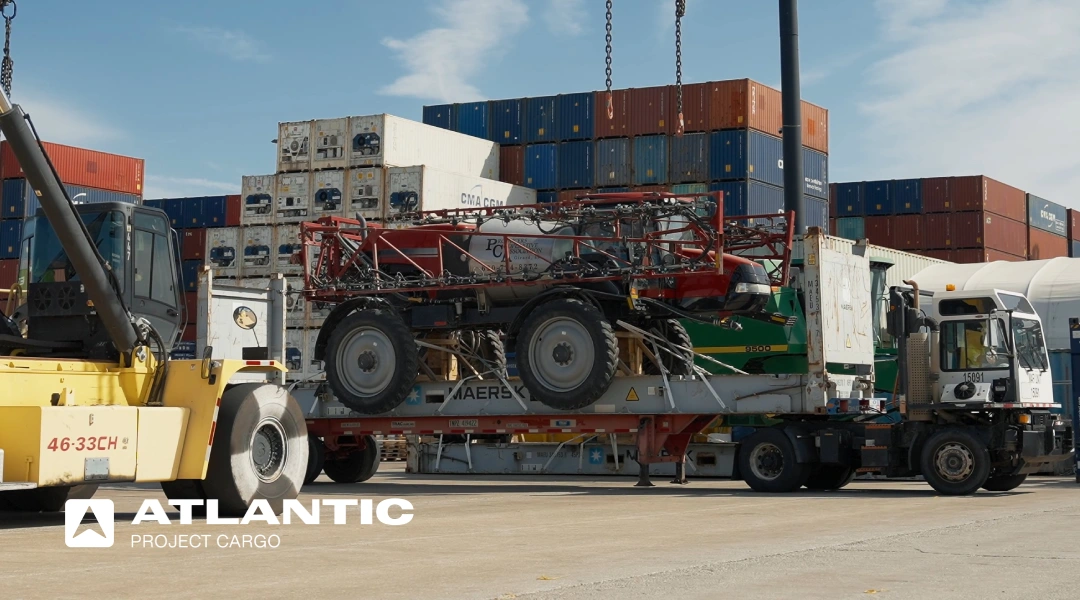
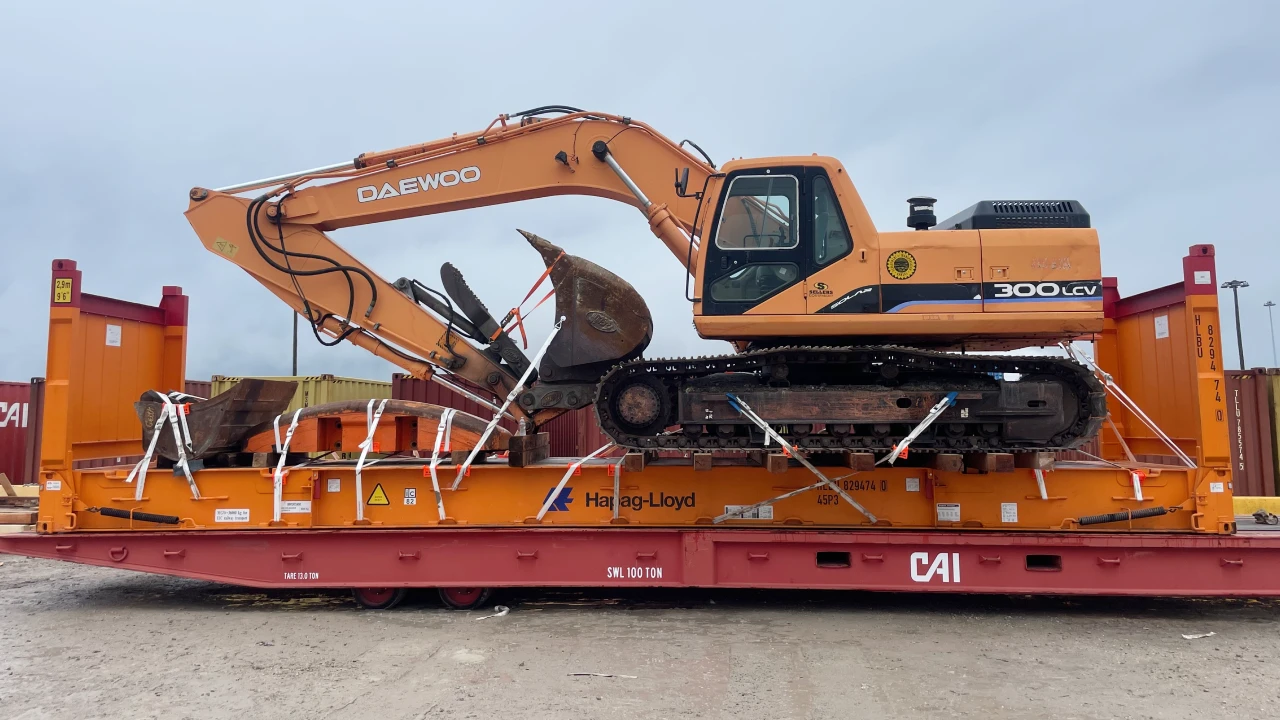
3PL vs 4PL in Heavy Equipment and Project Cargo Logistics

Industries that move oversized, high-value, or non-standard cargo face unique logistics challenges. This is where the contrast between the two models becomes especially clear.

Heavy Equipment Logistics with 3PL

A 3PL can effectively manage the operational side of heavy equipment logistics, including transport by road, sea, or rail. It can also provide warehousing and staging services, as well as coordinate port handling and basic shipment documentation. For straightforward or one-off moves, this execution-focused model can work efficiently.

However, the shipper typically retains responsibility for the broader coordination. This means managing multiple service providers, aligning transport schedules, securing permits, and overseeing compliance requirements. Risk management and contingency planning also remain internal tasks, which can become challenging as project scope and geographic reach expand.

Heavy Equipment Logistics with 4PL

In complex project cargo environments, a 4PL provides strategic oversight across multiple transport modes, jurisdictions, and stakeholders. While a 3PL focuses on execution (transport, warehousing, customs), a 4PL assumes end-to-end governance and accountability for the entire supply chain.

Multi-Modal Complexity & Compliance

Heavy equipment shipments often combine road, sea, rail, and heavy-lift operations. Each stage may require route surveys, engineering checks, special permits, customs coordination, and regulatory approvals. Fragmented management increases the risk of delays, fines, and cost overruns.

A 4PL centralizes control – aligning carriers, ports, suppliers, and site teams – reducing bottlenecks and improving visibility across all shipment stages.

Hidden Costs of Fragmentation

Managing multiple vendors independently can lead to misalignment, demurrage, duplicated services, and uninsured risk gaps. A 4PL structure reduces these hidden costs through unified coordination and risk control.

For high-value, multi-modal equipment projects, strategic oversight is critical. Hybrid logistics models supported by experienced project specialists such as Atlantic Project Cargo help ensure smoother execution, regulatory compliance, and controlled risk across complex cargo operations.

Industries That Benefit Most from 4PL

While any company can use a 4PL, certain sectors see disproportionately higher returns:

  • Manufacturing with global supplier networks
  • Energy and infrastructure projects
  • Automotive and industrial equipment
  • Aerospace and defense
  • Retail with omnichannel distribution

These industries share high complexity, regulatory exposure, and financial risk.

Industries Where 3PL Is Often Sufficient

Third-party logistics remains the optimal solution for:

  • Small to mid-sized e-commerce
  • Regional distributors
  • Seasonal or predictable shipping patterns
  • Companies with strong internal logistics teams

In these cases, adding a strategic layer may not justify the cost.

How to Choose Between 3PL and 4PL: Decision Framework

Use the checklist below to evaluate which model aligns with your business needs.

  • Do you manage more than two logistics providers?
  • Is your supply chain spread across multiple countries or regions?
  • Do you lack end-to-end shipment visibility?
  • Are logistics decisions mostly reactive?
  • Is internal coordination consuming excessive management time?
  • Do logistics failures directly impact revenue or reputation?

If most answers are “yes,” a fourth-party logistics model is likely the better fit. If most are “no,” a 3PL structure is usually sufficient.

Can Companies Use Both 3PL and 4PL?

Yes, and many do. A common structure involves:

  • A 4PL managing strategy, data, and vendors
  • Multiple 3PLs executing transportation and warehousing

This hybrid approach combines operational efficiency with strategic oversight, especially in global operations.

Get Your Free Quote Today!

Conclusion: 3PL vs 4PL Is About Complexity, Not Company Size

The debate around logistics outsourcing is often framed as a choice between cost and control. In reality, the decision between third-party and fourth-party logistics is about how much complexity your organization can manage internally.

A 3PL strengthens execution. A 4PL transforms how the supply chain is managed. Choosing correctly ensures logistics supports growth rather than becoming a constraint.

Frequently Asked Questions

Neither model is universally better. A 4PL is more suitable for complex supply chains, while a 3PL is ideal for execution-focused needs.

Yes. Many companies begin with third-party logistics and adopt a fourth-party model as complexity increases.

Over-dependence on a single strategic partner is the primary risk, which can be mitigated through governance and transparency.

No. While large organizations benefit most, mid-sized companies with complex operations can also gain value.

Read More

February 25, 2026
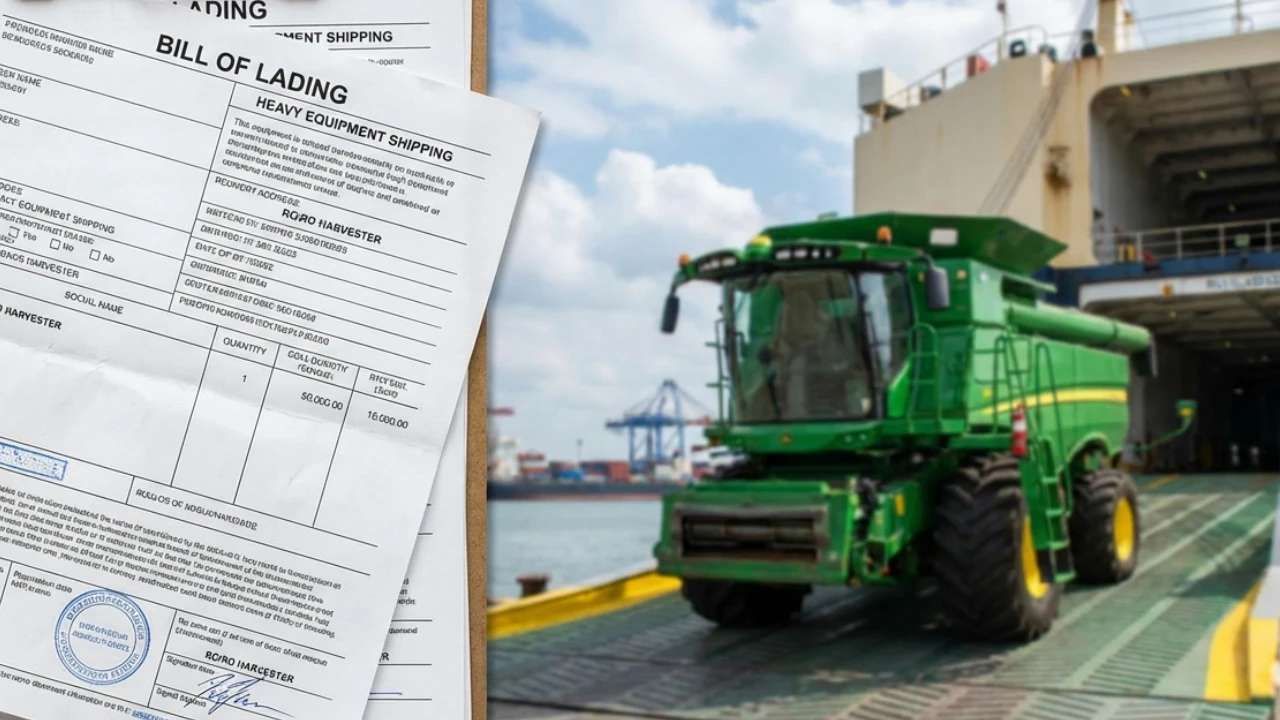
Types of Bill of Lading Explained for Heavy Equipment Shipping
A bill of lading (B/L) is one of the most fundamental documents in global shipping and logistics. It is issued by a carrier, vessel operator,...
February 6, 2026
The Modern Way to Buy Heavy Machinery
Sourcing equipment used to be a local affair. You went to a dealer, kicked the tires, and negotiated a price. But for modern businesses in...
January 26, 2026
What Is Out-of-Gauge Cargo? Understanding the Logistics of Oversized Freight
In the global supply chain, the majority of goods move seamlessly in six-sided shipping containers. These conventional containers are the industry standard, enabling easy stacking...
Share via