
Hours of operations:
9AM - 5PM / UTC -5 (EST)

The Modern Way to Buy Heavy Machinery

February 6, 2026
Shipping Quote
Customs Duties
Drayage Rate
Do you already own this equipment?

You Can Request a New Quote Every 15 Minutes

Please wait or contact us at [email protected]

Thank you for Choosing Us!

Looking to buy or sell heavy equipment?
With JumboBee, you can trade online with financing options and worldwide shipping.

Check Inventory
Calculate Import Duties
Get a free, no-obligation estimate of your import duties!
Calculate Import Duties
Get a Drayage Estimate
Get a free drayage estimate tailored to your exact needs!
Check a Drayage Rate
Home Insights The Modern Way to Buy Heavy Machinery
Reviewed by
Victoria Moseicuka Chief Operating Officer

Key Takeaways


  • Modern buyers are no longer limited to nearby dealers. Online marketplaces allow you to source equipment worldwide – from Komatsu excavators to Caterpillar dozers and loaders from Volvo and Bobcat Company – all without leaving your office.
  • High-quality listings should include service hours, serial numbers, clear photos, and accurate descriptions. Equipment location (US, Europe, Asia, etc.) directly impacts shipping costs and timelines.
  • A professional marketplace should be user-friendly, transparent, and technically reliable. Glitches, translation issues, or hidden pricing slow down decision-making and push buyers elsewhere.
  • Purchasing equipment is only part of the process. Buyers must consider transport size requirements, Incoterms, customs compliance, and insurance. Marketplaces that integrate logistics support – such as collaboration between Jumbobee and Atlantic Project Cargo – simplify the entire acquisition journey

Sourcing equipment used to be a local affair. You went to a dealer, kicked the tires, and negotiated a price. But for modern businesses in construction and agriculture, the local market is rarely enough. To find the specifications and value you need, you have to look globally.

Whether you need to buy heavy machinery for a massive infrastructure project or replace a single unit of farm equipment, the process has shifted online. Here is how to navigate the digital marketplace, avoid common pitfalls, and ensure your acquisition is efficient.

1. Sourcing the Right Inventory

The first challenge is finding the asset. When you begin your search, don’t limit yourself to general terms. Browse by manufacturers and models to filter the noise.

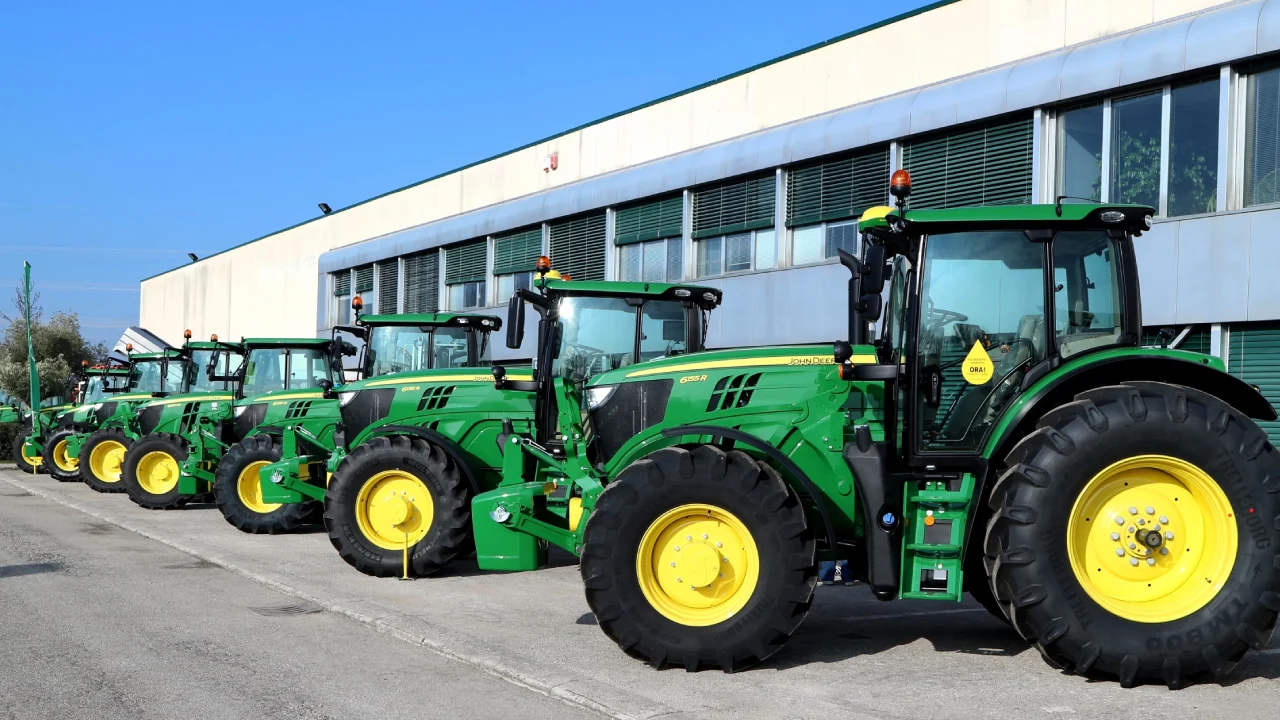
Today, you can shop a global lot from your office. You can find excavators from Komatsu, dozers from Caterpillar, or compact loaders from Volvo and Bobcat without leaving the state.

  • Look for details: High-quality listings for used equipment should include service hours, serial numbers, and clear photos.
  • Check the location: Are the items in the US, Europe, or Asia? This dictates your shipping timeline.

2. Navigating Technical Hurdles

The internet has made trade easier, but it isn’t perfect. We have all visited a website that feels broken. You might hit a temporary error when loading a gallery, or find a description that is such a linguistic puzzle it requires Google Translate just to understand the condition of the engine.

Sometimes, site glitches force you to disable Google Translate to even see the price, or you get stuck in a loop trying to view a page, eventually giving up and continuing your search elsewhere.

A professional platform should solve these issues, not create them. It should present construction items clearly, without the need to retry loading the page or decipher garbled text.

Get Your Free Quote Today!

3. Verification and Security

In this industry, trust is the currency. When high-value machines are on the line, you must protect your capital. This is where digital marketplaces differ from the Wild West of early internet classifieds.

Standard security protocols now include a security check during the sign-up process. You might encounter a prompt asking you to confirm you are “human complete” or solve a simple CAPTCHA puzzle. While this might feel like a nuisance, this step verifies that the user is real. It is designed to prevent spam and ensure a bot isn’t inflating prices or flooding the system with fake inquiries.

Buyers should look for platforms that verify sellers. Knowing that a company has gone through a background check provides peace of mind that you aren’t sending money into the void.

4. Logistics of the Heavy Equipment Sale

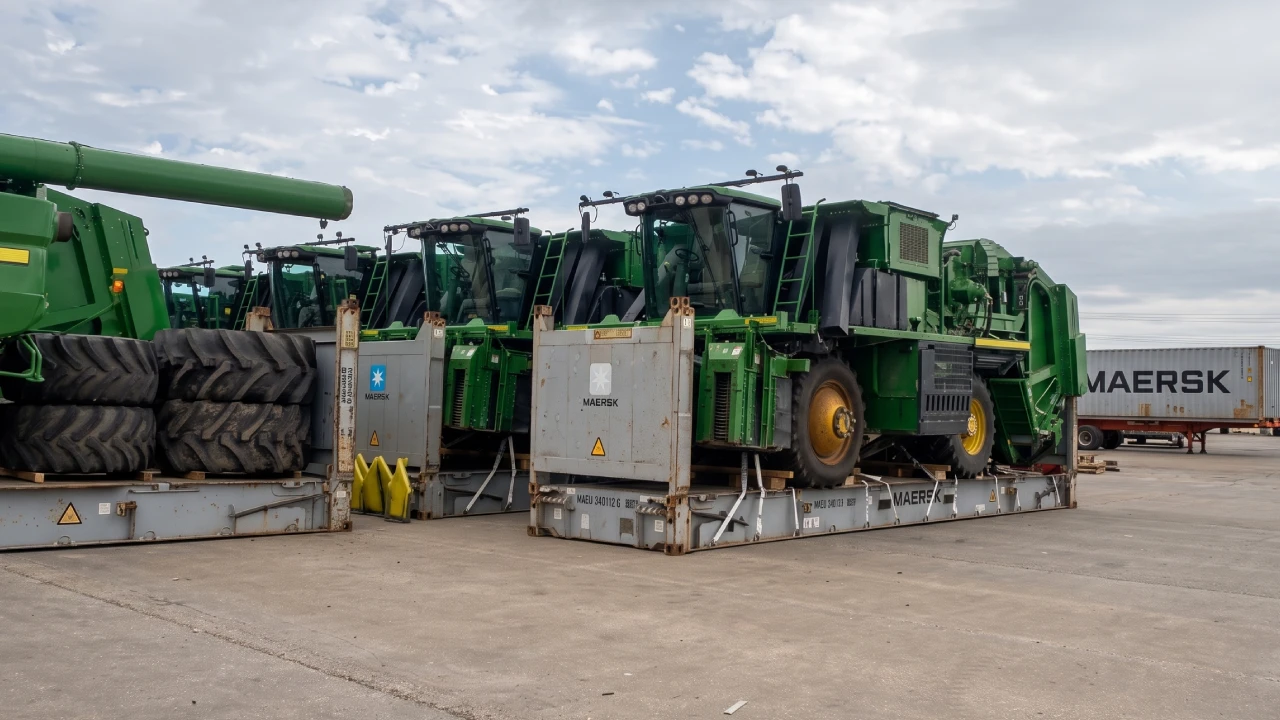
Winning the bid or agreeing on a price is only the midway point. If you buy through traditional auctioneers like Ritchie Bros, the responsibility shifts to you once the gavel falls.

Moving heavy equipment involves complex logistics:

  • Size matters: You must check if the machinery requires disassembly to fit in a container.
  • Incoterms: Understanding your rights and obligations (often listed as “ICC” terms on contracts) regarding shipping and insurance is vital.
  • Customs: Import/export compliance is required for cross-border deals.

Many buyers prefer a marketplace that can manage these logistics. The ability to request a shipping quote or handle disassembly directly through the platform removes the guesswork.

5. Moving Forward

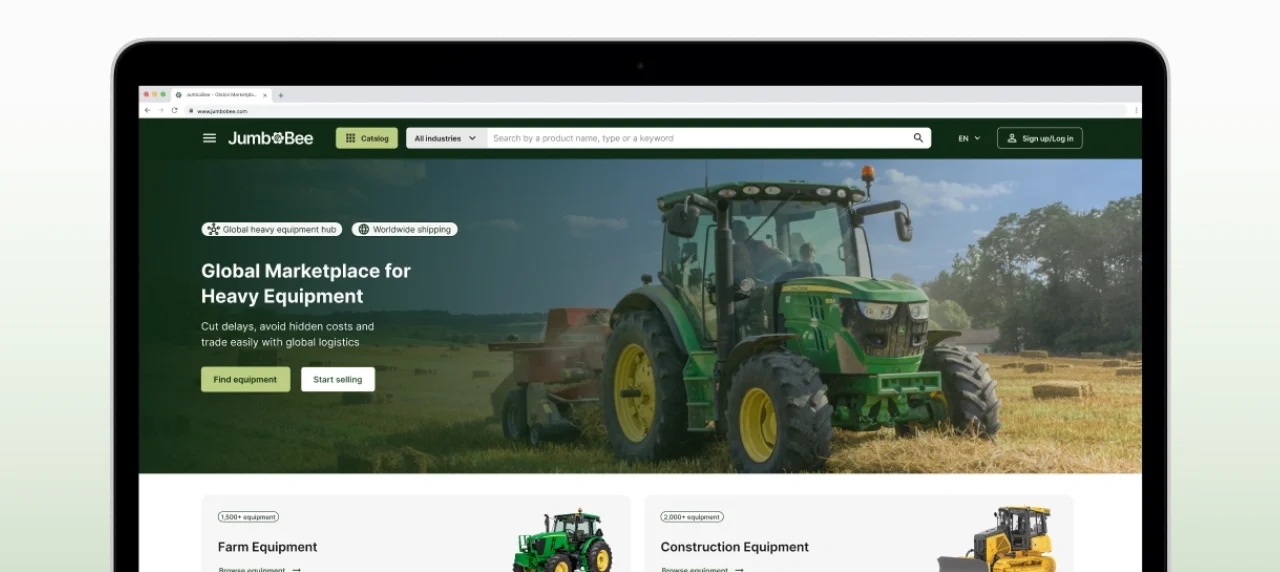
If you are ready to expand your fleet, Jumbobee marketplace is available:

  1. Create an account on this trusted platform
  2. Find the equipment that fits your job
  3. Confirm the details and request an inspection

There are many ways to buy and sell, but an organized, transparent approach always helps increase your success rate. Jumbobee works hand in hand with Atlantic Project Cargo to deliver a turn-key experience: you get access to a global marketplace of heavy equipment and over 100+ logistics experts who deliver your machines to your job site.


If you need to source equipment, feel free to explore the current inventory.

View Equipment

Read More

May 21, 2026
Port Congestion Explained: Why Shipping Delays Happen and How to Reduce Risk
A ship does not sit at anchor for two weeks because of bad luck. It sits there because somewhere between the vessel's arrival and the...
May 20, 2026
Top 10 Tractor Companies in the World
The global farm tractor market is a crucial segment of the agricultural industry, with an expected total value of around $104 billion in 2023. While...
Reviewed by
Victoria Moseicuka
May 19, 2026
Hurricane Season 2026: Why Yacht Owners Need to Move Now, Not Later
Every year, the Atlantic hurricane season catches yacht owners off guard. Storms don't wait for logistics to catch up — and neither does transport availability....
Share via