
Key Takeaways
- Breakbulk ships oversized, overweight, or irregular cargo piece by piece using cranes instead of containers.
- Choose the method by elimination: container fit, then RoRo eligibility, then flat rack limits — breakbulk is the fallback when all three fail.
- It costs more and moves slower than containers, but it’s the only way to ship things like crushers, transformers, and turbine parts.
- Accurate measurements and engineered lift/securing plans upfront prevent most costly breakbulk failures.
- Only ports with heavy-lift cranes, deep berths, and laydown yards can handle breakbulk cargo, so port choice matters.
- Breakbulk sailings are infrequent, so missing a cutoff can add weeks — build in schedule buffer.
Breakbulk shipping is the transport of cargo loaded and unloaded piece by piece rather than in containers. It handles freight too large, too heavy, or too irregularly shaped to fit inside a standard container, on a flat rack, or onto a RoRo vessel. Despite decades of containerization, breakbulk remains the backbone for heavy equipment, industrial machinery, and project cargo that will not fit any other way.
If you are moving an excavator, a generator, a wind turbine section, or a piece of mining plant, breakbulk freight is often your best option or your only one. This guide is written for anyone weighing up heavy equipment shipping: what the method is, when it beats the alternatives, how the process runs from inspection to final delivery, what drives the cost, and how to tell whether your specific machine needs it.
Quick Facts About Breakbulk Shipping
Here is the short version before we get into the details.
| Question | Answer |
|---|---|
| What is breakbulk shipping? | Cargo shipped individually, piece by piece, without containers |
| Best for | Oversized, overweight, or irregularly shaped cargo |
| Uses containers? | No |
| Uses cranes? | Yes, typically heavy-lift cranes |
| Typical cargo | Machinery, steel, generators, industrial equipment |
| Typical industries | Mining, construction, agriculture, energy, manufacturing |
Why Breakbulk Shipping Still Exists
In a containerized world, breakbulk survives because a large share of the world’s most valuable cargo was never built to fit a box. Containers standardized general freight brilliantly, yet they did nothing for a machine wider than a container door or heavier than a container floor can bear.
Five realities keep the method in constant use:
- Oversized cargo routinely exceeds the internal dimensions of a 40-foot container, which gives you just under 7’8″ of usable width and 7’10” of height to work with. A great deal of heavy equipment runs bigger than that.
- Weight limitations rule out containers for the heaviest pieces. A loaded container has a payload ceiling; a single transformer or crusher can weigh several times that on its own.
- Irregular dimensions defeat the box even when the weight would fit. A wind turbine blade or a boom section is long and awkwardly shaped, with no efficient way to enclose it.
- Ports without RoRo capability leave breakbulk as the practical route into many destinations. Not every port has a roll-on ramp, and only a subset of those can offer the heavy-lift cranes and berths breakbulk cargo actually needs.
- Cargo that fits no container at all — the refinery module, the port crane, the offshore structure — has only ever moved as breakbulk or heavy lift.
Containerization took the routine freight. Breakbulk kept everything that routine freight rules could never accommodate.
What Is Breakbulk Shipping?
In breakbulk shipping, non-containerized cargo travels as individual units, each lifted aboard a vessel one piece at a time rather than sealed inside a container and handled by standardized terminal equipment.
The term break bulk shipping comes from “breaking bulk” — separating a shipment into its individual handling units. Each unit is booked, planned, and lifted on its own terms. A machine might travel unpackaged, strapped to a steel cradle, mounted on skids, or partially crated, and it is loaded either into the vessel’s hold or secured on deck.
Four features define the method. Cargo is handled piece by piece rather than in bulk or in boxes. Loading relies on heavy-lift handling with the vessel’s own cranes or shore cranes. The operation runs through specialized port facilities with the berth space, lifting gear, and laydown area the cargo demands. And every lift is engineered in advance, because an irregular 40-ton machine cannot be handled by improvisation.
One step sets breakbulk apart from ordinary cargo handling: engineers calculate the lift points, the center of gravity, and the lashing plan before the cargo ever reaches the dock.
Breakbulk vs Bulk Cargo
These two terms sound alike, but they mean opposite things. Bulk cargo is loose and homogeneous and flows; breakbulk cargo is discrete and countable and gets lifted.
Bulk cargo is commodity material moved in enormous uniform quantities — grain, coal, crude oil, chemicals — poured or pumped directly into a vessel’s holds or tanks with no individual packaging. There are no separate pieces to count, only tonnage.
Breakbulk cargo works the opposite way: distinct manufactured items, each handled as its own unit. Machinery, steel structures, generators, and construction equipment all travel this way, lifted individually and secured individually.
| Aspect | Bulk Cargo | Breakbulk Cargo |
|---|---|---|
| Form | Loose, homogeneous (liquid, granular) | Individual, discrete units |
| Loading method | Pumped or poured | Lifted piece by piece |
| Typical cargo | Grain, coal, oil, chemicals | Machinery, steel, generators |
| Packaging | None | Crated, on skids, or unpackaged |
The distinction matters at booking time, because the two use entirely different vessels, terminals, and handling equipment. A grain terminal cannot load your excavator, and a project cargo berth is not set up to pour soybeans.
Breakbulk vs Container Shipping
Container shipping wins on cost and speed for anything that fits a box; breakbulk wins the moment your cargo does not. The choice is rarely about preference — it is about whether the machine physically fits and what the destination port can handle.
Containers move through a highly standardized global system. Cranes, chassis, terminals, and vessels are all built to the same dimensions, which keeps per-unit costs low and handling fast. That efficiency depends entirely on the cargo conforming to container size and weight limits.
In exchange for that standardized efficiency, breakbulk carries almost anything. You pay more per shipment and accept slower handling, and in return the size and weight ceilings largely disappear.
| Factor | Breakbulk | Container |
|---|---|---|
| Cargo size | No standard size limit | Limited to container dimensions |
| Cost | Generally higher per shipment | Generally lower for standard cargo |
| Loading | Crane, piece by piece | Standardized terminal handling |
| Port requirements | Heavy-lift cranes, project cargo berths | Standard container terminal |
| Best for | Oversized, heavy, irregular cargo | Palletized or boxed standard cargo |
One compliance point works in breakbulk’s favor. The SOLAS Verified Gross Mass rule, which requires a certified weight before loading, applies to packed containers rather than breakbulk cargo — breakbulk is exempt unless the cargo travels inside a container. It is a small administrative difference, but a real one.
Breakbulk vs RoRo Shipping
RoRo and breakbulk both carry heavy machinery, and the deciding question is simple: can the cargo drive? RoRo means roll-on, roll-off — the machine is driven up a ramp onto the vessel under its own power. Breakbulk means the machine is craned aboard.
RoRo shipping is usually the better choice when the cargo qualifies for it:
- The machine is self-propelled or wheeled and can move under its own power
- It can safely drive on and off the vessel via the ramp
- It needs no specialized lifting to load
Breakbulk becomes the right answer when RoRo runs out of room:
- The cargo is non-running or non-wheeled and cannot drive aboard
- It exceeds the RoRo ramp’s weight or dimension limits
- It requires a crane lift rather than a drive-on
A working wheel loader is a natural RoRo candidate. The same loader with a seized transmission, or a crusher that has no wheels at all, has to be lifted — which puts it on a breakbulk vessel.
Breakbulk vs Flat Rack Containers
Flat rack shipping is the middle ground between a container and full breakbulk: an open container-sized platform that a machine is craned onto and lashed down. It suits cargo that is too big for a closed container but still within crane and platform limits. Past those limits, breakbulk takes over.
| Factor | Flat Rack | Breakbulk |
|---|---|---|
| Size limit | Constrained by flat rack dimensions | No standard size limit |
| Weight limit | Limited by flat rack and crane capacity | Can accommodate very heavy cargo |
| Handling | Container crane | Heavy-lift crane, engineered lifting |
| Best for | Moderately oversized cargo | Extremely large or heavy project cargo |
Flat rack reaches its limit in three places. A flat rack platform has fixed outer dimensions, so cargo that overhangs too far in every direction stops being practical. It has a rated weight capacity, and the very heaviest pieces exceed it. And it still moves through container cranes and container terminals, which have their own lifting ceilings. When a machine outgrows any of those three, breakbulk with a heavy-lift crane is the next step up.
How to Decide If Your Cargo Requires Breakbulk
Work through four questions in order. Each one narrows the options, and the answers point to a clear recommendation.
- Does the cargo exceed standard container dimensions? If no, a container or flat rack is likely your most economical route, and you can stop here. If yes, continue.
- Can it drive onto a RoRo vessel under its own power? If yes, RoRo is usually the better fit. If no, continue.
- Does it stay within flat rack size and weight limits? If yes, a flat rack may handle it. If no, continue.
- Does it require heavy-lift cranes and engineered lifting? If yes, the recommended method is breakbulk.
Each question tests one thing. Here is the logic, with a machine worked through it.
Question one — container dimensions. A standard 40-foot container gives you about 7’8″ of internal width and 7’10” of internal height. Measure the machine at its widest and tallest points, including anything that cannot be removed. A compact skid steer may slip inside; a full-size 25-ton excavator, wider and taller than the container opening, will not come close. If it fits, stop here and ship it in a container or on a flat rack, because either will cost less than breakbulk. If it does not fit, keep going.
Question two — can it drive aboard? RoRo vessels load by having the machine drive up a ramp under its own power, so the test is whether the unit runs, steers, and brakes, and whether it clears the ramp’s height and axle-weight limits. A working wheel loader passes. A loader with a dead engine, or a machine with no wheels at all, fails and must be lifted instead.
Question three — flat rack limits. A flat rack carries oversized cargo that a crane sets down onto an open platform, but the platform has fixed outer dimensions and a rated weight ceiling, and it still moves through container cranes. A mid-size dozer may fit within those limits; a 90-ton mining excavator overruns them on both weight and size.
Question four — heavy-lift requirement. If the machine has failed the first three tests, the last question confirms the obvious: it needs a heavy-lift crane and an engineered lift plan to move at all. That is the definition of a breakbulk shipment.
Reaching the bottom means the cargo is too large for a container, cannot drive aboard a RoRo vessel, exceeds flat rack limits, and needs an engineered crane lift. Breakbulk exists for that exact combination. Stopping earlier means a cheaper or faster method probably fits, and a good freight forwarder will confirm which one before you book.
How Breakbulk Shipping Works
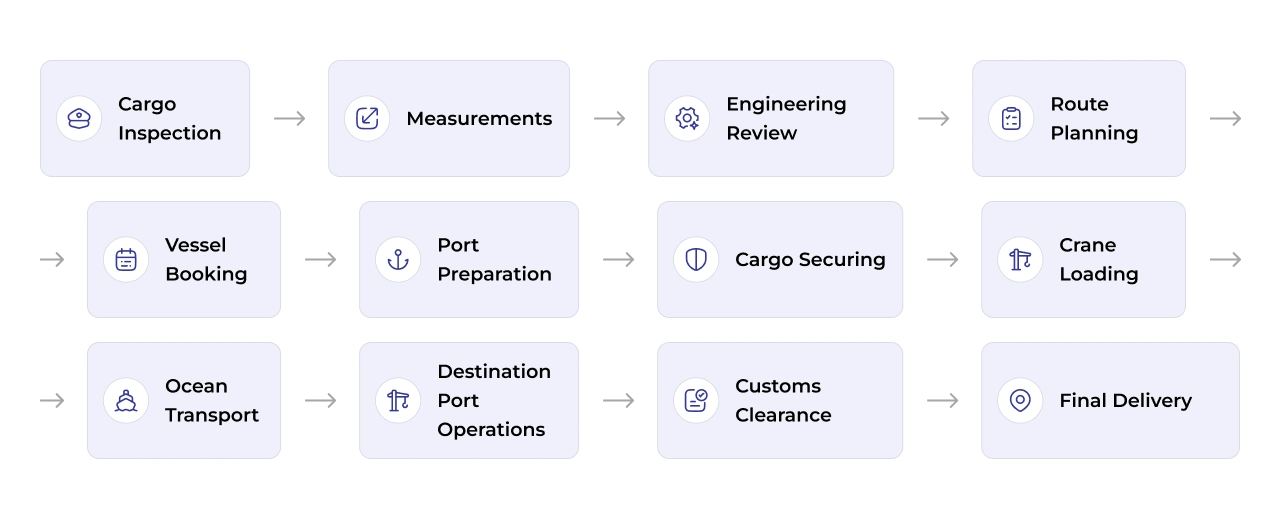
Breakbulk runs as a planned sequence, not a booking you drop off at a terminal. Because each piece is unique, the planning happens up front, well before the cargo reaches the dock.
The early stages carry the most weight. Inspection and measurement establish dimensions, weight, and center of gravity — the figures every later decision depends on, which is why guessed measurements cause so many downstream failures. Engineering review determines lift points, cradle needs, and the lashing plan. Route planning confirms the cargo can physically move from origin to berth to destination, including road clearances and any inland permits.
From there the shipment moves into execution. A forwarder books suitable vessel space, prepares the port and paperwork, and secures the cargo to the engineered plan. Heavy-lift cranes load each piece, the vessel carries it, and the destination port reverses the process: discharge, customs clearance, and the final inland leg to the site. Skip or rush the front-end engineering and problems surface at the crane, where they cost far more to fix.
Breakbulk Vessel Types
Breakbulk and project cargo move on several vessel classes, matched to how heavy and how awkward the cargo is.
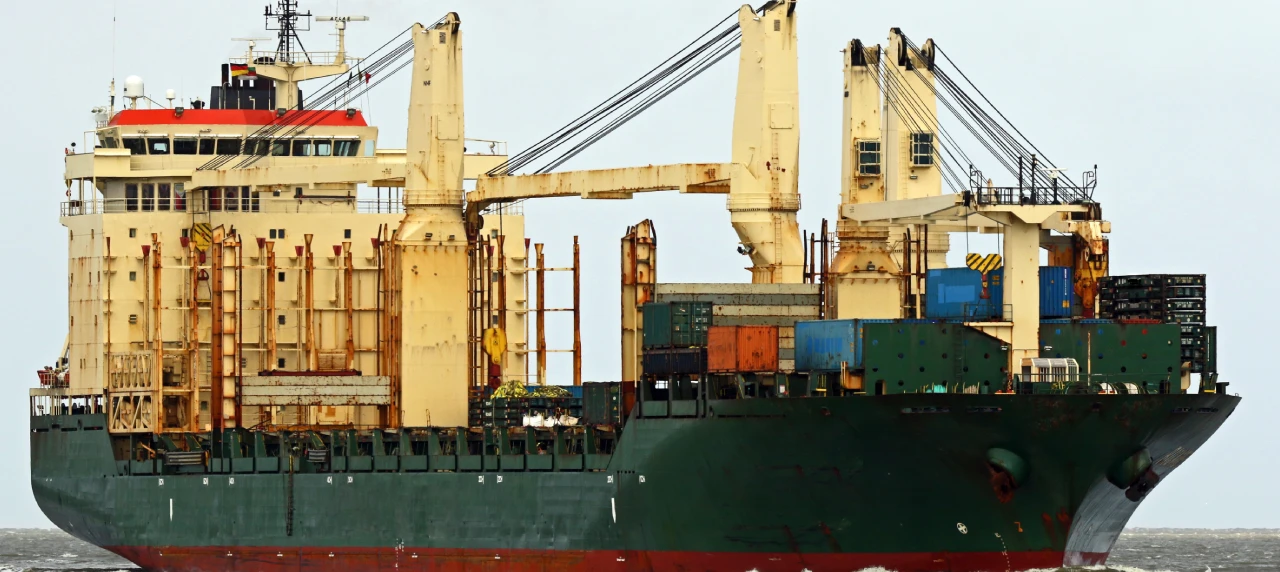
- Multipurpose vessels (MPVs) are the workhorses of the trade. They carry breakbulk, containers, and heavy-lift pieces together, using onboard cranes and adjustable decks, and they handle the bulk of general heavy equipment shipments.
- Heavy-lift vessels are purpose-built for exceptionally heavy or oversized pieces, fitted with cranes that lift several hundred tonnes and sometimes far more. They carry the cargo that ordinary ship’s gear cannot manage — heavy lift cargo generally meaning single pieces above roughly 100 metric tons.
- General cargo vessels handle smaller breakbulk and steel, typically with lighter onboard gear in the 25-to-50-tonne range near the hatch.
- Semi-submersible vessels submerge their deck below the waterline so that floating cargo can be positioned over it, then deballast to lift the cargo out of the water. They carry the extreme cases — oil rigs, other vessels, and outsized offshore structures.
Matching the vessel to the cargo is part of the engineering job. A transformer that needs a 300-tonne lift cannot sail on a vessel whose cranes top out at 80.
Typical Breakbulk Cargo
If a machine is large, heavy, or oddly shaped, it tends to end up as breakbulk. Common examples span every heavy industry:
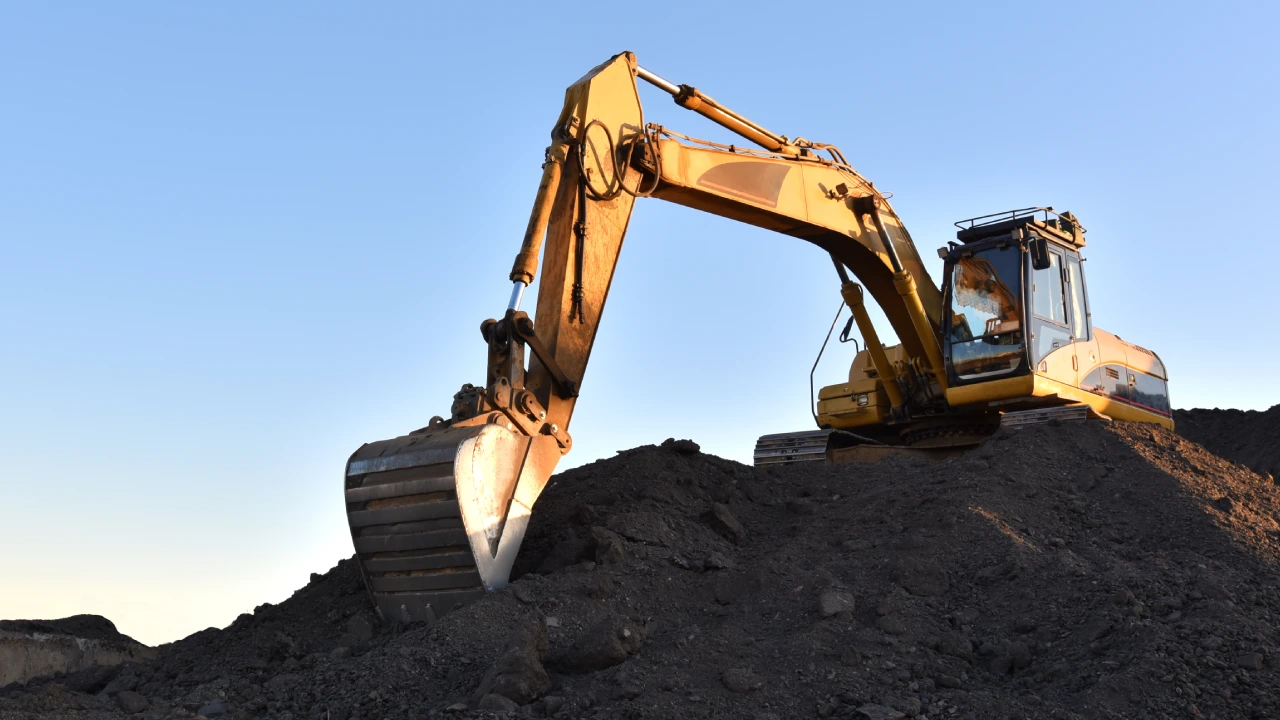
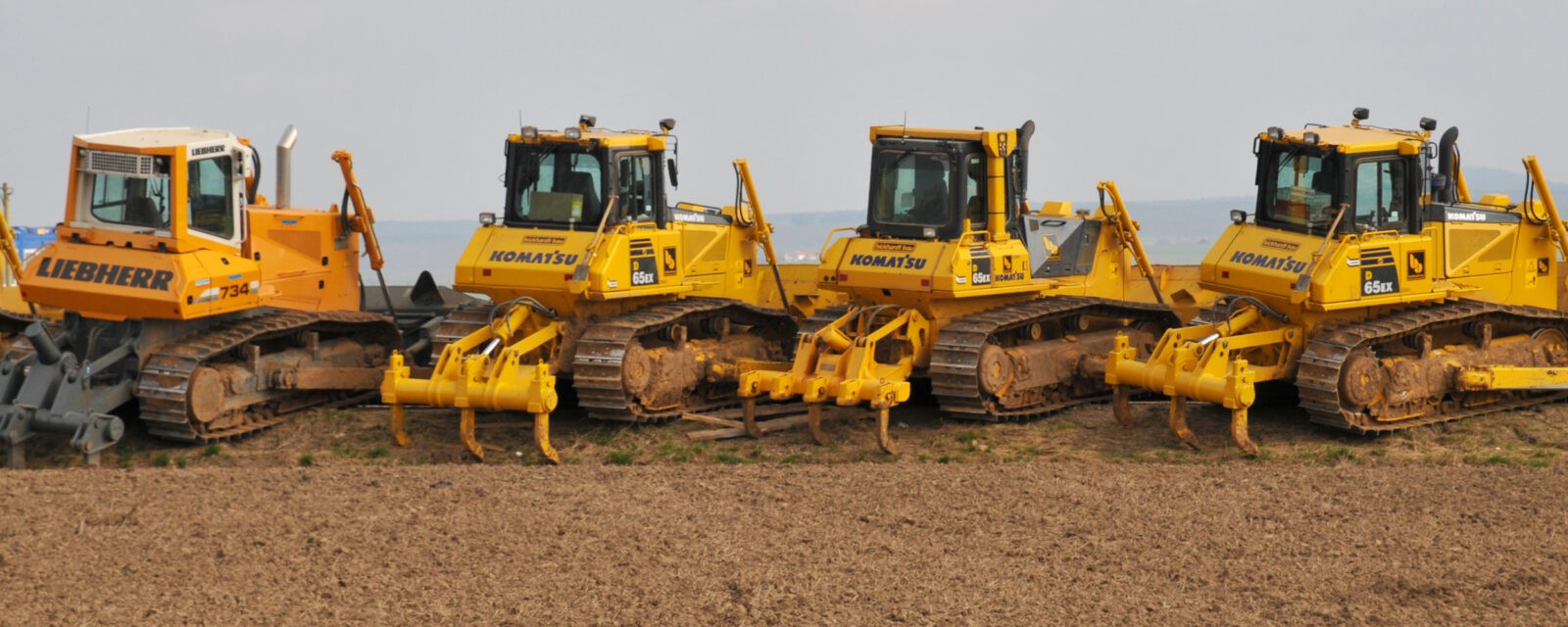
- Excavators and bulldozers
- Tractors and combines
- Mining haul trucks and crushers
- Mobile and crawler cranes
- Wind turbine blades, towers, and nacelles
- Power transformers and generators
- Fabricated steel structures
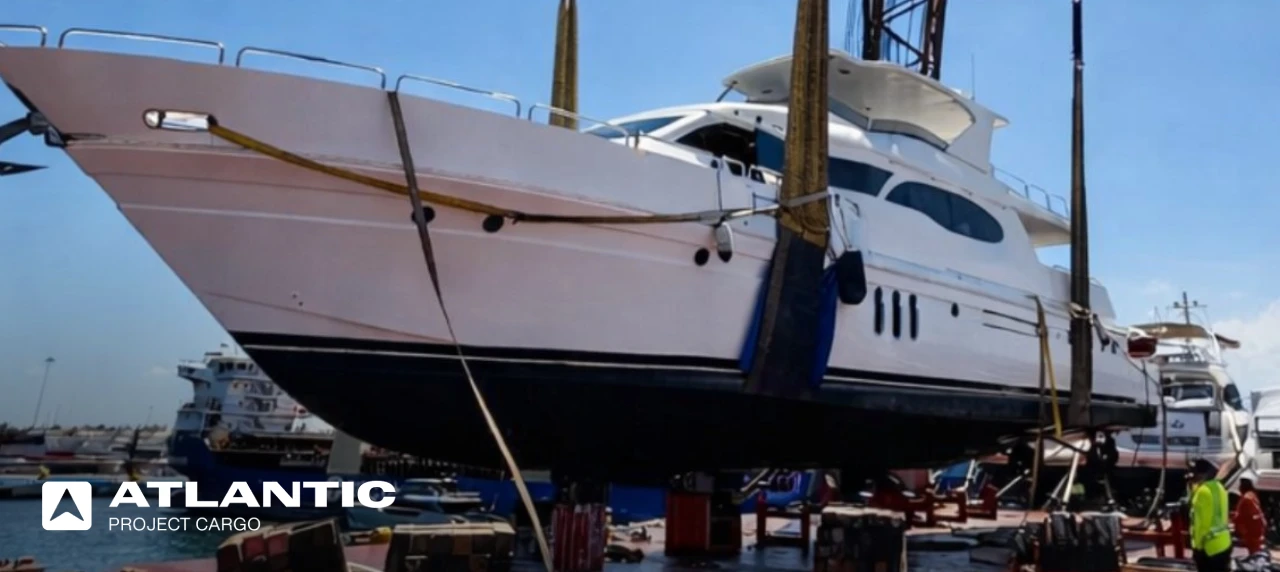
- Boats and yachts
- Industrial machinery and process modules
The through-line is straightforward. Each of these either exceeds container limits, cannot drive onto a RoRo vessel, or needs a crane to handle, which is exactly what the decision tree above walks through.
Industries That Use Breakbulk Shipping
Breakbulk is the backbone of moving capital equipment across every sector that runs heavy machinery.
| Industry | Typical Cargo |
|---|---|
| Mining | Crushers, haul trucks |
| Agriculture | Combines, tractors |
| Construction | Excavators, cranes |
| Oil & Gas | Modules, generators |
| Energy | Transformers, turbine components |
| Manufacturing | Industrial machinery |
These sectors share a common problem: their equipment is expensive, hard to replace, and built at industrial scale rather than container scale. When a mine needs a crusher moved or a wind farm needs turbine sections delivered, the equipment travels breakbulk.
Cargo Securing for Breakbulk
Good securing protects the cargo, the crew, and the vessel; bad securing puts all three at risk. A machine that shifts in an ocean swell can damage itself, the cargo around it, or the ship, so every piece is locked to the deck with an engineered system rather than a rough guess.
The toolkit combines several methods:
- Chains anchor heavy machines to deck points and take enormous tension
- Wire ropes restrain cargo that chains cannot conform to
- Slings distribute lifting and securing loads across the cargo’s rated points
- Timber blocking wedges against the cargo to stop it sliding
- Lashing systems tie the whole arrangement together to the stowage plan
- Welded supports are fabricated for the heaviest or most awkward pieces, where standard lashing is not enough
The reason this matters is physical. A vessel rolls and pitches continuously for days or weeks, and a poorly secured 40-ton machine develops tremendous force once it starts to move. Engineers size the securing to each machine’s weight and center of gravity for that reason. Get it right and the machine arrives ready to work; get it wrong and it arrives damaged.
Ports That Handle Breakbulk Cargo
Not every port can take breakbulk. A working breakbulk terminal needs specific infrastructure that container-only terminals do not have.
A breakbulk-capable port needs several things at once: heavy-lift cranes rated for the cargo, deep-water berths for the vessels, storage and laydown yards for staging oversized pieces, dedicated project cargo terminals built for the purpose, and customs capabilities experienced with this kind of freight. Missing any one of them can stall a shipment on the dock.
Ports well known for breakbulk and project cargo handling include the Port of Houston, the Port of Baltimore, Jebel Ali in the UAE, the Port of Brisbane in Australia, and Port San Antonio in Chile. Choosing the discharge port is part of planning the move — routing a heavy machine to a port that cannot lift it is a costly mistake, and one that surfaces only after the cargo has already sailed.
Advantages of Breakbulk Shipping
Breakbulk earns its place through capability that other methods cannot match:
- No container size limitations, so cargo dimensions stop being the binding constraint
- Heavy-lift capability for pieces weighing tens or hundreds of tonnes
- Suitability for irregular cargo that no box could ever enclose
- Flexible loading into the hold or onto the deck as the cargo requires
- A natural fit for project cargo, where oversized and overweight pieces are the norm
For the cargo it is built for, breakbulk is no compromise. It makes the shipment possible in the first place.
Limitations of Breakbulk Shipping
The same characteristics that give breakbulk its capability also give it real drawbacks, and an honest plan accounts for them:
- Higher handling costs, since crane lifts and specialized labor cost more than standardized container handling
- Longer loading times, because piece-by-piece lifting is slower than plugging boxes into a cell guide
- Weather exposure for deck cargo, which sees more sea and salt than an enclosed container
- Port dependency, since only equipped ports can handle the cargo
- Specialized equipment requirements at both ends of the voyage
None of these rules breakbulk out for cargo that needs it. They are the cost of moving machinery that no other method can carry, and knowing them up front keeps the budget and the schedule realistic.
When Should You Choose Breakbulk?
Use this table as a starting point. It reflects how these machines typically move, though the final call always depends on the specific unit’s dimensions, weight, and running condition.
| Cargo | Typical Recommended Method |
|---|---|
| Tractor | RoRo if running; flat rack or breakbulk if oversized or non-running |
| Excavator | Flat rack for mid-size; breakbulk for large or heavy units |
| Bulldozer | Flat rack or breakbulk, depending on size and weight |
| Generator | Breakbulk, sized to weight and dimensions |
| Crusher | Breakbulk, usually a heavy-lift requirement |
| Wind turbine | Breakbulk or specialized heavy lift |
| Steel structure | Breakbulk, handled as fabricated sections |
| Yacht | Breakbulk or specialized heavy lift |
The pattern is consistent with everything above. Machines that run and fit lean toward RoRo or flat rack; machines that are heavy, oversized, or non-running move breakbulk. When a single unit sits on the border between two methods, its exact measurements decide it.
Breakbulk Shipping Timeline
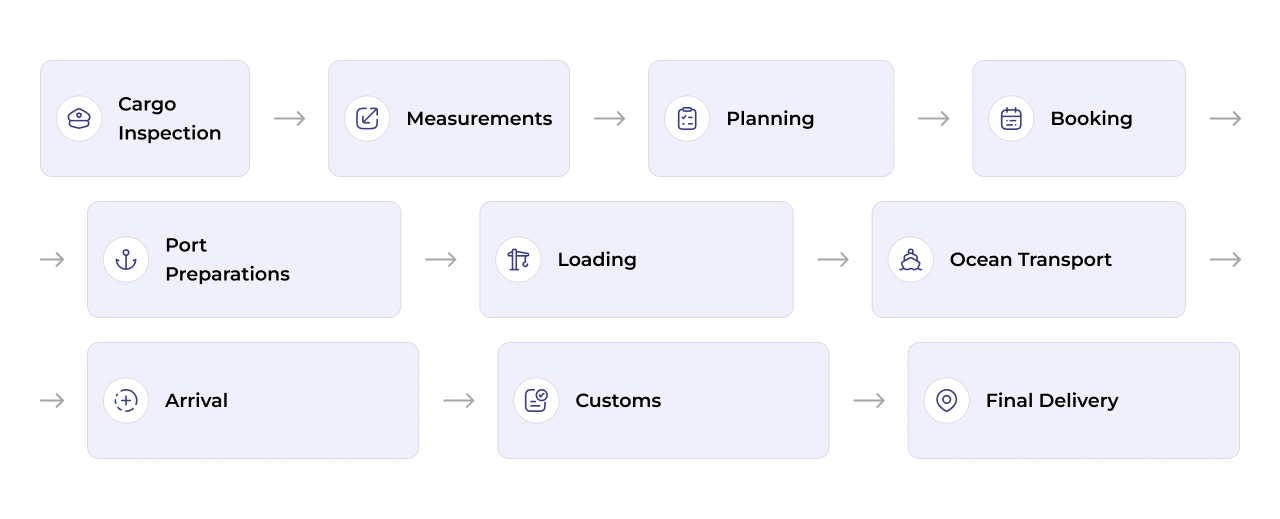
A breakbulk move runs through the same milestones every time, from first assessment to delivered machine.
Every milestone is a distinct piece of work, and seeing what each one involves shows where the time goes.
- Cargo inspection confirms the machine’s condition and how it will be handled — whether it runs, where it can be lifted, and what has to come off before shipping.
- Measurements capture verified length, width, height, and weight. These numbers feed the vessel booking, the crane selection, and the customs paperwork, so an error here reappears at every later stage.
- Planning covers the engineering and routing: lift points, the lashing plan, and confirmation that the machine can physically travel from origin to port to final site, permits included.
- Booking secures space on a vessel whose cranes and deck suit the cargo. Because suitable sailings are limited, this step often sets the pace of the whole move.
- Port operations stage the machine at the terminal, position it, and prepare it for the lift.
- Loading is the crane work itself — each piece lifted aboard and secured to the engineered plan.
- Ocean freight is the sea voyage, its length set by the route and any transshipment.
- Arrival brings discharge at the destination port, reversing the loading operation.
- Customs clears the machine for import, which is faster when documentation is complete and consistent.
- Final delivery is the inland leg by heavy haul to the job site.
The elapsed time depends on the cargo, the route, and vessel schedules, so a firm timeline comes with the quote rather than from a template. One scheduling reality is worth planning around: breakbulk and heavy-lift sailings on a given lane run far less often than container services, so missing a vessel cutoff can mean waiting weeks for the next suitable ship. Building slack around the sailing date protects the whole schedule.
Breakbulk Shipping Costs
Breakbulk is priced per shipment against the specific cargo, not off a fixed rate card, because no two oversized pieces are quite alike. Several factors drive the total:
- Cargo dimensions, which determine how much vessel space and deck area the piece occupies
- Weight, which dictates the lifting equipment and can trigger heavy-lift surcharges
- Lifting equipment, since a 300-tonne crane costs more to deploy than an 80-tonne one
- Port charges at both the load and discharge ends
- Terminal handling for the crane work and cargo movement
- Storage if the cargo waits at the terminal for its vessel
- Documentation for export, import, and any specialized cargo paperwork
- Customs duties and clearance at destination
- Inland transportation by heavy haul on both ends of the ocean leg
Because these variables move independently, two machines of similar weight can carry very different costs — one might be a straightforward lift onto a frequent service, the other an awkward piece needing a larger crane and a rarer sailing. Our guide to heavy equipment freight charges breaks the components down further, and every quote is built against the actual cargo rather than an estimate.
Common Mistakes
A handful of avoidable errors cause most breakbulk problems, and every one of them traces back to the planning stage:
- Incorrect dimensions, which cascade into the wrong vessel, the wrong crane, and a blown booking
- Choosing the wrong transport method, such as forcing a machine that needs breakbulk transport onto an unsuitable service
- Poor cargo preparation, leaving a machine unready for lifting or lashing
- Weak cargo securing, which risks damage in transit
- Missing permits for oversized road movement or specialized cargo
- Selecting an unsuitable destination port that cannot lift or clear the cargo
The common thread is front-end diligence. Almost every expensive breakbulk failure was locked in before the cargo ever reached the water, which is why the inspection, measurement, and engineering steps come first.
Breakbulk Shipping Checklist
Run through these before you book. Each item heads off one of the mistakes above.
- Measure the cargo precisely — length, width, height, and weight, verified rather than estimated
- Confirm the lifting points with the manufacturer or an engineer
- Verify the destination port can handle the cargo’s size and weight
- Prepare export documentation in full and consistent across every form
- Check permit requirements for oversized transport at both ends
- Choose a freight forwarder experienced in breakbulk and project cargo
Clear this list before booking and a complex move becomes a predictable one.
How Atlantic Project Cargo Chooses Between Breakbulk, RoRo & Flat Rack
The right method comes from the cargo, not from a preference for one service over another. We assess each machine on its dimensions, weight, running condition, and destination infrastructure, then match it to the option that moves it safely at the best cost.
| Cargo | Typical Best Method | Why |
|---|---|---|
| Tractor | RoRo when running | Drives aboard under its own power, avoiding crane costs |
| Excavator | Flat rack or breakbulk | Depends on size; large units need engineered lifting |
| Mining truck | Breakbulk | Heavy and oversized, well beyond RoRo and flat rack limits |
| Crusher | Breakbulk | Non-wheeled and very heavy, a clear heavy-lift case |
| Generator | Breakbulk | Weight and dimensions call for crane handling |
| Wind turbine | Breakbulk or heavy lift | Extreme length and weight require specialized vessels |
The logic is the same one this guide has followed throughout. A running, in-gauge machine leans toward RoRo or flat rack; a heavy, oversized, or non-running machine moves breakbulk. Where a unit falls between the two, its exact specification settles it — which is why we confirm the numbers before recommending an approach.
Frequently Asked Questions
Breakbulk shipping is the transport of cargo loaded and unloaded individually, piece by piece, rather than sealed in containers. It moves oversized, overweight, and irregularly shaped freight (heavy equipment, machinery, steel, and project cargo) using heavy-lift cranes rather than standardized container handling.
Because a large share of heavy and high-value cargo does not fit a container. Machines that exceed container dimensions or weight limits, cannot drive onto a RoRo vessel, or need a crane lift have no standardized alternative. Containerization absorbed routine freight and left breakbulk everything routine freight rules could not accommodate.
Generally no. For cargo that fits a container, containers are cheaper and faster thanks to a fully standardized global system. Breakbulk costs more per shipment and loads more slowly, but it carries cargo that no container could hold. The comparison only matters for cargo that could plausibly go either way.
Neither is universally better; it depends on whether the cargo can drive. Running, wheeled machines usually suit RoRo, which avoids crane costs. Non-running, non-wheeled, or extremely heavy machines that need lifting move breakbulk. The machine’s condition and dimensions decide it.
Excavators, bulldozers, mining trucks, crushers, cranes, generators, transformers, wind turbine components, fabricated steel, industrial machinery, and boats. In short, anything too large, too heavy, or too irregular for a container, RoRo vessel, or flat rack.
Ports with heavy-lift cranes, deep-water berths, laydown yards, project cargo terminals, and experienced customs handling. Well-known examples include Houston, Baltimore, Jebel Ali, Brisbane, and Port San Antonio in Chile. Confirming the discharge port’s capability is part of planning any breakbulk move.
With an engineered system of chains, wire ropes, slings, timber blocking, lashing arrangements, and, for the heaviest pieces, welded supports. The securing plan is calculated against each machine’s weight and center of gravity, because a vessel rolls continuously and an unsecured heavy machine develops enormous force once it shifts.
It varies with the cargo, the route, and vessel schedules, so the timeline comes with the quote. One factor to plan around: breakbulk and heavy-lift sailings run far less often than container services, so missing a cutoff can add weeks. Building slack around the sailing date is wise.
Request a Customized Shipping Quote
Every breakbulk shipment is engineered around the specific machine, which is why the most useful next step is a quote built on your actual cargo rather than a rate off a chart. Send us the equipment type, dimensions, weight, condition, and destination, and we will recommend the method that fits and price the full move.
Atlantic Project Cargo handles breakbulk shipping and breakbulk logistics, heavy equipment transport, project cargo, heavy lift, ocean freight, customs clearance, and door-to-door delivery as one coordinated service.
Get Your Free Quote Today!
Read More
Victoria Moseicuka
Nick Yadryshnikov
Nick Yadryshnikov