




Hours of operations:
9AM - 5PM / UTC -5 (EST)

Shipping Container Types and Sizes: Complete Guide for 2026

August 16, 2026
Shipping Quote
Customs Duties
Drayage Rate
Do you already own this equipment?

You Can Request a New Quote Every 15 Minutes

Please wait or contact us at [email protected]

Thank you for Choosing Us!

Looking to buy or sell heavy equipment?
With JumboBee, you can trade online with financing options and worldwide shipping.

Check Inventory
Calculate Import Duties
Get a free, no-obligation estimate of your import duties!
Calculate Import Duties
Get a Drayage Estimate
Get a free drayage estimate tailored to your exact needs!
Check a Drayage Rate
Home Insights Shipping Container Types and Sizes: Complete Guide for 2026
Reviewed by
Victoria Moseicuka Chief Operating Officer

Key Takeaways


  • Shipping containers are built for multimodal transport. Different cargo requires different container types.
  • Container size directly affects shipping capacity.
  • Oversized cargo needs specialized solutions.
  • Temperature-sensitive goods require controlled conditions.
  • Choosing the right container is critical to shipping efficiency.

How to Choose the Right Shipping Container

Selecting the correct equipment prevents cargo damage and avoids wasted money. You must evaluate five specific logistical factors before booking your freight.

Cargo type dictates whether you need dry, refrigerated, or open-top units. Standard boxes work well for boxed goods, while oversized equipment needs specialized flat racks.

Dimensions determine if goods physically fit through standard doors. Cargo height and width must leave enough clearance for forklifts to operate safely during loading.

Weight limits decide if you max out payload before filling interior volume. Dense materials like tile or steel parts often hit maximum weight limits inside smaller boxes, leaving empty space you cannot use.

Route impacts equipment availability. Major trade lanes have plenty of specialized units, but smaller destination ports might lack handling equipment for heavy flat racks or open-top units.

Budget forces a choice between standard units and specialized equipment. Standard boxes cost significantly less to ship than specialized out-of-gauge equipment.

Ready to move your cargo?

Get Your Free Quote Today!

What Are Shipping Containers

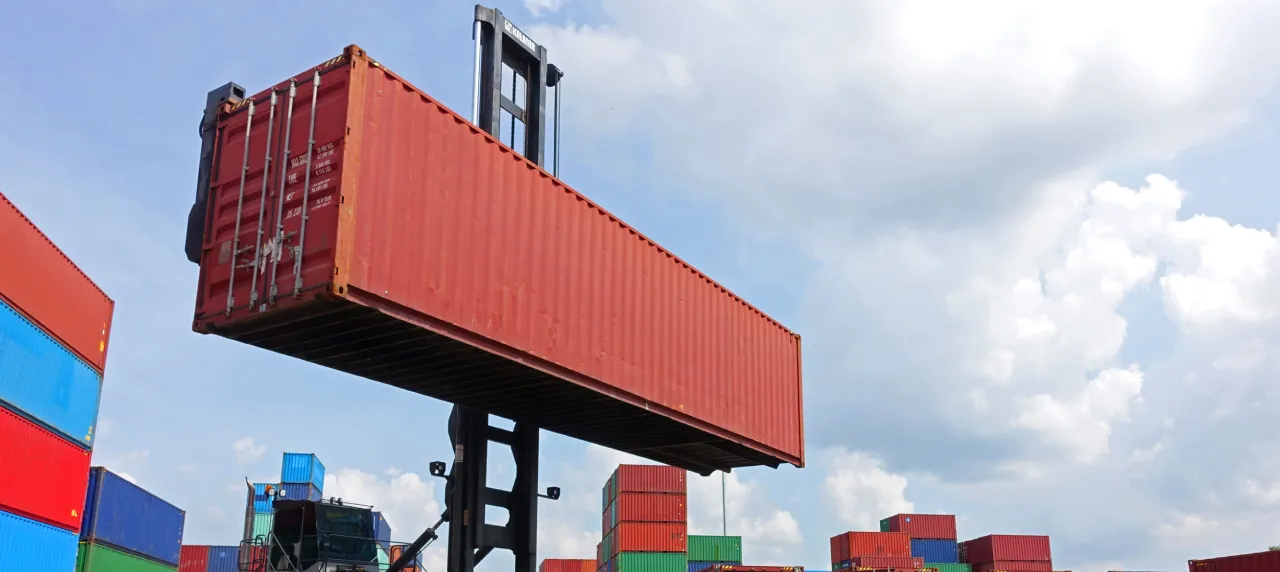
Shipping containers function as standardized steel boxes built to move cargo across oceans, railways, and highways without unloading the goods inside. Manufacturers build them from marine-grade weathering steel to withstand harsh saltwater environments, extreme temperatures, and heavy physical impacts during transit.

Modern global logistics relies entirely on these standardized units. Because every major port, truck chassis, and railcar uses the exact same locking mechanisms and size standards, cargo moves seamlessly from a factory in Europe to a warehouse in South America.

ISO standards ensure every unit meets strict requirements for structural integrity, corner casting strength, and weight capacity. This intermodal system eliminates manual unloading between transport modes, reducing transit times and lowering overall logistics expenses.

Shipping Container Types

Equipment selection depends entirely on cargo characteristics and logistics requirements. Understanding different shipping container types helps you avoid costly delays and loading failures.

Standard (Dry) Containers

Fully enclosed steel boxes with rigid roofs, side walls, and floors. Doors open at one end.

When used: Moving general, non-perishable goods across standard ocean and land routes.

Suitable cargo: Electronics, textiles, packaged foods, automotive parts, and retail merchandise.

Limitations: Fixed door height restricts loading of tall items. No temperature control.

Typical use case: Shipping palletized boxes of consumer goods from overseas factories to distribution centers.

When not recommended: Moving items requiring refrigeration, or items taller than about 7.5 feet – the door opening height is shorter than the 7.8-foot internal ceiling height.

Common mistake: Failing to distribute weight evenly across the wooden floor, causing structural stress.

High Cube Containers

Identical to standard dry boxes but built exactly one foot taller.

When used: Maximizing cargo volume for lighter, bulkier goods without increasing the footprint.

Suitable cargo: Furniture, large appliances, clothing, and lightweight building materials.

Limitations: Taller height can cause clearance issues on certain inland truck routes with low bridges.

Typical use case: Loading tall stacks of lightweight retail boxes to maximize shipping container sizes.

When not recommended: Shipping extremely dense, heavy materials where weight limits are reached before filling the extra volume.

Common mistake: Assuming high cubes hold more weight. They hold more volume, but the maximum payload weight remains nearly identical to standard boxes.

Reefer Containers

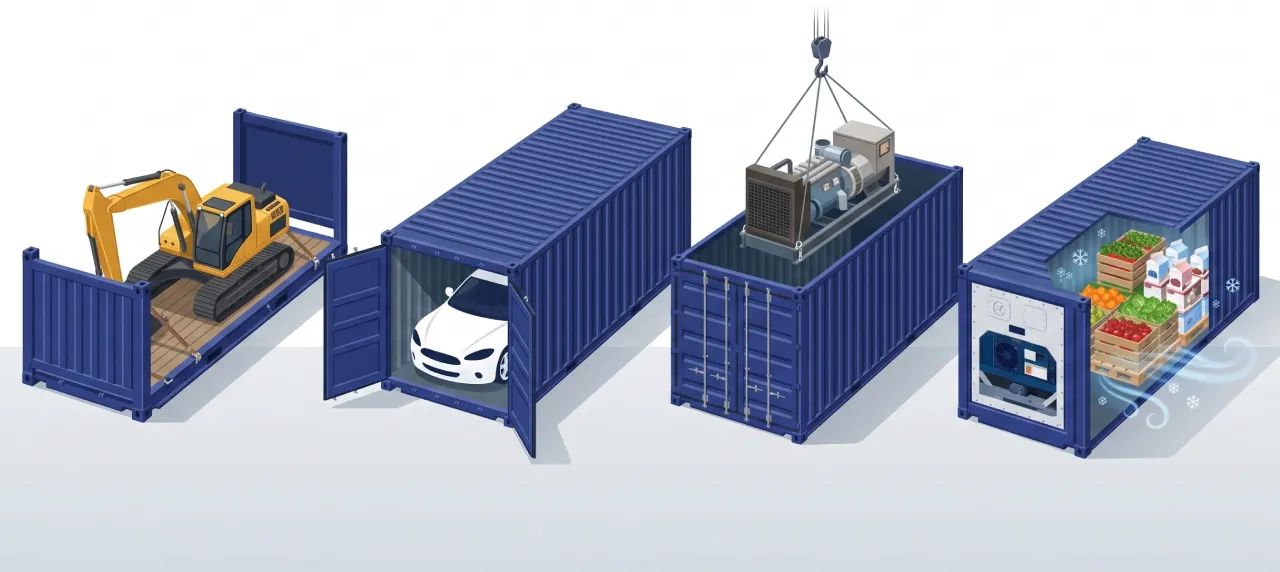
Insulated units equipped with electric refrigeration motors that maintain specific internal temperatures.

When used: Transporting temperature-sensitive or perishable cargo across long transit times.

Suitable cargo: Fresh produce, frozen meat, pharmaceuticals, and sensitive chemicals.

Limitations: Requires a constant power supply from the vessel, port, or truck chassis. Internal dimensions are smaller due to thick insulation.

Typical use case: Exporting fresh agricultural products to overseas buyers.

When not recommended: Shipping goods that only need ventilation rather than strict climate control.

Common mistake: Packing goods tightly against the walls and ceiling, blocking the vital airflow needed to maintain temperature.

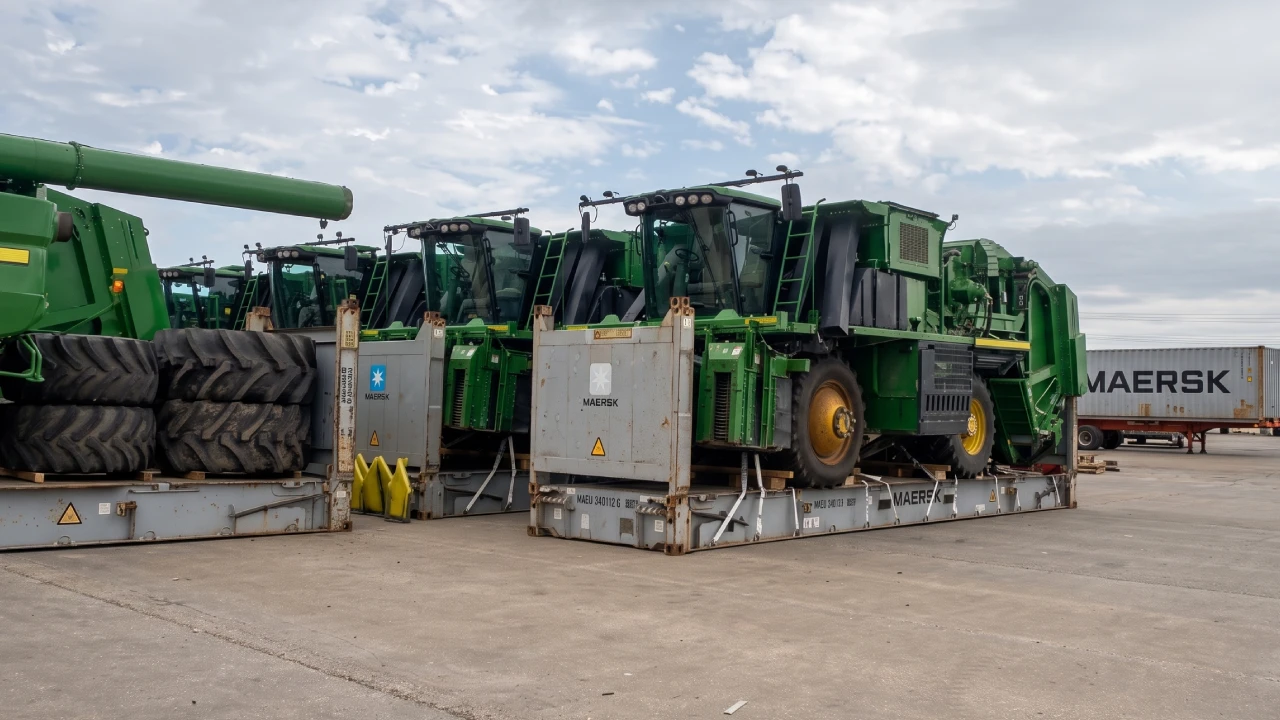
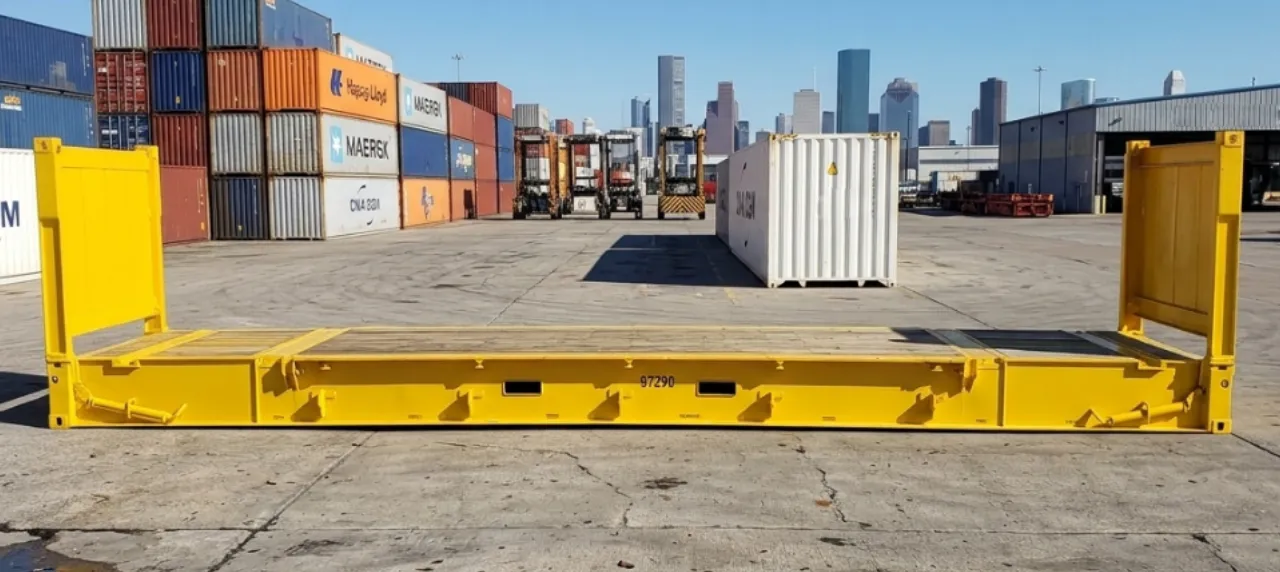
Flat Rack Containers

Specialized platforms featuring strong floors and collapsible end walls, but no side walls or roof.

When used: Transporting heavy, bulky, or out-of-gauge cargo that cannot fit through standard doors.

Suitable cargo: Heavy machinery, large pipes, construction vehicles, and industrial generators.

Limitations: Cargo remains exposed to weather elements. Requires specialized lifting gear at ports.

Typical use case: Shipping oversized Construction Equipment that exceeds standard width restrictions.

When not recommended: Moving sensitive electronics or items easily damaged by saltwater spray.

Common mistake: Underestimating lashing requirements. Cargo on flat racks requires complex, certified lashing to prevent shifting at sea.

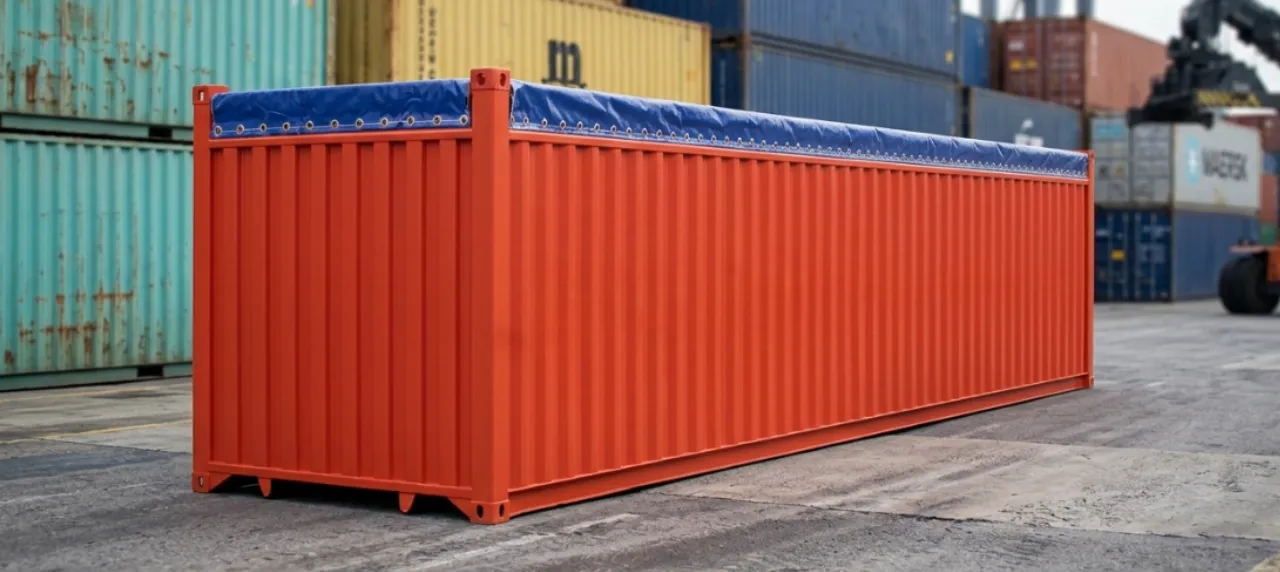
Open Top Containers

Standard boxes equipped with removable tarpaulin roofs instead of solid steel roofs.

When used: Loading heavy or awkward cargo via overhead cranes rather than forklifts.

Suitable cargo: Tall industrial machinery, large glass panels, and heavy engine blocks.

Limitations: Tarps can be damaged during transit. Roof bows must be removed and reinstalled correctly.

Typical use case: Lowering a tall, heavy industrial press directly into the box using a dockside crane.

When not recommended: Cargo that requires absolute security against theft, as tarps are easily compromised.

Common mistake: Packing cargo that protrudes above the roofline without booking it specifically as out-of-gauge freight.

Tank Containers

Cylindrical pressure vessels mounted inside standard steel frames.

When used: Moving bulk liquids, gases, or powders safely and efficiently.

Suitable cargo: Food-grade oils, hazardous chemicals, liquid resins, and compressed gases.

Limitations: Requires specialized cleaning facilities after use. Strict regulatory compliance needed for hazardous materials.

Typical use case: Transporting bulk liquid chemicals between manufacturing plants.

When not recommended: Shipping small quantities of liquids where standard drums inside a dry box would be more cost-effective.

Common mistake: Ignoring surge limits. Tanks must be filled to specific levels (usually above 80%) to prevent dangerous liquid surging during transport.

Container Types Comparison

Container Type Best For Limitations
Standard Dry Boxed consumer goods, auto parts, pallets Fixed door height, no climate control
High Cube Furniture, bulky lightweight items Bridge clearance on some inland routes
Reefer Fresh produce, pharmaceuticals, meat Smaller internal volume, needs constant power
Flat Rack Oversized machinery, heavy vehicles Exposed to weather, expensive to ship
Open Top Overhead crane loading, tall machinery Tarpaulin roof offers less security
Tank Bulk liquids, chemicals, food-grade oils Requires specialized cleaning facilities

Shipping Container Dimensions (20ft, 40ft Specs in Feet & Meters)

Understanding exact container dimensions (20 ft, 40 ft) ensures your cargo fits perfectly and complies with international weight regulations. You must differentiate between external measurements used by carriers and internal measurements used for loading.

External Dimensions

External measurements determine how units stack on vessels and fit on truck chassis. Standard widths always remain 8 feet (2.44 meters) to ensure universal compatibility. Standard heights sit at 8.5 feet (2.59 meters), while high cubes reach 9.5 feet (2.90 meters).

Internal Dimensions

Internal measurements dictate actual space available for your goods. Corrugated steel walls, wooden floors, and door mechanisms consume several inches of space. Always plan your loading geometry based on internal width and door opening dimensions, not external numbers.

Payload and Weight Capacity

Gross weight includes both cargo and the empty steel box (tare weight). Payload capacity refers strictly to the maximum weight of goods you can load. Exceeding payload limits results in severe fines, delayed shipments, and structural damage.

Container Length (Ext/Int) Width (Ext/Int) Height (Ext/Int) Volume Max Payload Weight
20ft Standard 20ft / 19.4ft (6.1m / 5.9m) 8ft / 7.7ft (2.44m / 2.35m) 8.5ft / 7.8ft (2.59m / 2.39m) 1,172 CBF (33.2 CBM) 62,214 lbs (28,220 kg)
40ft Standard 40ft / 39.5ft (12.2m / 12.0m) 8ft / 7.7ft (2.44m / 2.35m) 8.5ft / 7.8ft (2.59m / 2.39m) 2,390 CBF (67.7 CBM) 58,929 lbs (26,730 kg)
40ft High Cube 40ft / 39.5ft (12.2m / 12.0m) 8ft / 7.7ft (2.44m / 2.35m) 9.5ft / 8.8ft (2.90m / 2.69m) 2,694 CBF (76.3 CBM) 58,598 lbs (26,580 kg)

Note: These payload figures assume containers rated to the higher 30,480 kg (67,200 lb) maximum gross weight, standard on most modern equipment. Older or lower-rated 20ft units (24,000 kg / 52,910 lb gross) carry a lower maximum payload of roughly 21,700 kg (47,840 lbs). Confirm the CSC plate rating with your carrier before booking based on weight.

Container Size Conversion (Feet, Meters, Volume)

Logistics professionals globally use different measurement systems. Familiarizing yourself with container dimensions in feet and meters prevents costly miscalculations during export planning.

  • Feet to meters conversion:
  • Multiply feet by 0.3048 to find meters.
  • Example: 20 feet x 0.3048 = 6.096 meters.
  • Cubic meters (CBM) to cubic feet (CBF) conversion:
  • Multiply CBM by 35.314 to find CBF.
  • Example: 33.2 CBM x 35.314 = 1,172 CBF.

When calculating container capacity, always round down your available space. Pallets rarely fit perfectly edge-to-edge, and you must leave room for loading maneuvers.

Shipping Container Size Comparison

Container Volume Max Payload Weight Best Use
20ft Standard 33.2 CBM 28,220 kg Heavy, dense cargo (steel, tile, machinery)
40ft Standard 67.7 CBM 26,730 kg Bulky, lighter cargo (electronics, retail)
40ft High Cube 76.3 CBM 26,580 kg Extra tall cargo, furniture, large appliances

20ft vs 40ft Containers: Which One Should You Choose

Deciding between a 20ft vs 40ft container requires analyzing your cargo density. Density refers to how much your cargo weighs relative to its physical size.

Capacity limitations often surprise first-time shippers. While a 40ft unit offers double the physical volume of a 20ft unit, it does not hold double the weight. In fact, standard 20ft units often have a slightly higher maximum payload weight than 40ft units because the 40ft empty steel box weighs significantly more, eating into the total allowable gross weight.

Cost differences also play a major role. Shipping a 40ft unit does not cost twice as much as a 20ft unit. Ocean freight rates for 40ft boxes typically run only 20% to 30% higher than 20ft boxes on most major trade lanes, though this varies by carrier, route, and market conditions. Therefore, if you have enough lightweight cargo to fill a 40ft unit, it provides a much better value per cubic meter.

Use cases define the final choice. In our experience, heavy industrial parts, ceramic tiles, and metal ingots belong in 20ft units. You will hit the maximum weight limit long before filling the space. Conversely, if you ship plastic toys, clothing, or standard vehicles, a 40ft unit serves you best. Most shipments to LATAM involving retail goods utilize 40ft high cubes to maximize economy of scale.

Clear recommendations:

  • Choose 20ft if your cargo runs above roughly 50 pounds per cubic foot – dense loads hit the 20ft’s weight limit before filling its volume.
  • Choose 40ft if your cargo runs below roughly 25 pounds per cubic foot – light loads fill the 40ft’s volume before hitting its weight limit. Between those two densities, either size can work; let route, cost per unit, and equipment availability decide.
  • Choose 40ft High Cube if your palletized goods stack higher than 7.5 feet.

What Fits in 20ft and 40ft Container (Capacity Examples)

Understanding exact container capacity prevents overbooking space. Vague volume metrics mean nothing without real-world loading examples. Here is exactly what fits inside standard units.

20ft Capacity Examples:

  • 10 standard wooden pallets (48 x 40 inches) arranged in a single tier.
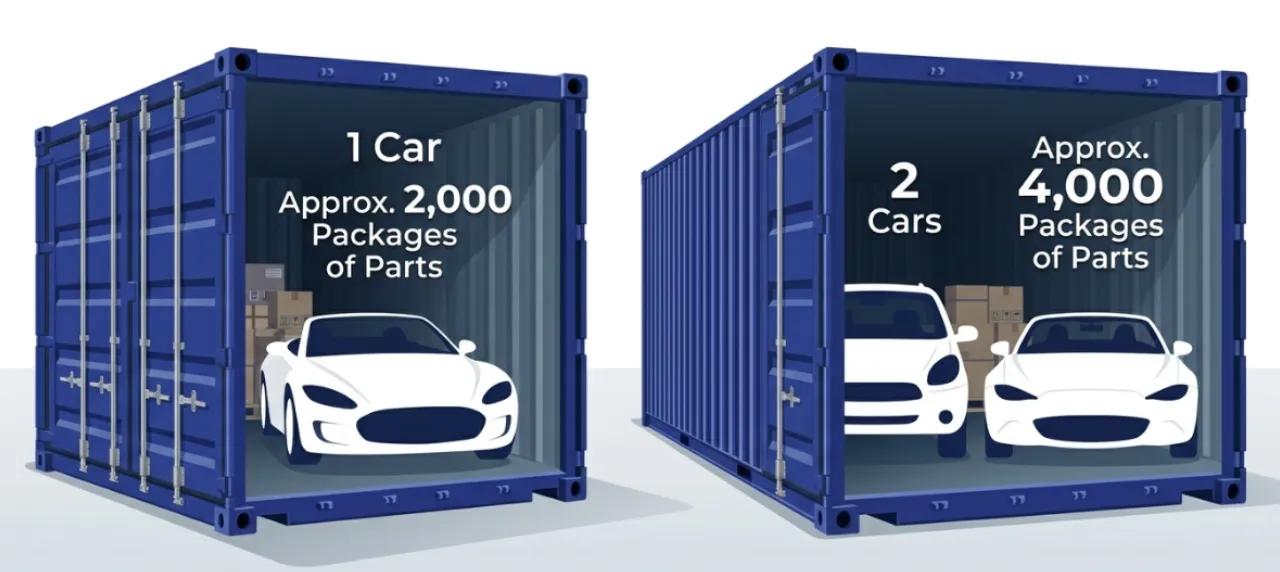
  • 1 to 2 small compact cars, depending on exact vehicle bumper-to-bumper lengths.
  • Roughly 80 to 120 standard passenger vehicle tires, floor-loaded without pallets — exact count depends heavily on tire size.
  • 1 small farm tractor with attachments removed and secured to the floor.

40ft Capacity Examples:

  • 20 standard wooden pallets (48 x 40 inches) arranged in a single tier.
  • 3 to 4 mid-sized sedans, safely lashed and blocked using professional vehicle racking systems.
  • Approximately 400 standard flat-screen televisions packaged in retail boxes and floor-loaded – varies with screen size and packaging.
  • 2 to 3 compact excavators or skid steers, depending on operating weight and track width.

Container Selection by Cargo Type

Matching your specific industry goods to the correct shipping container types guarantees safe transit and smooth customs clearance.

Heavy Equipment

Heavy equipment requires careful planning. If you ship bulldozers or large excavators, standard doors will not accommodate the tracks or roll-over protection structures (ROPS).

Recommended container: Flat Rack.

Reasons: Open sides and top allow heavy machinery to be lifted directly onto the platform.

Limitations: High shipping costs and exposure to corrosive saltwater during transit.

For massive machinery, explore our Heavy Equipment Shipping solutions.

Vehicles

Vehicles range from standard sedans to large commercial trucks.

Recommended container: 40ft Standard or 40ft High Cube.

Reasons: Fully enclosed boxes protect vehicles from weather, theft, and damage. High cubes offer extra headroom for loading large SUVs or building custom wooden ramps to stack multiple cars.

Limitations: Requires specialized blocking and bracing skills to prevent movement at sea.

Industrial

Industrial cargo often involves awkward, tall, or heavy pieces like generators and pump stations.

Recommended container: Open Top.

Reasons: Allows overhead gantry cranes to lower heavy items perfectly into the center of the floor, ensuring proper weight distribution.

Limitations: Tarpaulins can tear, and you cannot stack other standard boxes on top of an over-height open-top unit.

Perishable Goods

Perishable goods demand strict temperature adherence.

Recommended container: Reefer.

Reasons: Maintains exact temperatures for meat, fruit, or medical supplies.

Limitations: Cargo must be pre-cooled before loading, as reefers maintain temperature but cannot freeze warm cargo efficiently.

When Container Shipping Is Not Best Option

While standard boxes handle most global trade, specific projects require entirely different logistical approaches. Recognizing when to avoid standard shipping container sizes saves time and prevents loading disasters.

Oversized cargo that exceeds standard container lengths (typically 40 feet, though 45ft units exist in some domestic markets), 8 feet in width, or weighs more than 60,000 pounds simply will not fit inside or on top of standard intermodal equipment. Forcing oversized gear onto flat racks often results in excessive out-of-gauge surcharges from ocean carriers.

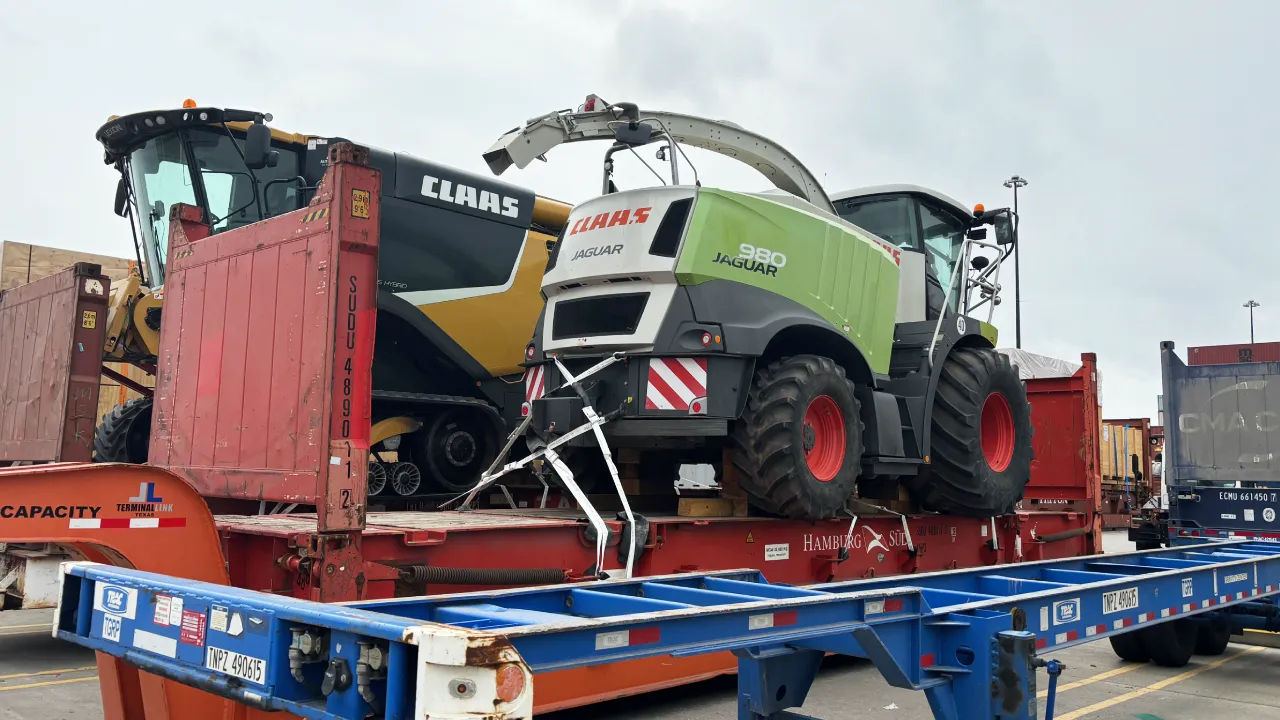
Heavy equipment with massive dimensions, such as mining dump trucks or large agricultural harvesters, requires alternative methods. In these scenarios, RoRo (Roll-on/Roll-off) shipping proves far superior. RoRo vessels act like giant floating parking garages, allowing wheeled or tracked machinery to drive directly onto the ship. This eliminates the need for expensive crane lifts and flat rack lashing.

When dealing with massive static cargo like factory components or wind turbine blades, Breakbulk shipping becomes necessary. Breakbulk involves loading massive, non-containerized cargo directly into the hold or onto the deck of a specialized vessel.

How Container Choice Affects Shipping Cost

Your equipment choice directly dictates your final invoice. Understanding container shipping cost logic helps you optimize your supply chain budget.

Cost differences between 20ft vs 40ft container units are not proportional. Ocean carriers charge based on the space a box occupies on the vessel and the fuel required to move it. Because handling a 40ft box takes the same amount of crane time and paperwork as a 20ft box, the 40ft rate is usually only slightly higher. If you have enough cargo, utilizing a 40ft unit drastically reduces your shipping cost per item.

Specialized equipment multiplies costs. Standard dry boxes run on highly predictable, commoditized pricing. However, booking an open-top or flat rack triggers premium pricing. Carriers charge extra because specialized units disrupt standard stacking configurations on the vessel. If your flat rack cargo protrudes over the edges, the carrier loses the ability to sell the slot spaces next to your cargo, and they will charge you for that lost revenue.

Weight impacts inland pricing heavily. While ocean carriers care most about volume, trucking companies care about weight. If you load a 20ft unit to its maximum payload of 62,000 pounds, you will likely exceed local highway weight limits. This requires hiring specialized tri-axle chassis and securing overweight road permits, significantly increasing your final delivery costs.

Always compare containerization against RoRo or breakbulk when moving large items. Sometimes, paying for equipment disassembly to fit a machine into a standard 40ft box costs less than shipping it fully assembled via RoRo.

Need an exact price breakdown for your next shipment?

Get a Free Shipping Estimate from our logistics experts.

Get Your Free Quote Today!

Common Mistakes When Choosing a Container

Even seasoned shippers make errors when evaluating shipping container sizes and types. Avoid these frequent logistical traps.

Wrong size selection happens when shippers only look at total volume and ignore physical dimensions. You might calculate that your crates equal 60 cubic meters and assume they fit easily into a 67 cubic meter 40ft box. However, if the crates are 8 feet wide, they physically will not pass through the 7.7-foot door opening. Always map out your loading plan using internal dimensions.

Ignoring weight limits causes major supply chain disruptions. Common issues we see involve shippers packing heavy steel components into a 40ft box to fill the space. They quickly exceed the maximum payload limit, resulting in the port refusing to load the box onto the ship. You must then pay for unloading, repacking, and booking a second box.

Choosing the wrong type often damages goods. Shipping machinery with sensitive electronics on a flat rack exposes it to harsh saltwater spray. Shipping temperature-sensitive chemicals in a standard dry box during summer months bakes the product, ruining its chemical integrity. Always match the equipment type to the physical vulnerabilities of your cargo.

Frequently Asked Questions

Your required size depends entirely on cargo volume, dimensions, and total weight. Use a 20ft unit for dense, heavy goods like metal parts, and a 40ft unit for bulky, lighter goods like furniture or vehicles.

A 40ft unit costs more overall than a 20ft unit, but it offers a much lower cost per cubic meter. If you have enough goods to fill it, a 40ft box is the most economical choice for global shipping.

You can fit 20 standard wooden pallets, 3 to 4 mid-sized sedans, or roughly 2,390 cubic feet of boxed retail goods. Exact capacity depends on how tightly your specific items stack.

Yes, heavy equipment fits in specialized units like flat racks or open tops. Smaller machinery like skid steers or mini excavators can often drive directly into standard dry boxes.

Conclusion

Navigating global logistics requires a deep understanding of standard shipping equipment. By mastering container dimensions (20 ft, 40 ft), recognizing internal capacity limits, and matching your specific cargo to the right equipment type, you prevent damage and control costs. Whether you need a standard dry box for retail goods, a reefer for perishables, or a flat rack for heavy machinery, choosing the right unit ensures your supply chain runs smoothly.

Atlantic Project Cargo provides expert guidance for all your multimodal shipping needs, ensuring you never overpay for space you do not need.

Ready to move your cargo with confidence? Get a Quote today and let our team handle the logistics.

Get Your Free Quote Today!

Read More

August 17, 2026
Heavy Equipment Shipping from the USA to Venezuela: Complete Shipping Guide
Heavy equipment can be shipped from the USA to Venezuela by RoRo, flat rack, container, or breakbulk shipping depending on the machine's size, weight, condition,...
Reviewed by
Victoria Moseicuka
August 16, 2026
Frozen Poultry Export from the USA: Cold Chain Logistics & Reefer Shipping Guide
Frozen poultry export from the USA requires an unbroken cold chain from the processing plant to the final destination, coordinated across refrigerated trucking, cold storage,...
Reviewed by
Nick Yadryshnikov
August 10, 2026
Heavy Equipment Shipping from the USA to Argentina: Costs, Transit Time & Import Guide
Heavy equipment can be shipped from the USA to Argentina by RoRo, flat rack, breakbulk, or container shipping depending on the machine's size, weight, dimensions,...
Reviewed by
Victoria Moseicuka
Share via