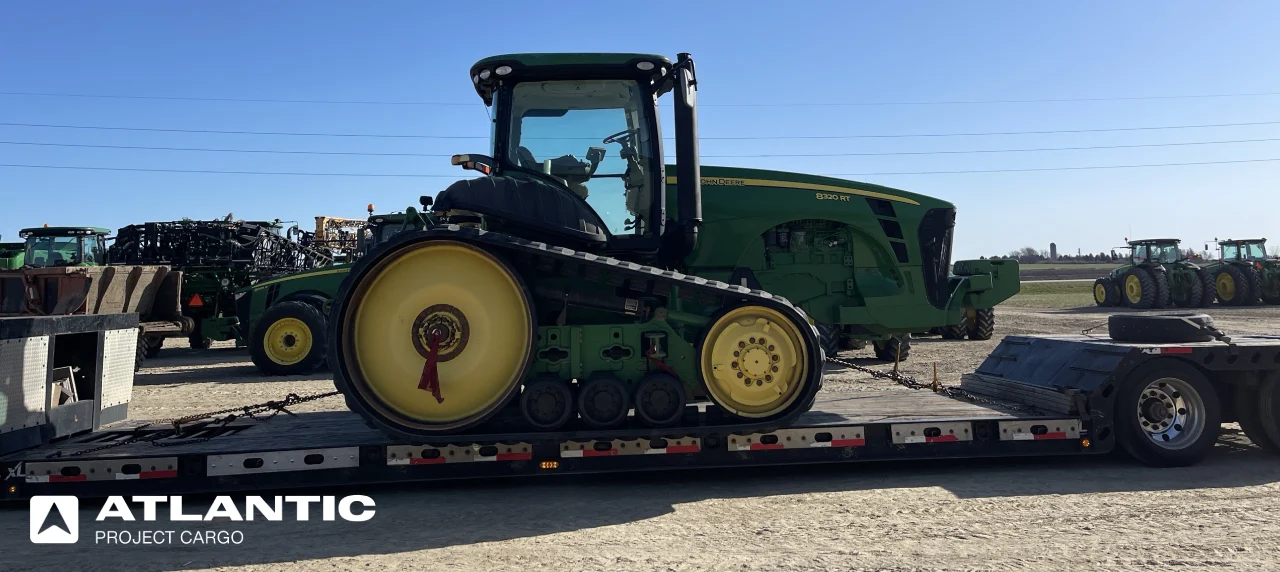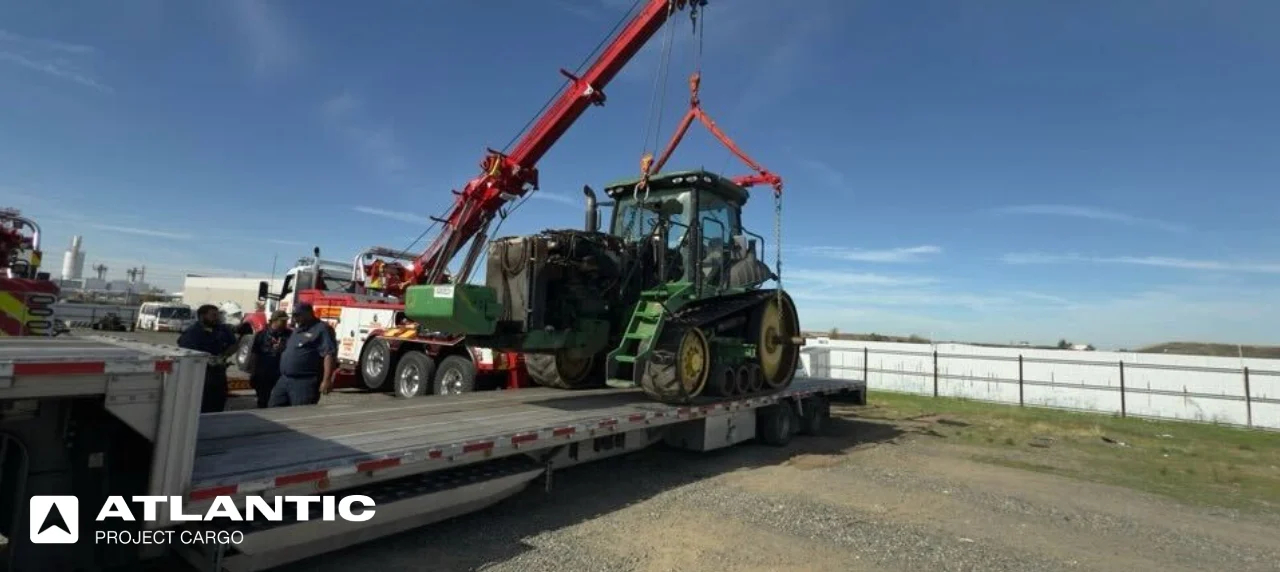
Transporting agricultural machinery is a critical part of the job. Whether you are moving a compact sub-compact unit or a larger utility machine, tractor hauling requires the right trailer to ensure the safety of both the cargo and the driver. Choosing the wrong setup can lead to expensive damage or legal issues on the road.
To find the perfect match for your needs, you must understand the specifications of both your vehicle and the equipment you intend to carry. Here is what to consider when evaluating trailers for hauling tractors.
1. Analyze Weight and Axles
The first step is to know your numbers. You must calculate the total weight of your tractor, including the front loader, ballast box, and any attachments.
Single Axle vs. Tandem
A single-axle trailer is designed for lightweight materials or very small garden tractors. For most agricultural work, this is insufficient. A tandem axle setup is usually built to handle the heavier load of a standard machine and provides better stability while driving.
Capacity
Ensure the trailer’s Gross Vehicle Weight Rating (GVWR) exceeds the combined weight of the trailer and the equipment. Never maximize the limit; always leave a safety margin.
2. Deck Length and Dimensions
Deck length is often overlooked until it is too late. A common mistake is buying a 16-foot trailer only to realize the bush hog attached to the back of the tractor hangs off the edge.
Length
To choose correctly, measure your tractor from the front bucket to the rear implement. A 20-foot deck is the standard for safe hauling, giving you room to balance the machine properly to get the right tongue weight.
Width
Ensure the deck is wide enough for the rear wheelbase. Depending on the brand, some tractors have wider stances that won’t fit between standard fenders.
3. Utility Trailer vs. Equipment Trailer
There are different types of trailers available, and knowing the difference saves time.
Utility Trailer
These have high side rails. While good for loose materials, the rails can prevent you from opening the tractor doors or interfere with wide mowing decks.
Equipment Trailer
These are built with an open deck and usually sit lower to the ground. Such a design facilitates easy loading and allows for wider attachments.
Trailer Comparison at a Glance
| Trailer Type | Capacity Range | Best For | Pros | Cons |
|---|---|---|---|---|
| Utility Trailer | Lower (approx. 2,000 - 7,000 lbs) | Sub-compacts, garden tractors, landscaping tools, loose materials | Highly versatile; side rails keep loose cargo secure | High rails block doors and wide decks; steeper ramp angle |
| Equipment Trailer | Medium/High (approx. 7,000 - 14,000+ lbs) | Utility tractors, heavy machinery, machines with wide attachments | Low deck for safer, easier loading; open sides for maximum clearance | Lacks side rails for loose materials; generally heavier and more expensive |
4. Loading and Safety Features
The loading process is where most accidents happen. Safe transport begins with the ramps. Look for ramps that are long enough to provide a gentle slope; a steep angle can cause a mower deck to hit the transition point or cause traction issues.
Once the machine is on the deck, you must protect the load. Verify that the trailer has sufficient tie-down points. You need heavy-duty D-rings or stake pockets to chain down the axles and frame.
5. The Tow Vehicle
Your tractor is just as important as the trailer. Before you sign any purchase papers or offer to buy, check your truck’s towing capacity. Hauling a 7,000-lb load with an underpowered vehicle puts stress on the transmission and brakes.
Experience teaches that having a buffer in towing capacity makes for a much less stressful day on the highway.
Common Hauling Mistakes to Avoid
Even with the right truck and trailer, simple errors during loading and transport can cause major headaches. Watch out for these frequent pitfalls:
- Buying a trailer that is too short. Forgetting to account for the front loader or rear implements, resulting in attachments hanging dangerously off the edge of the deck.
- Overloading a single axle. Pushing a light-duty single-axle trailer beyond its structural limits, which drastically increases the risk of blown tires, bent axles, and total failure.
- Poor weight balance. Loading the tractor too far forward (which crushes the truck’s rear suspension and impacts steering) or too far back (which lifts the tow vehicle and causes violent trailer sway).
- Incorrect tie-down methods. Relying on standard nylon ratchet straps instead of DOT-approved heavy-duty transport chains and load binders, or hooking onto weak body panels instead of the machine’s axles or frame.
Beyond DIY Hauling: Commercial and Long-Distance Transport
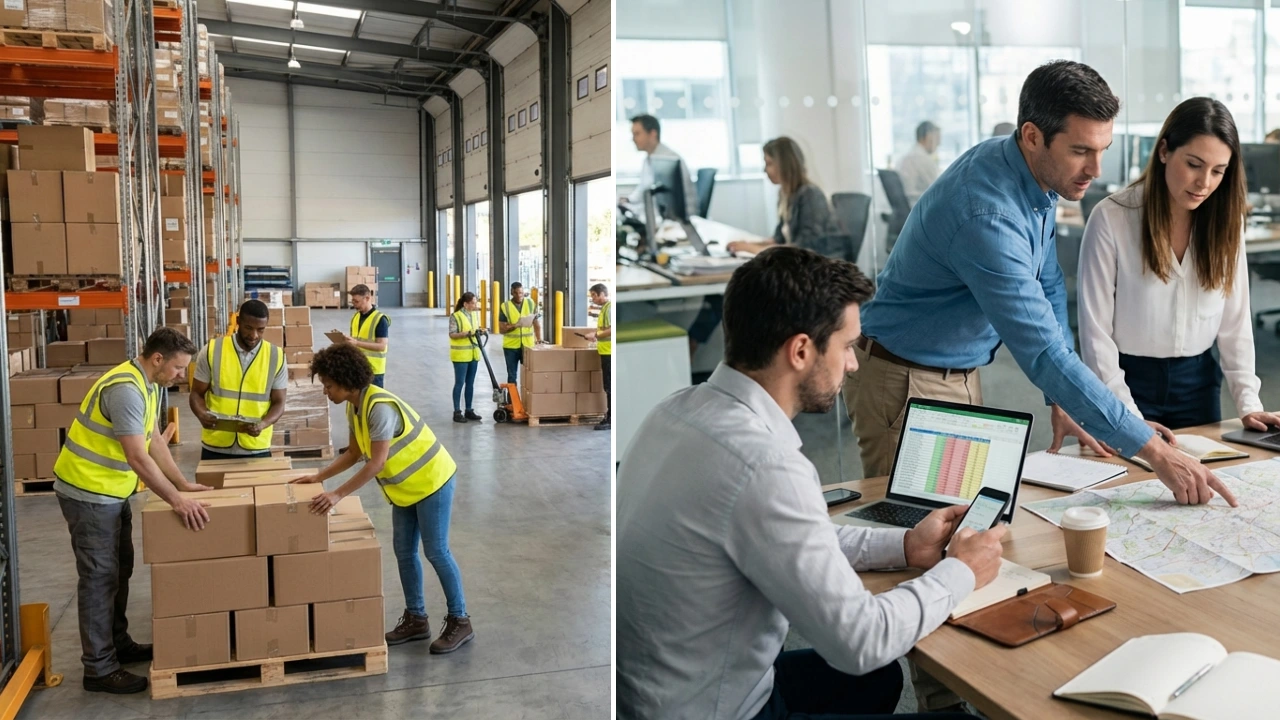
When you move past local jobs and start dealing with larger machinery or crossing state lines, the logistics become more complex. Upgrading your hauling strategy requires strict adherence to commercial regulations and specialized equipment.
Legal Weight Limits and DOT Compliance
When crossing state boundaries or hauling commercially, you are subject to Department of Transportation (DOT) regulations. You must be aware of federal and state-specific legal weight limits for axles and gross vehicle weights. If your tractor exceeds standard dimensions or weights, you will need to map out routes avoiding restricted bridges and secure oversize load permits.
Interstate Transport Considerations
Interstate hauling introduces variables like mandatory weigh station stops, varying state laws regarding trailer brakes, and specific hours-of-service logging for drivers. Planning is essential to avoid fines and delays at state lines.
CDL Requirements and FMCSA Securement Rules
If your tow vehicle and trailer have a Gross Combined Weight Rating over 26,000 lbs, the driver generally requires a Commercial Driver’s License. Additionally, the Federal Motor Carrier Safety Administration mandates strict cargo securement rules. Heavy machinery over 10,000 lbs requires a minimum of four direct tie-downs using chains and binders with appropriate Working Load Limits.
When a Standard Trailer Is Not Enough
Massive agricultural equipment — like large articulated tractors, combines, or sprayers — will quickly outgrow a standard equipment trailer.
- Flatbed trailers: Offer versatility for wider loads that exceed the standard 102-inch legal width limit.
- Step deck trailers: Provide a lower center of gravity, which is crucial for taller tractors.
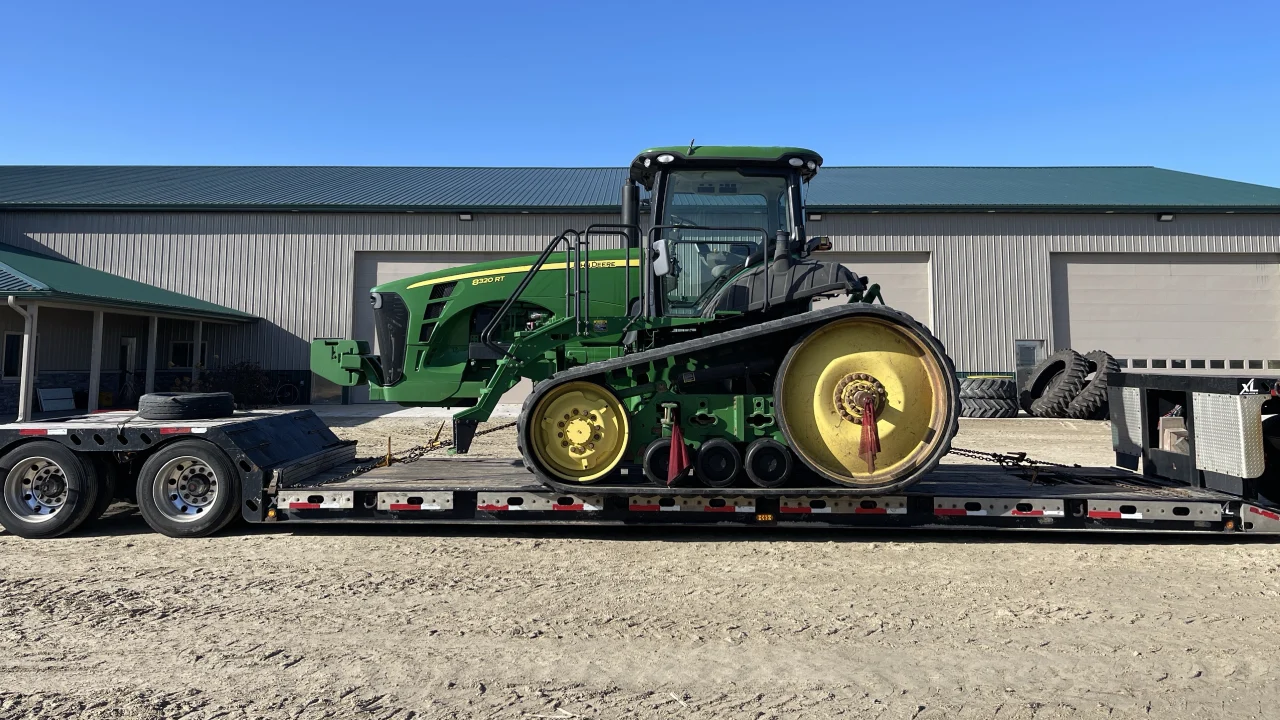
- Lowboy trailers: Essential for the heaviest and tallest machinery, allowing you to safely clear highway overpasses and power lines.
Preparing Equipment for Long-Distance Transport
A long highway haul subjects your equipment to high winds and prolonged vibration. Before hitting the road:
- Lower all attachments to the trailer deck and relieve hydraulic pressure.
- Engage the tractor’s parking brake.
- Cover the exhaust stack to prevent the turbocharger from wind-milling and sustaining damage.
- Shut off fuel valves and secure loose panels.
- Disconnect the battery to prevent electrical hazards during transit.
Get Your Free Quote Today!
Shipping a Tractor Overseas
When your machinery needs to cross borders or oceans, the logistics go entirely beyond a standard truck and trailer. International freight requires careful planning and specialized forwarding.
Inland Transport to Port
Before your tractor can sail, it must reach the departure terminal. This usually requires coordinating heavy-haul trucking (like a lowboy or step deck trailer) to safely deliver the machine from the farm or dealership to the port.
Loading & Disassembly
To save on freight costs and fit the machinery into standard shipping containers, you may need to prepare the tractor by removing attachments, taking off wheels, or folding down the ROPS (Roll-Over Protection Structure).
Customs Clearance
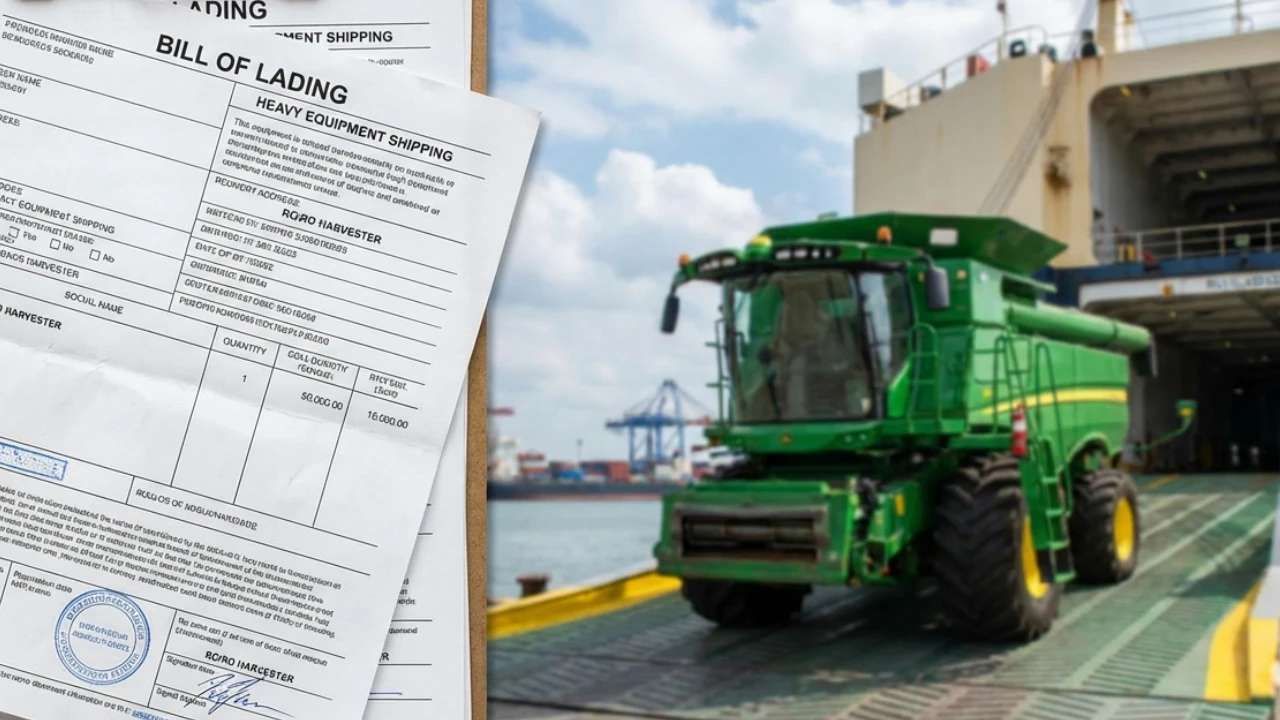
International shipping requires meticulous paperwork, including a commercial invoice, packing list, and Bill of Lading. Each country has strict import rules, and proper documentation ensures your equipment clears export and import customs without costly storage fees or delays.
Ocean Freight Options
The two most common methods for heavy machinery are RoRo (Roll-On/Roll-Off), where the tractor is driven directly onto the vessel, and Container Shipping (or Flat Racks for oversized units), which offers superior protection from the elements but requires more complex loading.
Insurance
Standard carrier liability is minimal. Never ship heavy machinery overseas without securing comprehensive marine insurance to protect your investment against damage, loading accidents, or loss at sea.
Ready to Move?
Finding the right trailer takes search and patience, but it pays off in safety and efficiency.
If you are looking to learn more about logistics or need to request info on shipping heavy machinery, we can help.
- Contact us to talk about your requirements.
- Email our team for details on current inventory or logistics options.
- Check our website to view available items.
Need to store equipment at a specific location or transport it immediately? We have the right information to help you continue your business without delay. Stop guessing and ensure your fleet is road-ready this year.
Read More