Hours of operations:
9AM - 5PM / UTC -5 (EST)

A Guide to Importing Machinery to Canada

December 29, 2025
Shipping Quote
Customs Duties
Drayage Rate
Do you already own this equipment?

You Can Request a New Quote Every 15 Minutes

Please wait or contact us at [email protected]

Thank you for Choosing Us!

Looking to buy or sell heavy equipment?
With JumboBee, you can trade online with financing options and worldwide shipping.

Check Inventory
Calculate Import Duties
Get a free, no-obligation estimate of your import duties!
Calculate Import Duties
Get a Drayage Estimate
Get a free drayage estimate tailored to your exact needs!
Check a Drayage Rate
Home Insights A Guide to Importing Machinery to Canada
Written by
Atlantic Project Cargo Editorial Team

Key Takeaways


  • Preparation prevents delays: Importing machinery to Canada requires advance planning – business registration, export filings, and complete documentation are essential before your equipment reaches the border
  • Compliance is multi-layered: From U.S. export rules and CBSA biosecurity inspections to Transport Canada, RIV, and energy-efficiency requirements, each machine faces specific regulatory checks
  • Heavy equipment demands project-level logistics: Oversized, used, or specialized machinery requires coordinated cleaning, inspections, cargo control documents, and tailored transport solutions

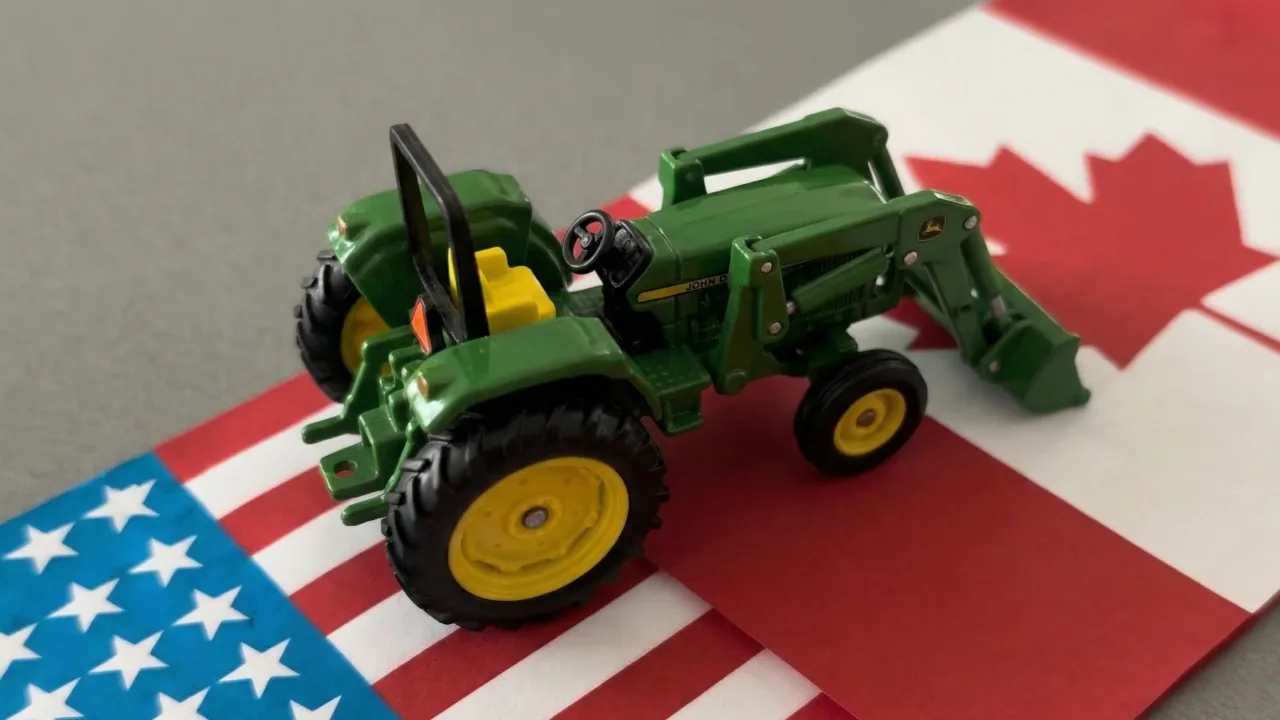
For businesses in the machine industry, the border between the U.S. and Canada can look like a simple line on a map. However, when you’re importing machinery to Canada, that line turns into a complex web of logistics, compliance, and documentation.

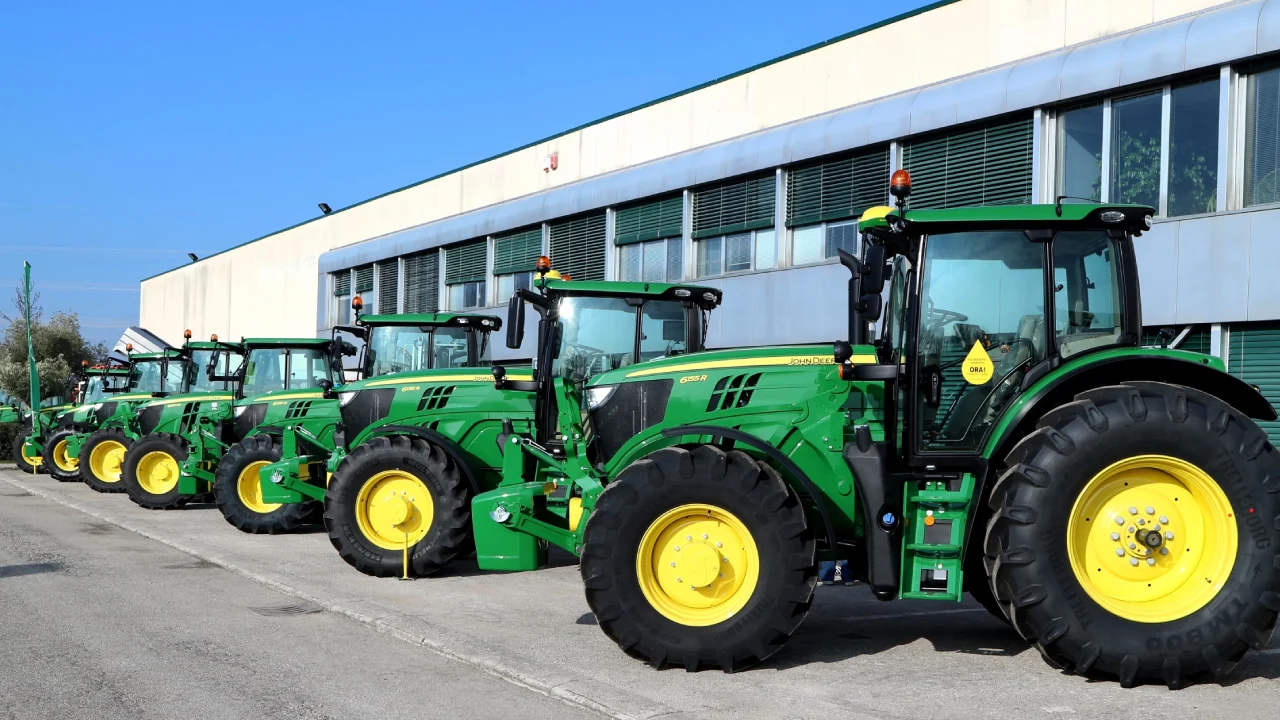
Whether you represent heavy or light industry, moving assets across the Canadian border is rarely as simple as loading a truck and driving north. From a solitary farm tractor to a fleet of construction equipment that moves earth, every shipment requires a precision strategy.

At Atlantic Project Cargo, we manage the whole lifecycle of your project. Here is how to navigate the maze of import regulations and successfully bring your assets home.

Get Your Free Quote Today!

Before You Ship

If you want to import commercial goods, preparation is everything. Many companies producing or maintaining machines underestimate the paperwork involved.

Before the wheels turn, you must ensure your business is ready. This includes having a valid Business Number and an import/export account activated with the Canada Revenue Agency. Without this, your goods cannot clear customs.

Furthermore, you need to consider several considerations regarding who manages the entry. While some companies attempt self-clearance, partnering with an expert logistics team proficient in customs ensures that duties, taxes, and restrictions are calculated correctly.

Customs experts act as the bridge between importers and the government, ensuring you don’t face penalties for incorrect tariff classifications.

Logistics of Heavy Equipment

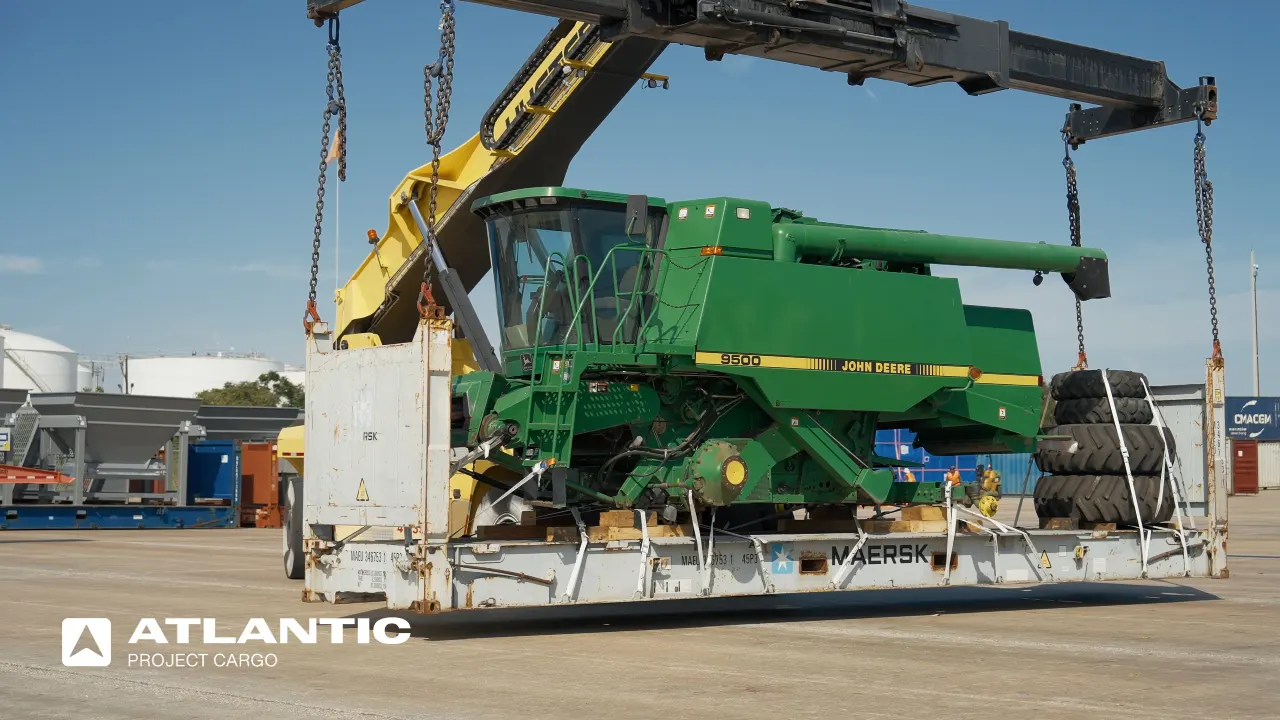
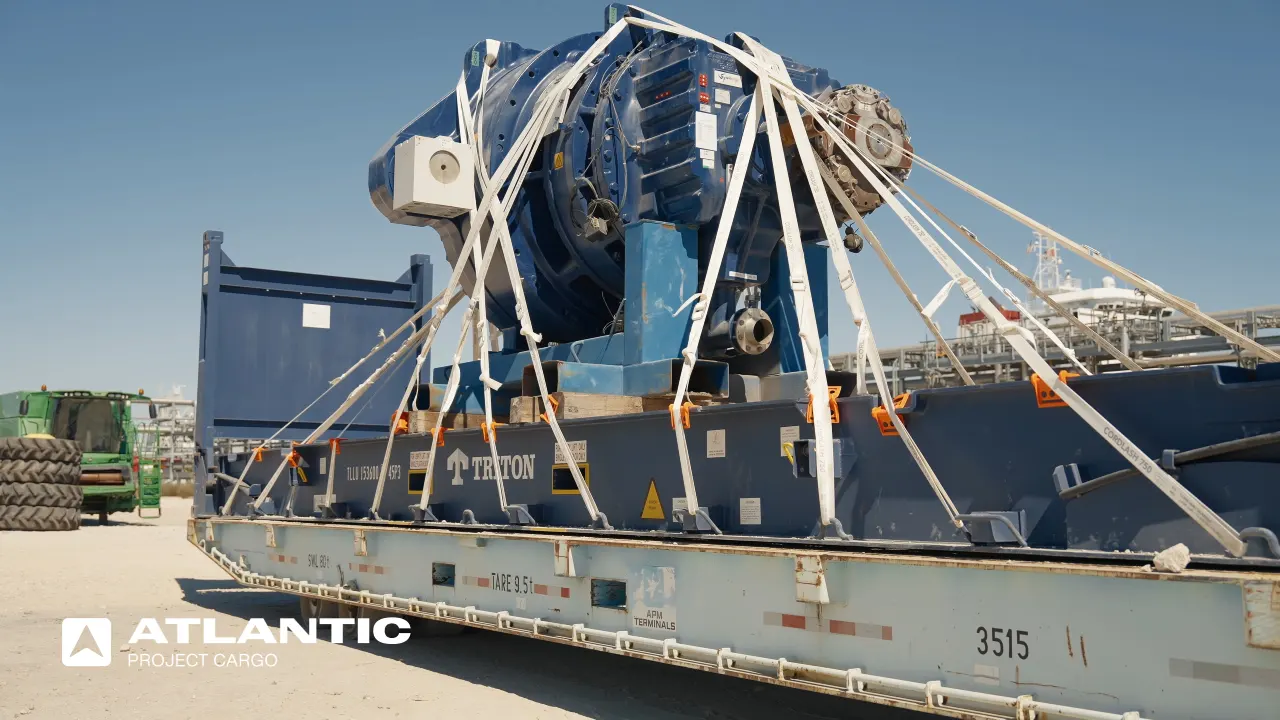
Importing heavy equipment — such as excavators, cranes, or wind turbines — requires more than a flatbed. It requires a project management mindset.

1. Exporting Machinery: Requirements

Many importers forget that to import into Canada, you must first legally export from the U.S. Exporting machinery requires filing with the U.S. Automated Export System at least 72 hours before the cargo reaches the border. We handle this export filing to ensure your shipment isn’t turned away before it even leaves American soil.

2. Cleanliness and Inspection

The Canada Border Services Agency — often referred to as the Border Services Agency CBSA — is strict about biosecurity. Used vehicles, tractors, and machines must be free of soil and organic matter. If your equipment carries dirt from a foreign origin, it will be rejected. We coordinate steam cleaning services to ensure your machinery passes the mandatory inspection.

3. Cargo Control Document

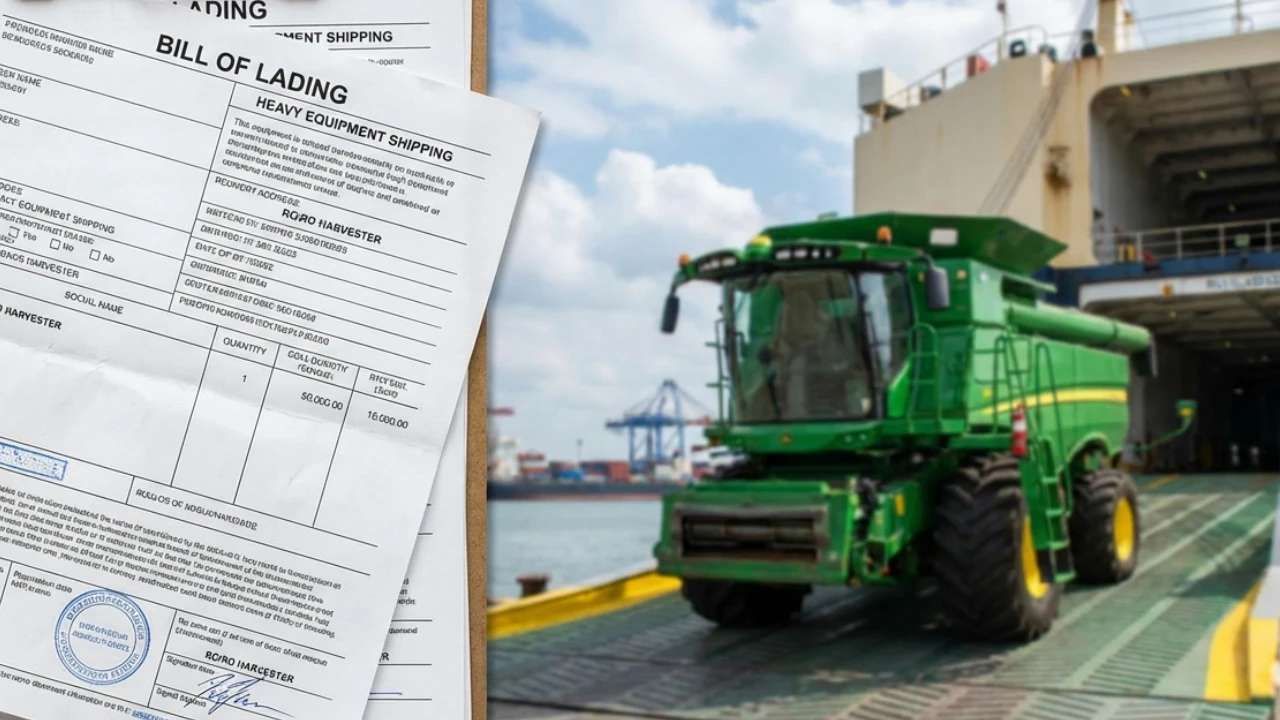
To keep the supply chain moving, accurate documentation is vital. The Cargo Control Document tracks the shipment from pickup to the customs clearance point. We ensure these documents, along with the Bill of Sale and Title, are in perfect order so the carrier can cross without delay.

Motor Vehicle Safety Regulations and Compliance

When importing and exporting vehicles, you are dealing with two main bodies: Transport Canada and the Registrar of Imported Vehicles.

Most vehicles and trucks must comply with Motor Vehicle Safety Regulations. If your equipment is less than 15 years old, it usually must enter the RIV program. However, there are exceptions. Non-regulated vehicles (older than 15 years) or specific off-road machinery may be exempt from RIV but still require a Vehicle Import Form 1.

Whether you are moving machines that build roads or vehicles that transport food, we verify admissibility before the project begins.

Calculate Import Duty in Minutes!

Beyond Vehicles: Industrial Machinery and Energy

The rules extend beyond rolling stock. If you are importing items like electric motors, air conditioners, or heating equipment, you may trigger a different set of rules.

Energy efficiency reporting is a critical, overlooked step. Certain energy-using products, from household appliances to large appliances/industrial machinery, must meet specific standards. These items may need to undergo energy efficiency reporting to Natural Resources Canada to ensure they meet the energy performance standards of the country.

Even specialized equipment, such as turbines powered by wind or water, requires careful packaging, handling, and regulatory checks to ensure all permits are in place.

Financial Picture: Duties, Taxes, and Surtaxes

Companies must be aware of the costs. Beyond the standard GST and services fees, trade relations can impact your bottom line.

  • CUSMA/USMCA: Certificates of Origin can waive duties for North American-made goods
  • Surtaxes: Recent trade disputes have introduced surtaxes on certain U.S. goods (up to 25% on specific vehicles)
  • Excise taxes: Fuel-inefficient vehicles or those with air conditioning may be subject to additional levies

Calculate Import Duty in Minutes!

Your Partner in Import Regulations Compliance

Importing machinery is a high-stakes environment involving multiple agencies. One missing certificate or one dirty trackpad can halt your operation.

At Atlantic Project Cargo, we act as your account manager for this process. We handle transportation, customs clearance, and delivery. Whether you are moving farm machinery, tools for the light industry, or massive heavy equipment, we ensure your cargo arrives safely.

Ready to start your next project? Stop worrying about documents and border delays. Let us build your logistics solution.

Read More

January 9, 2026
Antique Farm Equipment: History, Purpose, and Global Logistics
The roar of a hit-and-miss engine, the distinct shape of a John Deere Model D, or the sight of a McCormick-Deering threshing machine — these...
August 29, 2025
What is the Top of Goods Imported to Argentina
Key takeaways Argentina imports a wide range of goods, with a total import volume reaching approximately $60 million annually. Argentina’s majority of imports consist primarily...
June 16, 2025
Guide on Importing a Classic Car to the United States
Owning a foreign classic car is a dream for a lot of people. However, importing a vehicle into the US can be a complex process...
Share via