
Hours of operations:
9AM - 5PM / UTC -5 (EST)

25% Tariff on Imported Cars

April 9, 2025
Shipping Quote
Customs Duties
Drayage Rate
Do you already own this equipment?

You Can Request a New Quote Every 15 Minutes

Please wait or contact us at [email protected]

Thank you for Choosing Us!

Looking to buy or sell heavy equipment?
With JumboBee, you can trade online with financing options and worldwide shipping.

Check Inventory
Calculate Import Duties
Get a free, no-obligation estimate of your import duties!
Calculate Import Duties
Get a Drayage Estimate
Get a free drayage estimate tailored to your exact needs!
Check a Drayage Rate
Home Insights 25% Tariff on Imported Cars
Written by
Atlantic Project Cargo Editorial Team

Atlantic Project Cargo is informing you about the implementation of a 25% tariff on imported cars and car parts entering the United States. We are ready to support you in assessing the impact of these changes and identifying effective cost-management strategies. These may include tariff classification reviews, trade agreement utilization, and exploring alternative sourcing or routing options. Our licensed customs broker is also available to assist you with US import regulations.

On April 3, 2025, the Federal Register published a proclamation titled “Adjusting Imports of Automobiles and Automobile Parts Into the United States,” announcing the implementation of a 25% tariff on imported automobiles and automobile parts.

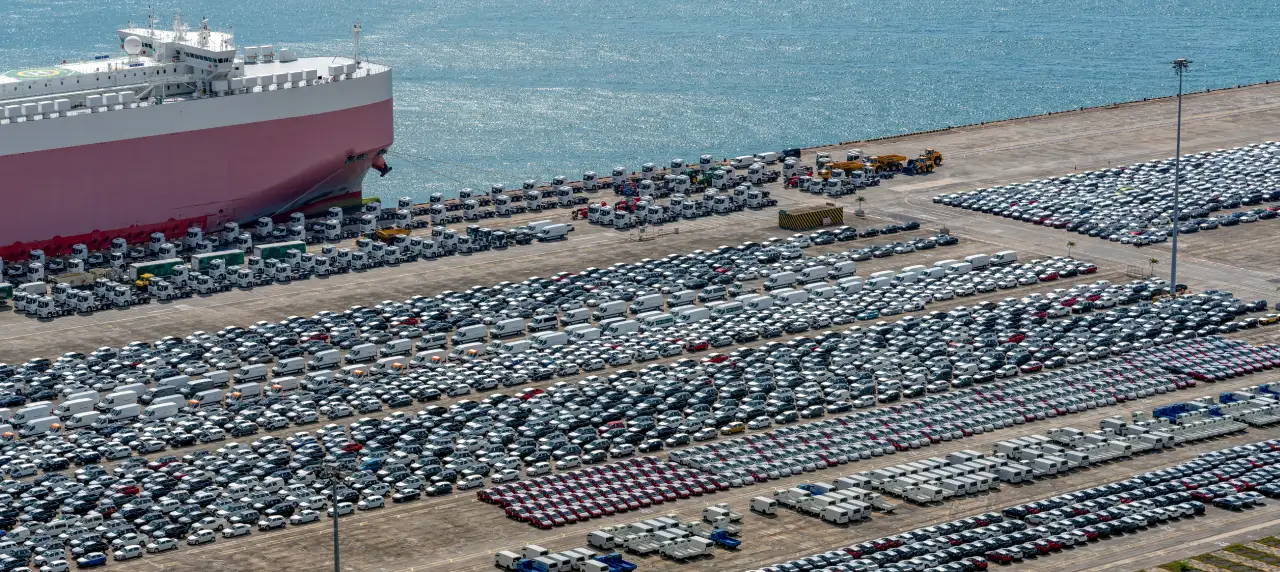
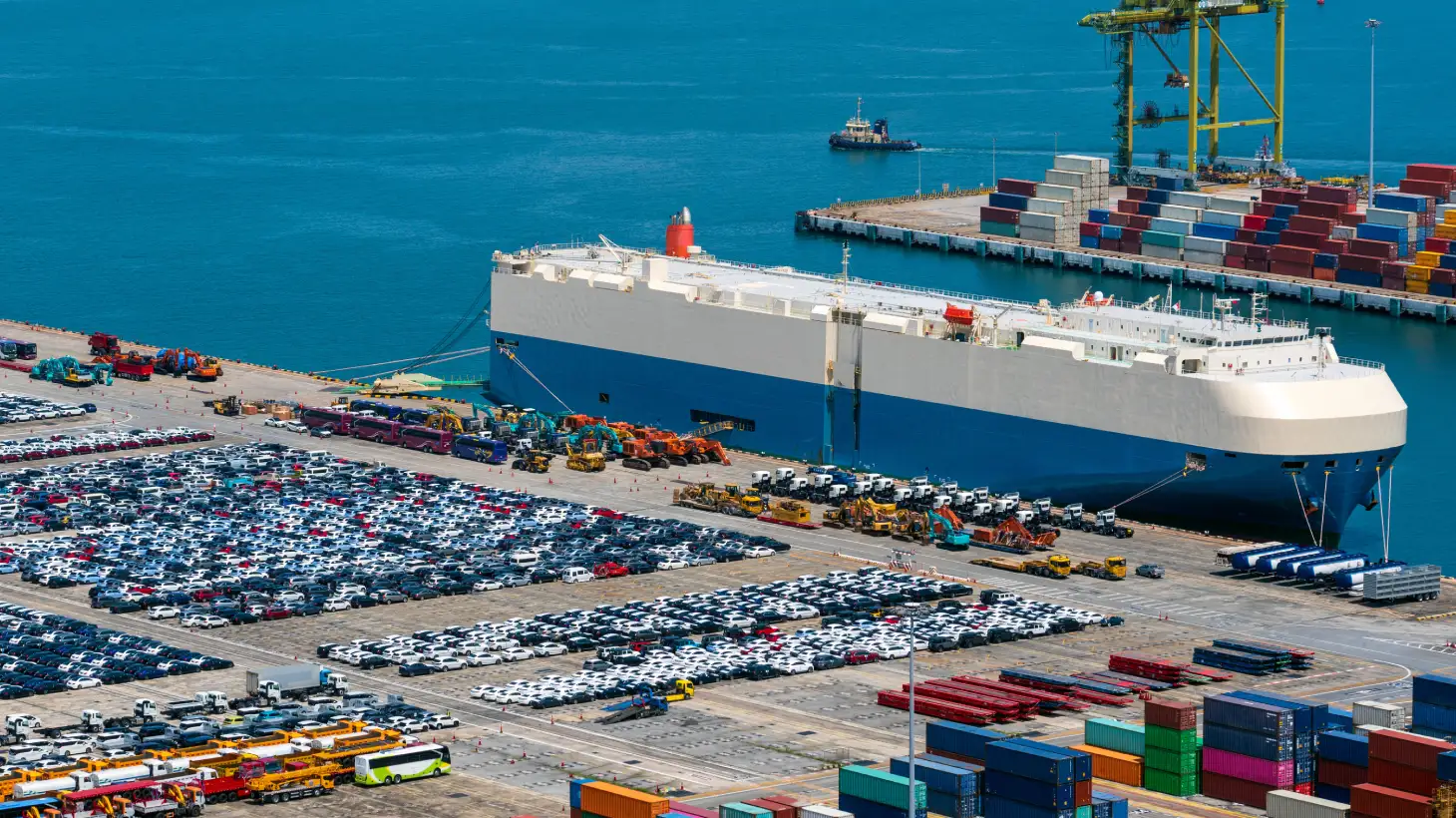
Cars and the RoRo vessel at the port waiting for loading

Calculate Import Duty in Minutes!

25% Tariff on Imports

On April 3, 2025, a 25% tariff on imported cars came into effect. For car parts, the tariff will apply no later than May 3, 2025. This tariff is in addition to any existing fees or duties. No drawbacks are available concerning the duties imposed under this proclamation.

Any car or car part that is not considered “domestic” (as defined by regulation 19 CFR 146.43) and is subject to this new duty must enter a US foreign trade zone under “privileged foreign status” (as defined by 19 CFR 146.41).

When cars or parts leave the trade zone and enter the US for sale or use, they become subject to standard import duties based on their classification under US tariff laws (HTSUS).

USMCA Vehicles and Parts

Cars that qualify under the USMCA trade agreement can apply the 25% tariff only to the value of parts made outside the US. Importers must provide proof of the US-made content.

The 25% tariff will not apply to USMCA-eligible car parts until a system is set up to calculate tariffs only on non-US content. The exception does not apply to automobile knock-down kits or parts compilations, it only applies to individual car parts.

If an importer falsely claims a higher US-made content to lower the tariff, the full 25% tariff will apply to the entire vehicle. This penalty will apply retroactively to all similar imports of the same importer.

Expanding the Tariff List

Within 90 days, the government will create a process to add more car parts to the tariff list if their imports “threaten US industry.” Decisions on new additions will be made within 60 days of a request. Also, the government may issue additional rules to clarify and enforce these tariffs.

If any past rules or executive orders conflict with this proclamation, this new policy takes precedence.


Our team will continue to monitor the situation and share updates if more details emerge. For the latest tariff-related information, ask at [email protected]

Read More

January 9, 2026
Antique Farm Equipment: History, Purpose, and Global Logistics
The roar of a hit-and-miss engine, the distinct shape of a John Deere Model D, or the sight of a McCormick-Deering threshing machine — these...
December 29, 2025
A Guide to Importing Machinery to Canada
For businesses in the machine industry, the border between the U.S. and Canada can look like a simple line on a map. However, when you're...
August 29, 2025
What is the Top of Goods Imported to Argentina
Key takeaways Argentina imports a wide range of goods, with a total import volume reaching approximately $60 million annually. Argentina’s majority of imports consist primarily...
Share via