Key Takeaways
- Out-of-gauge (OOG) cargo exceeds standard container dimensions. It cannot fit into conventional 20ft or 40ft containers due to excess height, width, or length
- Specialized containers are required for OOG shipments. Open-top and flat rack containers allow oversized cargo to be safely loaded and secured
- OOG shipping disrupts standard vessel stacking. Cargo protrusion results in lost container slots, which directly increases shipping costs
- Pricing is driven by space inefficiency. Additional charges compensate carriers for unusable vessel space caused by oversized loads
- Proper lashing and lifting are critical for safety. Detailed engineering plans, accurate weight data, and correct lifting points prevent damage and accidents
- Handling OOG cargo requires technical expertise. Each shipment demands custom loading plans and close coordination with ports, carriers, and loadmasters
- Overland transport is often the most complex stage. Route surveys, bridge limits, site access, and overhead obstacles must be evaluated in advance
- End-to-end planning ensures successful delivery. From origin pickup to final destination, OOG cargo requires precise coordination at every step
In the global supply chain, the majority of goods move seamlessly in six-sided shipping containers. These conventional containers are the industry standard, enabling easy stacking and transport. But the world is built on things that do not fit into a neat rectangular box. From massive wind turbines to heavy industrial construction machinery, some items simply exceed the limits of a standard shipping container.
This is the domain of out-of-gauge (OOG) cargo. But what is out-of-gauge cargo exactly, and how do shipping and transport companies handle these complex international shipments?
Get Your Free Quote Today!
Defining Out-of-Gauge Cargo
Out-of-gauge cargo, often shortened to OOG cargo or simply gauge cargo, refers to any freight that exceeds the internal dimensions of a standard container. Unlike standard freight, where the cargo dimensions fit strictly within the steel walls, OOG cargo protrudes beyond the length, width, or height of the unit.
This type of oversized freight cannot be loaded into a standard 20-foot or 40-foot box. Instead, shipping OOG cargo requires specialized equipment and precise planning. Whether it is mining machinery or oversized items for infrastructure projects, OOG shipping is distinct from standard sea freight because it disrupts the standard stacking patterns on a cargo vessel.
Equipment: Beyond the Standard Box
To facilitate transporting oversized cargo, the industry relies on specific container types that allow for flexibility while still securing the load for safe transport.
Open Top Containers
When cargo is too tall to fit through the door or exceeds the height of a standard roof, open-top containers are the solution. These units function similarly to a standard container but feature a removable hard roof or a canvas-coated tarp.
This design allows heavy-duty forklifts or cranes to lower heavy items, such as machinery or scrap metal, directly from above. While they have rigid walls, the lack of a fixed roof accommodates the vertical excess.
Flat Rack Containers
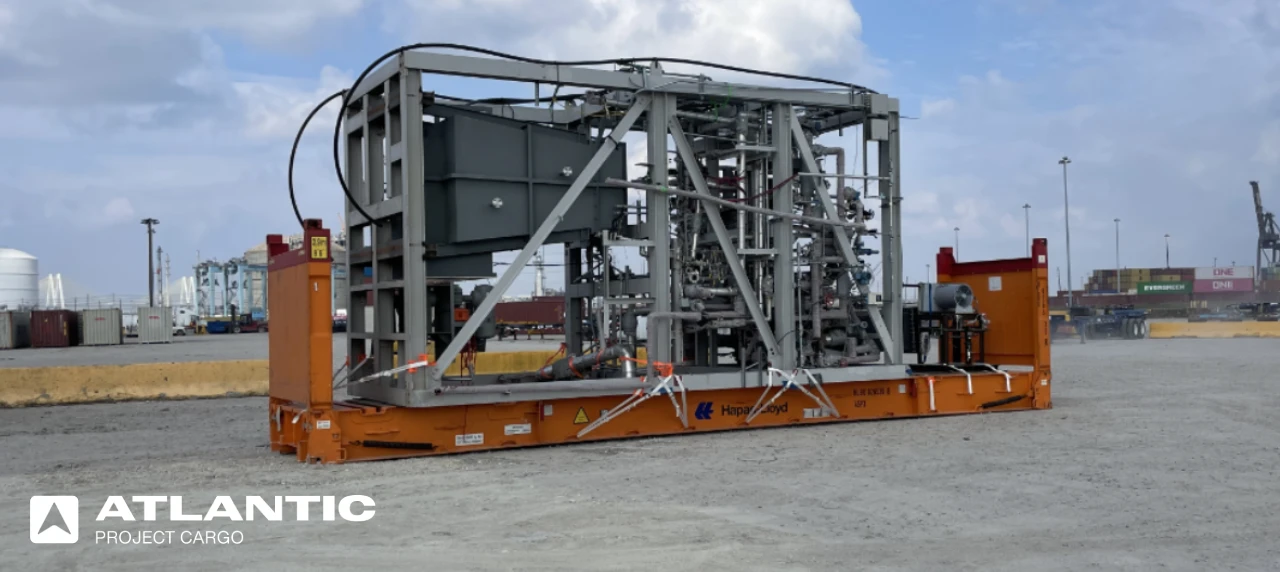
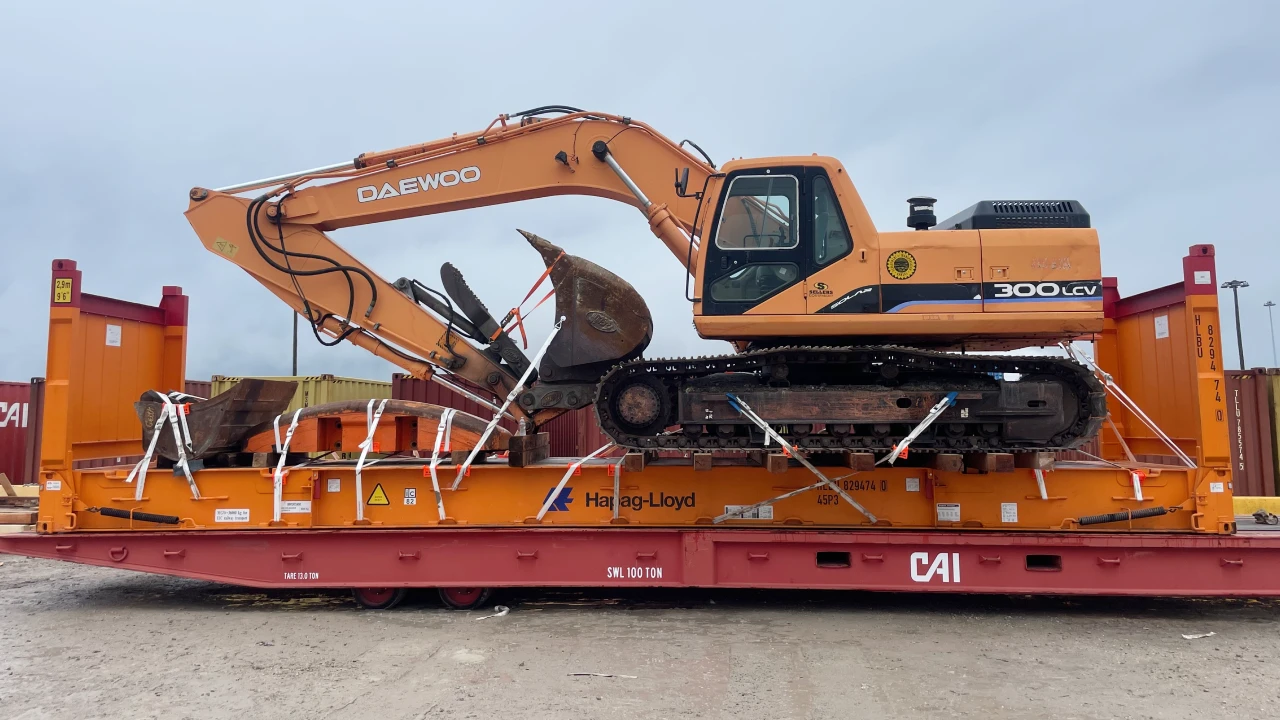
For cargo that is too wide or incredibly heavy, flat rack containers are essential. A flat rack consists of a thick steel floor with high handling capacity and no side walls. Many feature collapsible walls at the ends, while others have fixed ends.
This design allows oversized loads to hang over the sides. Flat rack containers are equipped with heavy-duty lashing rings to secure the load, preventing movement during transit.
Economics of OOG: Lost Slots and Wasted Space
A common question regarding shipping OOG cargo involves the cost. Why does gauge shipment come with extra costs or additional fees?
The answer lies in the concept of lost slots. On a container ship, efficiency relies on stacking boxes like bricks. When out-of-gauge cargo protrudes from a flat rack, it occupies the physical space of the containers that would normally sit next to it or stack on top of it. This wasted space means the shipping line cannot sell those slots to other customers.
To compensate for this wasted space, the shipping company applies additional costs. The number of lost slots directly influences the final price of the freight.
Technical Challenge: Lashing and Lifting
OOG cargo handling is an engineering discipline. Unlike standard boxes that are locked in place automatically, oversized cargo relies on a customized loading plan.
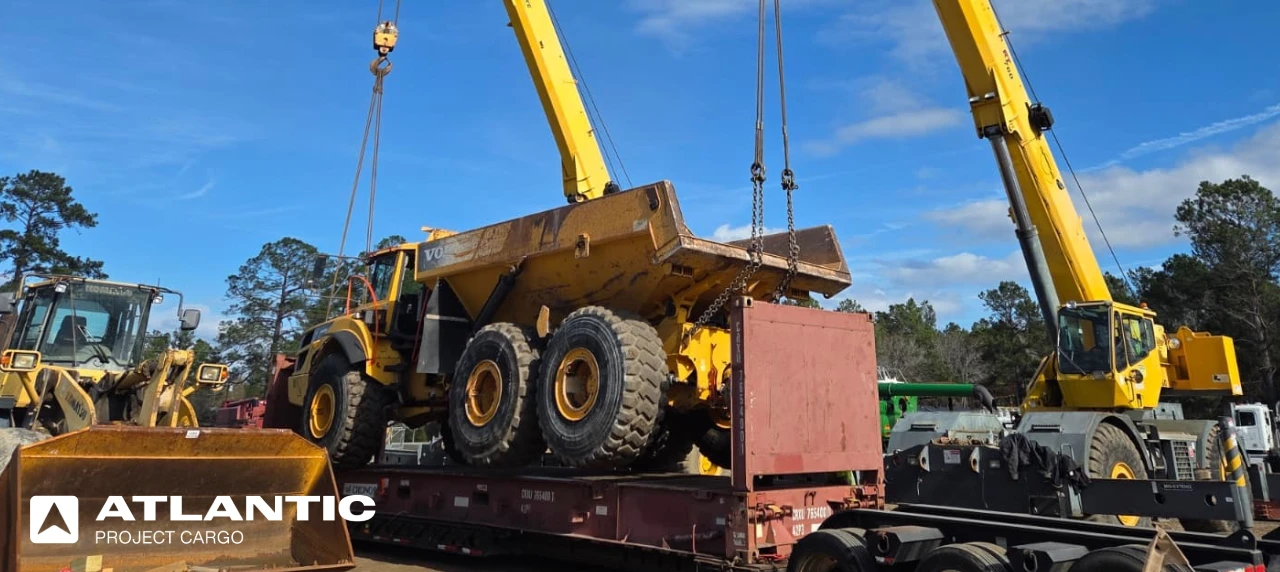
Cargo handlers and the ship or aircraft loadmaster need accurate and detailed information regarding the cargo weight, dimensions, and, most importantly, the gravity and lifting points. Technical diagrams are required to determine how to lift the item without damaging valuable cargo or the vessel. If lifting points are miscalculated on a piece of heavy machinery, the results can be dangerous.
Cargo sensitivity is also a major factor. Special cargo, such as sensitive aerospace parts, requires appropriate equipment and careful lashing to the thick steel floor of the rack to withstand the pitching and rolling of the ocean.
Journey: From Origin to Destination
The complexity of out-of-gauge cargo extends beyond the port. Overland transport is the most challenging part of the journey.
A freight forwarder must arrange for the cargo to be moved from the origin facility to the port, and later to the final destination. This involves checking site access, road widths, and weight restrictions on bridges. Can the transport vehicle handle the load? Are there overhead power lines that might obstruct high gauge OOG loads?
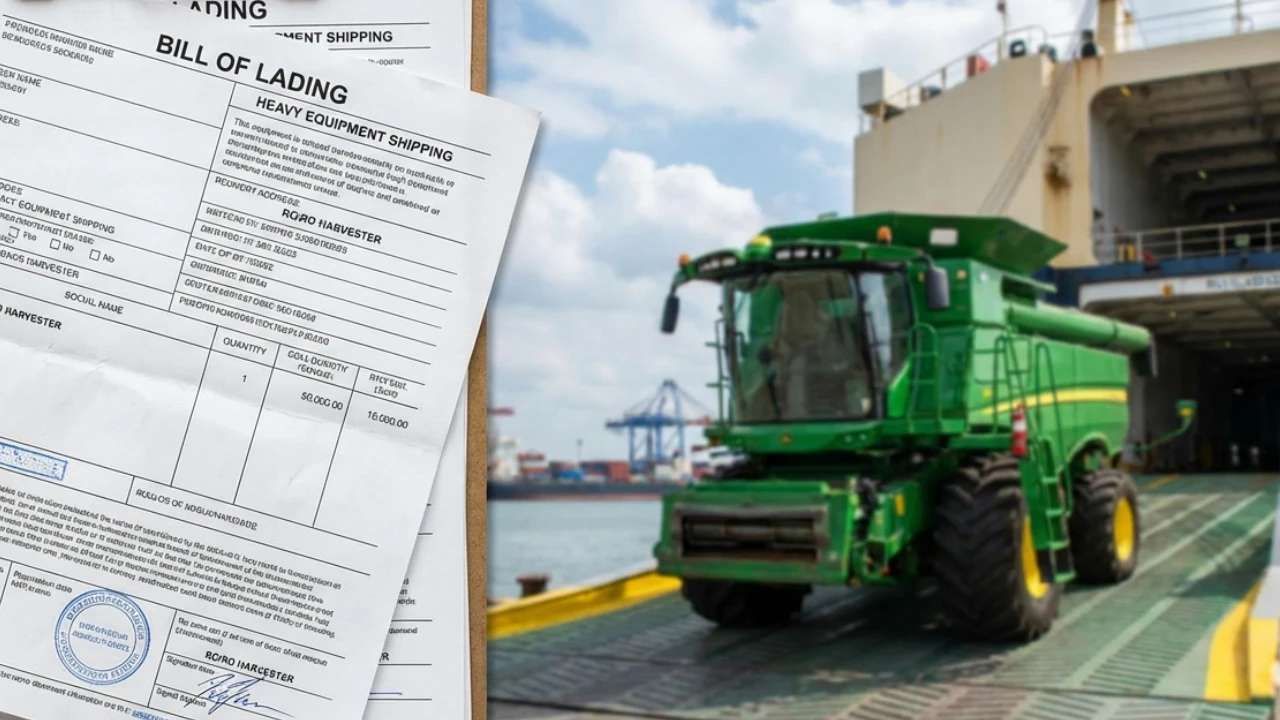
Sometimes, construction machinery or large components can be transported directly onto the vessel (using Roll-on/Roll-off methods), but often they require heavy-duty forklifts or cranes to be placed onto the flat racks before loading.
In urgent cases involving air freight, an aircraft loadmaster supervises the loading, ensuring the cargo size fits within the fuselage and the weight is distributed perfectly.
Get Your Free Quote Today!
Summary
What is out-of-gauge cargo? It is the heavy lifting of the logistics world. It is the oversized cargo, the specialized equipment, and the critical infrastructure that keep the world building and moving. OOG cargo work requires more than space on a ship; it requires expertise, precise loading plans, and a deep understanding of key factors like site requirements and handling capacity.
For any business dealing with oversized loads, understanding these mechanics is the first step toward a successful, safe, and efficient project. Need help moving something out-of-gauge? Let’s talk!
Read More