


John Deere S780 Combine Shipping from Illinois to Paraguay
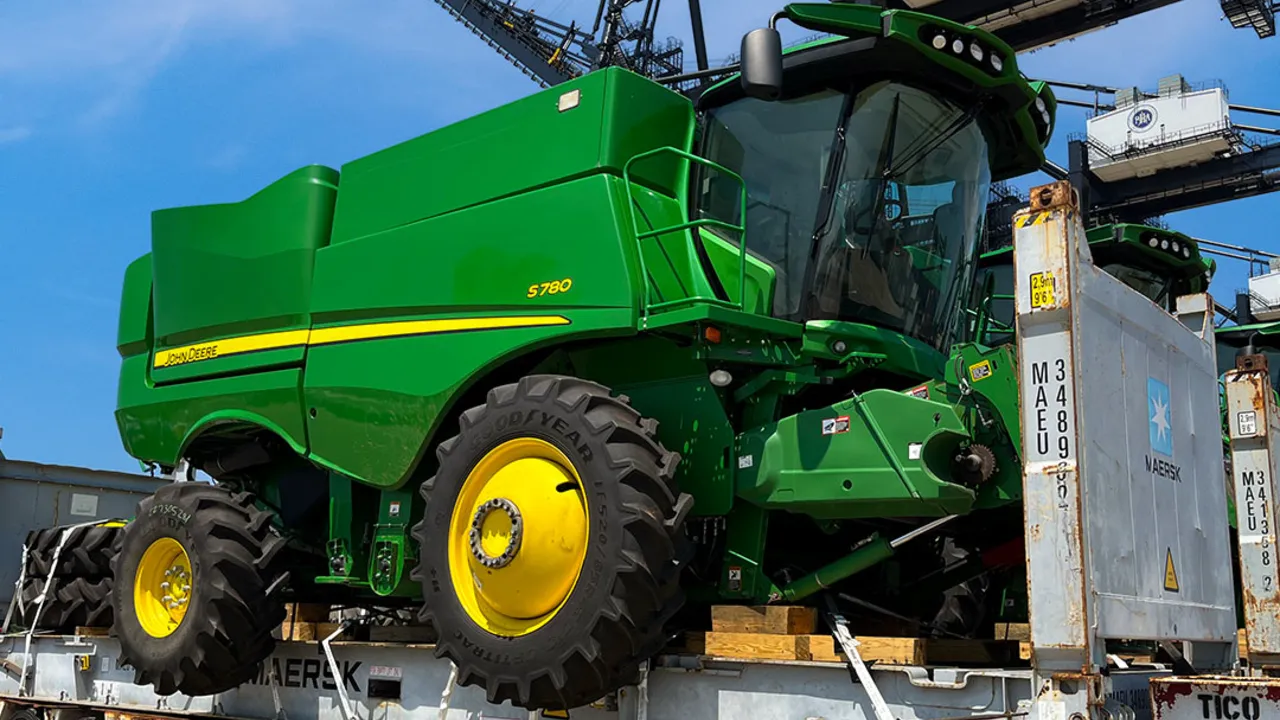
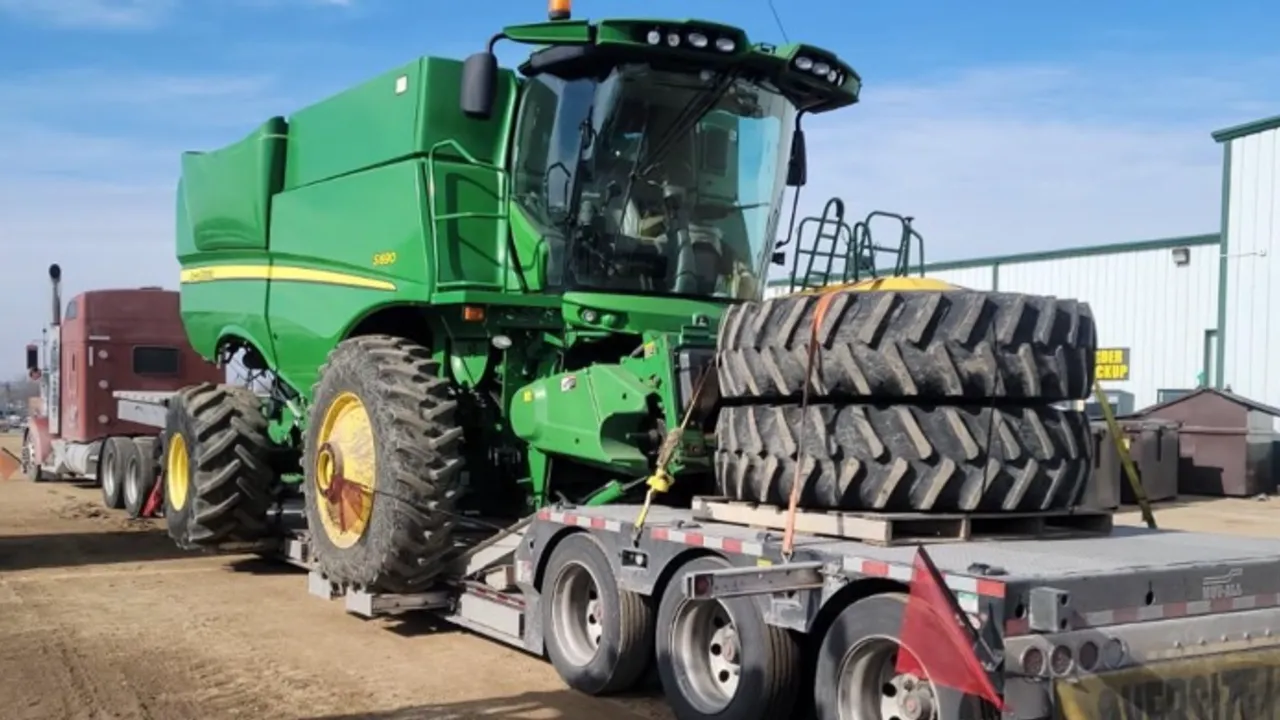
See how Atlantic Project Cargo shipped a John Deere S780 combine from Illinois to Paraguay via Montevideo using inland, ocean, and onward river transport.
How Atlantic Project Cargo moved a John Deere CP690 cotton picker from Alabama to Thessaloniki — fully EU phytosanitary-compliant, on a route with no direct RoRo service, delivered on schedule with zero unexpected costs.



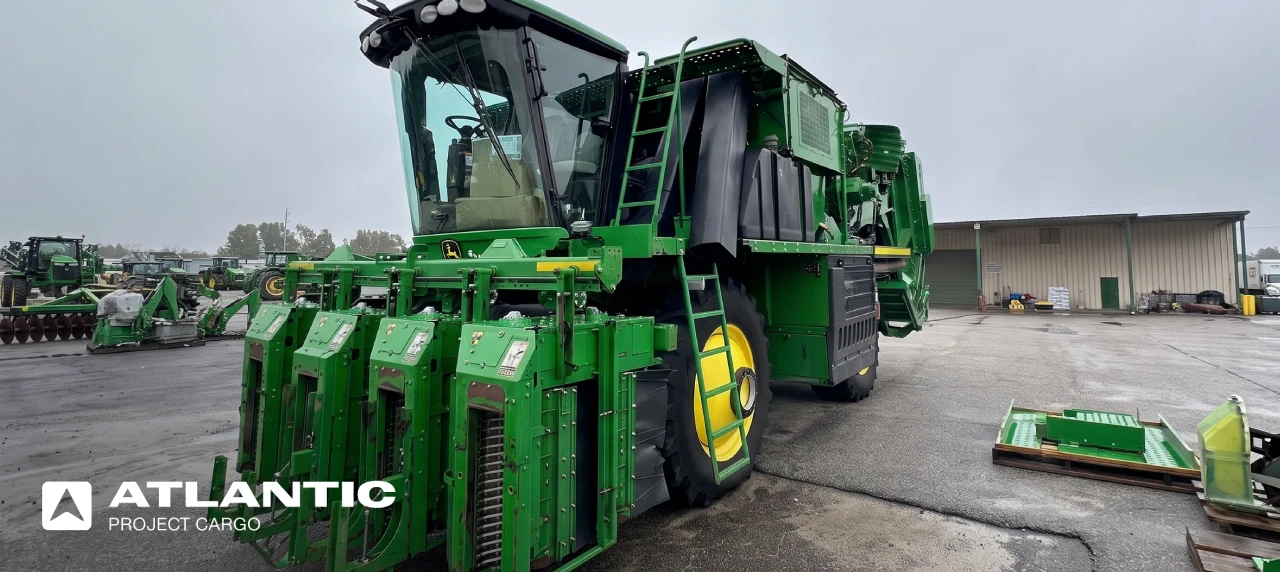
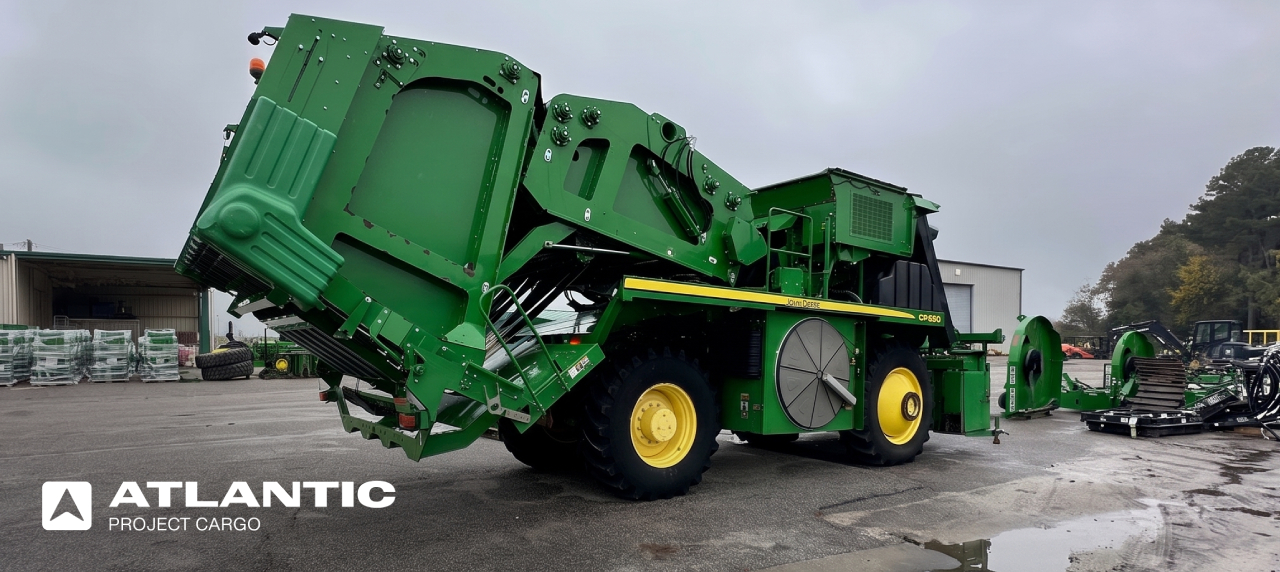
This case follows the export of a John Deere CP690 cotton picker from Alabama, USA to Thessaloniki, Greece — combining inland lowboy transport, mechanical disassembly, and strict EU phytosanitary compliance, executed via flat rack container since no direct RoRo route exists on this lane.
Weighing in at roughly 55,000–65,000 pounds even in its disassembled shipping configuration, and standing nearly 14 feet tall, the machine exceeded standard shipping dimensions and required custom routing. The objective: deliver on schedule, fully compliant with EU import regulations, with zero delays or additional handling costs at the destination port.
Why projects like this succeed — or get stuck at the port.
Direct RoRo service from the US to Greece is limited, and equipment this size and weight typically exceeds standard RoRo car-carrier deck specs — so oversized cargo like this has to move via flat rack instead.
The EU enforces zero-tolerance phytosanitary policy: any trace of foreign soil, plant debris, or pests fails inspection.
Port storage fees can exceed $150/day — controlled sequencing of prep, certification, and vessel schedules is what protects the timeline.
The John Deere CP690 exceeded the height and weight thresholds for standard containerized shipping, requiring header removal and basket folding to reduce height by nearly three feet for safe flat rack stowage and crane handling.
Choosing flat rack shipping over a chartered Breakbulk vessel saved the client approximately $6,500 in freight costs.
Greek ports (Thessaloniki, Piraeus) rely on feeder vessels and indirect routing, unlike major northern EU hubs like Bremerhaven, Antwerp, or Rotterdam.
This case follows the export of a John Deere CP690 cotton picker from Alabama, USA to Thessaloniki, Greece — on a route with no direct shipping service and strict EU compliance requirements.
Incorrect header removal or basket folding can cause transport issues and even road accidents en route to the port.
Header removal and basket folding performed by certified heavy machinery mechanics, reducing height by nearly three feet within safety tolerances.
Any trace of soil, plant residue, or organic material fails EU inspection, triggering rejection or costly re-treatment at the destination.
Full removal of soil and organic material via high-pressure steam, verified against EU import regulations, with official phytosanitary certification issued.
A single missing digit on a serial number or absent certificate can stall a shipment for weeks at customs.
Condition reports with high-resolution photography, serial number verification against bill of sale, and complete export/import documentation assembled in advance.
Missed vessel cut-offs from uncoordinated prep, certification, and scheduling lead to massive port storage fees.
Preparation teams, USDA certification, and vessel schedules synchronized end-to-end to avoid port storage delays.
From inland pickup to final delivery — the full 42-day journey.
Inland pickup, disassembly, cleaning/certification, documentation, flat rack loading
14 daysFlat rack transit to Thessaloniki
28 daysCleared customs, reassembled, operational.
Within 48 hoursDoor to door
44 daysNothing improvised. Every step below was pre-planned and validated before execution began.
Equipment collection was scheduled in rural Alabama. Route planning avoided low bridges and weight-restricted roads, oversized transport permits were secured across multiple state lines, and the machine was delivered safely to a specialized packing facility near the departure port.
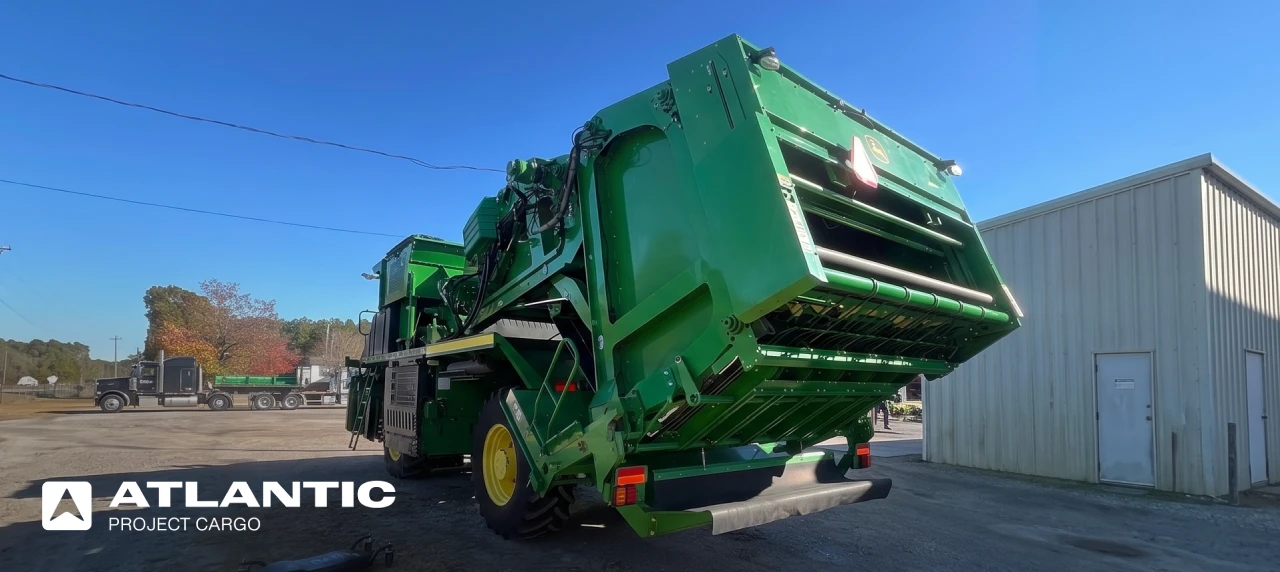
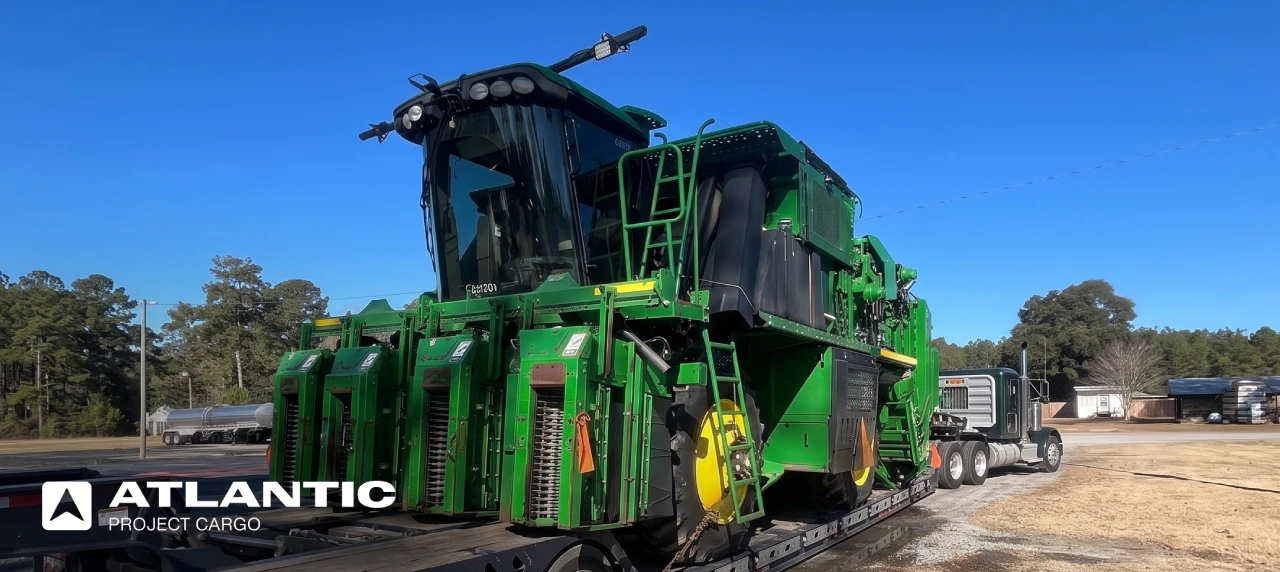
To fit the machine onto a flat rack and reduce ocean freight costs, its physical footprint had to be altered. Header removal was performed by certified heavy machinery mechanics, and basket folding reduced overall height by nearly three feet — dimension adjustments confirmed the machine fit within safety tolerances for crane handling and loading.
Meeting EU phytosanitary requirements is the most critical step of the process — inspectors check for soil, plant debris, and quarantine pests, and can physically inspect the machine on arrival if anything looks noncompliant. Soil, plant residue, and hidden organic material were removed using high-pressure steam, compliance was verified against EU import regulations, and official federal certification was issued with zero organic material remaining.
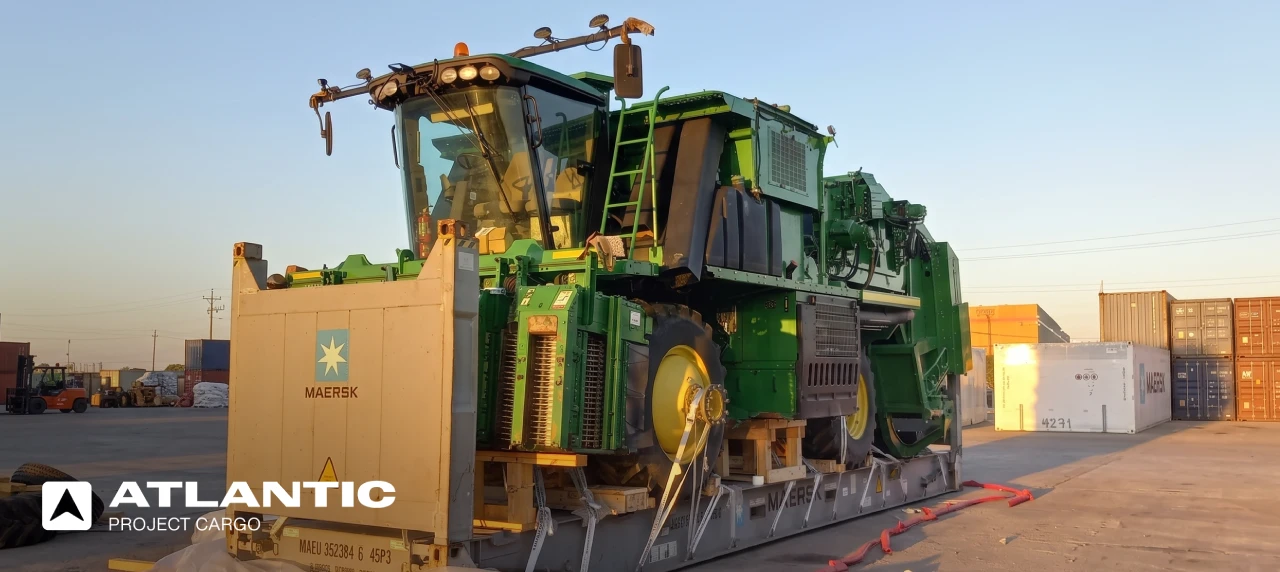
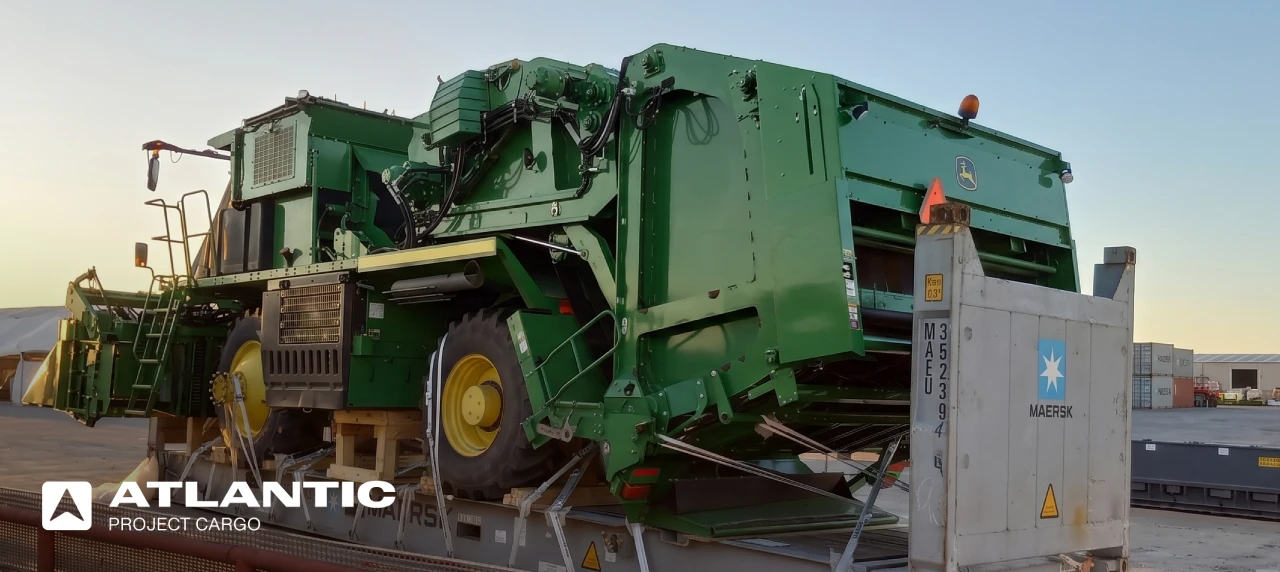
Equipment condition reports were generated with high-resolution photography, serial numbers were verified against the bill of sale and export declarations, and a complete export documentation package was assembled for US Customs — with Greek import documentation prepared in advance as well.
A flat rack is a shipping container with no sides or roof, letting oversized cargo extend beyond standard dimensions while still fitting a vessel’s cellular guides. A 40-foot flat rack was selected based on route availability and size constraints. Loading, blocking, bracing, and lashing used heavy-duty steel chains and specialized straps, with securing certified by independent marine surveyors and a pre-departure inspection confirming full maritime safety compliance.
Whether it’s a cotton picker or a combine harvester, Atlantic Project Cargo builds custom routes and manages end-to-end compliance for agricultural equipment shipping to Greece and across Europe.
Every phase of the shipment, what happened in it, and how long it took — door to door.
Costs for a project of this scope break down into four operational phases:
| Logistics Phase | Cost Calculation Factors |
| Inland USA Transport | Distance, fuel surcharges, state oversize permits |
| Disassembly & Prep | Mechanic labor hours, crane usage, steam cleaning |
| Ocean Freight | Flat rack slot fees, fuel adjustments, port handling |
| Destination Fees | Greek customs clearance, local delivery trucking |
By using flat rack shipping instead of chartering a specialized Breakbulk vessel, Atlantic Project Cargo saved the client approximately $6,500 in total freight costs.
The John Deere CP690 arrived safely in Greece right on schedule, with smooth customs clearance and no re-treatment or unexpected costs.
Successful arrival and discharge in Thessaloniki, on schedule.
Customs clearance processed within 48 hours, no re-treatment required by local agricultural inspectors.
No port delays or unexpected expenses billed to the client; flat rack method saved ~$6,500 vs a chartered Breakbulk vessel.
Equipment delivered to the farm ready for immediate use.
See how Atlantic Project Cargo shipped a John Deere S780 combine from Illinois to Paraguay via Montevideo using inland, ocean, and onward river transport.
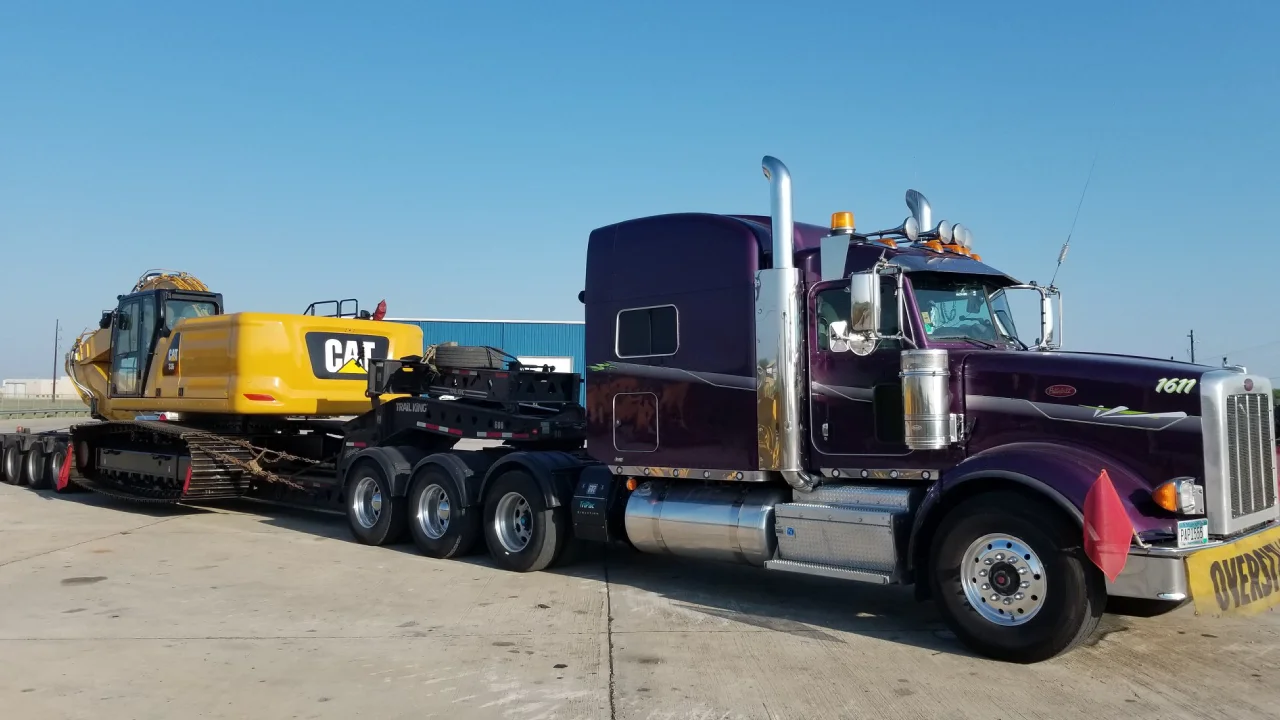
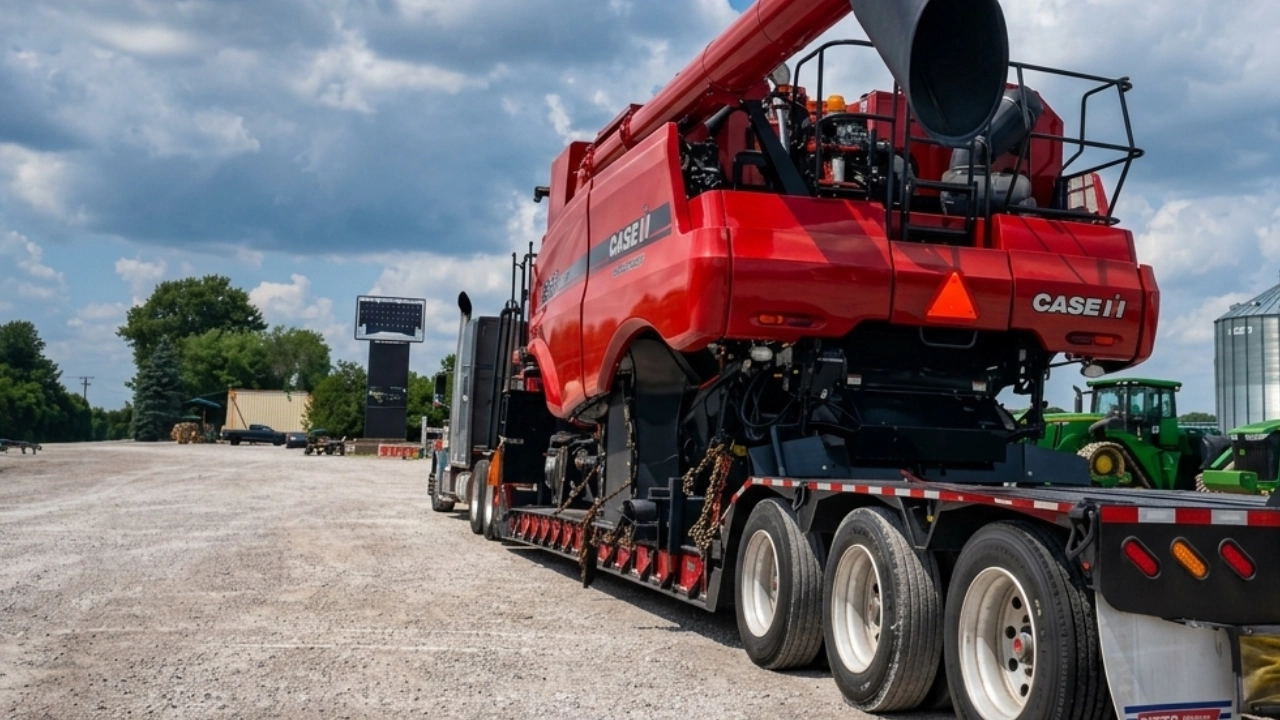
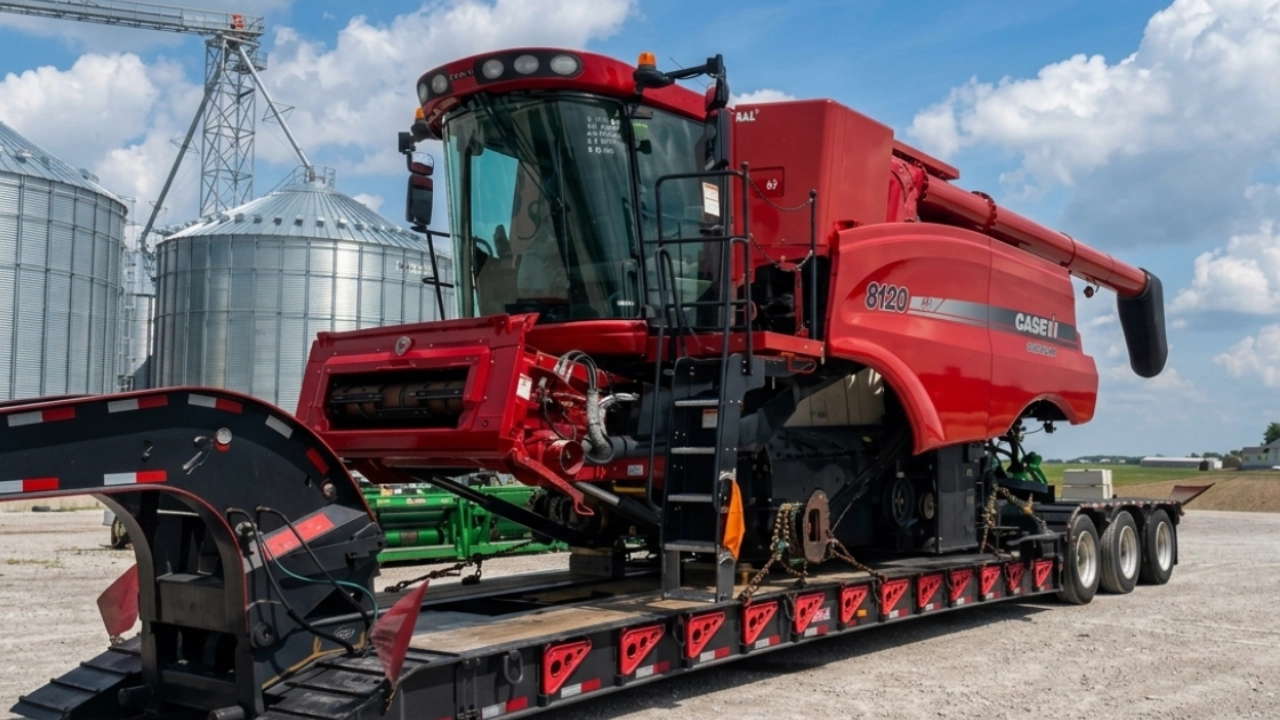
This case follows the export of a used 2012 Case IH 8120 Axial-Flow combine from Albany, Georgia, sourced through JumboBee for a buyer in Ismailia Governorate, Egypt. Atlantic Project Cargo coordinated the shipment from pickup in Georgia through delivery in Egypt. The Case IH 8120 is a Class 7 single-rotor grain combine, and its weight, […]