JLG Boom Lift Shipping from Houston to India Shipped USA → India
Containerized export of a JLG boom lift from Houston to India, including equipment disassembly, hydraulic system preparation, cargo securing, export documentation, and ocean freight coordination.
Total Timeline
~8.5 weeks, auction purchase → destination handover
Method
Containerized ocean freight
Worldwide Shipping
Americas · Europe · Asia Pacific · Africa
100,000+
Shipments Worldwide
20+ Years
In Heavy Cargo Logistics
4.9 Rating
on Google · 50+ reviews
Licensed Freight Forwarding Company
Home
Projects
JLG Boom Lift Shipping from Houston to India Shipped from USA to India
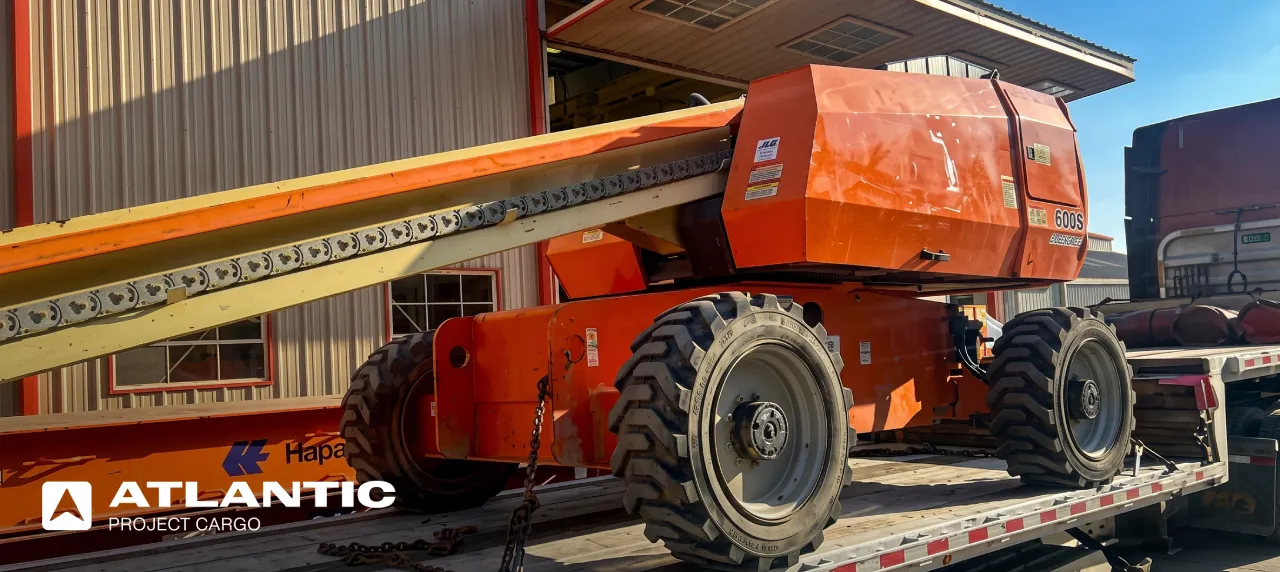
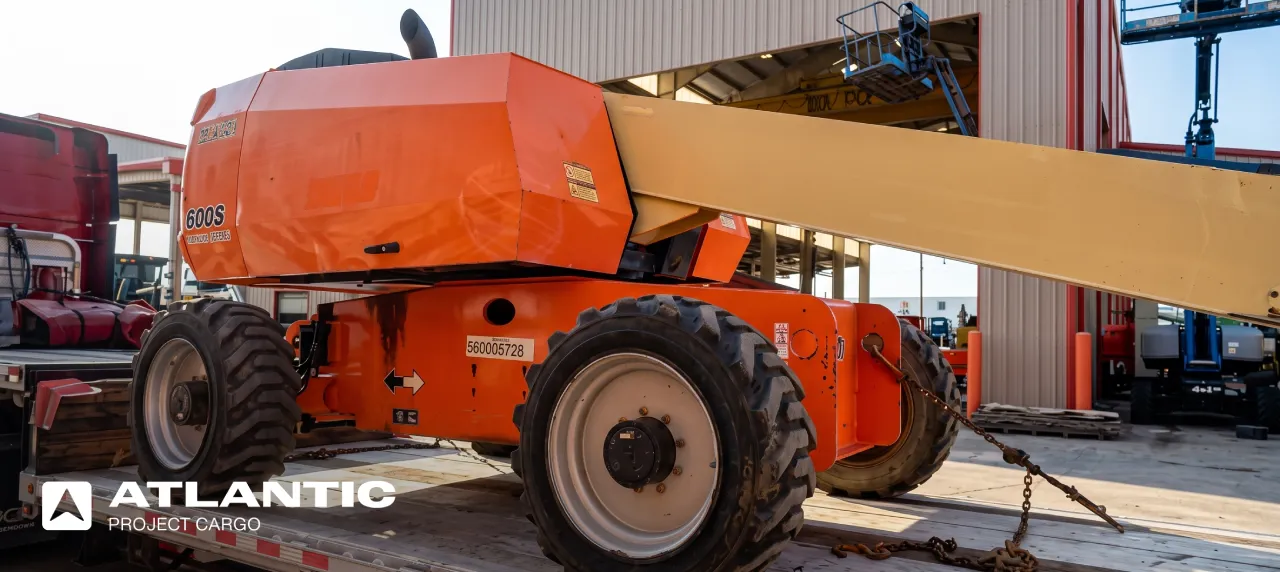
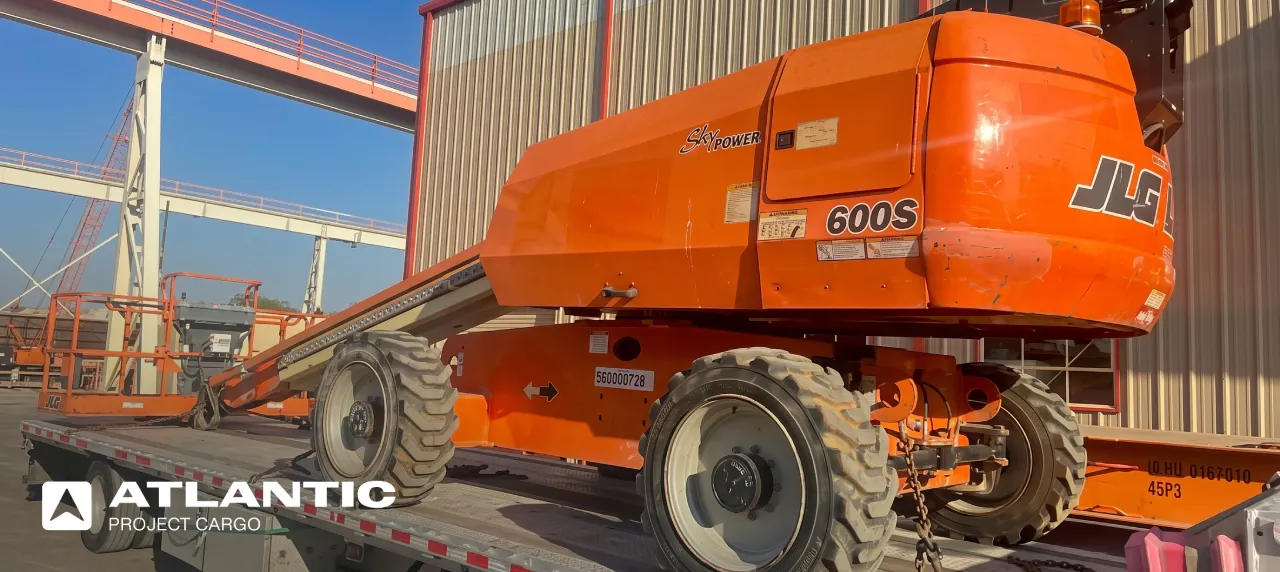
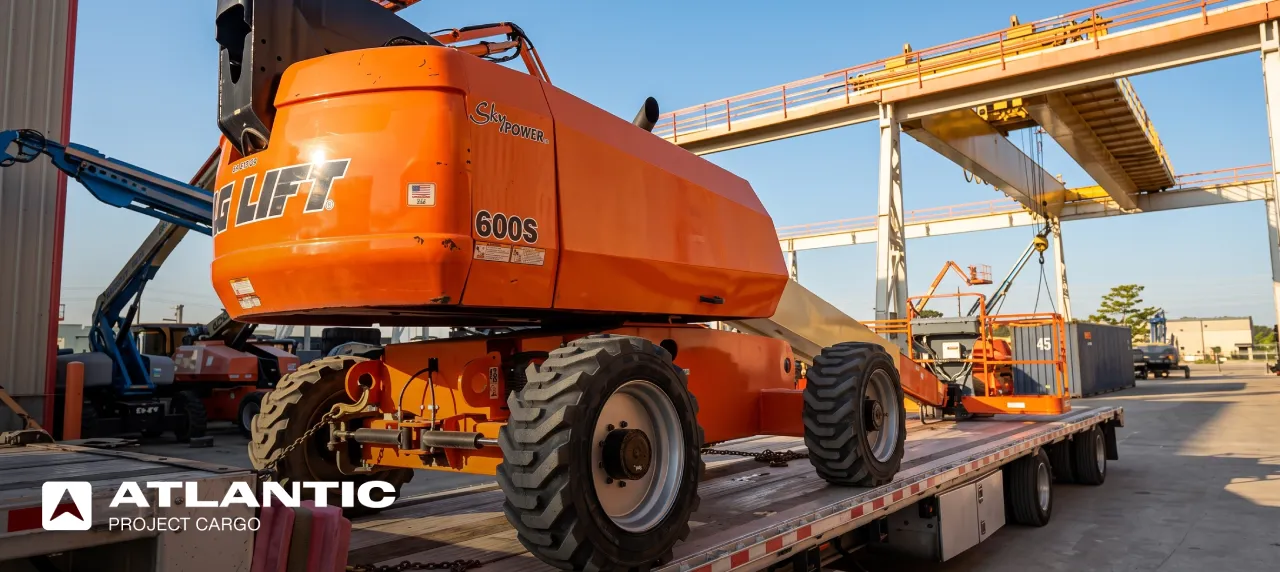
A JLG boom lift bought at auction in the United States needed to reach a buyer in India, and the challenge was not the distance but the shape of the machine. A boom lift is tall, long, and awkward, and in its working configuration it does not fit inside a standard shipping container. Left as it was, it would have meant a flat rack or breakbulk booking and the higher cost that comes with them.
The machine was purchased through Ritchie Bros. and brought to Atlantic Project Cargo’s facility in Houston, where the boom, jib, and basket were removed and its hydraulic and electrical connections were prepared for transport and later reassembly. Taking the machine down to a set of container-friendly dimensions turned an oversized problem into a standard 40-foot box.
Shipping large construction equipment often comes down to this: the freight method is only half the job, and the other half is preparing, protecting, labeling, and engineering the machine to fit the box you want to put it in. Atlantic Project Cargo coordinated that preparation and the export that followed.
Shipping Overview
EquipmentJLG 600S
OriginHouston, Texas, USA
DestinationNhava Sheva, India
Shipping MethodContainerized ocean freight
Cargo TypeConstruction equipment
Total Timeline~8.5 weeks, auction purchase → destination handover
Key Takeaways
The outcome of this export was decided at the loading facility, not on the water. How the machine was taken apart, protected, labeled, and packed is what made a standard container the right call.
Auction equipment travels straight into export. The boom lift came from a Ritchie Bros. auction and moved directly into the export process, so the buyer in India received a machine sourced in the US without handling the logistics themselves – Atlantic Project Cargo took delivery of the machine after the auction and coordinated the export that followed.
Disassembly is what unlocked the container. In its working shape, the boom lift is too large for a standard box. Removing the boom, jib, and basket brought it down to dimensions that fit inside a container, which is the whole reason this shipment did not need a flat rack or breakbulk.
Open hydraulics have to be sealed. Once hydraulic hoses are disconnected, the open connections are exposed to dust, moisture, and debris. Capping and sealing them before loading protects the system through weeks at sea, so the machine is not compromised before it reaches India.
Labeling is planned for the far end. A disassembled machine is only useful if it can be put back together. Every disconnected hydraulic line and electrical wire was identified so the team in India could match each connection correctly during reassembly.
A standard container was the economical choice here. After the machine was reduced to fit, a standard container became the more economical option for this shipment than a flat rack or breakbulk booking. The saving came from the disassembly, not from the container alone.
Securing is part of the load, not an extra. A partially disassembled boom lift and its removed parts can shift and strike each other inside a moving container. Blocking, bracing, and restraints turn a set of loose components into a stable, single load.
Four Risks, Four Fixes
A containerized export like this has four practical dangers: a machine that will not fit, contaminated hydraulics, a reassembly tangle at the far end, and cargo that moves in transit. Each was managed at the Houston facility before the container left.
Equipment did not fit standard container dimensions
In its original configuration the boom lift could not be loaded into a standard container. Its working height and length, with the boom and basket attached, put it outside the internal dimensions of a standard box.
Controlled equipment disassembly
The boom, jib, and basket were removed, and [describe what was done to the chassis/tire track] to bring the machine down to roughly 21 ft long and under 7 ft [X] wide and tall — within the container’s interior — which is what made containerized transport possible.
Hydraulic contamination during transit
Once the hydraulic lines were opened, dust, moisture, or debris could enter the system during loading and the ocean crossing, and contaminated hydraulics can cause problems long after arrival.
Line labeling and protective capping
Each hydraulic connection was individually identified and capped with threaded plastic hydraulic caps and plugs before loading, sealing the system against contamination for the voyage.
Reassembly errors at destination
With hydraulic hoses and electrical wiring disconnected, the team in India could face confusion or delay putting the machine back together if the connections were not clearly marked.
Numbered and color-coded connections
Electrical wiring and the disconnected systems were labeled with numbered tags and color-coded tape so the destination team could identify the correct connections and rebuild the machine without guesswork.
Cargo movement inside the container
Even taken apart, a boom lift and its removed components are heavy and awkward, and they can move and strike each other during container handling and at sea.
Blocking, bracing, and cargo securing
The machine and its removed parts were positioned inside the container with the weight distributed, blocked and braced with dunnage timber, and held with ratchet straps and chain restraints, followed by a final check that nothing could move.
How the timeline played out
The export ran from the auction purchase through to the sailing for Nhava Sheva, with the bulk of the work happening at the Houston facility.
Auction purchase confirmed
JLG boom lift secured through Ritchie Bros.
March 3, 2026
Delivered to Houston facility
Machine transported to the APC loading location.
March 6, 2026
Inspection and planning
Condition and shipping dimensions reviewed.
March 9–10, 2026
Boom lift disassembly
Boom, jib, and basket removed.
March 11–13, 2026
Hydraulic and electrical preparation
Lines capped, connections labeled.
March 13–14, 2026
Container loading and securing
Machine and parts positioned, blocked, and braced.
March 16, 2026
Export documentation and port delivery
Documents prepared, container released to the port.
March 17–19, 2026
Ocean freight to Nhava Sheva
Container sailed from the US to India.
March 21 – April 27, 2026 (~37 days)
Destination handling
Customs clearance and handover to the buyer’s agent.
April 28 – May 2, 2026
How Each Phase Was Handled
Three phases carried this export: taking the machine apart, protecting and packing it, and getting it documented and shipped. The detail below sits behind the summary above.
Equipment inspection and disassembly
When the boom lift arrived from the auction, it was inspected and its shipping dimensions reviewed against the container it needed to fit. The components standing in the way were identified, then removed in a controlled sequence. The electrical cable was disconnected from the basket control panel, the compressed-air line was disconnected, and the hydraulic hoses running through the jib were released before the basket, jib, and boom came off. Every disconnected system was identified before removal, so nothing left the machine without a record of where it belonged.
The unit, a JLG 600S, was still operational when it arrived from the auction, and the disassembly was carried out by APC’s own rigging crew at the Houston facility. Pre-shipment inspection — Condition and dimensions reviewed on arrival from the auction. Controlled disassembly — Boom, jib, and basket removed in sequence to reach container dimensions. Component identification — Electrical, air, and hydraulic connections identified before anything was removed.
Hydraulic protection and container loading
With the machine apart, the focus moved to protecting it and packing it as one stable load. The hydraulic lines were labeled and capped to seal them against contamination, and the electrical wires were color-coded and numbered for reassembly. The machine and its components went into a single 40-foot High Cube container, with timber dunnage for blocking and bracing and ratchet straps and chain restraints holding everything in place for the crossing. Hydraulic protection — Lines capped and sealed against dust and moisture for the crossing. Reassembly labeling — Wires and connections numbered and color-coded for the destination team. Container securing — Load distributed, blocked, braced, and strapped as a single stable unit.
Export documentation and ocean freight
With the container loaded and sealed, the export documentation was prepared and the container was released and delivered to the port for its ocean booking to Nhava Sheva. The shipment was routed to India and followed to arrival, where it was handed to the agreed destination handling. APC prepared the commercial invoice, packing list, bill of lading, and Certificate of Origin, and the container moved from the Port of Houston with one transshipment en route to Nhava Sheva, where APC’s scope ended at the port of discharge and the buyer’s agent in India took over customs clearance and inland delivery.
Export documentation — Export papers, including the commercial invoice, packing list, bill of lading, and Certificate of Origin, were prepared and the container was released for shipment. Ocean freight coordination — Container booked and routed from the US to Nhava Sheva. Destination handling — Handed off at the port of discharge, with the buyer’s agent in India taking on customs clearance and final delivery.
Need to Ship Construction Equipment Overseas?
Atlantic Project Cargo coordinates international shipping for boom lifts and other construction equipment, including equipment disassembly, container loading, cargo securing, export documentation, and ocean freight.
01Auction purchaseJLG boom lift purchased through Ritchie Bros.March 3, 2026
02Delivery to Houston facilityEquipment transported to the APC loading location.March 6, 2026
03Inspection and planningEquipment condition and shipping dimensions reviewed.March 9–10, 2026
04Equipment disassemblyBoom, jib, basket, and related connections removed.March 11–13, 2026
05System preparationHydraulic lines capped and electrical connections labeled.March 13–14, 2026
06Container loadingEquipment and removed components positioned inside the container.March 16, 2026
07Cargo securingEquipment blocked, braced, and restrained for ocean transport.March 16, 2026
08Export documentationExport documents prepared and container released for shipment.March 17–19, 2026
09Ocean freightContainer transported from the United States to Nhava Sheva.March 21 – April 27, 2026 (~37 days)
010Destination handlingCustoms clearance, unloading, and final handover, if included in scope.April 28 – May 2, 2026
Total timelineAuction pickup through destination handover.8.5 weeks (61 days)
Result
The JLG boom lift was disassembled, labeled, protected, and secured inside a standard shipping container at the Houston facility. The shipment was then prepared for export and transported by ocean freight to Nhava Sheva, India.
Disassembled
Boom, jib, and basket removed to reach container dimensions
Protected
Hydraulic lines capped and connections labeled for the crossing
Containerized
Machine and components loaded and secured inside a standard container
Exported
Prepared for export and shipped by ocean freight to Nhava Sheva
All success stories
Case IH 8120 Combine Shipping from the USA to Egypt
Time:38 days, pickup in Georgia to final delivery in Ismailia
This case follows the export of a used 2012 Case IH 8120 Axial-Flow combine from Albany, Georgia, sourced through JumboBee for a buyer in Ismailia Governorate, Egypt. Atlantic Project Cargo coordinated the shipment from pickup in Georgia through delivery in Egypt. The Case IH 8120 is a Class 7 single-rotor grain combine, and its weight, […]
New Holland CR9060 Combine Shipping from the USA to Peru
Time:34 days, pickup in California through delivery in Peru
The New Holland CR9060 was purchased through JumboBee by an agricultural operation on Peru’s north coast, with Atlantic Project Cargo coordinating the international transport from California to the buyer’s destination. The machine was located in the Sacramento / Central Valley area and needed to reach a grain-producing operation near Chiclayo, in the Lambayeque region of […]
Jaguar XJ220 Air Freight from New York to Singapore
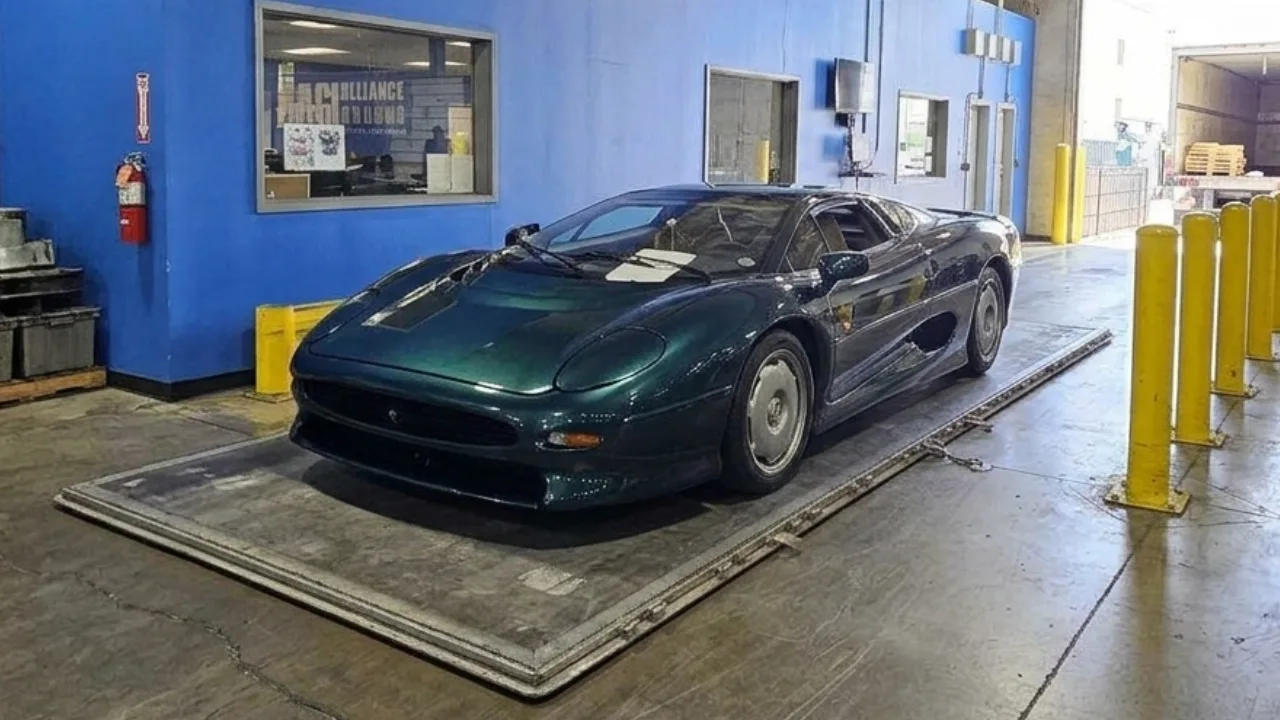
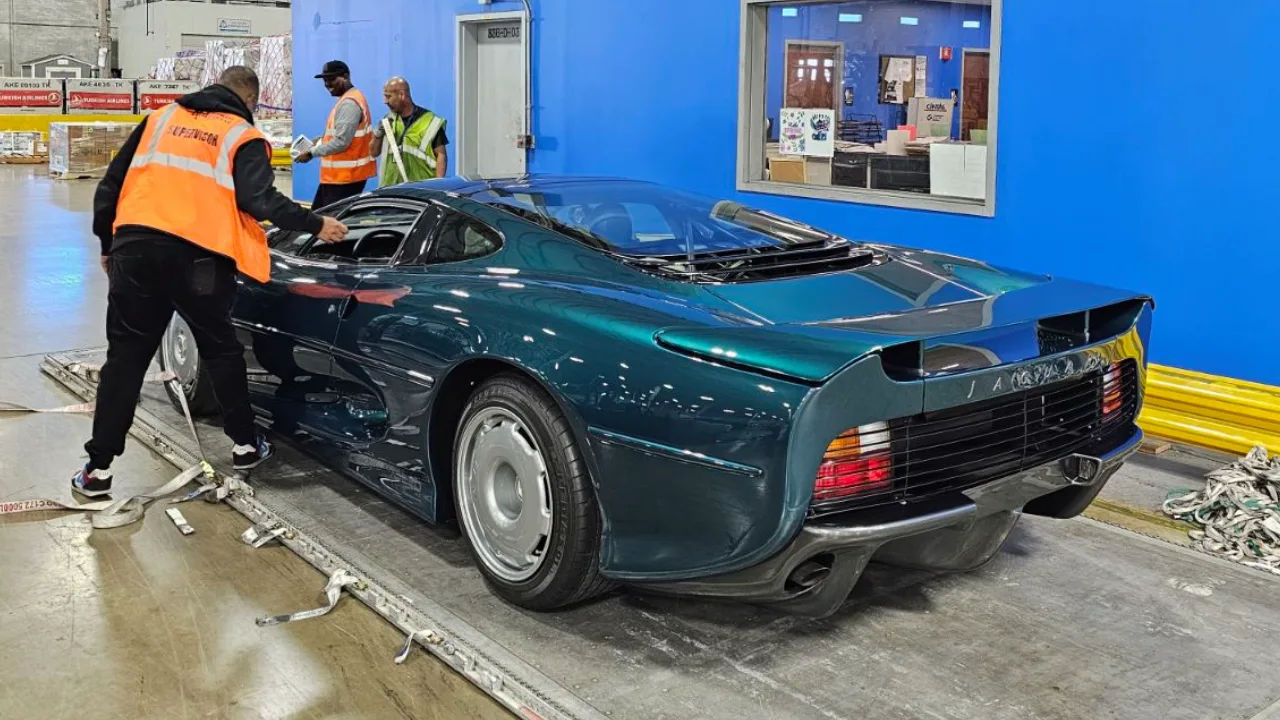
This case follows the air freight of a Jaguar XJ220 from New York to Singapore, departing from John F. Kennedy International Airport. Air freight was chosen for a vehicle of this value and rarity because it shortens the door-to-door timeline and keeps the car out of the marine environment, though it comes with its own […]
What are You Searching for?
Atlantic Project Cargo uses cookies to enhance your website experience. By continuing to browse, you agree to our use of cookies. For more information, please visit our Privacy Policy.