
Hours of operations:
9AM - 5PM / UTC -5 (EST)

Hurricane Season 2026: Why Yacht Owners Need to Move Now, Not Later

May 19, 2026
Shipping Quote
Customs Duties
Drayage Rate
Do you already own this equipment?

You Can Request a New Quote Every 15 Minutes

Please wait or contact us at [email protected]

Thank you for Choosing Us!

Looking to buy or sell heavy equipment?
With JumboBee, you can trade online with financing options and worldwide shipping.

Check Inventory
Calculate Import Duties
Get a free, no-obligation estimate of your import duties!
Calculate Import Duties
Get a Drayage Estimate
Get a free drayage estimate tailored to your exact needs!
Check a Drayage Rate
Home Insights Hurricane Season 2026: Why Yacht Owners Need to Move Now, Not Later
Written by
Atlantic Project Cargo Editorial Team

Every year, the Atlantic hurricane season catches yacht owners off guard. Storms don’t wait for logistics to catch up — and neither does transport availability.

With AccuWeather forecasting 11–16 named storms and up to 7 hurricanes for the 2026 Atlantic season, and NOAA’s Hurricane Preparedness Week reinforcing the message to act early, the industry consensus is clear: plan ahead or pay the price.

Here’s what that means for yacht transport, and how Atlantic Project Cargo’s upcoming westbound sailings can help you get ahead of it.

Why Early Planning Matters For Yacht Transport

Hurricane season officially begins June 1 and runs through November 30. But the most dangerous window – peak activity – typically falls between mid-August and mid-October. That’s exactly when compressed scheduling and high demand make last-minute transport difficult to secure.

Early planning delivers three concrete advantages:

  1. Schedule flexibility. You choose when and where your vessel moves, rather than scrambling for whatever berth remains.
  2. Avoiding weather windows. Sailings that depart before season peaks operate outside the highest-risk period for Atlantic and Gulf passages.
  3. Protecting your investment. A yacht left in a vulnerable marina during peak storm activity is exposed to damage, insurance complications, and emergency relocation costs that can far exceed the cost of proactive transport.

The Real Cost of Waiting: What Happens When You Don't Plan Ahead

Most yacht owners underestimate how quickly options disappear once the season accelerates. It’s not just about the storms – it’s the cascade of logistical pressures that build in the months before them.

Marina Congestion and Haul-Out Shortages

As hurricane season approaches, marinas along the Atlantic and Gulf coasts fill up fast. Boat yards that offer haul-out and storage face surging demand, and slots book weeks in advance. Owners who wait too long find themselves on waiting lists or forced into facilities that don’t suit their vessel’s size or draft requirements.

Compressed Transport Schedules and Limited Berths

Yacht transport carriers operate on fixed sailing schedules. As peak season approaches, available berths fill quickly – and carriers don’t add capacity on short notice. Owners who miss their preferred sailing window often face a choice between waiting for the next available departure (which may fall squarely within the storm window) or accepting a significantly less convenient routing.

Emergency Relocation Costs

Last-minute vessel repositioning during an active hurricane threat is expensive. Emergency haul-outs, rush transport arrangements, and expedited logistics coordination carry premium pricing. In some cases, owners have faced costs multiples higher than a pre-season transport would have cost – simply because they waited.

Insurance Pressure During Peak Activity

Many marine insurance policies carry specific exclusions or require notification during named storm events. Operating in a high-risk zone during peak hurricane activity can create complications at claim time, particularly if the vessel is in a location that your underwriter considers avoidable. Moving the vessel early is the cleaner option.

Why Westbound Sailings Are the Right Move Before Hurricane Season

Westbound sailings – repositioning vessels from the Caribbean and Atlantic toward North American ports – are specifically relevant for owners who summer their vessels in European or Mediterranean waters and need them stateside before the Atlantic and Gulf become active.

The logic is straightforward: the further east your vessel sits as August approaches, the more exposure it has to the prime Atlantic storm track. Westbound sailings that depart before mid-July put your vessel out of the highest-risk corridor before the season reaches its most active phase.

Atlantic Project Cargo’s westbound sailings are structured to give owners the lead time needed to clear the Atlantic before peak activity. Securing a berth on these departures means your vessel is repositioned – safely, on a known schedule – rather than riding out the season in a location that carries unnecessary risk.

2026 NORTH AMERICA WESTBOUND SAILINGS

How to Prepare: Three Steps Before Hurricane Season

Step 1: Confirm your vessel’s location and desired destination. Know where the vessel is now and where you need it by early summer. This determines which sailing windows are viable for your situation.

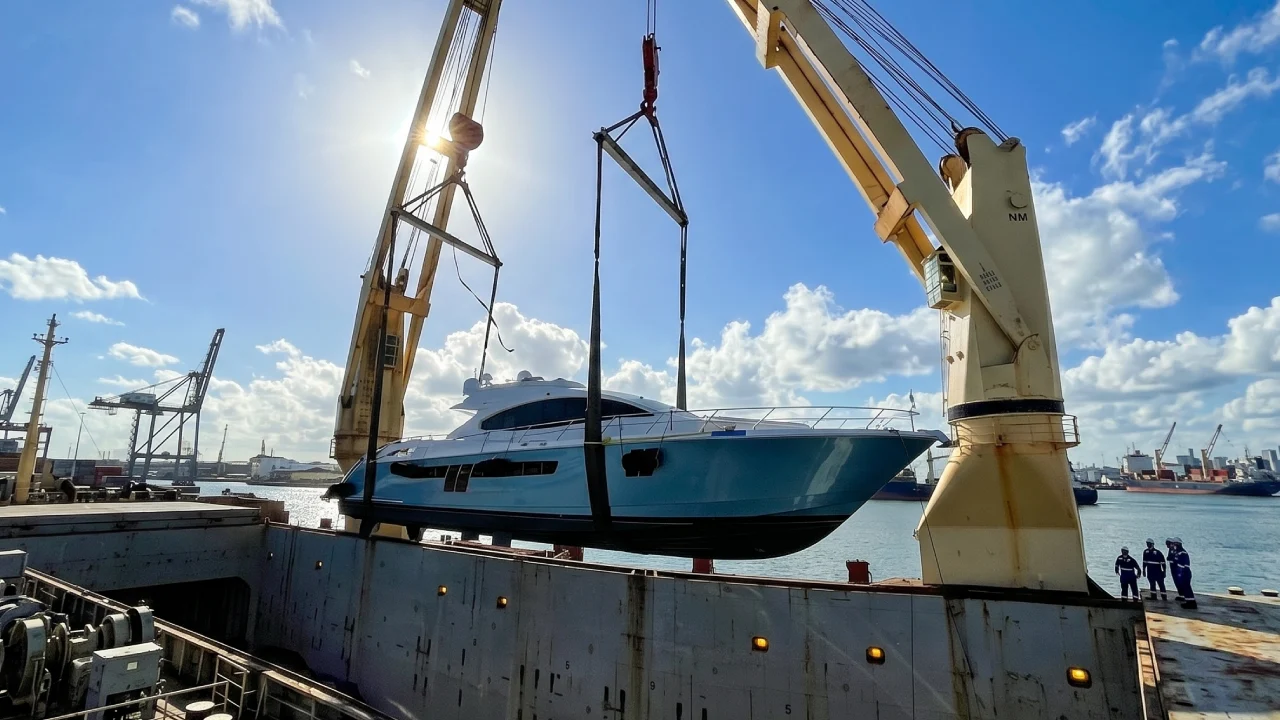
Step 2: Contact Atlantic Project Cargo early. Even if your preferred sailing is weeks away, securing your berth gives you first priority on space and avoids the premium rates that tend to emerge when demand concentrates in May and June. Our team handles yacht transport, including RoRo and specialized ocean freight – discuss your vessel specifications, and we’ll match you to the right sailing.

Step 3: Get a quote and confirm your booking. Once you’ve confirmed the sailing and routing, locking in your quote protects you against rate increases as demand climbs closer to the season.

View Full 2026 Sailing Schedule

Don’t let hurricane season make the decision for you.

Frequently Asked Questions

The safest window is before July 1. Peak Atlantic storm activity typically runs from mid-August through mid-October, and transport berths fill significantly in the 8–12 weeks before that window. Owners who initiate planning in March through May consistently have the most options – both in terms of sailing dates and pricing.

Yes, materially. As the season approaches, available berths on westbound sailings fill up and carriers don’t add capacity on short notice. Owners waiting until June or July often find their preferred departures already booked, leaving them with later sailing dates that fall closer to peak storm activity – or no suitable options at all.

For hurricane season repositioning, a minimum of 8 weeks before your target departure is recommended. Booking 12–16 weeks out gives you the most flexibility on dates, routing, and pricing. If you’re unsure of your exact timing, reaching out early lets you hold a berth while you finalize plans.

Sailings that depart before the peak window – generally defined as mid-August through mid-October – operate outside the period of highest risk on the Atlantic. Westbound departures in June and early July clear the primary storm track before the most active phase of the season, reducing exposure for both the vessel and the transport carrier.

Options narrow considerably. You may still find transport availability, but it will likely be on a later departure that falls within the active season, at higher rates, with less flexibility on scheduling. In some cases, owners have resorted to emergency haul-out and land storage – at significant cost and with limited availability in their preferred yard. Pre-season planning exists specifically to avoid this scenario.

Read More

February 26, 2026
The Difference Between 3PL vs 4PL
As global supply chains grow more complex, companies increasingly rely on outsourced logistics partners to move goods efficiently, control costs, and manage risk. This is...
February 25, 2026
Types of Bill of Lading Explained for Heavy Equipment Shipping
A bill of lading (B/L) is one of the most fundamental documents in global shipping and logistics. It is issued by a carrier, vessel operator,...
February 9, 2026
A Guide to Selecting the Best Trailers for Hauling Tractors
Transporting agricultural machinery is a critical part of the job. Whether you are moving a compact sub-compact unit or a larger utility machine, tractor hauling...
Share via