A ship does not sit at anchor for two weeks because of bad luck. It sits there because somewhere between the vessel’s arrival and the berth it needs, the system broke down – not dramatically, not all at once, but through a series of compounding failures that are entirely predictable once you understand how ports actually work.
Port congestion is one of the most expensive and least understood problems in global logistics. It derails construction timelines, stalls manufacturing lines, and turns a well-planned shipment into a months-long headache. And it is getting worse. The question is not whether your cargo will encounter it. It is whether you are prepared when it does.
What Is Port Congestion in Shipping
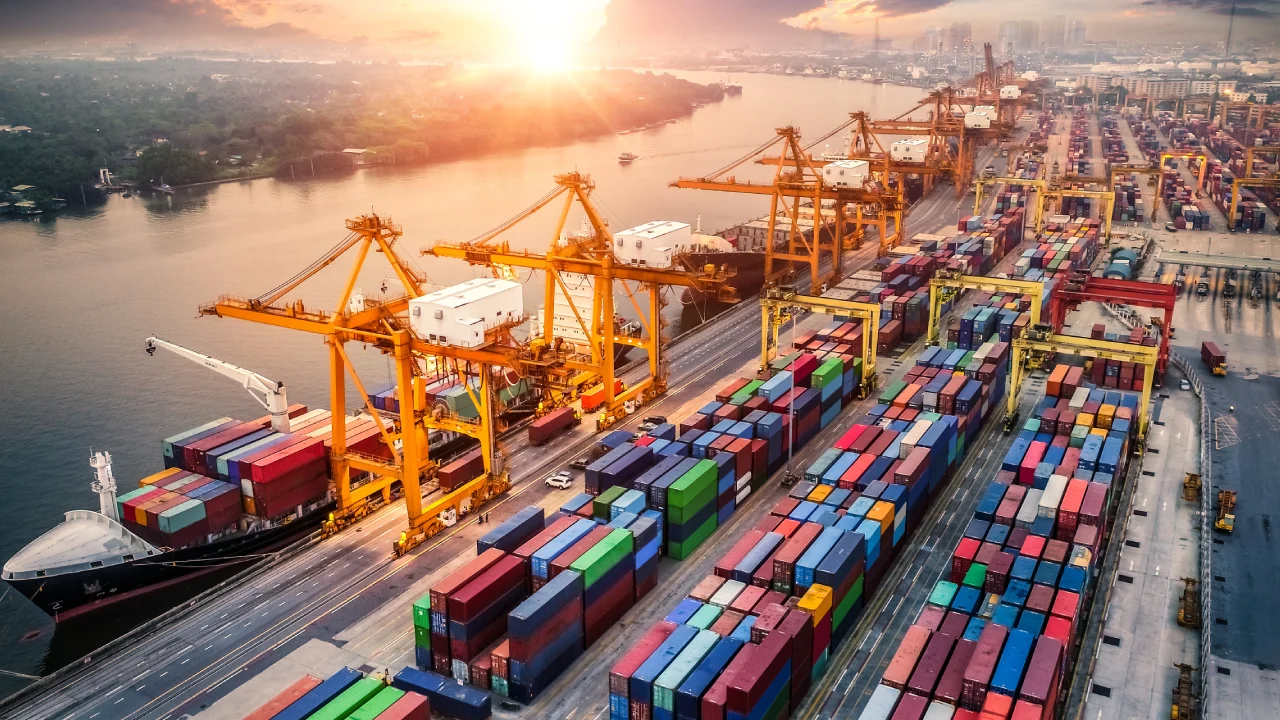
Simply put, port congestion happens when more vessels arrive than a port can process. Ships queue offshore waiting for a berth. Containers pile up in the yard waiting for trucks. Trucks back up at the gate waiting for containers. Everything slows simultaneously.
The mismatch is between what a port was designed to handle and what it is actually being asked to handle today. Los Angeles and Long Beach together process roughly 35 to 40 percent of all U.S. containerized imports, according to the Port of Los Angeles and Bureau of Transportation Statistics data, through infrastructure that was largely built when that number was half what it is now. Shanghai processed over 55 million TEUs in 2025, making it the world’s busiest container port by volume. Rotterdam handles the bulk of Northern Europe’s cargo. These ports are not failing. They are overwhelmed, which is a different problem and a harder one to fix.
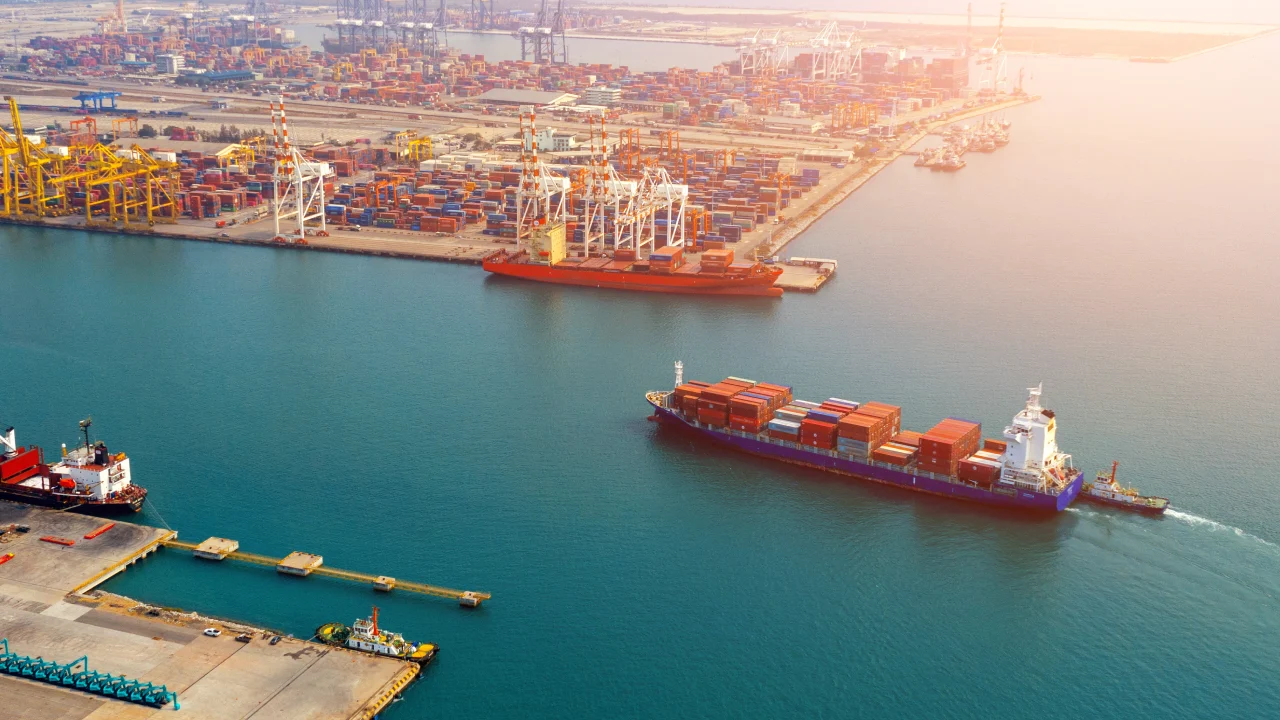
During the 2021 supply chain crisis, more than 100 container ships sat anchored off the California coast at one point. (The Guardian) Wait times at Los Angeles reached up to 17 days at the height of the backlog, based on San Pedro Bay Port Complex queue tracking data from late 2021. That is 17 days of demurrage accruing, schedules slipping, and customers waiting – before a single container had even been touched.
Why Port Congestion Happens
There is rarely one cause. Understanding what causes port congestion means looking at several pressure points that tend to fail together.
Rising Cargo Volumes
Global trade has grown faster than the infrastructure built to handle it. E-commerce compressed delivery windows and multiplied the number of individual shipments moving at any given time. Ports built in the 1970s and 1980s were not designed for this. Expanding them is slow, expensive, and often physically impossible – you cannot add a new terminal when you are bordered by a city on one side and open ocean on the other.
Infrastructure Limits
Not enough cranes. Not enough yard space. Truck access roads that cannot handle the volume. These are not abstract planning problems – they create hard daily limits on how many containers a port can move. One crane going offline at a busy terminal is not a minor maintenance issue. It is a bottleneck that backs up every vessel waiting behind it.
Labor Disruptions
Port operations depend on a specific group of people showing up and doing highly skilled, physically demanding work. When they don’t – because of a strike, a contract dispute, or a pandemic depleting the available workforce – throughput collapses fast. The 2014-2015 West Coast labor slowdown was estimated to put as much as $2 billion per day in U.S. economic activity at risk at its peak, according to the Washington Council of International Trade – a figure reflecting potential exposure across affected industries, not a measured loss. It reflects what happens when cargo simply stops moving through a port that handles a large share of a country’s imports.
Customs and Documentation Delays
A single paperwork error can hold a container while the vessel it arrived on keeps generating charges. Regulatory inspections, phytosanitary checks, and compliance holds all pull cargo out of the flow and park it in the yard – where it occupies space, accumulates fees, and blocks equipment that other shipments need. This is one of the more controllable causes of port congestion, and experienced operators invest heavily in getting documentation right the first time.
Weather
Typhoons, flooding, dense fog, hurricanes. Ports are by definition on the water, which puts them in the path of weather systems that can shut operations entirely for days. The Port of Tianjin deals with winter fog that regularly grounds operations. Southeast Asian ports face seasonal typhoon exposure. This is not predictable in the short term, but shippers with flexible routing can often redirect cargo before a weather window closes.
Types of Port Congestion
Not all port congestion is the same, and the distinction matters for how you respond to it.
Structural congestion is chronic – rooted in the gap between a port’s capacity and the volume it is asked to handle year-round.
Cyclical congestion is seasonal, predictable, and still consistently underestimated: the pre-holiday surge in consumer goods shipping hammers the same ports every autumn regardless of how many times it has happened before.
Event-driven congestion is sudden and often severe – a strike, a blocked canal, a COVID lockdown shutting an entire port city.
Each type requires a different response, and a provider who treats them all the same is not actually managing your risk.
Major Ports That Frequently Experience Congestion
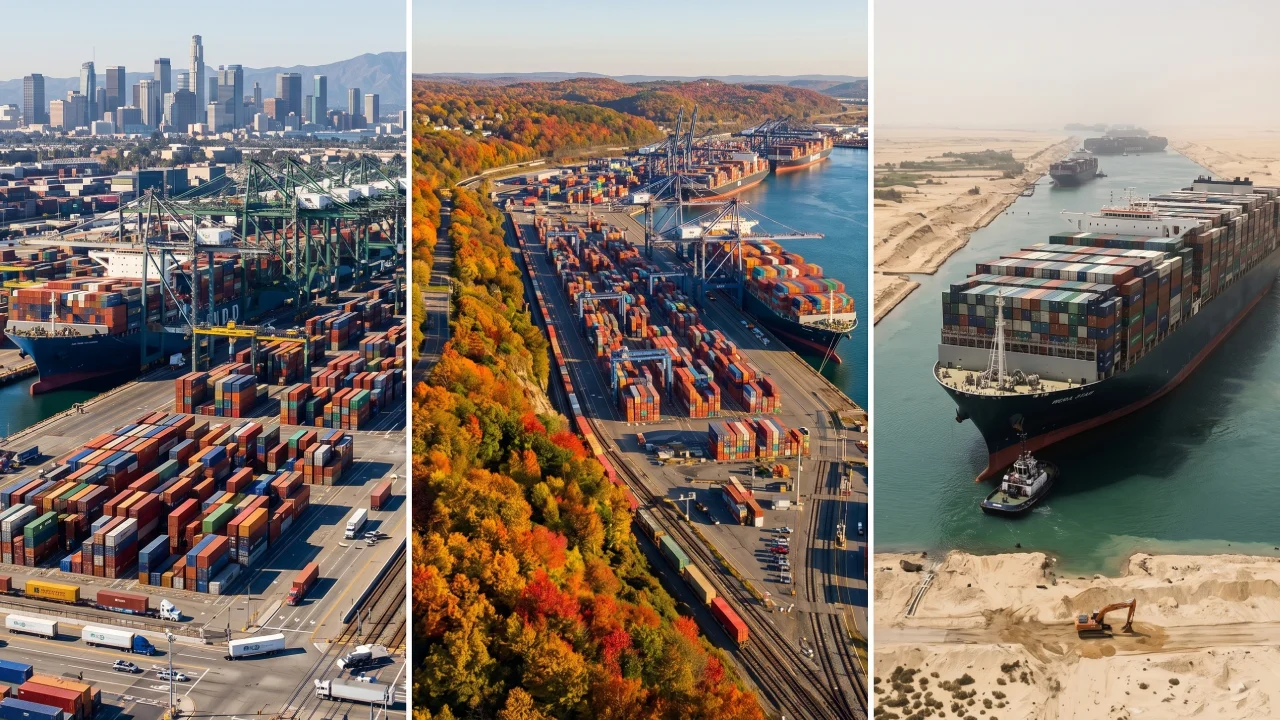
Los Angeles and Long Beach get the most coverage in the U.S., and for good reason – they are the primary gateway for trans-Pacific imports and they have been running at or near capacity for years. When they back up, the effects reach retailers, manufacturers, and construction sites across the entire country.
Shanghai is simply the world’s busiest container port. At 55 million-plus TEUs in 2025, even a short disruption generates backlogs that take weeks to absorb. The COVID-related slowdowns there in 2022 sent shockwaves through global supply chains that lasted for months.
Singapore is a transshipment hub, meaning it connects multiple trade lanes. Congestion there tends to hit harder because it delays cargo that was already in transit rather than cargo just beginning its journey.
Rotterdam is Europe’s largest port and the entry point for goods headed into Germany, France, and Central Europe. Infrastructure investment there has been significant – the Maasvlakte 2 expansion added substantial capacity – but trade volumes keep pace.
How Port Congestion Impacts Global Shipping
Longer Transit Times
Offshore waiting time is dead time. A vessel burning fuel at anchor is not moving cargo, not generating revenue for the shipper, and not meeting anybody’s delivery schedule. A 17-day wait offshore means 17 days added to transit time before the ship has even docked – before customs, before trucking, before last-mile delivery.
Higher Costs
Congestion generates costs through multiple channels simultaneously. Demurrage accrues when containers stay at the port past their free time. Detention kicks in when equipment is held outside the port beyond the allowed window. Storage fees pile up in the yard. Carriers add congestion surcharges on top of base freight rates.
Spot rates on certain trans-Pacific lanes reached up to 10 times their pre-pandemic levels at the 2021 peak — a figure that reflects the extreme end of the market, not average contracted rates across all trade lanes. These spikes were partly driven by equipment imbalances, as containers piled up at congested ports instead of cycling back to export origins.
Supply Chain Disruptions
The downstream effects are where the real damage accumulates. A construction project waiting on a delayed equipment shipment does not just lose the delivery day – it loses every working day the crew sits idle on-site. A manufacturer waiting on components shuts down the line. A retailer waiting on inventory misses the selling season entirely. These are not hypothetical scenarios. They are regular occurrences for anyone who ships through major global ports without contingency planning.
Container Shortages
When boxes pile up at a congested port, they stop cycling. Exporters at the other end of the trade lane cannot find equipment to load new shipments. This equipment imbalance – not a shortage of containers globally, but a severe misallocation of where they are sitting – was a defining feature of the 2020-2022 supply chain crisis and one of the primary drivers of the freight rate spike.
How Port Congestion Affects Heavy Equipment and Project Cargo
Standard containerized freight is inconvenienced by port congestion. Project cargo and heavy equipment are stopped by it.
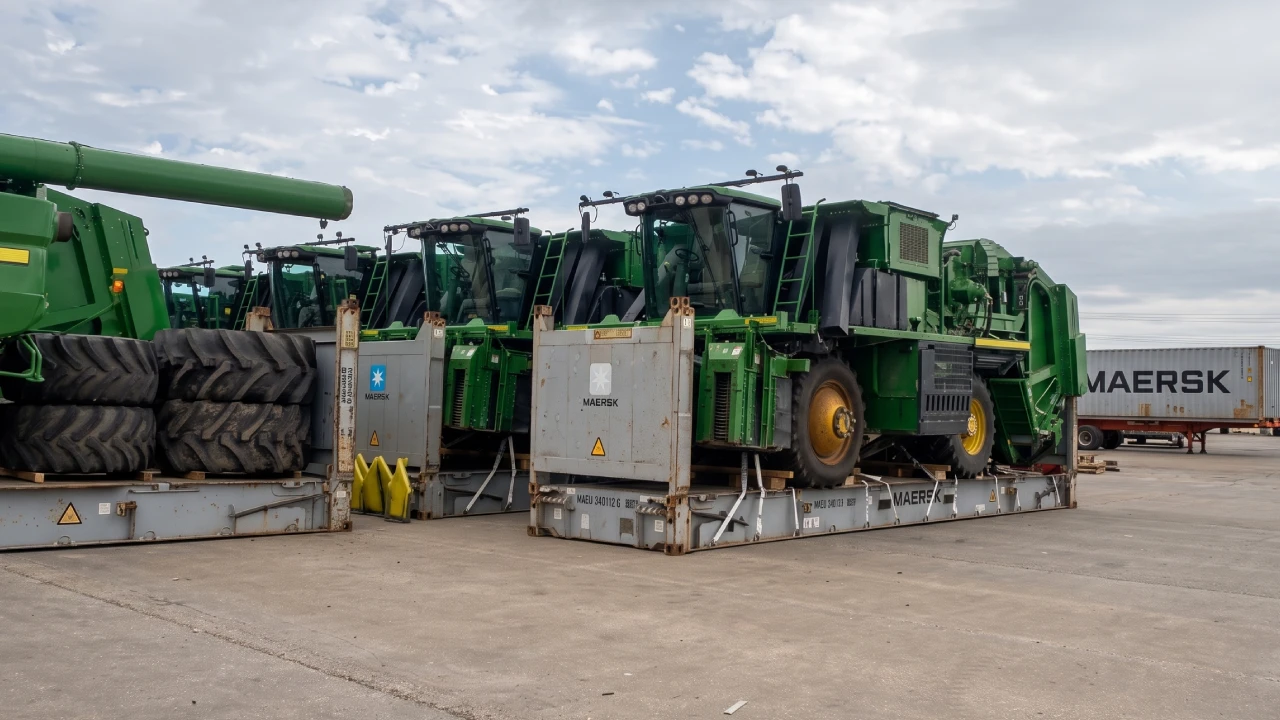
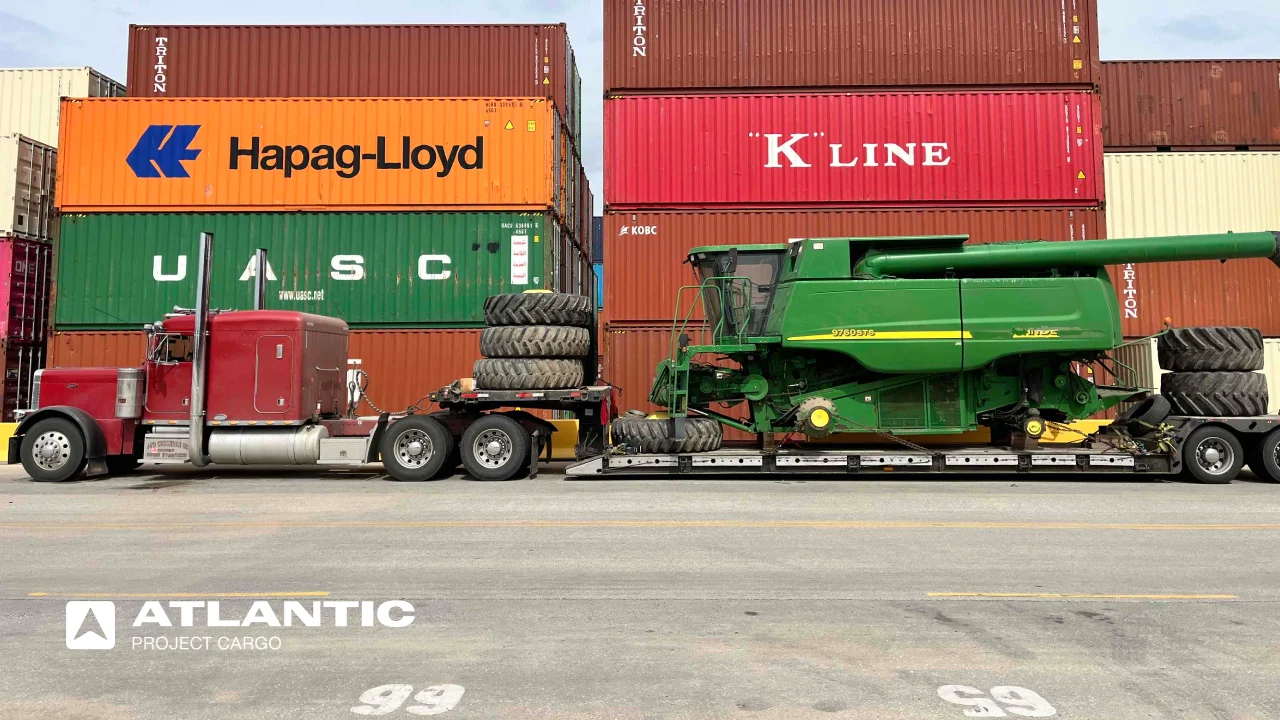
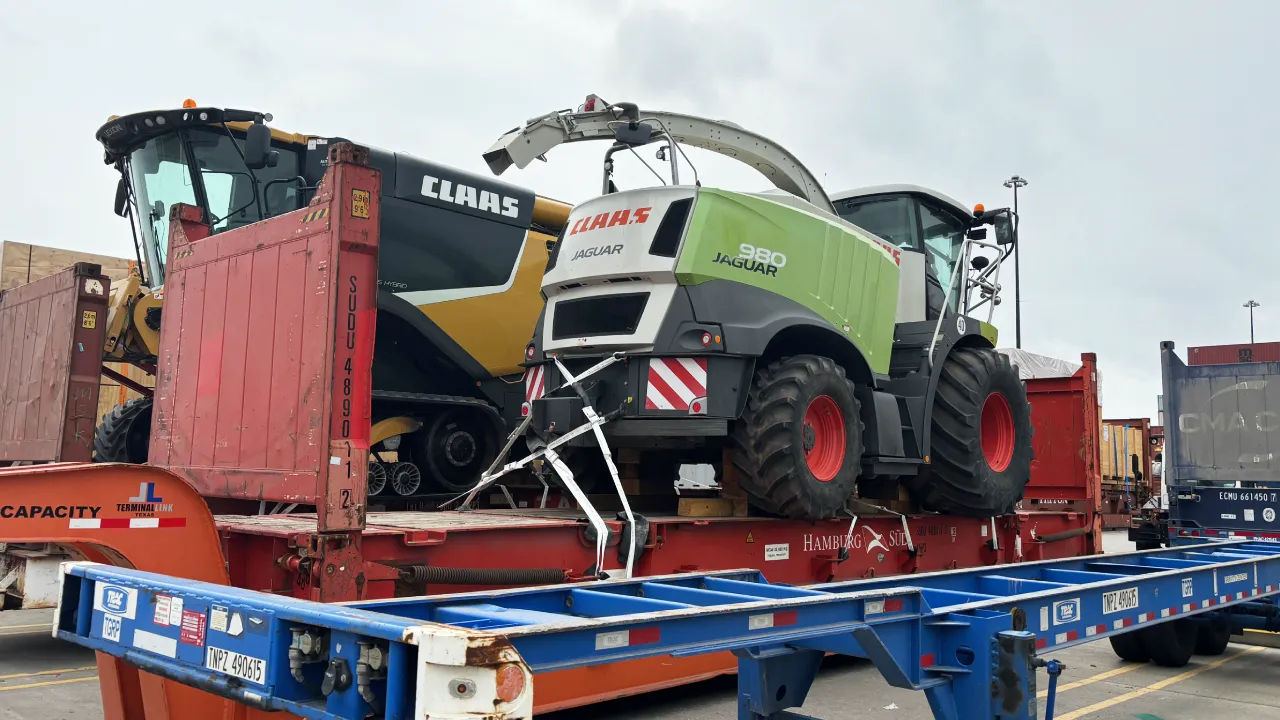
Moving a mining excavator, an industrial generator, or a set of oversized structural steel components requires specialized cranes, breakbulk vessel access, specific berths, and a coordinated sequence of handling operations that cannot be improvised. When a port is congested, those specialized resources are committed to clearing the existing backlog. A heavy-lift crane working through a queue of delayed vessels is not available for your out-of-gauge cargo – not tomorrow, not next week.
Breakbulk shipping operations depend on precise scheduling across multiple parties: vessel operator, terminal, stevedore crew, inland transport. Port congestion collapses the narrow windows those operations require. Rescheduling is expensive. The downstream project delays are more expensive still.
Strategies to Reduce the Impact of Port Congestion
Route Through Alternative Ports
When Los Angeles backs up, Savannah, Houston, or Seattle may offer faster throughput. When Shanghai slows, Ningbo and Qingdao absorb overflow. The catch is that this flexibility has to be built into the plan before congestion hits – not improvised after your vessel is already at anchor. Shippers who have pre-negotiated options through multiple ports are not scrambling when conditions change. Everyone else is.
Build Flexibility Into the Routing Plan
Single-route supply chains are fragile. Building contingency routing – alternative ports, regional distribution hubs, secondary carriers – means a disruption at one node does not automatically stop the entire shipment. For cargo with fixed delivery deadlines, this is not optional. It is the minimum viable planning standard.
Use Multimodal Transport
Multimodal transportation – combining sea, rail, road, and barge – can bypass congested terminals or reduce port dwell time significantly. Cargo arriving at a less congested West Coast port can move inland by rail while a Los Angeles backlog clears. Sea-plus-barge combinations allow inland ports to function as overflow relief valves. These combinations require coordination, but they work – and they work better when the routing is planned in advance rather than assembled in a crisis.
Book Early
Lead time is the most undervalued resource in logistics planning. Shippers who book months ahead have carrier options, routing options, and time to adjust if conditions shift. Shippers who book last-minute take whatever is available – which during congestion peaks means limited capacity, constrained routing, and premium pricing.
Work With Providers Who Have Actually Done This Before
Experience in logistics is not a credential. It is a track record. Providers who navigated the 2014 West Coast labor dispute, the 2021 supply chain crisis, and the Suez Canal blockage have relationships with terminals and carriers, institutional knowledge of what works under pressure, and the operational infrastructure to execute changes quickly.
Atlantic Project Cargo monitors port conditions, vessel schedules, and terminal capacity continuously – adjusting routing proactively rather than explaining delays after the fact. For complex shipments, that distinction is the difference between a managed disruption and a stopped project.
How Logistics Providers Manage Port Congestion
The operational response to port congestion is not one thing. It is route optimization running continuously in the background. It is relationships with multiple carriers across competing routes so that booking shifts are possible on short notice. It is direct coordination with terminals and stevedores to position cargo for priority handling when berth windows open. It is real-time vessel tracking and port analytics giving clients accurate information rather than optimistic estimates.
For ocean freight movements of any complexity, active management is what separates providers who deliver from providers who explain why they didn’t.
Future Trends in Port Congestion
Ports are investing in automation, digital coordination, and predictive analytics – and some of it is genuinely working. Rotterdam’s automated terminals handle cargo around the clock without the labor variability that creates bottlenecks at conventional ports. AI-driven platforms can identify congestion windows days in advance using vessel arrival data, historical patterns, and weather modeling. Port community systems – shared digital platforms connecting terminals, customs authorities, carriers, and truckers – are reducing the documentation errors and coordination gaps that slow cargo release.
None of this eliminates port congestion. But it makes congestion more predictable, and predictability is what allows shippers and logistics providers to respond before a delay becomes a crisis.
Adoption rates and outcomes vary significantly by port, trade lane, and cargo type – shippers should evaluate current conditions with their logistics provider rather than assuming any given port has implemented these improvements.
Managing Port Congestion Starts Before the Ship Leaves Port
Waiting until your cargo is anchored offshore to think about contingency routing is too late. The shippers who consistently move goods on time through congested ports are not luckier than everyone else – they plan differently, book earlier, and work with providers who treat route flexibility as a standard operating procedure rather than a crisis response.
Atlantic Project Cargo specializes in ocean freight, breakbulk shipping, and multimodal transport solutions for complex and heavy cargo movements. If your supply chain runs through ports that regularly experience congestion – or if you are planning a shipment that cannot afford delays – contact our team to discuss routing options and logistics planning tailored to your cargo and timeline.
Frequently Asked Questions
Usually, a combination of factors – high cargo volumes, infrastructure limits, labor disruptions, customs delays, and weather events – hitting simultaneously. Severe weather events are an exception: a direct typhoon or hurricane strike can shut a port entirely on its own, though the longer-lasting disruptions almost always involve multiple compounding causes.
Weather-related congestion clears in days. Labor disputes can run weeks or months. Structural congestion – rooted in chronic capacity limitations – does not fully resolve without major infrastructure investment.
Los Angeles, Long Beach, Shanghai, Singapore, and Rotterdam are among the most consistently affected, due to their volume and position in global trade lanes.
Alternative port routing, early booking, flexible supply chain planning, multimodal transport options, and working with logistics providers who monitor port conditions in real time all reduce exposure.
Directly and significantly – through demurrage, detention, storage fees, and carrier surcharges that accumulate independently of each other while cargo waits.
Read More
Victoria Moseicuka