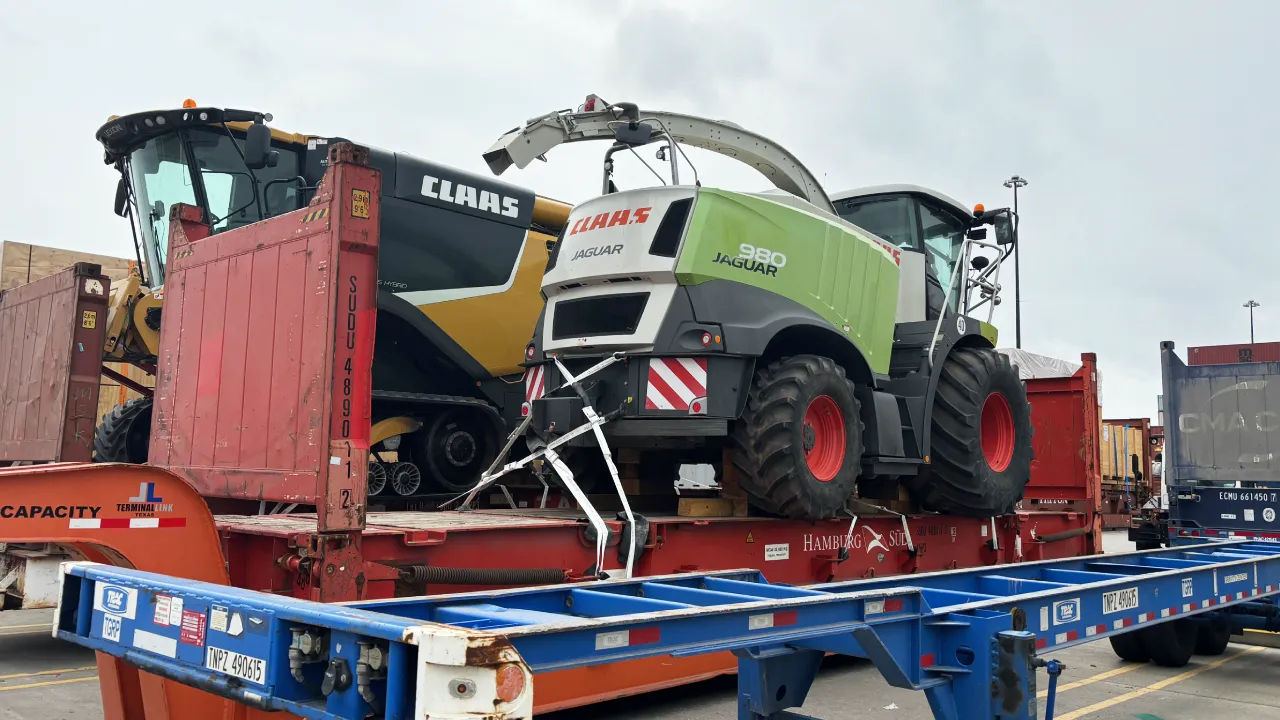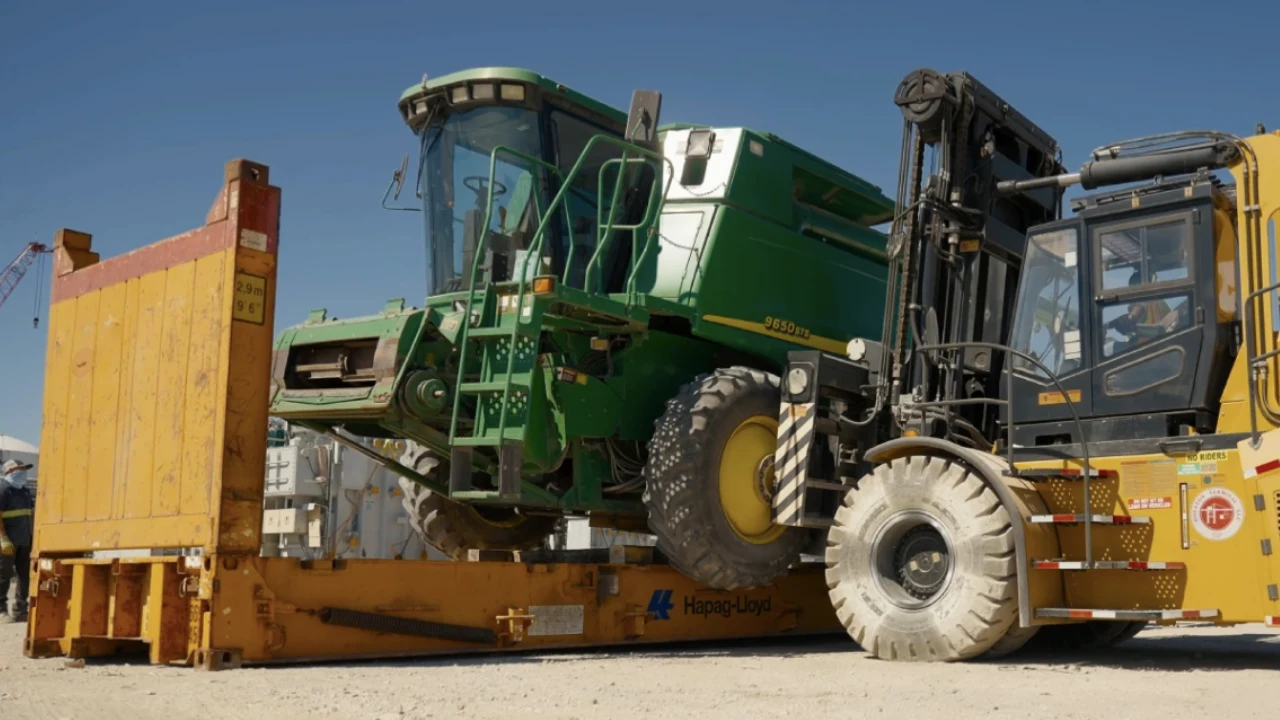

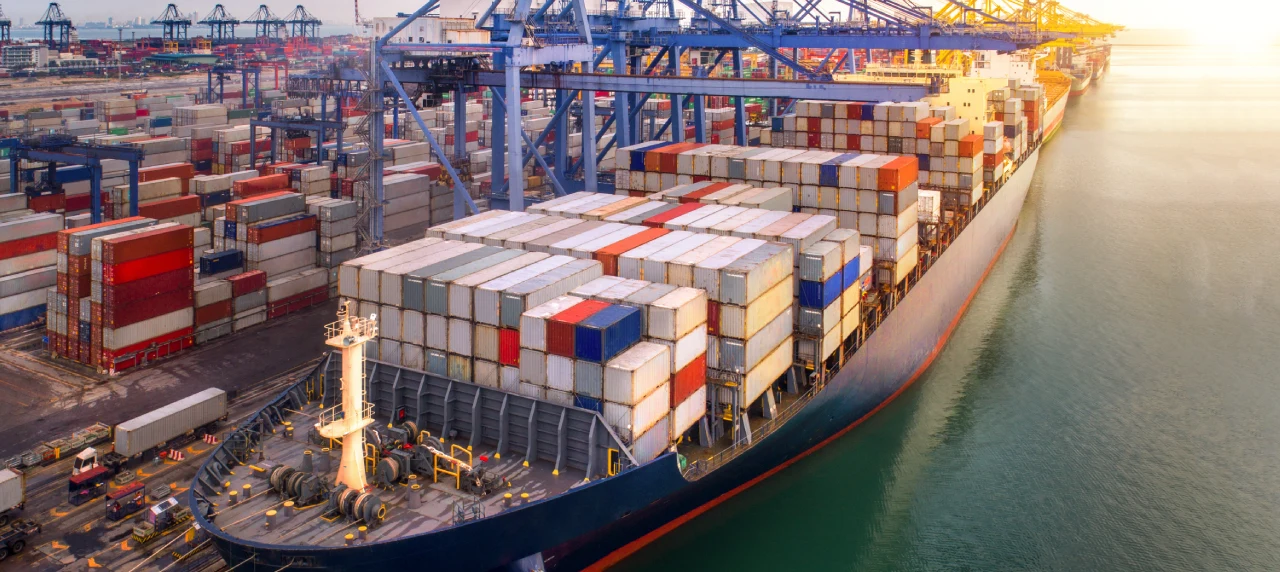
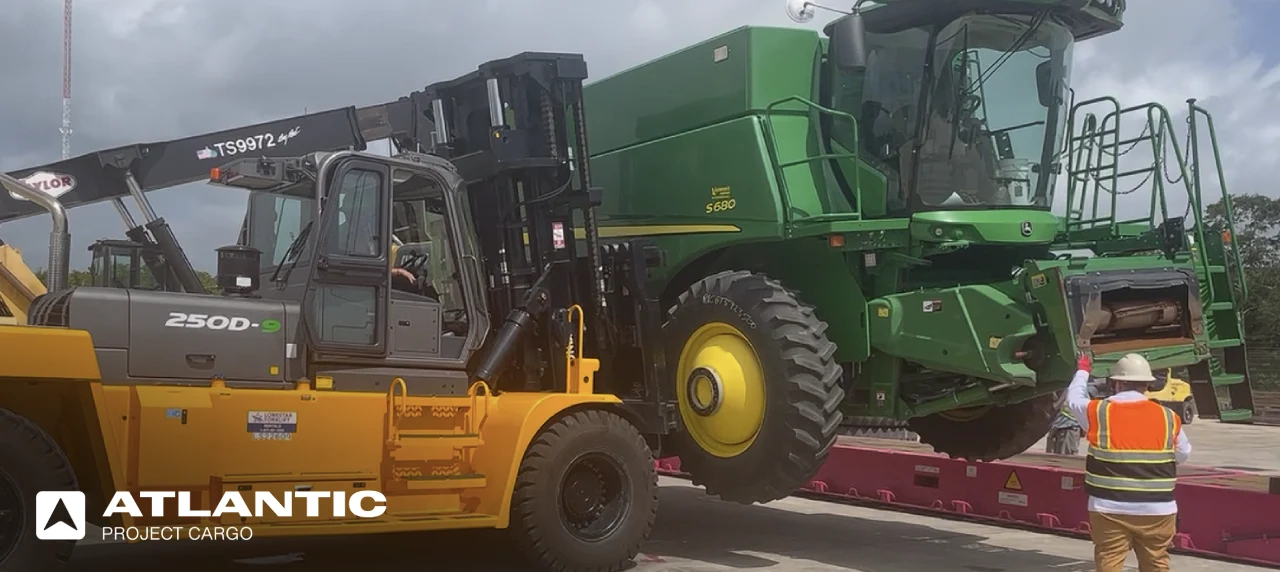
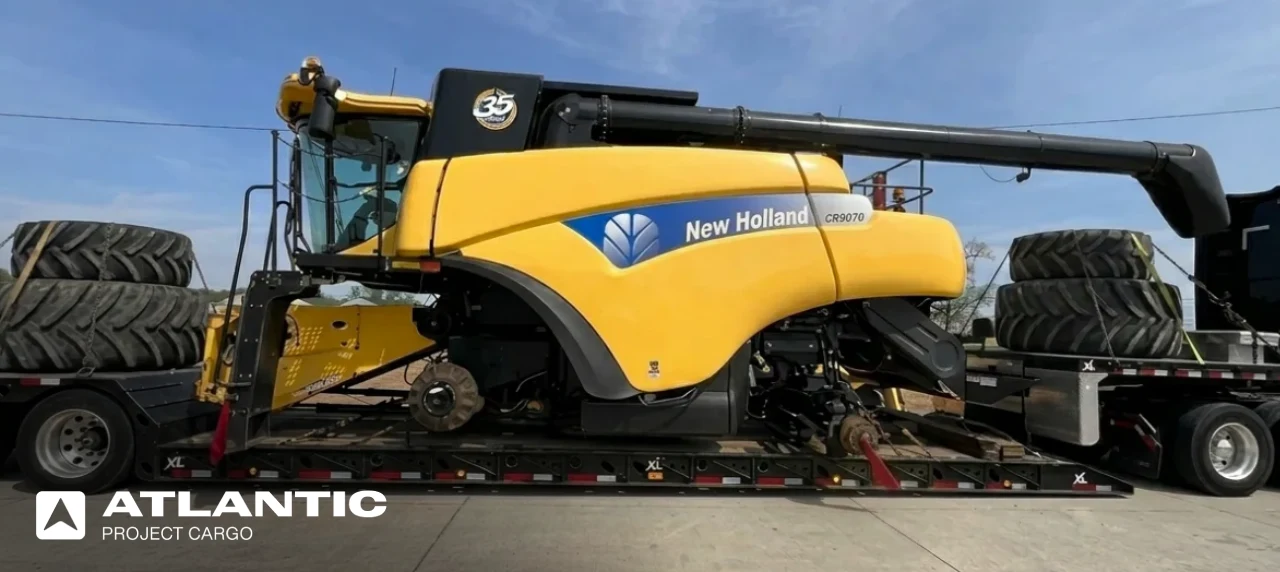
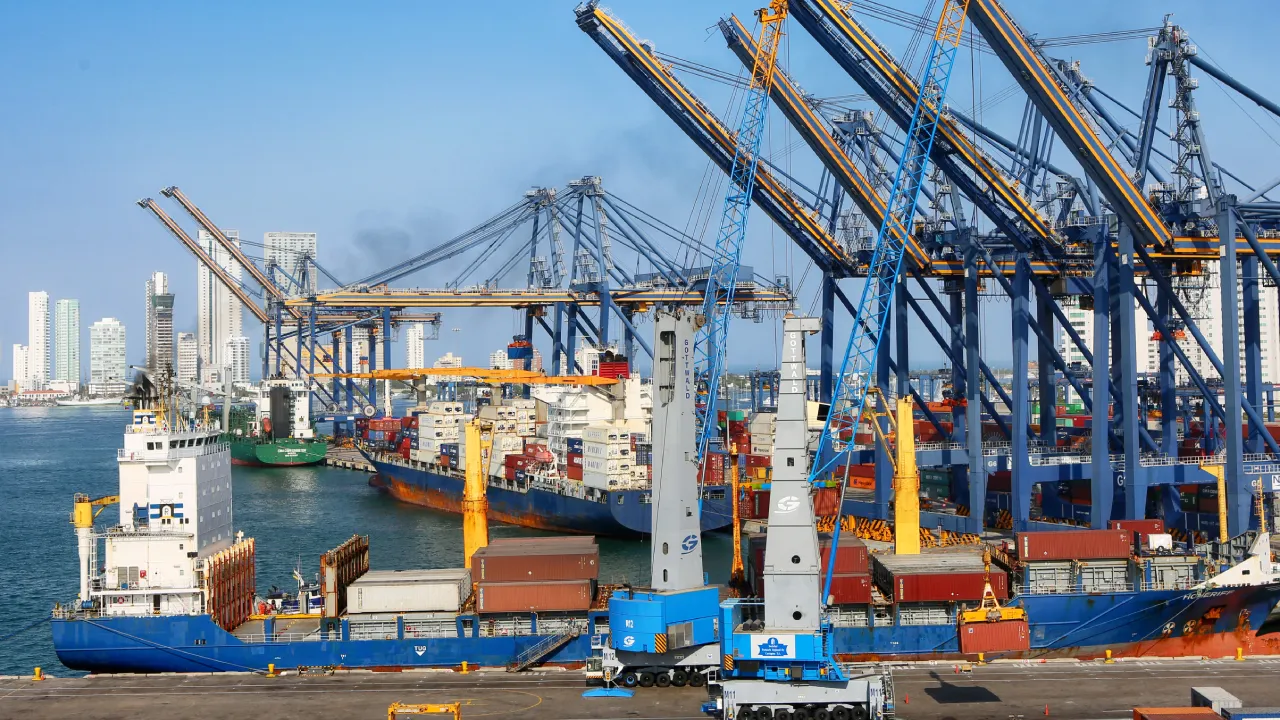
FOB (Free On Board) means the seller is responsible for delivering equipment to the designated export port and loading the machinery onto the vessel. Once the equipment is loaded onboard, transportation risk and financial responsibility transfer immediately to the buyer.
Heavy equipment buyers frequently encounter FOB pricing when purchasing machinery from international dealers or auctions. However, many buyers misunderstand what FOB pricing includes, mistakenly believing FOB covers the entire delivery. Understanding FOB shipping is absolutely essential before purchasing equipment internationally to avoid devastating budget overruns.
Readers of this guide will learn what FOB includes, what FOB does not include, how logistics costs are divided, and when FOB is the best option for importing machinery. We will explore real-world equipment shipping scenarios involving agricultural, construction, and industrial machinery.
FOB Shipping Explained in One Minute
FOB shipping requires the seller to clear the machinery for export, transport the machinery to the origin port, and pay all costs to load the cargo onto the departing ship. Free On Board shipping means the seller provides the equipment free of transportation charges, only up to the deck of the outbound vessel.
Under the official Incoterms 2020 rules established by the International Chamber of Commerce (ICC), the buyer assumes responsibility for the main transport, but the seller is strictly obligated to clear the goods for export at their own expense. Transfer of responsibility happens precisely when the heavy machinery rests safely on the ship. Transfer of risk also occurs at this exact moment, meaning any damage that happens while the ship crosses the ocean becomes the buyer’s problem.
Typical equipment export scenarios utilizing FOB include:
- Tractor export from Texas to Germany, where the dealer handles the USA port delivery
- Excavator export from Japan to the USA, where the manufacturer loads the vessel
- Construction equipment shipment from an auction yard to a foreign buyer
FOB Freight Terms Explained in 3 Points
- Seller pays all costs to move machinery onto the export vessel
- Buyer pays all ocean freight and destination country charges
- Risk transfers to the buyer the moment machinery is loaded onboard
FOB Cost Breakdown: What Sellers Pay and What Buyers Pay
FOB pricing covers only the export portion of the shipment. Understanding who pays for which logistics segment prevents expensive surprises when managing international equipment transportation.
| Cost Item | Seller Pays | Buyer Pays |
|---|---|---|
| Inland transportation to port | Yes | No |
| Export documentation | Yes | No |
| Export customs clearance | Yes | No |
| Port handling charges | Yes | No |
| Vessel loading | Yes | No |
| Ocean freight | No | Yes |
| Marine insurance | No | Yes |
| Destination terminal charges | No | Yes |
| Import customs clearance | No | Yes |
| Import duties and taxes | No | Yes |
| Inland transportation after arrival | No | Yes |
| Final delivery | No | Yes |
Sellers handle inland transportation to the port, meaning the seller hires the heavy haul trucking company. Sellers also manage export documentation and export customs clearance, ensuring the machinery legally leaves the origin country.
Keep in mind that agencies like the U.S. Customs and Border Protection (CBP) utilize a multi-layered risk management approach, meaning enforcement and security screening occur at multiple points well before the heavy machinery is ever loaded onto the vessel. Port handling charges and vessel loading costs fall entirely on the seller.
Buyers take over financial responsibility for ocean freight, which is the cost of moving the ship across the water. Buyers must secure marine insurance to protect the machinery. Upon arrival, buyers pay destination terminal charges, import customs clearance fees, import duties, taxes, and inland transportation after arrival to bring the machinery to the final job site.
Key takeaway: FOB pricing covers only the export portion of the shipment, leaving the buyer responsible for the main international transit and all destination costs.
What Costs Are NOT Included in FOB Pricing?
FOB shipping costs do not include any expenses incurred after the equipment is loaded onto the departing vessel. Buyers must budget for several major logistical expenses that FOB pricing explicitly excludes.
Ocean freight represents the largest cost not included in FOB terms. Securing space on a RoRo (Roll-on/Roll-off) vessel or a flat rack container requires direct payment from the buyer to the ocean carrier or freight forwarder. Note that the Federal Maritime Commission (FMC) licenses and regulates Ocean Freight Forwarders and NVOCCs under the Shipping Act, strengthened by the Ocean Shipping Reform Act of 2022. Working with an FMC-licensed intermediary gives buyers a bonded, regulated counterparty – and OSRA 2022 added new protections around detention and demurrage billing, which matters when port delays start generating daily charges.
Marine cargo insurance is also excluded, meaning the buyer must purchase a separate policy to protect against sinking, fires, or transit damage. Destination port charges, including unloading the machinery from the ship, remain the buyer’s responsibility. Customs brokerage fees for filing import paperwork, alongside mandatory import duties and taxes, are strictly buyer obligations.
Finally, inland transportation after arrival and equipment unloading costs at the buyer’s facility are completely excluded from the FOB invoice.
Most Commonly Overlooked FOB Expenses
- Ocean freight vessel charges
- Comprehensive marine cargo insurance
- Destination port unloading fees
- Import duties and local taxes
- Heavy haul trucking from destination port
How Much More Will You Pay Beyond FOB Pricing?
FOB price is not the same as total landed cost. Many buyers see an attractive FOB price and fail to calculate the true cost of getting the machinery to their front door. Evaluating the total financial commitment requires analyzing real-world numbers.
Consider a practical heavy equipment shipping example involving a used John Deere Tractor purchased in early 2026.
FOB Houston Price: $75,000
Potential Additional Costs to reach a farm in Germany:
- Ocean freight via RoRo vessel: $5,500
- Marine cargo insurance: $850
- Destination port handling charges: $600
- Import customs clearance and brokerage: $350
- Import duty (EU rate for agricultural tractors is 0%): $0
- German import VAT (19% on customs value, which includes freight and insurance): ~$15,500
- Inland delivery via lowboy trailer: $1,200
Total cash outlay at the border: ~$99,000
Note: VAT-registered businesses can typically recover or defer import VAT, bringing the unrecoverable landed cost to roughly $83,500 – but the VAT must still be financed at the time of import.
The buyer must pay roughly $8,500 above the FOB Houston price in unrecoverable logistics costs – plus approximately $15,500 in import VAT that must be financed at the border, even if later reclaimed. Buyers who budget only the FOB price face a cash shortfall of nearly $25,000 on arrival. Actual heavy equipment shipping costs vary significantly depending on multiple logistical factors.
Variables affecting your final price include:
- Equipment dimensions and total weight
- Shipping method chosen by the buyer
- Origin port congestion and fees
- Destination country import regulations
- Market conditions for ocean freight capacity
Key takeaway: FOB price is not the same as total landed cost, and buyers must accurately calculate freight, insurance, and import fees before finalizing an international purchase.
Disclaimer: These figures are illustrative estimates as of early 2026, not a quote. Freight, insurance, duties, and VAT vary by route, equipment, and destination-country regulations. Confirm actual costs with a freight forwarder and customs broker before purchasing.
When Does Risk Transfer Under FOB Shipping?
Risk transfers once equipment is loaded onto the vessel. The exact transfer point is highly specific: liability shifts from the seller to the buyer the moment the machinery is loaded on board the vessel.
Risk before loading remains entirely with the seller. If the heavy haul truck gets into an accident on the way to the port, the seller must replace the machinery or refund the buyer. If the port crane drops the excavator while lifting the machinery toward the ship, the seller bears the financial loss.
Risk after loading belongs to the buyer. If the ship encounters a massive storm and the excavator breaks loose and suffers damage, the buyer absorbs the loss. Delay scenarios caused by ocean transit issues also become the buyer’s problem. Because the buyer assumes all risk during the ocean voyage, securing comprehensive marine insurance is an absolute necessity for anyone relying on FOB shipping terms.
Key takeaway: Risk transfers once equipment is loaded onto the vessel, making marine cargo insurance a mandatory investment for international buyers.
Example: Buying Tractor Under FOB Houston Terms
Visualizing how FOB works in practice helps buyers understand the complex web of international equipment transportation. Here is a step-by-step breakdown of a tractor purchase under FOB Houston terms.
Step 1: Equipment Purchase
Buyer in Germany purchases a tractor from a Texas dealer for $75,000 FOB Houston.
Step 2: Transportation to Port
Seller hires a trucking company to move the tractor from the Texas dealership to the Port of Houston.
Step 3: Export Documentation
Seller works with a US customs broker to file the Electronic Export Information and clear the tractor for outbound shipping.
Step 4: Port Handling and Loading
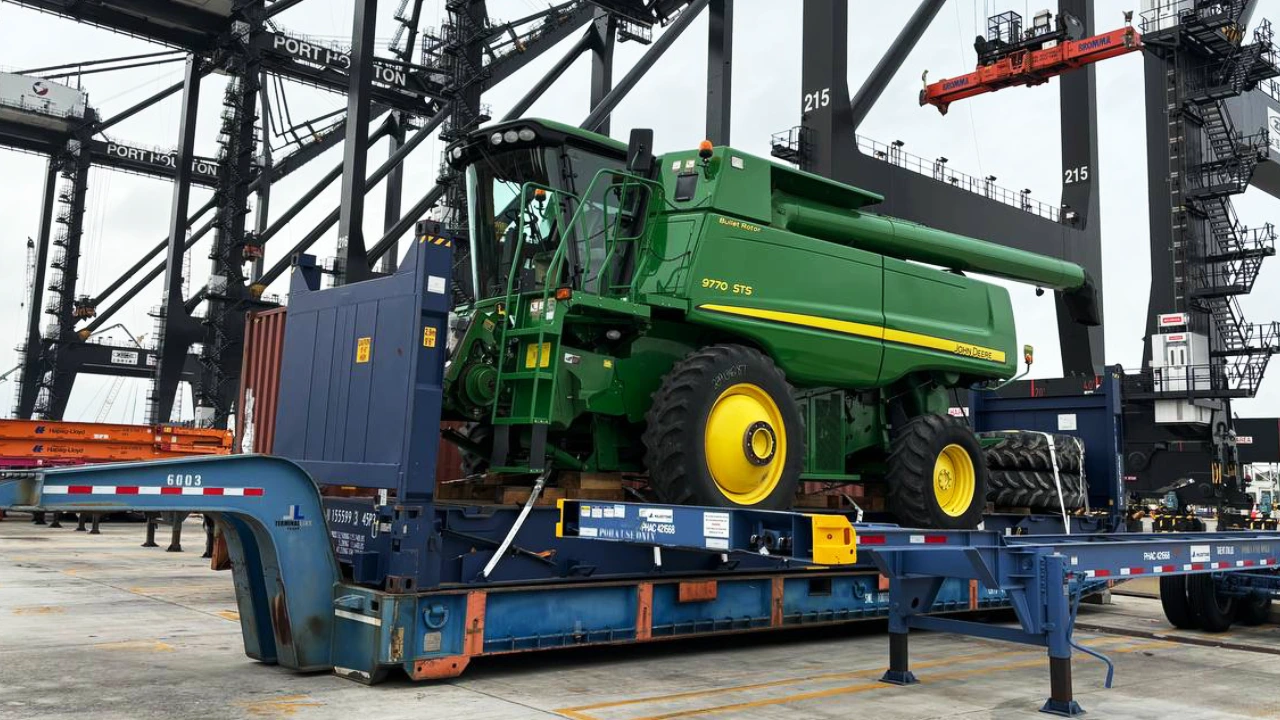
Seller pays the Houston terminal operators to receive the tractor and drive the machinery onto the RoRo vessel. Once the tractor is parked inside the ship, seller responsibility ends.
Step 5: Ocean Freight
Buyer utilizes Atlantic Project Cargo as their Freight Forwarder to book and pay the Ocean Carrier for the transatlantic voyage and secure the Bill of Lading.
Note: The industry is rapidly modernizing; major carriers like MSC and CMA CGM have committed through the Digital Container Shipping Association (DCSA) to achieving 100% Electronic Bill of Lading (eBL) adoption by 2030 across the coalition, with an interim target of 50% by 2028, drastically reducing document loss and courier delays. Furthermore, utilizing a widely recognized FIATA Multimodal Transport Bill of Lading (FBL) explicitly demonstrates that your forwarder has assumed the role and liability of a contracting carrier.
Step 6: Customs Clearance
Buyer hires a destination Customs Broker in Germany to clear the tractor through European customs and pay all applicable import taxes.
Step 7: Final Delivery
Buyer dispatches a European heavy haul trucking company to pick up the tractor from the German port and deliver the machinery to the final farm destination.
Example: Buying Equipment at Auction Under FOB Terms
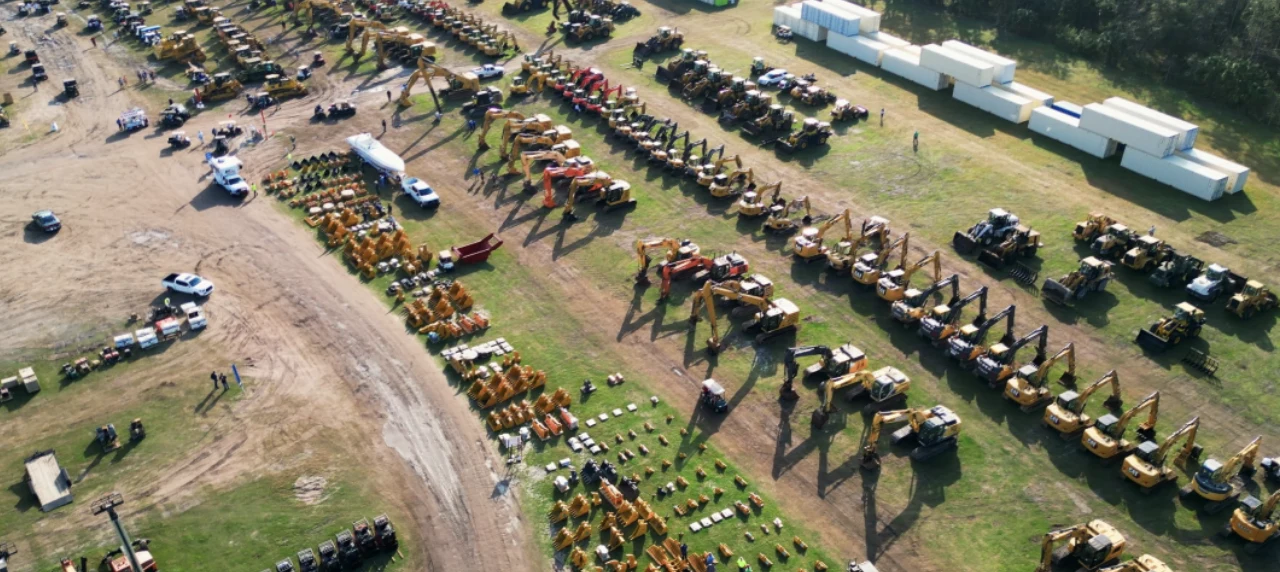
Auction purchases represent a massive portion of international machinery exports. Companies like JumboBee, Ritchie Bros, and IronPlanet frequently sell machinery to overseas buyers using variations of FOB shipping terms.
FOB is common at auctions because the auction house or local seller wants to limit their logistical liability. They are willing to load the machinery onto a truck or deliver the machinery to a nearby port, but they refuse to manage international ocean freight.
Typical buyer responsibilities increase dramatically during auction purchases. Buyers often must coordinate with specialized freight forwarders like Atlantic Project Cargo to handle export rigging, machinery disassembly, and export washing to meet destination-country biosecurity standards (or USDA standards when importing into the US).
Common logistics challenges include strict removal deadlines imposed by the auction yard and missing export documentation. Because auction equipment is used, buyers must ensure the machinery meets all environmental and agricultural cleaning requirements before reaching the port.
Key takeaway: Auction buyers often assume more logistics responsibility under FOB arrangements and require experienced freight forwarders to manage complex export preparations.
Common FOB Challenges in Heavy Equipment Shipping
Executing a flawless FOB shipment requires navigating numerous operational hurdles. Atlantic Project Cargo handles thousands of machinery exports, and our experts consistently manage severe logistical challenges that buyers overlook.
Oversized equipment restrictions create massive headaches for sellers trying to fulfill their FOB obligations. Moving a 100,000-pound mining excavator requires specialized heavy haul transportation to port, complete with state highway permits and police escorts.
RoRo versus Flat Rack decisions heavily impact port loading procedures. If the seller delivers an inoperable machine booked as standard self-propelled RoRo cargo, the terminal will refuse to load it as booked. Non-running equipment can still ship RoRo as “static cargo” on roll trailers (mafis), but this must be arranged in advance and costs significantly more. Otherwise, the buyer must pivot to breakbulk or hire Atlantic Project Cargo for equipment disassembly and flat rack container loading.
Important: When machinery ships in containers (including flat racks), the ICC officially recommends FCA (Free Carrier) rather than FOB. Under FOB, the seller technically retains risk until the container is loaded on board — even though they lose physical control of it at the container terminal days earlier. FCA closes this gap by transferring risk when the container is handed to the carrier. FOB remains the natural fit for RoRo and breakbulk machinery shipments.
Port loading limitations often delay shipments. Export inspections by customs officials can stall machinery for weeks if paperwork is inaccurate. Furthermore, agricultural cleaning requirements mandate that machinery be completely free of dirt and organic matter. If the equipment is not washed completely free of soil and organic matter before shipping, it will fail biosecurity inspection at the destination – EU plant-health authorities, for example, can order quarantine cleaning or even re-export at the buyer’s expense. The same applies in reverse: used machinery entering the United States must pass USDA agricultural inspection, and imported engines must meet EPA emissions requirements.
Common FOB Shipping Mistakes That Increase Costs
Misunderstanding FOB meaning in shipping leads to catastrophic financial errors. Buyers who fail to grasp FOB shipping responsibilities routinely destroy their profit margins.
Assuming freight is included ranks as the most dangerous mistake. Buyers see a high FOB price and assume the seller is paying for the ocean voyage. When the machinery arrives at the port and the ocean carrier demands $8,000 for freight, the buyer faces a massive budget shortfall.
Ignoring destination charges catches many first-time importers off guard. Port unloading fees and terminal handling charges can add thousands of dollars to the final bill.
Not purchasing insurance is a gamble that ruins businesses. Because risk transfers at the origin port, a buyer without insurance loses everything if the ship sinks or the cargo catches fire.
Booking freight too late results in machinery sitting at the origin port racking up daily storage fees. Documentation mistakes, such as incorrect serial numbers on the commercial invoice, trigger customs holds and expensive penalties. Finally, underestimating inland transportation costs from the destination port to the final job site frequently causes massive budget overruns.
Most Common Costly Mistakes Made by Equipment Buyers
- Assuming ocean freight is included in the purchase price
- Failing to purchase comprehensive marine cargo insurance
- Ignoring destination port handling and unloading fees
- Booking ocean freight space too late in the process
- Submitting incorrect export documentation to customs
- Underestimating destination heavy haul trucking costs
Is FOB Best Shipping Term for Heavy Equipment Buyers?
There is no single Incoterm that is best for every equipment purchase. The right option depends on the buyer’s logistics experience, transportation strategy, destination country requirements, and level of control desired over the shipment.
FOB is often a preferred option for experienced heavy equipment buyers who want greater control over transportation planning, carrier selection, and freight costs.
Advantages of choosing FOB include greater transportation control and better cost visibility. By booking the ocean freight themselves, buyers can shop around for the best rates using a trusted freight forwarder or NVOCC like Atlantic Project Cargo. Buyers enjoy more carrier flexibility and can choose transit times that fit their specific project schedules.
Disadvantages include increased logistics responsibility and more coordination required. The buyer must actively manage the ocean transit, insurance, and destination clearance. Buyers with limited international logistics experience may prefer shipping terms that include a greater portion of the transportation process, reducing the amount of coordination required on their side.
FOB vs EXW for Heavy Equipment Exports
Understanding FOB vs EXW is critical for equipment buyers. EXW (Ex Works) places maximum responsibility on the buyer, whereas FOB forces the seller to handle the origin logistics.
| Comparison Factor | FOB (Free On Board) | EXW (Ex Works) |
|---|---|---|
| Seller responsibilities | Deliver to port and load vessel | Make equipment available at seller yard |
| Buyer responsibilities | Ocean freight and destination costs | Entire journey from seller yard to destination |
| Export clearance | Seller handles export paperwork | Buyer handles export paperwork |
| Transportation control | Buyer controls ocean transit | Buyer controls entire transit |
| Risk level | Moderate risk for buyer | Maximum risk for buyer |
| Typical use cases | Standard dealer machinery purchases | As-is auction purchases |
When buyers should choose FOB instead of EXW: Buyers should demand FOB when purchasing from established dealerships that have the resources to transport heavy machinery to the port. EXW may be suitable for buyers with established logistics partners and experience managing export transportation directly from the seller’s location.
FOB vs CIF: Which Option Gives Buyers More Control?
Comparing FOB vs CIF reveals entirely different approaches to international equipment transportation. CIF (Cost, Insurance, and Freight) requires the seller to pay for the ocean transit and insurance.
| Comparison Factor | FOB (Free On Board) | CIF (Cost, Insurance, Freight) |
|---|---|---|
| Ocean freight responsibility | Buyer pays and books | Seller pays and books |
| Insurance responsibility | Buyer must purchase | Seller must purchase |
| Cost visibility | High visibility for buyer | Hidden markups from seller |
| Logistics control | Buyer controls shipping schedule | Seller controls shipping schedule |
| Risk allocation | Transfers at origin port loading | Transfers at origin port loading |
Note: Under Incoterms 2020, risk under CIF transfers at the origin port when goods are loaded on board the vessel – not at the destination – making buyer marine insurance equally important under CIF terms despite the seller purchasing a baseline policy.
When FOB may be preferable to CIF: Buyers should choose FOB when they have a strong relationship with a freight forwarder. Under CIF terms, buyers typically have less visibility into freight and insurance costs because these services are arranged by the seller. As a result, buyers may have fewer opportunities to compare carriers, insurance options, and transportation pricing. FOB allows the buyer to control costs and secure high-quality cargo insurance.
When Should You Choose FOB Shipping?
Choosing the correct FOB Incoterms depends entirely on the specific transaction and the buyer’s logistics network.
Auction purchases typically require FOB or EXW because auction houses do not act as international freight forwarders. Dealer purchases are ideal for FOB shipping because reputable dealers regularly move machinery to local ports and understand export customs clearance.
Agricultural equipment exports and construction equipment exports benefit greatly from FOB terms. Because tractors and excavators vary wildly in size, buyers need the freedom to choose whether RoRo, flat rack, or breakbulk shipping makes the most financial sense.
Industrial machinery exports and project cargo shipments demand precision. Experienced importers prefer FOB because it allows them to utilize their own logistics partners, like Atlantic Project Cargo, to manage the complex loading and dismantling requirements often associated with oversized industrial plants.
Key Takeaways
- FOB pricing covers origin transport and vessel loading but excludes ocean freight
- Risk transfers to the buyer immediately after heavy machinery is loaded onto the ship
- Buyers must purchase their own marine cargo insurance to protect against transit damage
- Total landed cost will always be significantly higher than the advertised FOB price
- Sellers handle export customs clearance while buyers handle destination import duties
- FOB gives machinery buyers excellent control over ocean freight costs and carrier selection
- Partnering with an expert freight forwarder is essential for managing FOB shipments
Frequently Asked Questions
FOB stands for Free On Board. This means the machinery seller must pay all costs to transport the equipment to the port and load the machinery onto the export vessel. Once loaded, the buyer takes over all subsequent transportation costs and risks.
The buyer pays the ocean freight under FOB shipping heavy equipment terms. The seller is only responsible for delivering the heavy equipment to the origin port and loading the machinery onto the ship. The buyer must book and pay the ocean carrier.
No, FOB does not include marine cargo insurance. Because the risk of damage transfers to the buyer the moment the machinery is loaded onto the vessel, the buyer is strictly responsible for purchasing an insurance policy to cover the ocean voyage.
Risk transfers from the seller to the buyer precisely when the heavy equipment is loaded on board the vessel at the origin port. Any damage occurring during the ocean voyage is the buyer’s responsibility.
FOB is often preferred over EXW by international equipment buyers because the seller remains responsible for export clearance and transportation to the export port, reducing operational complexity for the buyer. EXW forces the foreign buyer to manage local trucking and export paperwork in a country where they may lack expertise.
FOB may be preferable to CIF for buyers who want greater control over carrier selection, freight rates, transit schedules, and insurance coverage. CIF allows the seller to choose the ocean carrier and insurance provider, which often results in hidden markups and inadequate insurance coverage.
FOB pricing excludes ocean freight, marine insurance, destination port unloading fees, import customs clearance, import duties, taxes, and final inland delivery to the buyer’s job site. Buyers must budget separately for all these expenses.
Need Help Shipping Heavy Equipment Purchased Under FOB Terms?
Navigating FOB shipping terms requires highly specialized logistics expertise. Whether you are importing agricultural equipment, exporting construction equipment, or relocating massive industrial machinery, Atlantic Project Cargo has the global network to manage your freight.
We specialize in international equipment transportation, including auction equipment purchases, RoRo shipping, breakbulk cargo, and complete customs brokerage. Our team handles equipment disassembly, export rigging, and USDA equipment washing to ensure your machinery moves seamlessly across borders.
Stop guessing about your international freight costs and let our experts build a secure door-to-door supply chain solution for your next heavy machinery purchase.
Request a Shipping Quote today or Speak With a Shipping Specialist by calling (305) 224-1975 to ensure your next FOB shipment arrives safely, on time, and strictly on budget.
Get Your Free Quote Today!
Read More
Victoria Moseicuka
Victoria Moseicuka
Victoria Moseicuka