
Hours of operations:
9AM - 5PM / UTC -5 (EST)

Oversized Cargo Transportation: How Oversized Freight Is Shipped Internationally

July 9, 2026
Shipping Quote
Customs Duties
Drayage Rate
Do you already own this equipment?

You Can Request a New Quote Every 15 Minutes

Please wait or contact us at [email protected]

Thank you for Choosing Us!

Looking to buy or sell heavy equipment?
With JumboBee, you can trade online with financing options and worldwide shipping.

Check Inventory
Calculate Import Duties
Get a free, no-obligation estimate of your import duties!
Calculate Import Duties
Get a Drayage Estimate
Get a free drayage estimate tailored to your exact needs!
Check a Drayage Rate
Home Insights Oversized Cargo Transportation: How Oversized Freight Is Shipped Internationally
Reviewed by
Victoria Moseicuka Chief Operating Officer

Shipping heavy machinery across international borders requires intense logistical precision. Standard freight forwarding works well for palletized goods, but when cargo exceeds standard dimensions, logistics become highly complex. Oversized cargo transportation involves specialized trailers, complex route planning, heavy-lift cranes, and precise multimodal coordination.

Manufacturers and contractors moving construction equipment, agricultural machinery, industrial cargo, mining equipment, energy equipment, and complex project cargo cannot rely on standard shipping methods. Transporting oversized equipment requires custom logistics. Highway overpasses dictate inland routes. Port crane capacities dictate loading terminals. Vessel hatch dimensions dictate shipping methods.

Failing to understand these variables leads to delayed shipments, rejected cargo, and severe financial penalties. This guide breaks down how oversized freight is shipped internationally, detailing ocean freight methods, oversized cargo regulations, and real-world transport challenges.

Get Your Free Quote Today!

Atlantic Project Cargo provides complete international logistics solutions for heavy machinery. Contact our team to plan your next shipment.

What Is Oversized Cargo?

Oversized freight refers to any shipment that exceeds standard legal size or weight limits for road, rail, or sea transport. Logistics professionals use several terms interchangeably depending on transport mode and region.

Abnormal load transport typically refers to road freight that exceeds standard highway dimensions. Out-of-gauge cargo, often abbreviated as OOG, refers to ocean freight that exceeds standard shipping container dimensions.

Cargo becomes oversized for four primary reasons:

  • Dimensions: Cargo length, width, or height exceeds standard transport limits.
  • Weight: Cargo mass exceeds standard axle weight limits for road transport or maximum payload limits for standard shipping containers.
  • Irregular shape: Cargo features protruding components, asymmetrical weight distribution, or awkward geometry preventing standard loading.
  • Non-containerizable cargo: Cargo cannot be disassembled or safely secured inside enclosed standard containers.

Examples of oversized cargo include:

  • Excavators
  • Combine harvesters
  • Crawler cranes
  • Gas turbines
  • Industrial generators
  • Electrical transformers
  • Industrial storage tanks
  • Mining machinery

Why Oversized Cargo Cannot Fit Standard Containers

Standard shipping containers revolutionized global trade by standardizing cargo dimensions. However, standard container limitations create immediate bottlenecks for heavy machinery.

Standard 20-foot and 40-foot containers feature enclosed steel walls and roofs. Cargo must fit through the rear doors. Overheight cargo cannot clear door headers. Overwidth cargo cannot clear side walls. Overweight cargo exceeds maximum floor payload capacities, risking structural failure during lifting.

Irregular cargo dimensions also prevent standard loading. Even if a machine technically fits inside a container based on maximum dimensions, asymmetric weight distribution might make standard container loading impossible. Loading limitations mandate specialized equipment.

Here is how standard containers compare to specialized open equipment:

Equipment Type Internal Length Internal Width Internal Height Max Payload
20ft Container 19.3 ft 7.7 ft 7.8 ft 62,000 lbs
40ft Container 39.5 ft 7.7 ft 7.8 ft 59,000 lbs
High Cube Container 39.5 ft 7.7 ft 8.9 ft 58,000 lbs
Flat Rack Container 39.4 ft 7.3 ft Open Top/Sides 85,000 lbs
Open Top Container 39.5 ft 7.7 ft Open Top 65,000 lbs

Note: the 20ft container’s higher payload versus the 40ft reflects gross-weight and axle limits, not a typo.

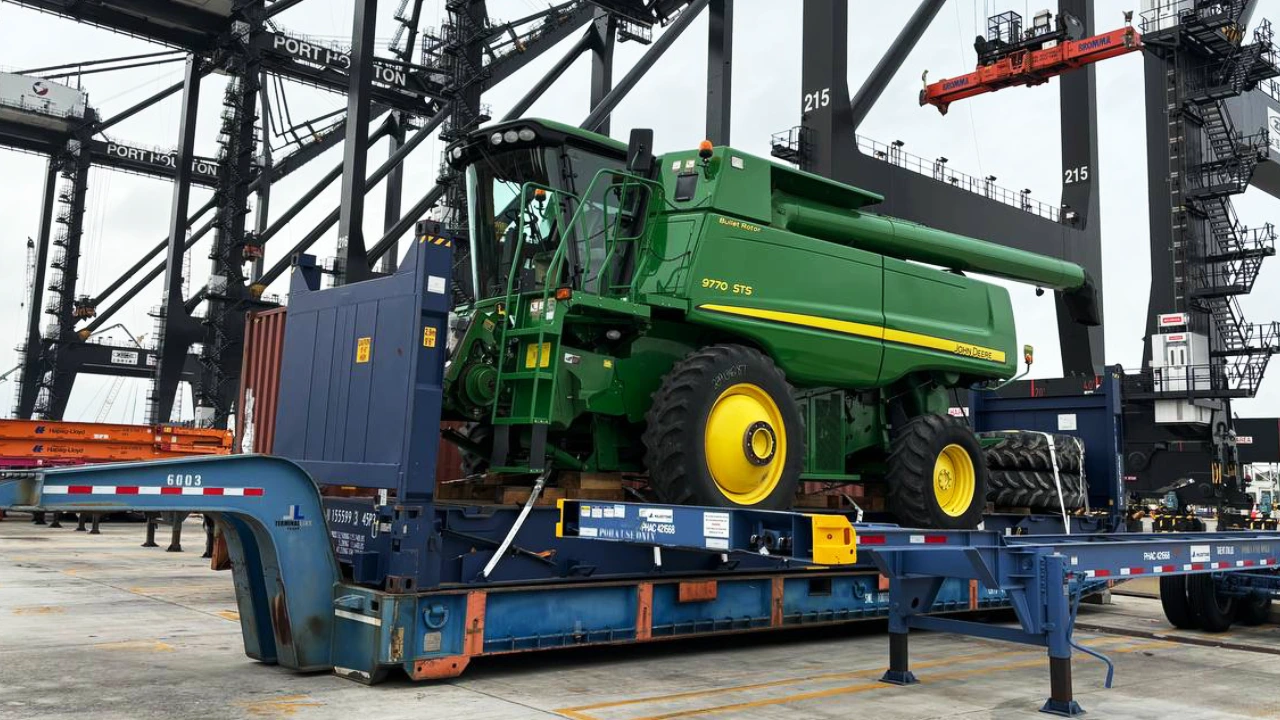
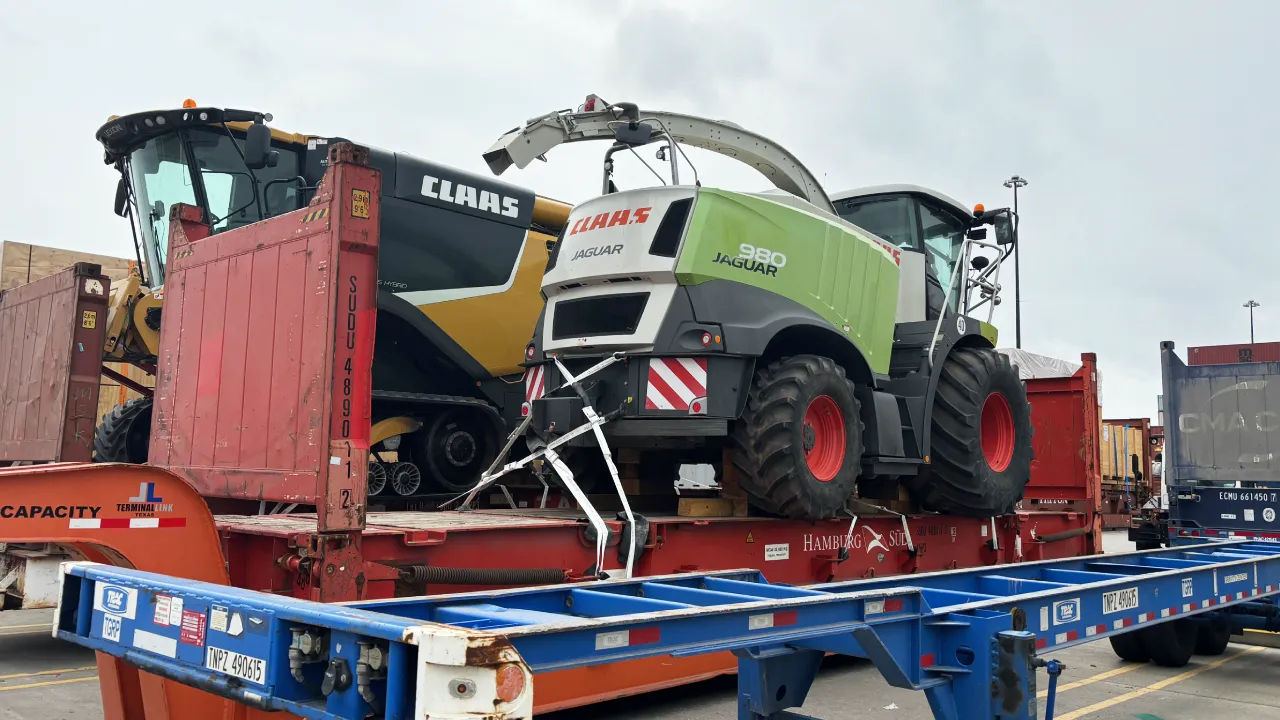
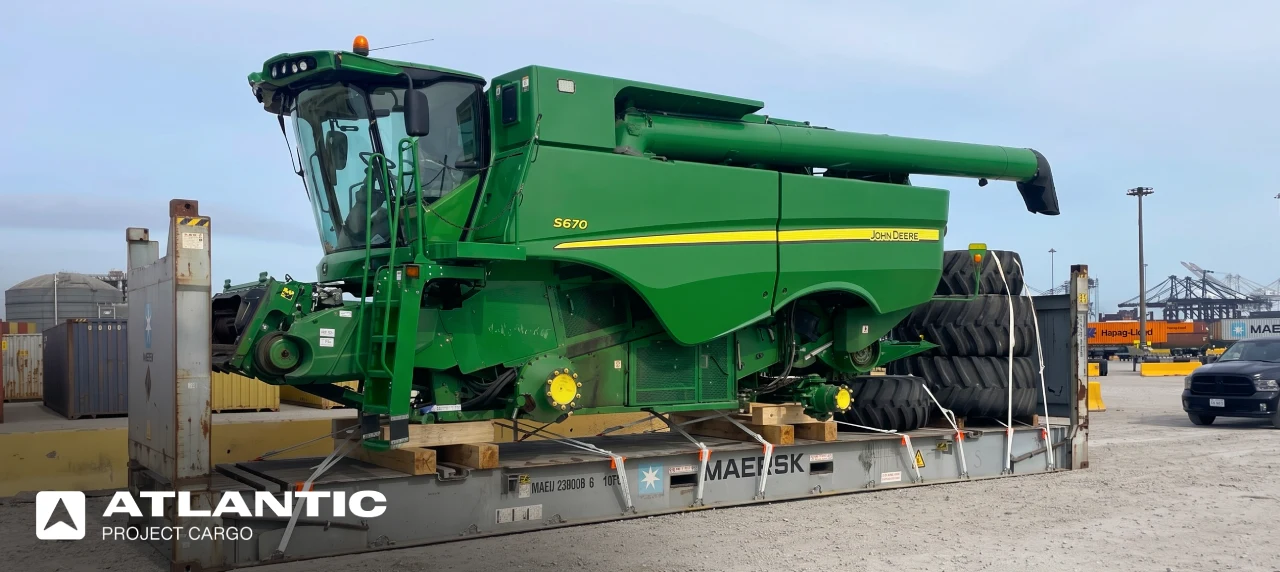
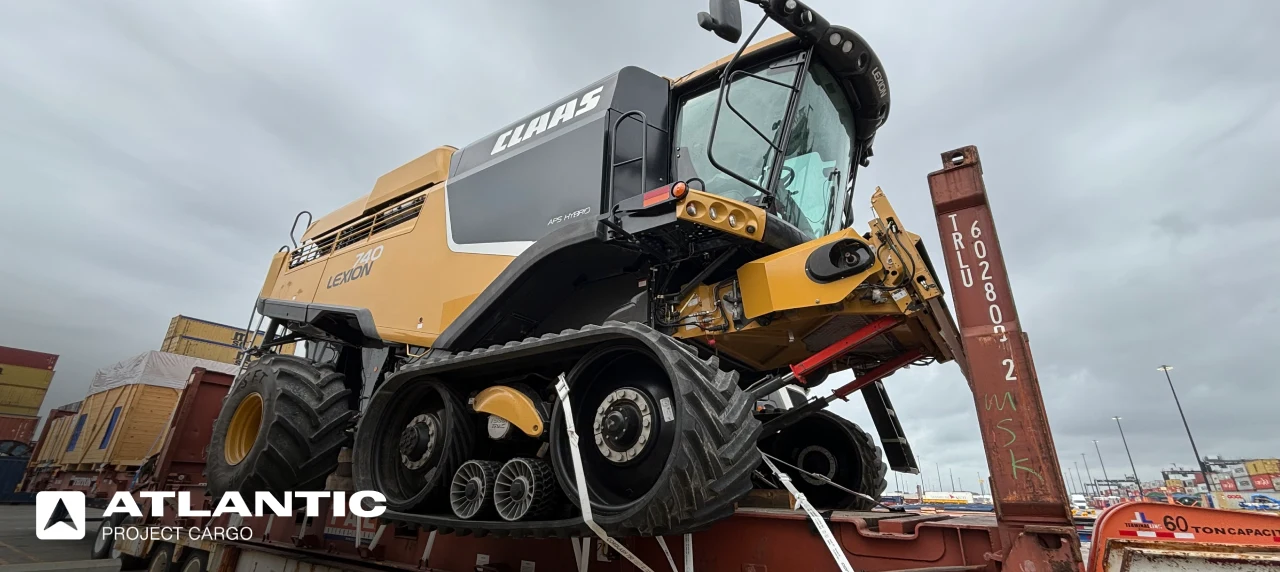
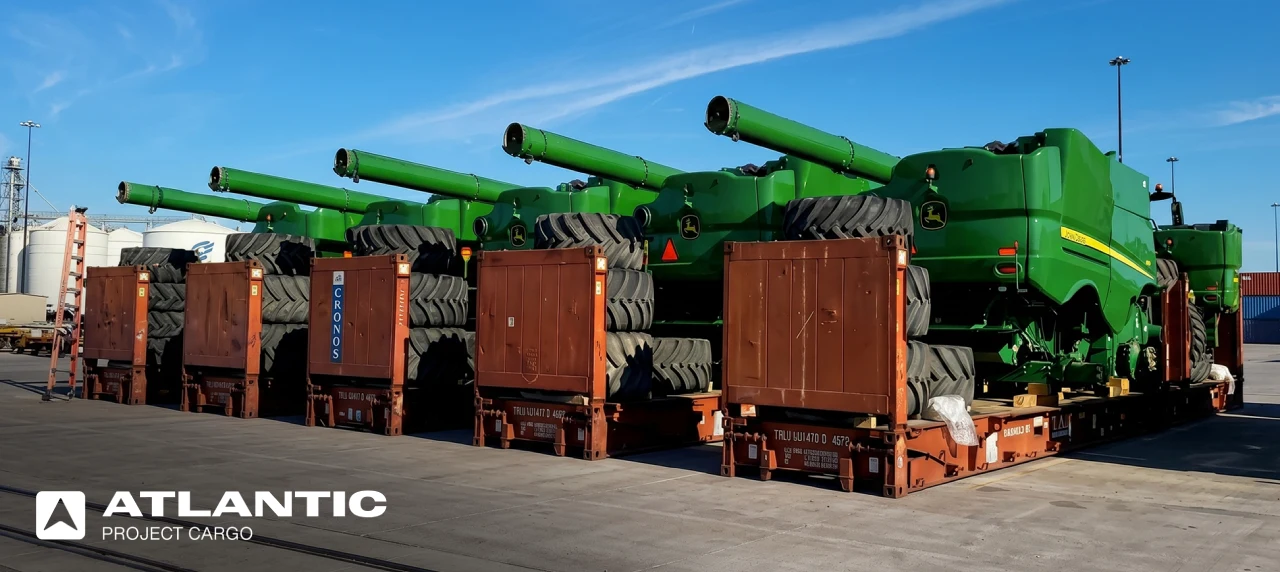
Practical examples illustrate these limitations perfectly. Combine harvesters frequently measure over 12 feet wide, making them strictly overwidth cargo. Large excavators often feature track widths exceeding 10 feet and weights exceeding 70,000 pounds, making them both overwidth and overweight. Industrial generators often exceed 9 feet in height, making them overheight cargo that cannot clear standard high cube container doors. Wind turbine components span over 150 feet in length, requiring entirely custom vessel stowage.

What Qualifies as Out-of-Gauge (OOG) Cargo?

Out-of-gauge cargo definitions are strictly tied to standard container dimensions. When cargo is loaded onto a flat rack or open-top container but exceeds the dimensional envelope of that container, ocean carriers classify it as OOG cargo.

OOG cargo shipping requires specialized handling. Top-loading requirements mean cargo must be lifted via overhead cranes because it cannot be driven or pushed into a container. Side-loading requirements apply when cargo is too wide to fit between the corner posts of standard equipment.

Flat rack compatibility is crucial. Flat racks lack side walls and roofs, allowing cargo to protrude. Open-top usage allows for overheight cargo but still restricts width to standard container dimensions. When cargo exceeds even flat rack capabilities, breakbulk alternatives become necessary.

Real-world cargo dimension examples dictate classification. A tractor measuring 8.5 feet wide sitting on a 7.3-foot-wide flat rack protrudes by roughly 7 inches on each side. This protrusion classifies the shipment as out-of-gauge cargo.

Cargo Type Typical Dimensions OOG Risk Typical Shipping Method
Mid-Size Excavator 31ft L x 10ft W x 10ft H High Width/Height Flat Rack
Combine Harvester 35ft L x 14ft W x 13ft H Extreme Width RoRo or Breakbulk
Industrial Transformer 15ft L x 12ft W x 14ft H Extreme Weight/Height Breakbulk
Wheel Loader 25ft L x 9ft W x 11ft H High Height Flat Rack or RoRo

Common Types of Oversized Cargo

Different industries produce wildly different types of abnormal loads. Each category carries unique transport challenges.

Construction Equipment

Construction equipment shipping forms the backbone of global oversized logistics. Excavators, bulldozers, wheel loaders, and articulated dump trucks dominate this category. Transport challenges stem from heavy tracks, massive counterweights, and awkward attachments.

Common shipping methods include RoRo for wheeled equipment and flat racks for tracked machinery. Inland transport considerations require specialized lowboy trailers to accommodate tall machine cabs. Common OOG issues involve track width exceeding trailer and flat rack dimensions. Port handling complexity is moderate, usually requiring standard heavy-lift forklifts or reach stackers.

Agricultural Machinery

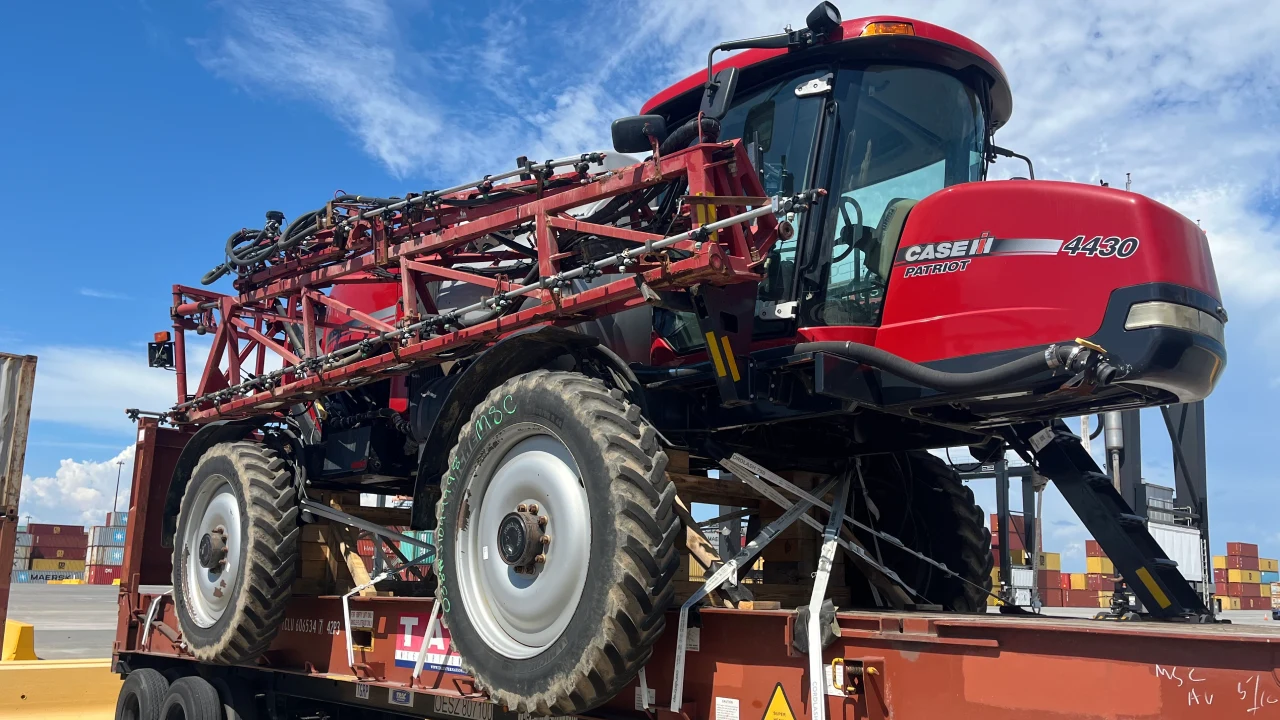
Agricultural equipment shipping involves massive, awkwardly shaped machines designed for fields, not highways. Combine harvesters, large tractors, and self-propelled sprayers are notoriously wide. Transport challenges heavily involve overwidth dimensions.

Common shipping methods prioritize RoRo shipping, allowing machines to be driven directly onto vessels. Inland transport considerations often require full police escorts due to extreme widths blocking multiple highway lanes. Common OOG issues involve dual-wheel configurations. Port handling complexity is high due to strict USDA equipment inspection requirements for used machinery.

Industrial Equipment

Industrial equipment shipping covers manufacturing presses, injection molding machines, and factory components. Transport challenges center on extreme weight concentration. Industrial machinery often features tiny footprints but massive tonnage, threatening to punch through standard trailer decks.

Common shipping methods utilize heavy-duty flat racks or breakbulk shipping. Inland transport considerations demand multi-axle modular trailers to distribute weight safely across highway bridges. Common OOG issues involve irregular center of gravity. Port handling complexity requires complex crane rigging and specialized spreader bars.

Mining Machinery

Mining machinery represents the absolute extreme of oversized cargo transportation. Haul trucks and massive face shovels cannot be transported whole. Transport challenges involve complete disassembly before shipping.

Common shipping methods rely heavily on breakbulk shipping for main chassis components and standard containers for smaller disassembled parts. Inland transport considerations require months of route planning, bridge engineering surveys, and utility line lifting. Common OOG issues involve components that remain oversized even after extreme disassembly. Port handling complexity requires tandem crane lifts using specialized terminal infrastructure.

Oil & Gas Equipment

Oil and gas equipment includes mud pumps, drilling rigs, and massive pipeline valves. Transport challenges involve remote pickup locations and extreme weights.

Common shipping methods utilize breakbulk vessels. Inland transport considerations require heavy haul trucking through unpaved private access roads before reaching main highways. Common OOG issues involve extreme pipe lengths. Port handling complexity requires direct-to-vessel loading to avoid stressing terminal storage yards.

Wind Energy Components

Wind turbine blades, nacelles, and tower sections are exceptionally long. Transport challenges revolve entirely around turning radiuses.

Common shipping methods require specialized project cargo vessels with massive unobstructed deck space. Inland transport considerations demand specialized blade trailers featuring steerable rear axles. Common OOG issues involve extreme length exceeding 150 feet. Port handling complexity requires massive laydown areas and specialized tandem lifting procedures.

Heavy Vehicles

Heavy vehicles include fire trucks, military armored vehicles, and specialized airport rescue equipment. Transport challenges involve vehicle ground clearance and extreme axle weights.

Common shipping methods almost exclusively utilize RoRo vessels. Inland transport considerations often involve driving vehicles directly to ports or using step-deck trailers. Common OOG issues involve roof-mounted equipment exceeding standard heights. Port handling complexity is low, provided vehicles remain fully operational for self-driven loading.

Project Cargo

Project cargo encompasses entire factory relocations or power plant constructions. Transport challenges involve synchronizing hundreds of shipments to arrive sequentially.

Common shipping methods blend flat racks, standard containers, and breakbulk vessels. Inland transport considerations require staging areas near ports. Common OOG issues involve shipping massive prefabricated modules. Port handling complexity requires dedicated terminal space and long-term storage coordination.

How Oversized Cargo Is Transported Internationally

Executing oversized cargo shipping requires seamless multimodal integration. One failure in the chain stops the entire shipment.

Heavy haul trucking initiates the process. Specialized transport companies deploy lowboy, step-deck, or multi-axle modular trailers to load cargo at the origin facility. Inland transport requires strict adherence to state and municipal regulations.

Escort coordination is mandatory for abnormal load transport. Pilot cars drive ahead to warn oncoming traffic and check bridge clearances, while rear escorts prevent dangerous overtaking. Route planning dictates the entire inland journey. Logistics teams must survey routes for low-hanging power lines, weak bridges, narrow toll booths, and sharp turns.

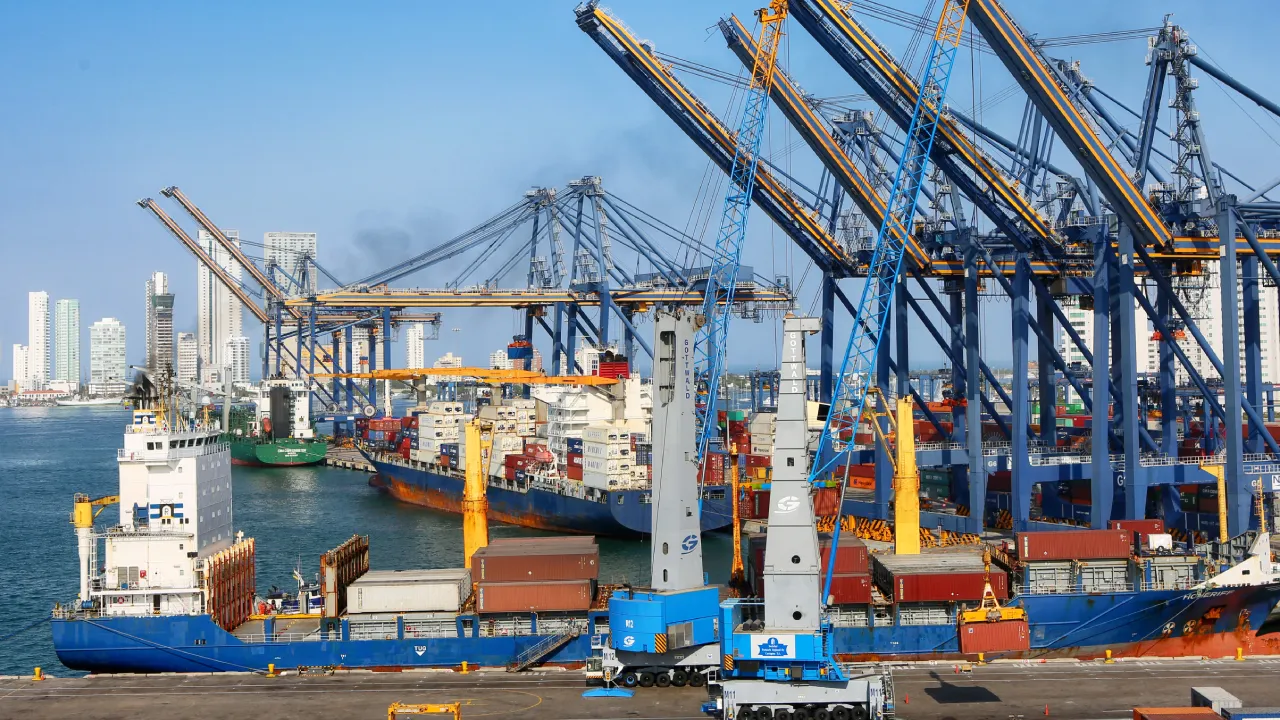
Port handling begins once cargo arrives at the terminal. Terminals utilize heavy-lift reach stackers, massive forklifts, or specialized shore cranes to unload trailers. Cargo is staged in designated OOG yards.

Ocean freight execution depends on the chosen shipping method. Vessels arrive, and terminal operators load cargo using ship-mounted cranes or shore-based gantry cranes.

Customs clearance runs parallel to physical movement. Customs brokers file export declarations, submit commercial invoices, and ensure compliance with international trade regulations. Final delivery coordination mirrors origin inland transport, requiring new route surveys, new permits, and new heavy haul trucking arrangements in the destination country.

Workflow summary

Pickup → Heavy Haul Trucking → Port Handling → Ocean Freight → Customs Clearance → Final Delivery

Get Your Free Quote Today!

Best Shipping Methods for Oversized Cargo

Choosing the correct shipping method dictates cargo safety, transit time, and overall logistics costs.

Flat Rack Shipping

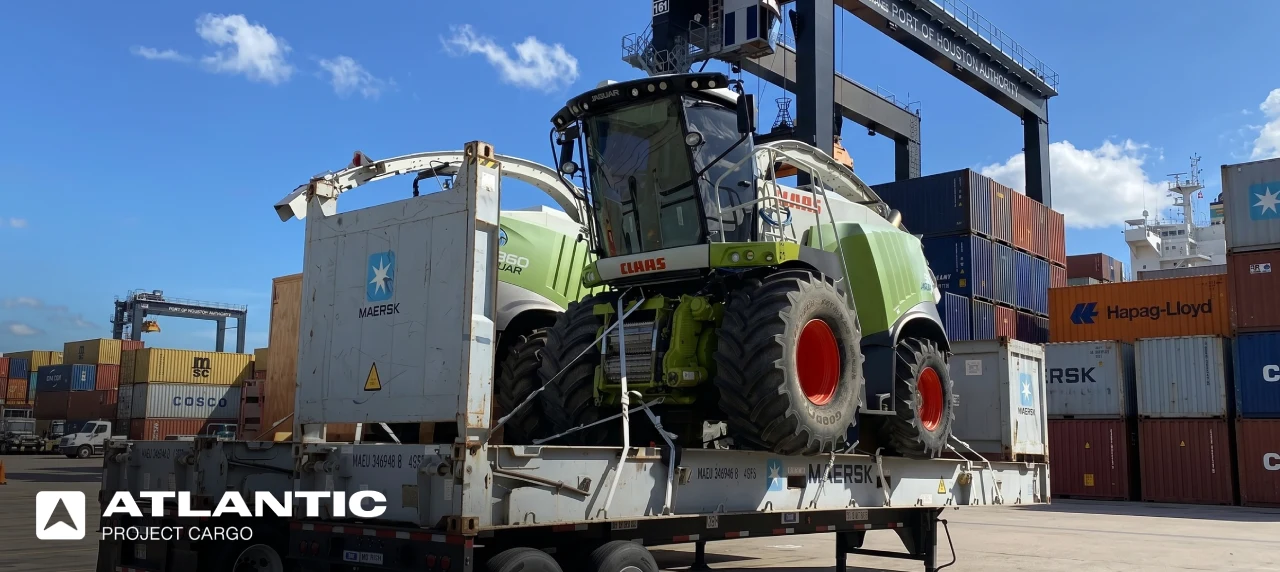
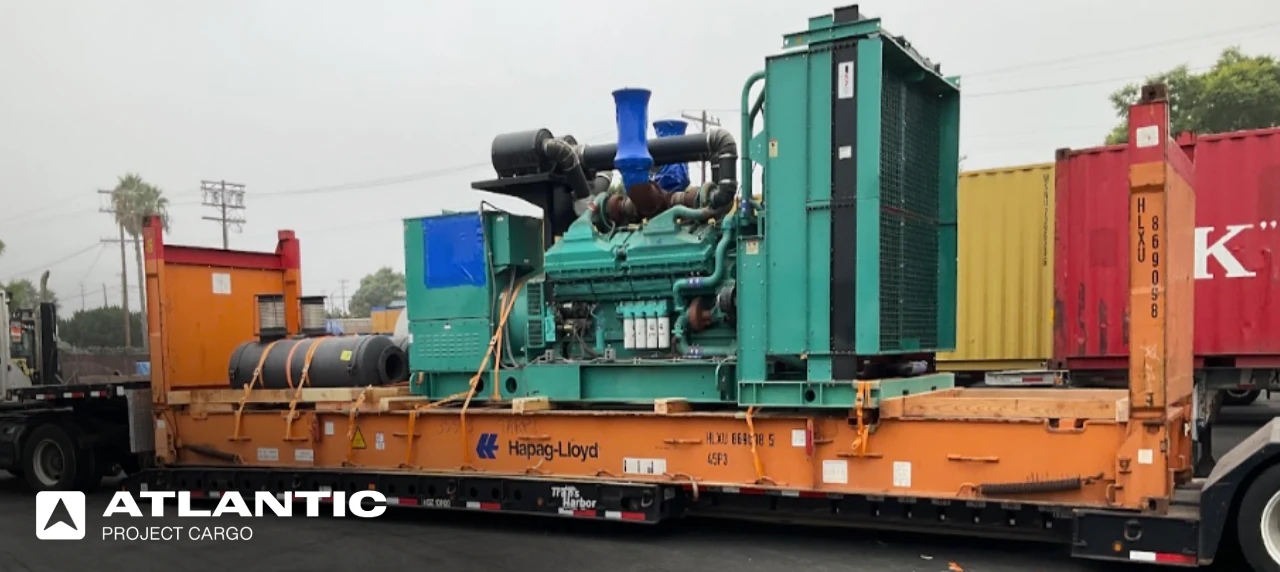
Flat rack containers consist of a reinforced steel floor with collapsible end walls. Side/top loading capabilities make them perfect for heavy machinery. Securing cargo involves lashing chains and heavy-duty straps directly to built-in anchor points along the container floor. Machinery compatibility is excellent for excavators, wheel loaders, and industrial generators.

Oversized freight applications are vast, provided cargo does not exceed maximum vessel slot dimensions.

Breakbulk Shipping

Breakbulk shipping involves loading cargo directly into vessel holds or onto vessel decks without using containers. Ultra-heavy cargo, such as 150-ton transformers, mandates breakbulk. Crane loading requires massive lifting capacity, often utilizing geared vessels equipped with heavy-duty onboard cranes. Industrial project cargo relies heavily on breakbulk. Vessel operations require precise stowage planning to maintain ship stability and prevent cargo shifting during rough seas.

RoRo Shipping

Roll-on/Roll-off (RoRo) shipping utilizes vessels built like massive floating parking garages. Self-propelled machinery drives directly up vessel ramps. Wheeled cargo, including trailers and mobile cranes, is towed aboard. Agricultural and construction equipment perfectly matches RoRo capabilities, assuming machines remain fully operational. RoRo eliminates expensive crane lifts and flat rack lashing fees.

Open Top Containers

Open-top containers feature standard steel walls but replace solid roofs with removable tarpaulins. Overheight cargo fits perfectly, allowing tall machinery to protrude from the top. Crane-loaded freight is easily dropped into the container from above. Loading flexibility makes open tops ideal for tall industrial presses or large engine blocks that fit within standard width limits but exceed height limits.

Heavy Haul Trucking

Heavy haul trucking handles inland oversized transport. Lowboy trailers feature dropped decks, lowering overall cargo height to clear highway overpasses. Modular trailers feature dozens of steerable axles, distributing extreme weight across massive surface areas to prevent bridge collapses. Escort vehicles provide safety buffers. Inland oversized transport requires constant coordination with highway patrols and municipal utility companies.

Method Best For Cost Level Key Advantages Main Limitations
Flat Rack Tracked machinery, wide cargo Medium High availability, secure lashing Strict weight limits, exposed to weather
Breakbulk Ultra-heavy, massive dimensions High Handles extreme sizes, no container limits Less frequent sailings, high crane fees
RoRo Self-propelled, wheeled machinery Low to Medium No crane fees, fast loading Cargo must be operational or towable
Open Top Tall, narrow cargo Low Cheaper than flat racks, protects sides Width strictly limited to 7.7 feet
Heavy Haul Inland transport Variable Door-to-door capability Subject to strict road dimension laws

Flat Rack vs Breakbulk vs RoRo For Oversized Freight

Comparing shipping methods requires analyzing specific cargo characteristics against vessel capabilities.

Loading

Loading process differences are stark. RoRo loading simply requires a driver to start the machine and drive it up a ramp. Flat rack loading requires heavy-duty forklifts or reach stackers to lift machines onto container floors, followed by extensive chain lashing. Breakbulk loading requires complex crane rigging, precise center-of-gravity calculations, and slow, deliberate lifting directly into vessel holds.

Compatibility

Cargo compatibility dictates choices. Excavators usually ship via flat rack because metal tracks can damage RoRo vessel decks. Combine harvesters usually ship via RoRo because their extreme width makes flat rack loading dangerously unstable. Generators and massive industrial equipment lacking wheels dictate flat rack or breakbulk shipping. Crawler cranes, due to their extreme weight, often require breakbulk.

Cost

Costs vary significantly. RoRo is generally the most cost-effective method because it eliminates crane handling and container leasing fees. Flat rack shipping incurs OOG surcharges because oversized cargo blocks adjacent container slots on vessels. Breakbulk is usually the most expensive due to custom stowage planning, specialized vessel requirements, and massive crane lifting fees.

Speed

Transit speed favors flat racks. Flat racks load onto standard container ships, which offer frequent weekly sailings and fast transit times. RoRo vessels operate on less frequent schedules. Breakbulk vessels operate on specialized, often irregular routes, meaning shippers might wait weeks for vessel availability.

Safety

Cargo protection differs across methods. RoRo cargo stows inside enclosed vessel decks, fully protected from saltwater spray. Flat rack and breakbulk cargo often stow on open decks, exposing machinery to harsh marine environments.

Requirements

Vessel requirements and port restrictions play major roles. Not all ports feature RoRo ramps. Not all container terminals handle breakbulk cargo. Shippers must verify destination port capabilities before booking freight.


Not Sure Which Shipping Method Fits Your Cargo?

Atlantic Project Cargo helps determine the safest and most cost-effective oversized cargo solution based on cargo dimensions, route complexity, and transport requirements.

Get Your Free Quote Today!

How Oversized Cargo Is Loaded Onto Vessels

Loading oversized machinery onto ocean vessels requires engineering precision. Standard containers are lifted via automated gantry cranes using standardized corner castings. Oversized cargo requires entirely different procedures.

Crane loading for out-of-gauge cargo shipping relies on specialized lifting gear. Lift-on/lift-off operations (LoLo) utilize heavy-duty wire ropes, nylon slings, and massive steel spreader bars. Riggers must identify exact lifting points on machinery to prevent crushing fragile components.

RoRo loading bypasses cranes entirely. Stevedores drive self-propelled machinery up stern ramps. Once inside, workers secure vehicles to deck anchor points.

Cargo securing is critical for maritime safety. Lashing involves using high-tensile steel chains and heavy-duty tensioners to strap cargo to container floors or vessel decks. Marine surveyors calculate required lashing strength based on cargo weight and expected ocean wave forces.

Balance and weight distribution dictate vessel stability. Stowage planners use specialized software to place heavy breakbulk cargo low in vessel holds, maintaining optimal center of gravity. Placing too much weight on upper decks risks the vessel capsizing.

Port handling coordination requires synchronizing inland truck arrivals with vessel loading schedules. Heavy haul trucks delivering breakbulk cargo often drive directly alongside vessels under ship cranes, requiring precise timing to avoid delaying vessel departures.

Flat rack loading involves lifting machinery onto empty flat racks staged in terminal yards. Stevedores secure machinery, and terminal reach stackers transport loaded flat racks to quay sides for vessel loading. Breakbulk vessel loading involves lifting cargo directly from trailers into vessel holds. Oversized machinery handling demands constant communication between crane operators, riggers, and vessel captains.

Common Problems in Oversized Cargo Transportation

Oversized load transport invites operational friction. Minor oversights cascade into massive logistical failures. Understanding these problems prevents costly delays.

Cargo Does Not Fit Standard Containers

Shippers frequently attempt to force oversized cargo into standard containers to save money. Overheight cargo strikes container door headers during loading. Overwidth cargo scrapes side walls, causing severe damage. Irregular dimensions prevent doors from closing. Loading restrictions strictly prohibit shipping containers with open doors.

When cargo fails to fit, terminals reject shipments, forcing shippers to hastily rebook cargo onto expensive flat racks while paying heavy terminal storage fees.

Incorrect Cargo Measurements

Inaccurate specs destroy logistics plans. Shippers often measure main machine bodies but forget hidden attachments, exhaust stacks, or protruding mirrors. A machine documented as 115 inches wide that arrives measuring 118 inches wide faces immediate loading refusal.

Transport companies secure permits based on exact dimensions. If actual dimensions exceed permitted dimensions, highway patrols impound trucks. Ocean carriers issue unexpected OOG surcharges if cargo protrudes further than declared, instantly destroying shipping budgets.

Permit Escort Delays

Abnormal load transport requires strict legal compliance. State permits dictate exact travel dates, times, and routes. Escort vehicle requirements trigger automatically based on dimensional thresholds. Bridge limitations force trucks to take massive detours. Route restrictions often prohibit heavy haul trucking through major cities during daylight hours. A single delayed state permit can stall a cross-country shipment for weeks.

Port Terminal Restrictions

Terminals possess hard physical limits. Crane limitations dictate maximum lifting capacities. If cargo weighs 85 tons but terminal shore cranes only lift 65 tons, the cargo cannot be loaded. Restricted terminals lack necessary OOG yard space. RoRo limitations involve ramp weight capacities and door height clearances. Vessel compatibility issues arise when cargo height exceeds maximum deck clearances on RoRo ships.

Customs Compliance Delays

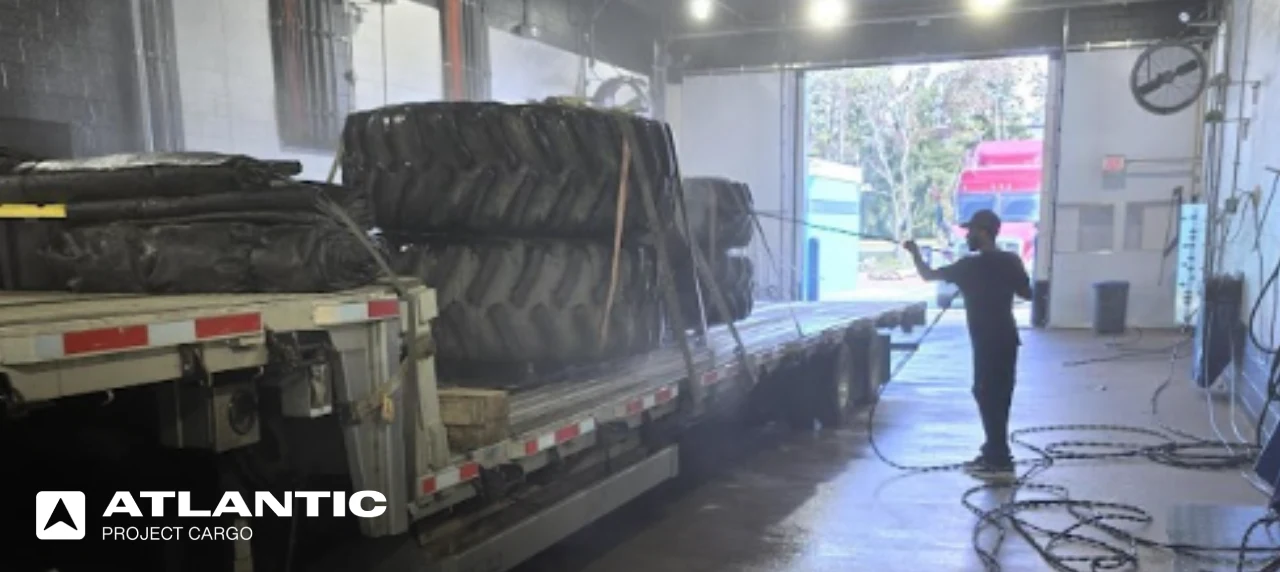
International oversized cargo shipping faces intense regulatory scrutiny. USDA inspections target used agricultural and construction equipment, searching for foreign soil and pests. If inspectors find dirt, they mandate expensive pressure washing and fumigation, halting export processes. EPA compliance requires verifying engine emission standards. Customs holds delay shipments lacking proper commercial invoices. Missing documentation stops cargo at borders.

Cargo Securing Failures

Improper lashing leads to catastrophic cargo shifting during ocean transit. If heavy machinery breaks loose during severe storms, it smashes into adjacent containers, causing millions in damage. Damage risks escalate when shippers fail to provide proper lifting diagrams, causing stevedores to wrap chains around fragile hydraulic cylinders.

Marine transport safety relies heavily on professional export rigging. Cargo securing failures automatically trigger massive insurance claims and drawn-out legal battles.

Weather Route Limitations

Nature dictates oversized shipping schedules. Storm delays halt vessel loading operations because high winds make crane lifting dangerously unstable. Wind restrictions also halt inland heavy haul trucking, as massive cargo acts like sails, threatening to blow trailers off highways. Seasonal route issues involve spring thaw laws in northern states, which severely restrict maximum allowable axle weights to prevent road damage, forcing shippers to split loads or delay transport.

Storage Demurrage Costs

Terminal storage fees accumulate rapidly. Missed vessel cutoffs occur when heavy haul trucks encounter road delays and arrive at ports after loading windows close. Cargo must sit in terminal yards until the next available vessels. Customs delays force cargo to sit in bonded storage. Unexpected fees for OOG cargo storage easily exceed hundreds of dollars per day, destroying project budgets.

Oversized Cargo Rejection Risks

Ocean carriers hold absolute authority over vessel safety. Incorrect dimensions lead to immediate rejection. Improper securing by inland transport providers forces terminals to reject cargo. Vessel limitations, such as a lack of available deck space, cause cargo rolls. Documentation issues, particularly missing hazardous materials declarations for machine fluids, cause outright rejection. Route incompatibility forces shippers to redesign entire transport plans mid-transit.

Oversized Cargo Permits & Regulations

Legal compliance forms the foundation of oversized load transport. Moving massive machinery requires permission from multiple government authorities.

Oversized permits are mandatory for any truck exceeding standard legal dimensions (typically 80,000 lbs gross weight, 8.5 feet wide, 13.5 feet high, and 53 feet long in North America). State transport regulations vary wildly. A truck traveling from Texas to Florida must secure separate permits from Texas, Louisiana, Mississippi, Alabama, and Florida.

Each state enforces different escort requirements. Some states require one pilot car for loads over 10 feet wide; others require front and rear escorts plus highway patrol cruisers.

Bridge and road restrictions dictate exact travel paths. Engineers must verify that massive weights will not collapse infrastructure. Port authority requirements dictate terminal entry protocols, requiring specialized driver credentials and heavy lift appointments.

Export compliance involves federal agencies. DOT regulations govern inland road safety. EPA compliance requires strict documentation for engine emission standards, especially for imported machinery. USDA regulations mandate absolute cleanliness for used machinery to prevent agricultural contamination.


Permit planning workflow:

  1. Measure exact cargo dimensions and weight.
  2. Select an appropriate heavy haul trailer.
  3. Calculate gross vehicle weight and axle distribution.
  4. Map a preliminary route from the origin to the port.
  5. Submit permit applications to all transit states.
  6. Coordinate required private escorts and police escorts.
  7. Execute transport strictly along the permitted route.

Preparing Oversized Cargo for Shipping

Preparation dictates shipping success. Throwing heavy machinery onto trucks without preparation guarantees damage and delays.

Cleaning is the first mandatory step. Used machinery must undergo intense pressure washing to remove all soil, grease, and plant debris to pass USDA inspections. Dismantling reduces cargo dimensions, saving massive amounts of money. Removing excavator buckets, bulldozer blades, and tractor dual wheels often reduces OOG cargo to standard legal dimensions, eliminating permit requirements and OOG vessel surcharges.

Dimension measurements must be exact. Measure length, width, and height to the nearest inch, including all protruding exhaust pipes and mirrors. Securing loose parts prevents components from flying off during highway transport or ocean transit. Cargo inspections document pre-existing damage using high-resolution photography.

Rigging and crating protect fragile components. Exposed glass cabs require plywood boarding. Export preparation involves draining excess fuel, disconnecting batteries, and taping over exhaust stacks to prevent saltwater ingress. Documentation preparation involves gathering commercial invoices, packing lists, lifting diagrams, and engine EPA certificates.

Oversized Cargo Preparation Checklist

  • Remove all dirt, mud, and debris.
  • Dismantle attachments to reduce dimensions.
  • Measure exact L x W x H and weight.
  • Drain fuel to required minimum levels.
  • Disconnect battery terminals.
  • Secure all loose components inside cabs.
  • Photograph the machine from all angles.
  • Prepare lifting and lashing diagrams.
  • Verify engine EPA compliance plates.

What Affects Oversized Cargo Shipping Costs?

Oversized cargo shipping lacks standard rate sheets. Every shipment requires custom pricing based on highly variable factors.

Size

Dimensions and weight are primary cost drivers. Larger dimensions require larger trailers, more expensive permits, and higher vessel OOG surcharges. Extreme weight dictates multi-axle trailers and massive crane lifting fees. The transport method heavily influences the price. RoRo is generally cheaper than flat rack, while breakbulk is vastly more expensive.

Inland

Escort requirements add high inland costs. Police escorts charge hourly rates, which skyrocket during cross-country trips. Permits cost money in every state crossed. Inland trucking rates fluctuate based on fuel prices and specialized trailer availability.

Crane

Crane handling fees at ports are massive. Terminals charge thousands of dollars for heavy-lift shore cranes. Port fees include specialized OOG receiving and lashing charges. Route complexity increases costs if trucks must detour hundreds of miles to avoid weak bridges. Vessel availability dictates ocean freight pricing; limited RoRo space drives up rates. Seasonality affects costs, particularly during harvest seasons when agricultural equipment shipping spikes.

Realistic Calculation Examples


Example 1

Consider an excavator shipment. If an excavator measures 10.5 feet wide, it requires standard oversized permits and a lowboy trailer, costing moderately. If it ships via flat rack, the 10.5-foot width blocks adjacent vessel container slots, triggering OOG surcharges covering the lost revenue of those blocked slots.
 

Example 2

Consider an industrial generator shipment. Weighing 90,000 pounds, it requires a 9-axle trailer for inland transport, significantly increasing trucking costs. At the port, it exceeds standard reach stacker capacities, requiring a specialized shore crane lift, adding thousands to terminal fees.
 

Example 3

Consider a combine harvester shipment. Removing the front header attachment reduces the main body width, allowing it to ship via RoRo safely. The header ships separately in a standard 40ft container. This dismantling strategy saves thousands compared to shipping the fully assembled machine via breakbulk.


Need an Accurate Oversized Cargo Shipping Estimate?

Get customized quotes based on cargo dimensions, shipping methods, pickup locations, and destination countries.

Get Your Free Quote Today!

Oversized Cargo Shipping Example

Disclaimer: This example is representative of the type of oversized cargo operations Atlantic Project Cargo handles. Specific dimensions, routes, and figures are illustrative and provided for explanatory purposes.

2026 Context: Global Infrastructure Expansion

In early 2026, South American infrastructure projects drove massive demand for heavy industrial equipment. Atlantic Project Cargo executed a highly complex oversized transport operation moving critical power generation equipment.

Cargo: Industrial Gas Turbine Generator

Dimensions: 32ft L x 14ft W x 13ft H

Weight: 125,000 lbs

Route: Texas, USA → Santos, Brazil

Shipping Method: Heavy haul modular trucking + breakbulk ocean freight

Challenges

  • Overweight cargo exceeded standard highway bridge capacities in Texas.
  • Overwidth dimensions blocked two highway lanes, requiring full highway patrol escorts.
  • Crane coordination required synchronizing the truck arrival exactly with the vessel’s heavy-lift operations.
  • Port handling restrictions at origin prevented long-term terminal storage due to extreme cargo weight.

Solution

Atlantic Project Cargo engineered a comprehensive multimodal plan. Route planning involved structural engineers verifying bridge capacities along a 200-mile inland route. Escort coordination involved private pilot cars and the Texas Highway Patrol executing a rolling roadblock during late-night transport hours.

Breakbulk vessel booking secured space on a specialized heavy-lift vessel equipped with dual 150-ton onboard cranes. Customs coordination ensured all export declarations and Brazilian import licenses were cleared prior to vessel departure, preventing destination demurrage.

Result

The generator arrived at the Port of Houston precisely as the breakbulk vessel readied its cranes. Direct-to-vessel loading bypassed terminal storage entirely. Safe delivery occurred in Santos without permit delays, showcasing optimized transport workflows.

Key Takeaways

  • Early route surveys prevent inland transport disasters.
  • Direct-to-vessel loading saves massive terminal storage fees.
  • Breakbulk vessels offer essential heavy-lift capabilities for ultra-heavy cargo.
  • Synchronized multimodal coordination is mandatory for oversized freight.

How Atlantic Project Cargo Handles Oversized Freight

Atlantic Project Cargo specializes in managing complex logistical puzzles. Standard freight forwarders struggle with oversized freight because they lack heavy machinery expertise. We provide end-to-end multimodal transportation solutions engineered specifically for abnormal loads.

Heavy haul coordination forms our inland foundation. We dispatch lowboys, step-decks, and modular trailers, handling all state permitting and escort vehicle requirements. Flat rack and breakbulk expertise allows us to secure optimal vessel space, negotiate OOG surcharges, and oversee complex port rigging operations.

RoRo shipping operations provide cost-effective alternatives for wheeled and tracked machinery. Customs brokerage teams handle EPA compliance, USDA inspection coordination, and complex import/export documentation. Permit coordination ensures legal compliance across all jurisdictions.

From single OOG cargo handling to massive project logistics execution involving multiple synchronized vessels, Atlantic Project Cargo delivers heavy machinery safely, legally, and efficiently.


Looking for Reliable Oversized Cargo Transportation?

Atlantic Project Cargo coordinates oversized freight, OOG cargo, heavy machinery, and project logistics through fully managed international transport solutions.

Explore Oversized Cargo Shipping Services

Get Your Free Quote Today!

Oversized Cargo Transportation FAQ

Cargo qualifies as oversized when its dimensions (length, width, height) or weight exceed standard legal transport limits for roads, or when it cannot fit inside standard 20-foot or 40-foot shipping containers.

Out-of-gauge (OOG) cargo refers to freight loaded onto specialized shipping containers (like flat racks or open tops) that protrude beyond the standard dimensional envelope of that container, requiring specialized vessel stowage.

Sometimes. Minor dismantling, such as removing excavator buckets or tractor tires, can reduce oversized machinery dimensions enough to fit inside standard high cube containers, drastically reducing shipping costs.

The best method depends on cargo type. RoRo is best for operational wheeled machinery. Flat racks are best for tracked equipment or moderately wide cargo. Breakbulk is best for ultra-heavy or massively oversized industrial equipment.

Generally, no. Breakbulk is usually more expensive due to custom stowage planning, massive crane lifting fees, and specialized vessel requirements. Flat racks utilize standard container ship networks, making them more cost-effective for moderately oversized cargo.

Yes. Any truck hauling cargo that exceeds standard legal highway dimensions or weight limits must secure oversized transport permits from every state, province, or municipality it travels through.

If cargo exceeds standard container dimensions, it must be loaded onto a flat rack or open-top container. The ocean carrier will classify it as OOG cargo and apply specialized handling fees and lost-slot surcharges.

Machinery is either driven onto RoRo vessels via stern ramps, lifted onto flat racks using heavy-duty reach stackers, or lifted directly into breakbulk vessel holds using massive shore-based or ship-mounted gantry cranes.

Costs are driven by cargo dimensions, total weight, required inland heavy haul trailers, state permit fees, escort vehicle requirements, port crane lifting fees, vessel OOG surcharges, and overall route complexity.

Yes, provided the equipment is self-propelled, features wheels or rubber tracks, and fits within the internal deck height clearances and ramp weight capacities of the specific RoRo vessel.

Transit times vary wildly. Inland permitting can take weeks. Vessel transit times range from 15 to 45 days depending on the destination. Overall, oversized shipping requires 4 to 8 weeks of lead time before departure.

Escort vehicles (pilot cars) warn oncoming traffic of massive loads, prevent dangerous overtaking, measure bridge clearances in real-time, and ensure heavy haul trucks safely navigate tight highway turns without causing accidents.

Read More

July 10, 2026
FOB Shipping for Heavy Equipment Buyers: Costs, Responsibilities, and Common Mistakes
FOB (Free On Board) means the seller is responsible for delivering equipment to the designated export port and loading the machinery onto the vessel. Once...
Reviewed by
Nick Yadryshnikov
June 26, 2026
Top 10 Construction Equipment Manufacturers
The global construction equipment industry has entered a new era. Driven by surging infrastructure investment, rapid urbanization, and a technology wave spanning electrification, autonomy, and...
Reviewed by
Victoria Moseicuka
June 23, 2026
SOLAS VGM Requirements for Heavy Equipment and Project Cargo: Practical Guide for Shippers
Shipping heavy equipment across oceans requires strict adherence to international safety regulations. As of 2026, global port authorities have implemented highly automated weighbridge systems, making...
Reviewed by
Victoria Moseicuka
Share via