

Key Takeaways
- CIF shipping means the seller pays inland transport, export clearance, ocean freight, and minimum marine cargo insurance to the destination port.
- FOB shipping means the seller delivers the machine loaded on board, and the buyer controls freight, insurance, and everything after.
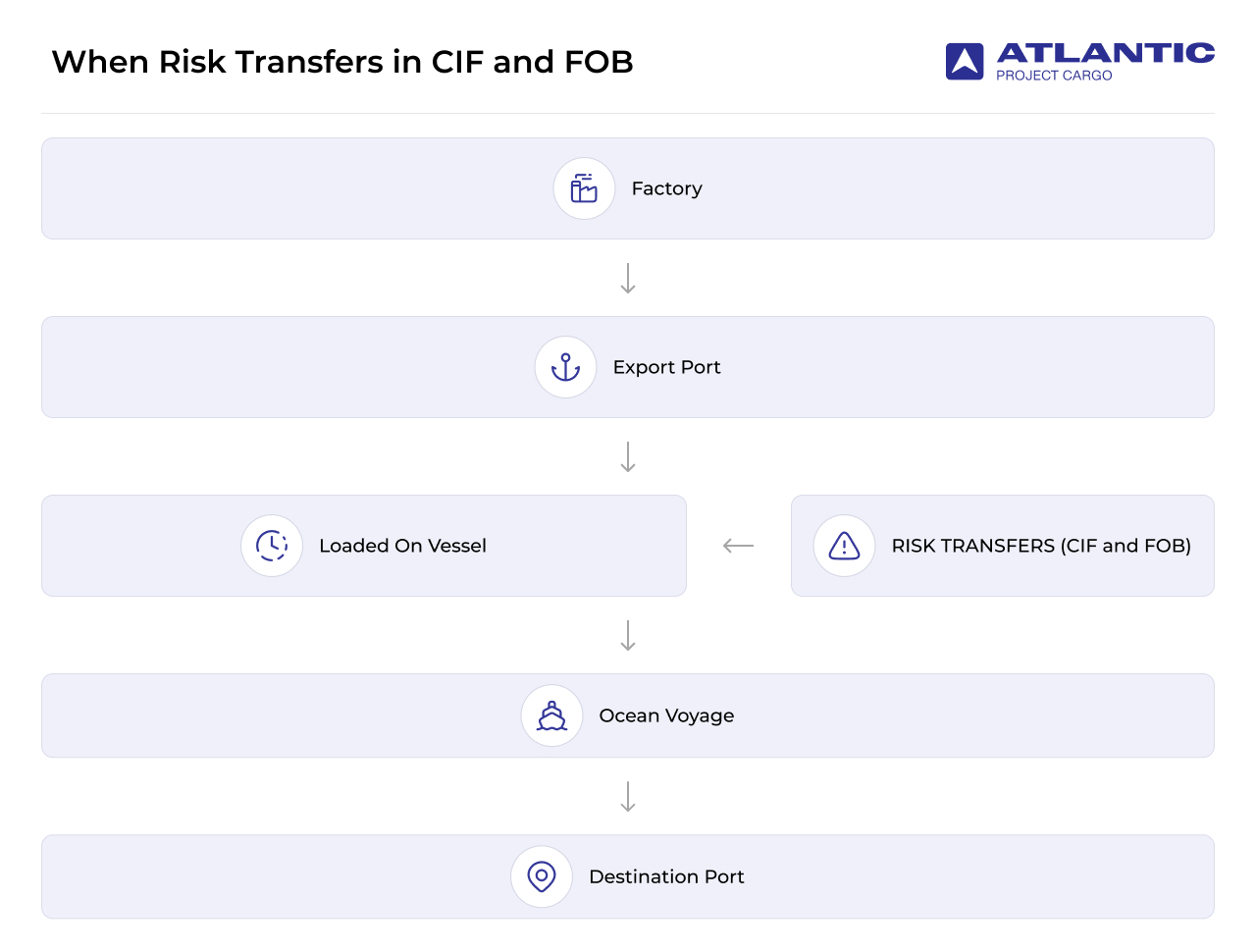
- Risk transfers at the same point under both terms — when the equipment is loaded on board the vessel at origin.
- CIF’s required insurance is Institute Cargo Clauses (C) at 110% of invoice value, which excludes theft, pilferage, and handling damage.
- FOB gives experienced buyers better rates, better coverage, and control over whether the machine ships RoRo, flat rack, or breakbulk.
- CIF suits first-time importers, smaller machines, and unfamiliar trade lanes where simplicity is worth the markup.
- CIF and FOB apply to sea and inland waterway transport only; containerized equipment is better served by FCA or CIP.
- US customs value excludes international freight and insurance, so CIF purchases into the US require the broker to deduct those charges.
CIF and FOB are international shipping terms that determine who pays for freight and insurance, and when responsibility for the cargo transfers from the seller to the buyer. For most experienced heavy equipment importers, FOB shipping offers greater control and pricing transparency. CIF shipping offers a simpler buying process.
Incoterms decide far more than who books the vessel. They decide who eats the cost when a 60,000-pound excavator sits at the port for three extra weeks, whose policy responds when a boom arm is bent during loading, and which number your broker declares at destination.
Buyers confuse CIF vs FOB constantly, usually because a CIF quote looks like a delivered price. It is not. And picking the wrong term on an oversized machine does not cost you a few hundred dollars — it adds thousands in surcharges, duty, and destination handling you never saw coming.
This guide covers what each term includes, when risk actually transfers, what total cost looks like under each, and which one fits your specific machine.
Note: This article is for general informational purposes only and does not constitute legal, customs, or insurance advice. Incoterms rules are contractual, not statutory, and their effect depends on your sales contract, your carrier’s terms, and the law of the applicable jurisdiction. Confirm details with a licensed customs broker, insurance broker, or trade attorney before committing to a purchase.
What Is CIF?
CIF (Cost, Insurance and Freight) means the seller pays for inland transport to the export port, export clearance, ocean freight to the named destination port, and a minimum level of marine cargo insurance.
The CIF meaning is frequently misread as “delivered to my door.” It is not. CIF shipping is a “C” term: the seller pays for carriage but stops carrying the risk long before the machine arrives. What you are buying is a bundled price to a port, nothing more.
| Seller Pays | Buyer Pays |
|---|---|
| Inland transport to port | Import duties and taxes |
| Export customs clearance | Destination terminal charges |
| Ocean freight | Final delivery to site |
| Marine insurance (minimum cover) | Local transportation and unloading |
The insurance detail matters more than most buyers realise. Under the Incoterms 2020 rules, CIF requires only Institute Cargo Clauses (C) cover at 110% of invoice value. ICC (C) is a named-perils policy – it responds to catastrophes like fire, sinking, and collision. It does not cover theft, pilferage, handling damage, or water damage. On a used machine moving through a busy breakbulk terminal, those are exactly the losses that actually happen. The International Chamber of Commerce – the body that publishes Incoterms – deliberately left CIF at minimum coverage while raising CIP to all-risks cover.
Typical use case: A first-time buyer purchasing a compact machine from an established exporter on a high-volume trade lane.
Note: Coverage described above reflects standard Institute Cargo Clauses wording; actual terms, exclusions, and endorsements vary by insurer and policy. Review your certificate of insurance before relying on it.
What Is FOB?
FOB (Free On Board) means the seller delivers the equipment loaded on board the vessel at the export port, and the buyer arranges and pays for ocean freight, insurance, and everything from that point forward.
The FOB meaning is narrow and precise: free on board that vessel, and not one step further. Under FOB shipping, you nominate the vessel, appoint the freight forwarder, negotiate the ocean rate, and choose your own insurance. Everything up to the loading point — including export clearance — stays with the seller.
| Seller Pays | Buyer Pays |
|---|---|
| Inland transport to port | Ocean freight |
| Export clearance | Marine cargo insurance |
| Loading on board | Destination terminal charges |
| Export documentation | Final delivery to site |
FOB is the default in international Heavy Equipment Shipping for one blunt reason: the buyer usually knows the destination better than the seller does. A dealer in Georgia has no idea which berth in Durban can handle an out-of-gauge lift, or which RoRo lane sails monthly instead of weekly.
Typical use case: An importer or contractor moving standard and large machinery on a route they run regularly.
CIF vs FOB: Key Differences
The core difference in CIF vs FOB shipping is control. Under CIF the seller controls the ocean leg; under FOB the buyer does. Risk transfer, however, is identical under both.
| Feature | CIF | FOB |
|---|---|---|
| Ocean freight | Seller | Buyer |
| Insurance | Seller (minimum cover) | Buyer |
| Freight forwarder | Seller chooses | Buyer chooses |
| Shipping cost control | Low | High |
| Pricing transparency | Medium | High |
| Best for | First-time importers | Experienced buyers |
- Ocean freight: Under CIF the freight is baked into the equipment price, so you cannot see what you are paying for it. Sellers routinely mark it up.
- Insurance: CIF gives you the legal minimum. FOB lets you buy all-risks marine cargo insurance sized to the real replacement value of the machine.
- Freight forwarder selection: Under CIF the seller’s forwarder works for the seller, not for you. When something goes wrong at the port, that distinction becomes expensive.
- Cost control: FOB lets you compare quotes across carriers and methods. CIF gives you one number, take it or leave it.
- Method selection: The one buyers overlook. Under CIF, the seller decides whether your excavator moves RoRo or on a flat rack. That decision drives both your cost and your damage exposure.
When Does Risk Transfer?
Under both CIF and FOB, risk transfers from the seller to the buyer when the equipment is loaded on board the vessel at the port of origin. Paying for freight and carrying the risk are two different things.
This is the biggest misconception in international shipping terms. Because CIF contains the word “insurance” and quotes a destination port, buyers assume the seller stays responsible until arrival. They do not. If your excavator is damaged in a storm mid-Atlantic on CIF terms, that loss is yours — you simply hold a claim against a policy the seller bought on your behalf.
Key takeaway: CIF moves the cost to the seller. It does not move the risk. The only thing between you and a total loss at sea is the quality of the policy — which is why the ICC (C) minimum deserves a hard look before you accept it.
When Should You Choose CIF?
CIF shipping makes sense when you lack established freight relationships and the value of simplicity outweighs the cost of losing control.
- A first international purchase, where you have no forwarder, no broker, and no appetite for coordinating a multi-leg move.
- Smaller machines, such as a mini excavator or compact loader, where a few hundred dollars of freight markup is not worth the management overhead.
- Suppliers with a mature export process, particularly dealers who ship the same lane monthly and hold real contract rates.
- Trade lanes you do not know, where the seller has better port access than you can arrange from scratch.
Advantages: One supplier, one invoice, minimal coordination, no forwarder to source before you can buy.
Disadvantages: Hidden freight margin, minimum-only insurance, no say in vessel or shipping method, and destination costs that surface after the machine has already sailed.
When Should You Choose FOB?
FOB shipping is the better choice for most international heavy equipment shipping because it gives the buyer direct control over freight rates, carrier selection, insurance quality, and routing.
- Freight rate control: You get real quotes from real forwarders instead of a number embedded in the equipment price. On oversized cargo the spread between quotes is wide.
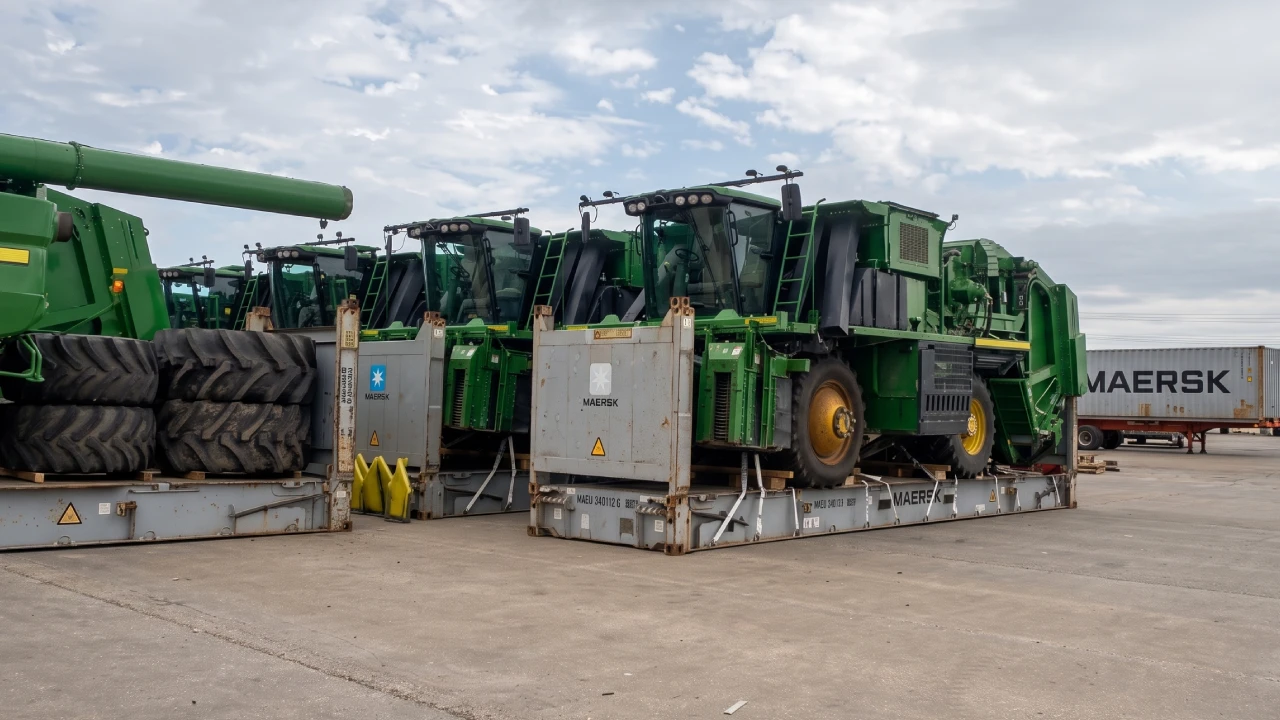
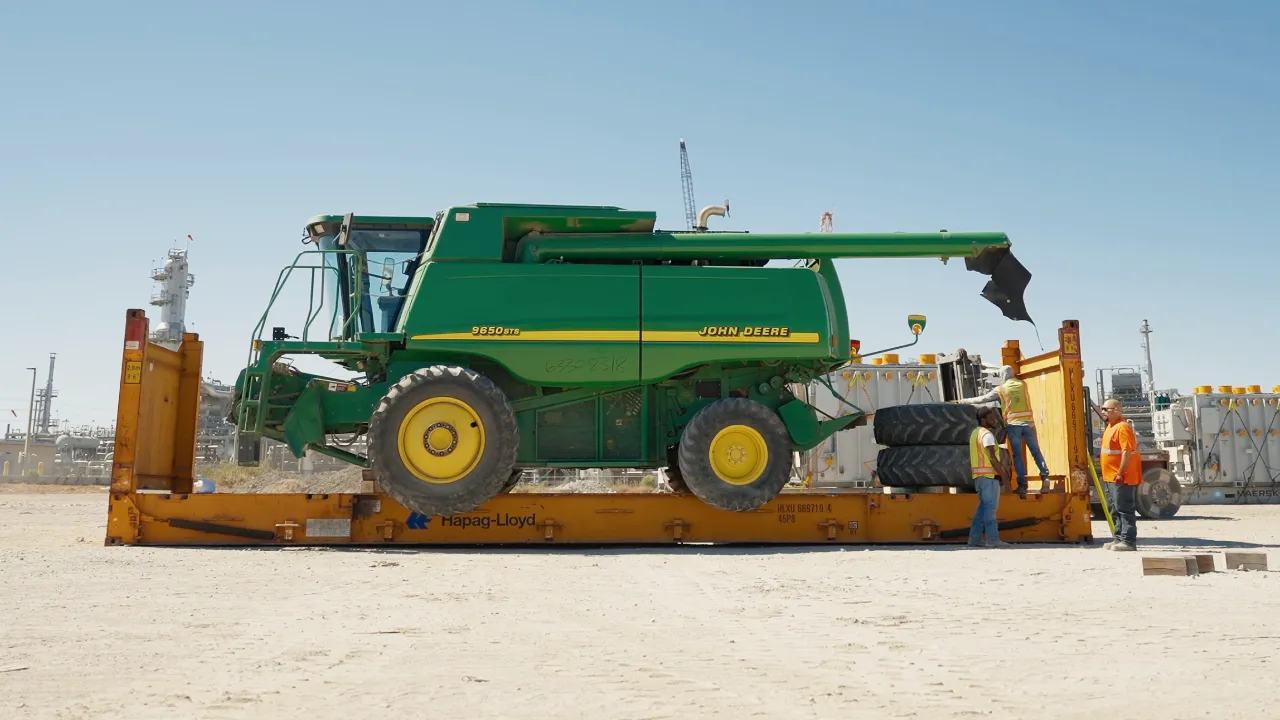
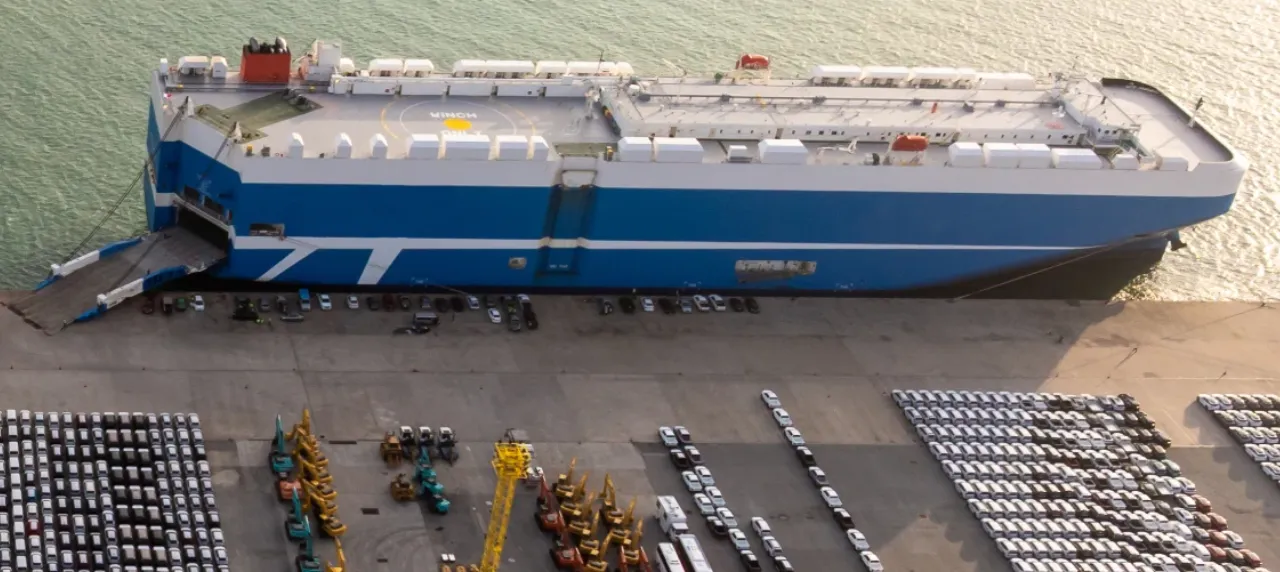
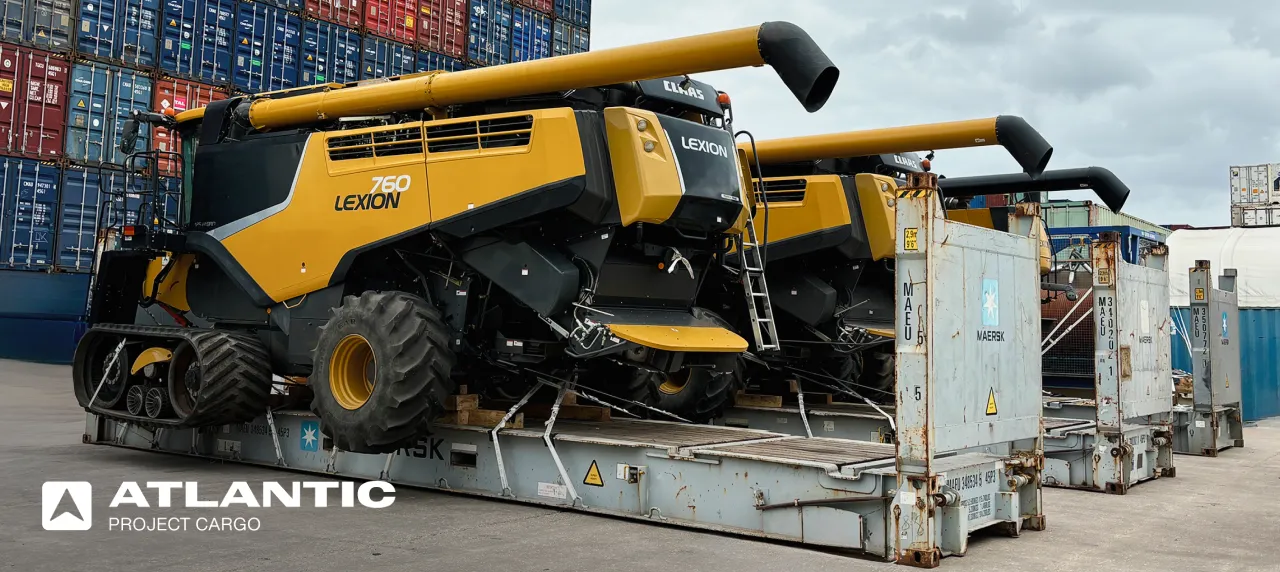
- Carrier and method flexibility: You decide whether the machine rolls onto a RoRo vessel, sits on a flat rack, or moves breakbulk.
- Real insurance: You buy all-risks Cargo Insurance at full commercial value instead of inheriting a named-perils policy sized to the invoice.
- Shipment visibility: Your forwarder answers to you. You get sailing updates, arrival notices, and someone who will chase the terminal when the machine does not move.
- Cleaner customs valuation: For US imports, an FOB price is already the correct basis for declaring value.
Advantages: Transparent pricing, better coverage, consolidation options, and full control of the destination leg.
Disadvantages: You need a competent forwarder in place before the equipment is ready, and you carry the coordination burden if the seller misses the vessel cut-off.
Which Incoterm Is Better for Heavy Equipment Shipping?
FOB is better for most heavy equipment because these machines are high-value, non-containerized, and dimensionally complex — the three conditions where control over the ocean leg matters most.
| Equipment Type | Recommended Incoterm |
|---|---|
| Tractor | FOB |
| Excavator | FOB |
| Bulldozer | FOB |
| Wheel loader | FOB |
| Crane | FOB |
| Mini equipment | CIF/FOB (common in practice) – CIP is technically correct if containerized |
There is no universal solution, and three factors decide it.
Machine value. A $300,000 crane insured under ICC (C) at 110% of invoice is not meaningfully protected against the losses that actually occur in port handling. The bigger the asset, the more FOB pays for itself on insurance alone.
Your logistics capability. FOB only delivers its advantages if you have a forwarder who can actually book out-of-gauge space. Without one, CIF is safer than FOB executed badly.
How the machine ships. CIF and FOB apply to sea and inland waterway transport only. They suit RoRo, flat rack, and breakbulk cargo, because the seller can physically deliver the machine to the vessel. For a mini excavator moving inside a container, the International Chamber of Commerce recommends FCA or CIP instead – a container sits in the terminal yard for days before loading, creating a gap in responsibility that FOB handles badly.
Examples
The scenarios below are illustrative examples to show how the factors above play out — not verified case studies or guaranteed cost outcomes.
- CAT 320 excavator, Savannah to Hamburg. The seller quotes CIF Hamburg as a single number. The buyer requests the machine price FOB Savannah instead, quotes the ocean leg through their own forwarder, and books RoRo. Outcome: the freight is visible and comparable, and the buyer insures at full market value rather than at 110% of a used-machine invoice.
- Mini excavator, Miami to Nassau. A 6,000-pound unit ships in a 20-foot container on a weekly lane. Outcome: Sellers commonly quote CIF here, and the cost difference is small – but strictly, CIP is the correct term for containerized cargo, since risk should transfer at the container yard, not on board the vessel.
- 80,000-pound wheel loader, Houston to Jebel Ali. Too wide for RoRo doors, so it needs a flat rack and a heavy lift. Outcome: FOB is the only sensible term. Under CIF, the seller chooses the method, and the wrong choice here means a missed sailing and weeks of port storage.
Key takeaway: Match the Incoterm to the shipping method, not to habit. Non-containerized machinery suits CIF and FOB; containerized machinery does not.
Need Help Choosing Between CIF and FOB?
Atlantic Project Cargo quotes both, so you can compare a supplier’s CIF price against a real FOB freight rate before you commit. We handle ocean freight, out-of-gauge booking, marine cargo insurance, and destination clearance for oversized machinery.
Get Your Free Quote Today!
Common Mistakes When Choosing Between CIF and FOB
Most Incoterm mistakes are not pricing errors. They are misunderstandings about where one party’s responsibility ends and the other’s begins.
- Assuming CIF covers destination costs. CIF ends at the destination port. Terminal handling, clearance, and the heavy-haul run from port to jobsite are yours — and on oversized machinery that inland leg is rarely cheap.
- Believing the seller carries risk under CIF. They do not. Risk passed when the machine was loaded on board at origin.
- Comparing equipment price instead of total landed cost. A CIF price and an FOB price are not comparable numbers. Add freight, insurance, duty, destination charges, and inland delivery to both before deciding.
- Ignoring the insurance coverage. ICC (C) excludes theft and handling damage. Ask for all-risks cover in writing, or buy your own.
- Overpaying duty on a CIF purchase into the US. US customs value is assessed on a transaction value that excludes international freight and insurance. Buy CIF, declare the full invoice, and you overpay. Your broker must deduct those charges. Most other countries – including the UK and EU – use a CIF basis instead, where freight and insurance are dutiable. Canada is closer to the US: CBSA excludes transportation and insurance costs incurred from the ‘place of direct shipment’ to Canada from value for duty. Your Customs Clearance partner should flag this before entry.
- Assuming FOB makes you the export filer. It does not. Under US Foreign Trade Regulations, Incoterms do not determine the type of export transaction or who files Electronic Export Information.
- Choosing an Incoterm before requesting freight quotes. You cannot know whether CIF is fair until you know what the freight actually costs.
Summary: Most unexpected shipping costs result from misunderstanding Incoterm responsibilities rather than from freight prices.
Note: Customs valuation rules, duty bases, and export filing obligations vary by country and change over time. The US, Canada, UK, and EU treatments cited above reflect current regulations as of publication; confirm the rules applicable to your shipment with a licensed customs broker in the relevant jurisdiction before entry.
Frequently Asked Questions
FOB is usually cheaper in total landed cost, because you negotiate freight directly instead of paying the seller’s embedded margin. CIF can win on small shipments or lanes where the seller holds volume rates you cannot match.
No. CIF covers cost, insurance, and freight to the destination port only. Import duties, taxes, terminal handling, customs clearance, and inland delivery are all the buyer’s responsibility.
No. Under FOB shipping, neither party is obligated to insure the cargo. The buyer carries risk from the moment the machine is loaded on board and should arrange all-risks marine cargo insurance before the vessel sails.
Risk transfers when the equipment is loaded on board the vessel at the port of origin. The seller keeps paying for freight and insurance past that point, but the cargo is at the buyer’s risk for the whole ocean voyage.
FOB is better for most heavy equipment shipping. High-value, oversized, non-containerized machinery benefits from buyer-controlled freight rates, buyer-selected shipping method, and all-risks insurance sized to the machine’s real value rather than the invoice.
Yes. We act as the buyer’s freight forwarder on FOB purchases, coordinating vessel booking, out-of-gauge space, cargo insurance, export documentation, and destination clearance. We can also quote against a supplier’s CIF price so you can compare the two like for like.
Shipping Heavy Equipment Internationally?
The Incoterm you agree to at the point of purchase determines your freight cost, your insurance quality, and your exposure for the entire voyage. Getting it wrong is expensive, and it is almost always discovered too late to fix.
Atlantic Project Cargo helps buyers compare CIF vs FOB on real numbers, book RoRo, flat rack, and breakbulk space for oversized machinery, and manage the destination leg from port to jobsite.
Get Your Free Quote Today!
Note: As with everything above, these answers are general defaults. Your actual obligations depend on your sales contract, the Incoterms edition cited in it, and the law of the applicable jurisdiction. Confirm the specifics with Atlantic Project Cargo or a licensed customs broker before you sign.
Read More
Nick Yadryshnikov
Victoria Moseicuka