


Hours of operations:
9AM - 5PM / UTC -5 (EST)

US Reciprocal Import Tariffs 2025: What You Need to Know

March 31, 2025
Shipping Quote
Customs Duties
Drayage Rate
Do you already own this equipment?

You Can Request a New Quote Every 15 Minutes

Please wait or contact us at [email protected]

Thank you for Choosing Us!

Looking to buy or sell heavy equipment?
With JumboBee, you can trade online with financing options and worldwide shipping.

Check Inventory
Calculate Import Duties
Get a free, no-obligation estimate of your import duties!
Calculate Import Duties
Get a Drayage Estimate
Get a free drayage estimate tailored to your exact needs!
Check a Drayage Rate
Home Insights US Reciprocal Import Tariffs 2025: What You Need to Know
Reviewed by
Maryana Serafinas CEO

Atlantic Project Cargo is informing you about the introduction of US reciprocal import tariffs. We are ready to help you evaluate the impact of these changes and explore cost-management strategies, such as tariff classification reviews, trade agreement utilization, and alternative sourcing or routing options. Our licensed customs broker may assist you with the US import regulations.

On April 2, 2025, President Trump unveiled a new tariff policy, highlighting a significant shift in the US trade strategy. The plan introduces a 10% baseline tariff on all imports, with higher rates for certain nations.

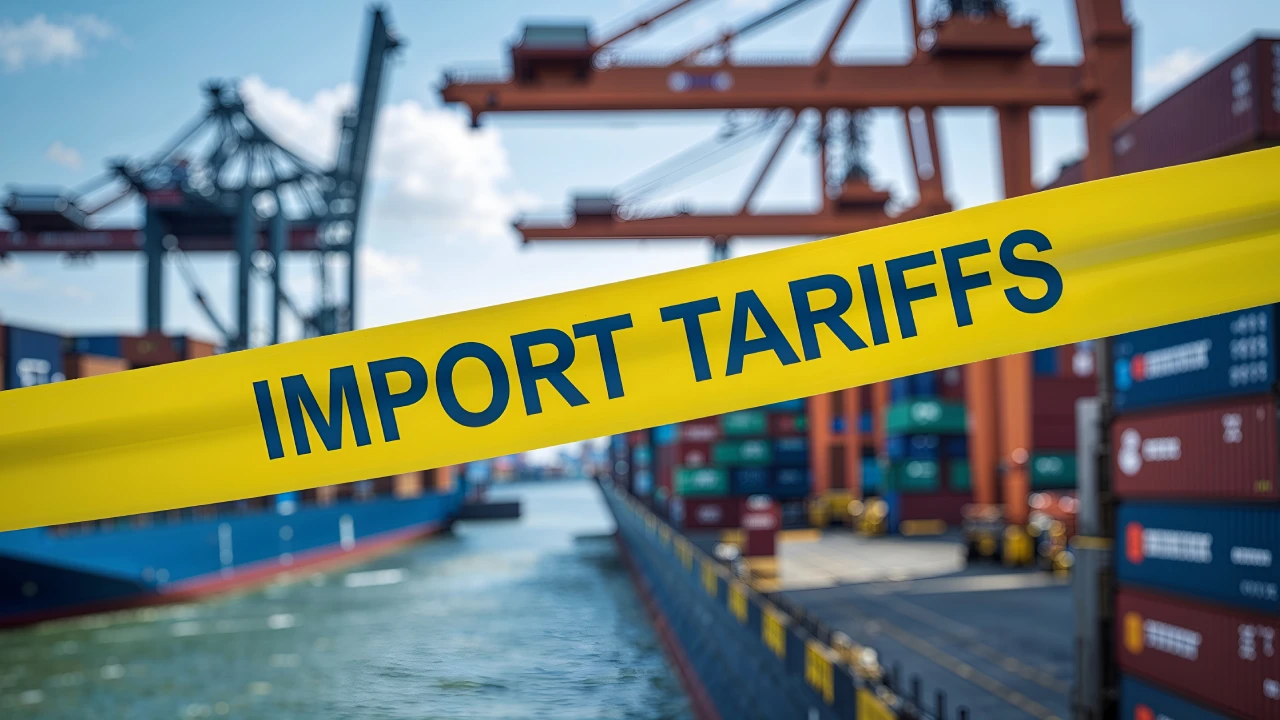
Magnifyer pointing at the inscription "import tariffs"

10% Baseline Tariff

A universal 10% tariff will take effect on April 5, applying to all imported goods. Several countries will only be subject to this baseline tariff, including:

  • United Kingdom
  • Singapore
  • Brazil
  • Australia
  • New Zealand
  • Turkey
  • Colombia
  • Argentina
  • United Arab Emirates
  • Saudi Arabia

Specific Reciprocal Tariffs

In addition to the baseline tariff, the White House has announced “specific reciprocal tariffs” targeting approximately 60 nations. These tariffs will take effect on April 9.


The affected countries are:

  1. Vietnam: 46%
  2. China: 34%
  3. Taiwan: 32%
  4. South Africa: 31%
  5. Pakistan: 30%
  6. India: 27%
  7. South Korea: 26%
  8. Japan: 24%
  9. European Union: 20%
  10. Israel: 17%

A complete list of countries is here.

Key Trading Partners

China

A new 34% tariff will be added to existing duties, including the 20% tariff imposed over fentanyl. This brings the base tariff rate on Chinese imports to 54%.
 

Canada & Mexico

Canada and Mexico are exempt from the 10% baseline tariff, as they were already targeted under Trump’s previous trade policies. The US government had set a 25% tariff on all goods imported from these countries.

25% Tariffs on Car Imports

Additionally, Trump’s 25% tariff on foreign-made automobiles took effect on April 2 at 12:01 a.m. ET.


Our team will continue to monitor the situation and share updates if more details emerge. For the latest tariff-related information, ask at [email protected]

2

Tariff News, April 2, 2025: Trump Unveils Sweeping Levies in Stark Shift in Trade Policy

Read More

July 19, 2026
Shipping Agricultural Equipment to Paraguay: Import Requirements & Compliance Guide
Paraguay tightened the rules on importing used agricultural machinery when it enacted Law No. 7565, and the change catches a lot of exporters off guard. A...
Reviewed by
Victoria Moseicuka
July 16, 2026
DDP vs DAP: Which Incoterm Is Better for International Equipment Shipping?
DDP and DAP both require sellers to arrange transportation to destination countries. The key difference is that under DDP, sellers are responsible for import duties,...
Reviewed by
Nick Yadryshnikov
July 13, 2026
NVOCC vs Freight Forwarder: Which One Should You Use for International Equipment Shipping?
Many equipment buyers, exporters, dealers, manufacturers, and project cargo owners encounter confusing terminology during the international shipping process. Navigating terms like ocean carrier, customs broker, and drayage provider can...
Reviewed by
Victoria Moseicuka
Share via