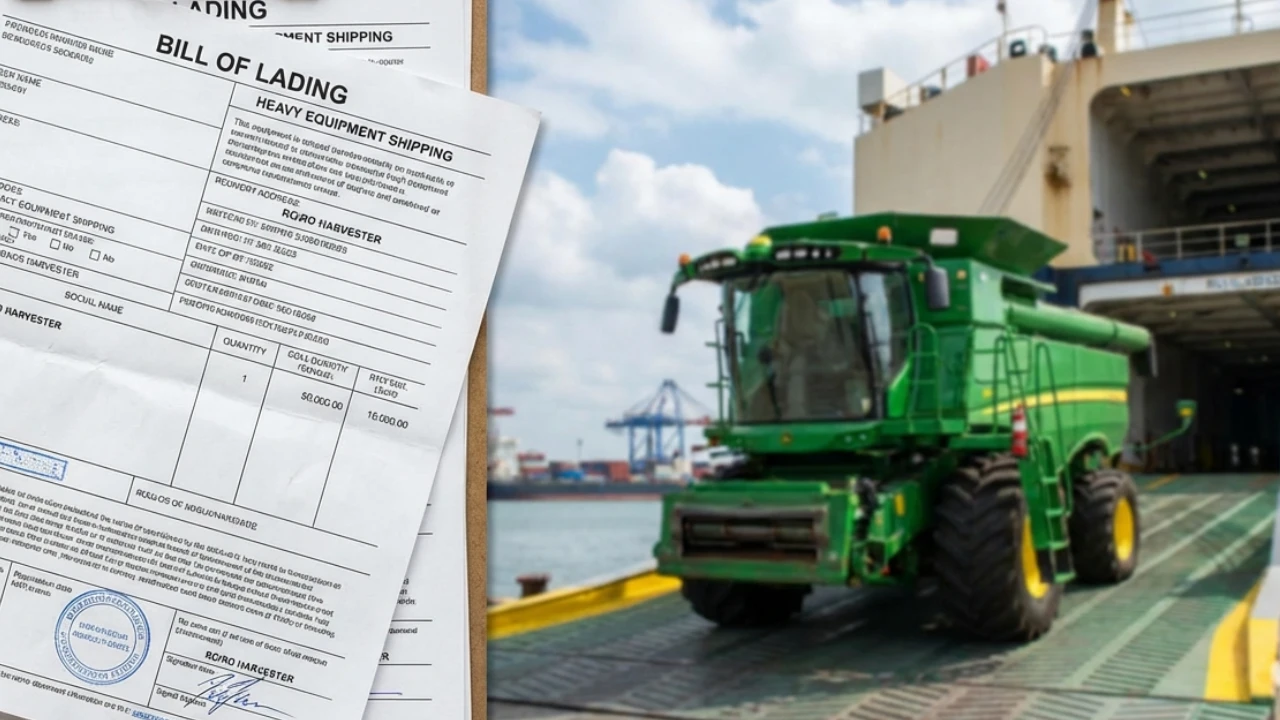
A Bill of Lading (BOL) is a document the carrier issues for cargo it has received for shipment. It is a receipt for the goods, evidence of the contract of carriage and, when negotiable, a document of title. The holder of a negotiable original can claim the cargo.
Also known as: B/L, BL.
How a Bill of Lading Works
The shipper sends the carrier or forwarder instructions with the parties, cargo description, weights and ports. The carrier issues a draft, the shipper checks it, and the final BOL is released after loading. A shipped on board BOL confirms the date the goods went on the vessel.
The BOL then travels with the commercial invoice and packing list through the payment chain. Under a letter of credit, the bank releases the originals to the buyer only after the payment terms are met. The buyer presents an original, or the carrier issues a release, to collect the cargo.
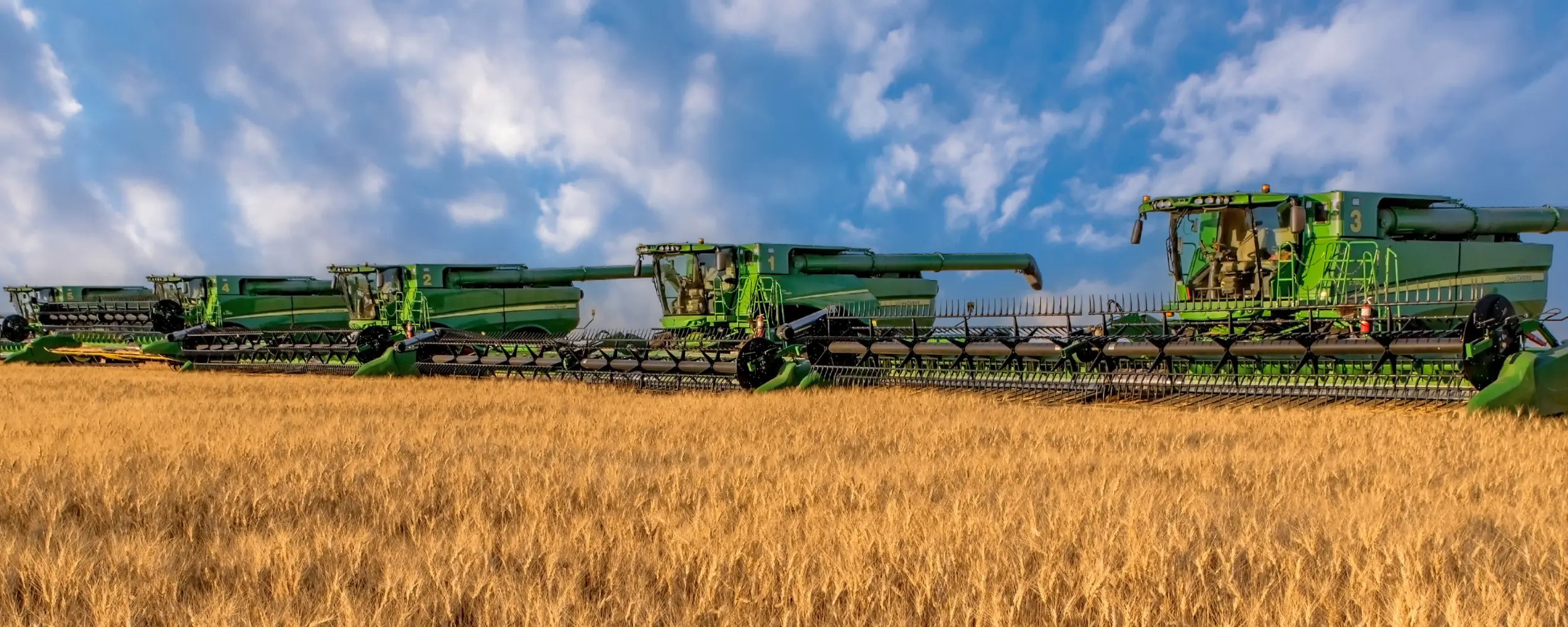
For example, a used combine shipped from Baltimore to Antwerp on a Flat Rack gets an ocean BOL from the carrier. A freight forwarder may also issue its own house BOL to the shipper for the same cargo.
Why a Bill of Lading Matters for Heavy Equipment Shipping
For machinery, the BOL description must match the invoice, the export filing and the serial numbers on the machine. A wrong serial number or weight can hold the cargo at destination customs. Missing originals can stop the release and add storage charges at the port.
Atlantic Project Cargo’s customs brokerage team checks the draft BOL against the other export documents before it is issued.
| Function | What it means |
|---|---|
| Receipt | Confirms the carrier received the cargo in the stated quantity and apparent condition. |
| Contract of carriage | Evidence of the terms under which the carrier moves the cargo. |
| Document of title | A negotiable original gives the holder the right to claim the cargo. |
| Issued by | The carrier, or a freight forwarder for its house BOL. |
| Release at destination | Against an original BOL, or without paper under a sea waybill or telex release. |
Bill of Lading vs Air Waybill
A BOL covers ocean shipments and, in its negotiable form, can transfer ownership of the cargo. An Air Waybill (AWB) covers air shipments and is never negotiable, so it is not a document of title.
Heavy machines almost always move by sea, so the BOL is their main transport document. An AWB appears mainly for spare parts or urgent components sent by air.
Common Mistakes
- Using a machine description or serial number that differs from the commercial invoice.
- Naming the wrong consignee when the cargo is paid under a letter of credit.
- Not checking the draft BOL before the carrier issues the final version.
- Losing an original BOL, which can delay the release and require a letter of indemnity.
- Declaring a weight that does not match the verified gross mass given to the carrier.
FAQ
Shipping a machine and need the documents checked? Get a quote and include the invoice details with your request.