
Key Takeaways
- DAP requires buyers to pay import duties, manage local taxes, and clear customs.
- DDP requires sellers to manage global freight, clear foreign customs, and pay all destination taxes.
- DAP minimizes financial risk for exporters by keeping foreign tax compliance in the hands of local buyers.
- DDP forces sellers to navigate unfamiliar foreign regulations, often requiring complex international tax registrations.
- Heavy equipment shipping overwhelmingly favors DAP because local buyers possess existing broker relationships and regulatory knowledge.
- Buyers prefer DAP to maintain control over VAT reclaims and avoid inflated seller risk markups.
- Clear communication regarding Incoterms prevents port delays, unexpected invoices, and blocked machinery deliveries.
DDP and DAP both require sellers to arrange transportation to destination countries. The key difference is that under DDP, sellers are responsible for import duties, taxes, and customs clearance, while under DAP, those responsibilities belong to buyers.
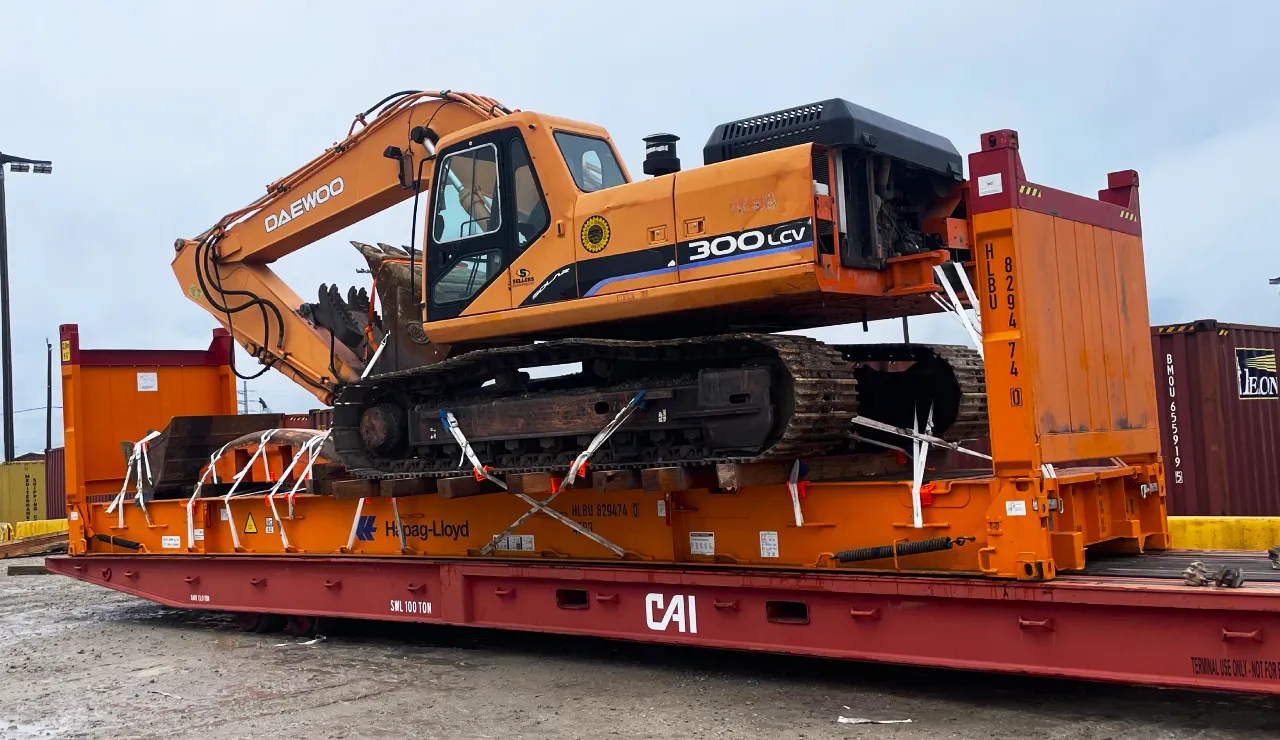
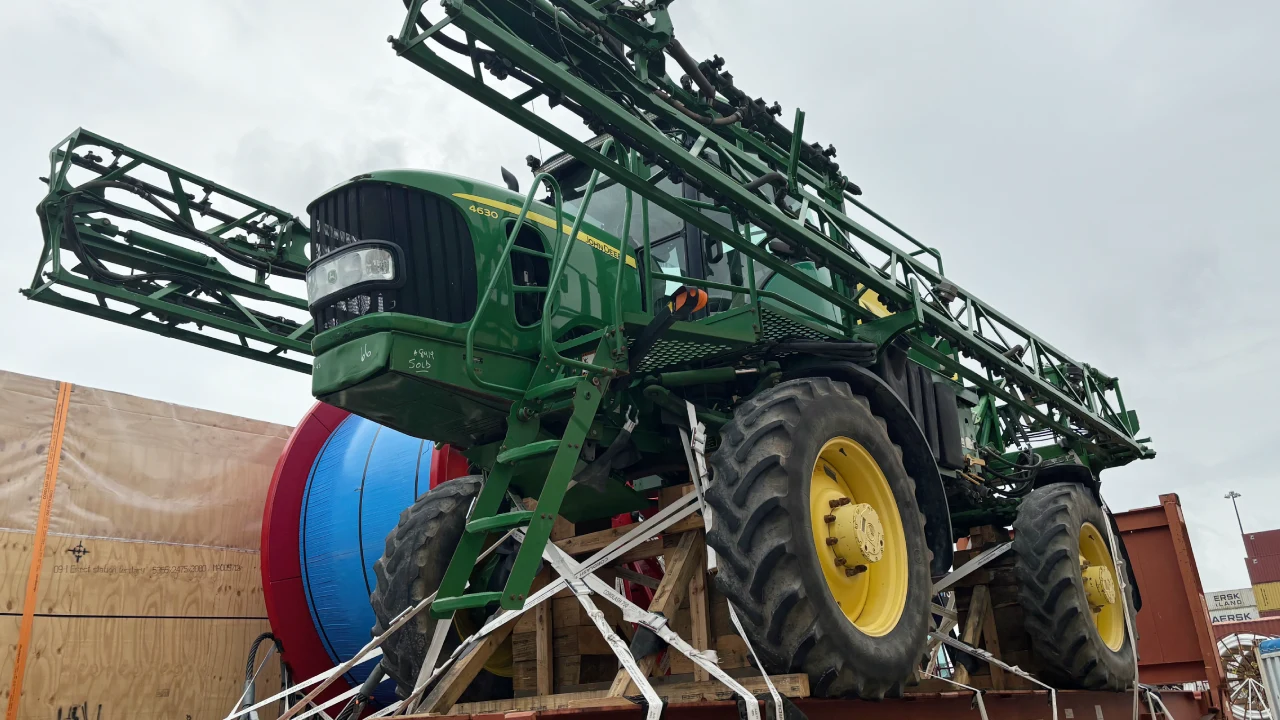
Choosing incorrect shipping terms can create unexpected costs, severe customs delays, and blocked equipment deliveries. Heavy machinery logistics involves massive capital investments. When exporting agricultural tractors, construction excavators, or oversized mining equipment, misunderstanding global trade rules destroys profit margins.
The International Chamber of Commerce updates the Incoterms rules almost every 10 years to reflect modern commercial practice, with the latest version entering into force on January 1, 2020. In 2026, with international customs authorities strictly enforcing environmental emission standards and import taxes, knowing exactly who pays for what under the International Chamber of Commerce Incoterms® 2020 is more critical than ever.
This article explains DDP vs DAP from the perspective of international equipment shipping. You will learn how responsibilities are divided, who assumes financial risk, and which framework works best for global heavy machinery transportation.
This article is general information about Incoterms 2020, not legal, customs, or tax advice. Duty rates, taxes, and import procedures vary by product classification, country, and date, and change frequently. Confirm specifics with a licensed customs broker or the destination country’s customs authority before contracting.
DDP vs DAP at a Glance
Comparing DDP vs DAP requires looking at cost breakdowns and operational obligations. Below is a detailed matrix showing how responsibilities shift between sellers and buyers during international equipment transport.
| Responsibility Area | DDP (Delivered Duty Paid) | DAP (Delivered at Place) |
|---|---|---|
| Origin Inland Freight | Seller | Seller |
| Export Clearance | Seller | Seller |
| Ocean Freight Costs | Seller | Seller |
| Import Clearance | Seller | Buyer |
| Import Duties | Seller | Buyer |
| Import Taxes (VAT/GST) | Seller | Buyer |
| Destination Inland Delivery | Seller | Seller |
| Risk Transfer Point | Delivery at destination | Delivery at destination |
| Customs Broker Control | Seller | Buyer |
| Best Use Cases | Small parcels, B2C eCommerce | Heavy equipment, B2B machinery |
Summary of differences reveals that DAP offers a balanced approach for heavy machinery. Sellers handle complex ocean freight logistics, while buyers manage local customs regulations where they hold domestic jurisdiction. DDP forces sellers to act as importers in foreign countries, which often requires complex tax registrations and exposes them to unpredictable government fees.
What Is DDP (Delivered Duty Paid)?
DDP meaning refers to an international shipping agreement where sellers assume all responsibilities, risks, and costs associated with transporting goods until buyers receive them at destination facilities.
Under DDP Incoterms, sellers must orchestrate every single step of the supply chain. This includes loading equipment at the origin factory, securing ocean freight, and paying all export fees. More importantly, sellers must clear foreign customs, pay all destination import duties, and cover local taxes like Value Added Tax or Goods and Services Tax.
Risk transfer point under DDP shipping occurs only when equipment arrives at the final designated location, ready for unloading. Until those machine tracks touch the destination soil, sellers bear 100% of financial liability.
DDP Responsibilities Summary
- Sellers pay origin trucking, ocean freight, and destination delivery.
- Sellers hire foreign customs brokers and pay import duties.
- Sellers cover local import taxes.
- Buyers simply receive equipment at their facility.
- Buyers assume risk only after equipment arrives ready for unloading.
What Is DAP (Delivered at Place)?
DAP meaning defines a trade agreement where sellers deliver goods to agreed locations, but buyers must handle import customs clearance, duties, and local taxes.
Using DAP Incoterms means sellers still manage the bulk of physical transportation. Sellers book ocean freight, handle export documentation, and arrange delivery to the named destination place. However, once machinery reaches the destination port or border, buyers must step in to clear customs. Buyers hire local customs brokers, pay applicable import duties, and settle local taxes before equipment can proceed to final delivery.
Risk transfer point for DAP shipping happens when goods are placed at the buyer’s disposal on the arriving means of transport, ready for unloading at the named destination.
DAP Responsibilities Summary
- Sellers pay origin trucking, ocean freight, and destination delivery.
- Buyers take over import customs clearance procedures.
- Buyers pay all import duties and national taxes.
- Sellers assume transit risk until reaching the destination place.
- Buyers control local regulatory compliance.
DDP vs DAP: Key Differences
Understanding key differences between these frameworks helps equipment buyers and sellers protect their financial interests. Decisions hinge on five critical operational areas.
Customs Clearance Management
DDP forces sellers to navigate foreign customs protocols. Sellers must hire overseas customs brokers and ensure machinery complies with local import laws. DAP places this burden on buyers, who naturally understand their home country regulations better.
Import Duties Financial Responsibility
DDP requires sellers to calculate and pay import duties out of pocket. Sellers must build these costs into their commercial invoices. DAP requires buyers to pay duties directly to their local government agencies.
Tax Compliance and Registration
DDP often requires sellers to register for tax identification numbers in foreign countries to pay VAT or GST. This creates massive accounting headaches. DAP leaves tax payments to buyers, who can often claim VAT refunds through their established domestic business entities.
Cost Visibility
DDP obscures actual shipping and tax costs because sellers bundle everything into one final equipment price. DAP provides complete transparency. Buyers pay sellers for equipment and freight, then pay exact government taxes directly to local authorities.
Operational Complexity
DDP shipping creates immense operational friction for heavy equipment exporters. Managing customs in unfamiliar jurisdictions leads to documentation errors. DAP streamlines operations by letting each party handle regulations in their respective home countries.
Illustrative Example: Exporting an Excavator from Texas to Argentina
The following is a simplified, illustrative scenario, not a record of an actual transaction. All figures are approximate and rounded for clarity. Real duty and tax amounts depend on the equipment’s NCM/HS classification, the valuation method, the shipment date, and additional Argentine charges not modeled here.
A simplified scenario best illustrates how Incoterms impact global logistics. Consider a 30-ton construction excavator moving from Houston, Texas, to Buenos Aires, Argentina. The figures below are approximate and for illustration only.
Step 1: Equipment Purchase
An Argentinian construction firm buys a used excavator from a Texas dealer for approximately $150,000.
Step 2: Inland Transportation
Heavy-haul trucking from Dallas to the Port of Galveston costs roughly $3,500.
Step 3: Export Clearance
U.S. CBP requires EEI filing and, for used self-propelled equipment, title documentation. Allow roughly $200.
Step 4: Ocean Freight
RoRo shipping from Galveston to Buenos Aires runs around $14,000.
Step 5: Import Charges
Argentinian customs assess import duty on the CIF value (~$168,000), then VAT on the CIF value plus duty. A used excavator is a capital good, so the Mercosur CET rate depends on its NCM classification; this example assumes a ~14% duty and the 21% standard VAT. Other Argentine charges (statistical fee, income-tax and gross-income perceptions) would also apply in practice but are omitted here for simplicity.
Step 6: Final Delivery
Drayage from the Buenos Aires port to the construction site costs about $2,000.
DDP Scenario
Who pays?
The seller pays everything. The Texas dealer covers the ~$150,000 equipment, ~$3,500 inland, ~$200 export, ~$14,000 ocean freight, and ~$2,000 destination delivery. The dealer also pays Argentina’s import duty (~14% ≈ $23,500) and VAT (21% on CIF + duty ≈ $40,000). Approximate total landed cost before profit markup: ~$233,000.
Who handles customs?
The Texas dealer must find and hire an Argentinian customs broker and arrange to act as importer of record – typically through complex third-party importer-of-record services or local registration.
Who assumes risk?
The Texas dealer carries the risk until the excavator reaches the Buenos Aires site. If customs reject the equipment’s emissions or homologation documentation, it sits at the port accruing demurrage, billed to the U.S. seller.
DAP Scenario
Who pays?
The Texas dealer pays ~$3,500 inland, ~$200 export, ~$14,000 ocean freight, and ~$2,000 destination delivery. The Argentinian buyer pays the ~$23,500 duty and ~$40,000 VAT directly to their government.
Who handles customs?
The Argentinian buyer uses their existing local customs broker and handles Mercosur compliance locally. Because the named place here is the inland site, the buyer must complete import clearance before the seller’s final drayage can proceed, so the contract should fix the exact DAP point and spell out that hand-off.
Who assumes risk?
The Texas dealer assumes physical transport risk to the destination, but customs-clearance risk shifts to the Argentinian buyer.
This example illustrates why DAP is often preferred for international heavy machinery sales, though DDP still suits buyers wanting fully turnkey delivery or sellers with an established legal presence in the destination country.
Why DDP Can Be Risky for Equipment Exporters
Selling heavy machinery under DDP, meaning sounds like great customer service, but it creates terrifying liabilities for exporters. International trade regulations change constantly, and local knowledge is mandatory.
Foreign Customs Regulations
Every country categorizes heavy equipment differently. Customs officials might classify an articulated dump truck as an off-road vehicle or a standard commercial truck, drastically changing duty rates. Exporters cannot reliably predict these local interpretations.
Import Duty Uncertainty
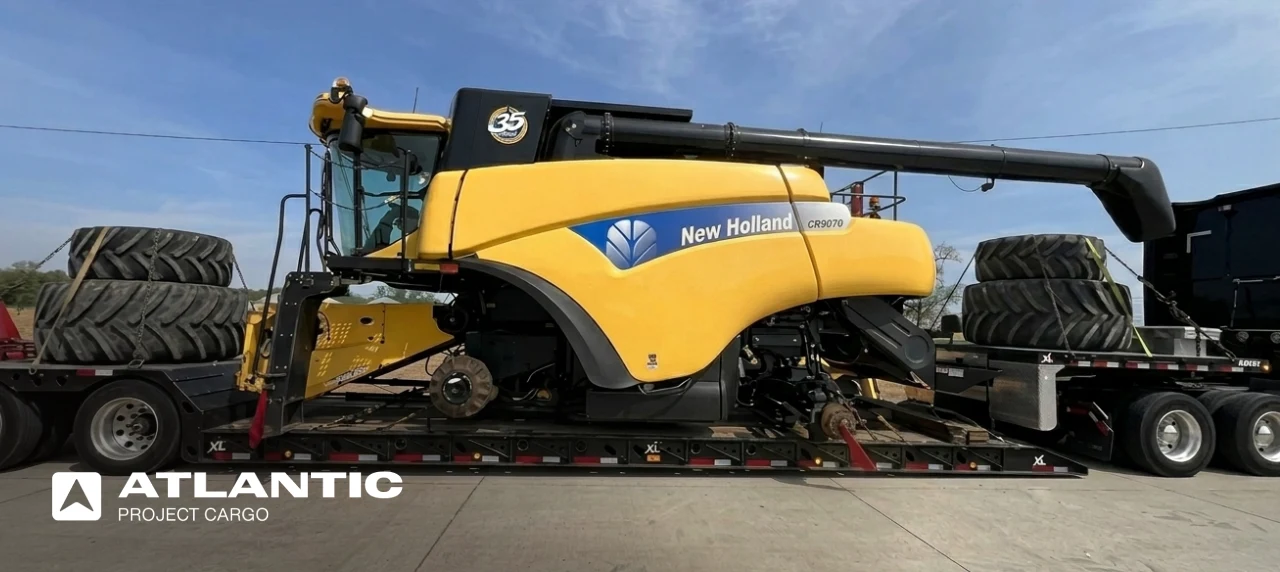
Governments frequently update tariff schedules. If a destination country implements retaliatory tariffs on US agricultural machinery while a combine is mid-ocean, DDP sellers must absorb that massive unexpected cost. Profit margins vanish instantly.
Tax Registration Requirements
Paying Value Added Tax in foreign countries often requires local corporate registration. US exporters cannot simply wire money to European or South American tax authorities. Setting up foreign tax entities takes months and requires specialized international accountants.
Local Customs Broker Dependency
DDP shipping forces sellers to blindly trust foreign customs brokers. If that broker makes a classification error, the seller faces legal penalties in a country where they have no physical presence.
Unexpected Import Charges
Ports frequently issue random inspection fees, X-ray charges, or quarantine cleaning fees for agricultural equipment. Under DDP, sellers pay every single surprise invoice.
Why Many Equipment Buyers Prefer DAP
Sophisticated heavy equipment importers rarely request DDP. They understand that taking control of the import process protects their business interests and bottom line. By partnering with international networks like FIATA (the International Federation of Freight Forwarders Associations), buyers easily connect with domestic forwarders who can clear their goods seamlessly.
Better Control of Import Process
Buyers know exactly what documents their local government requires. They can secure necessary agricultural import permits or environmental certifications long before the vessel arrives.
Existing Customs Broker Relationships
Construction and mining companies import equipment regularly. They have trusted local customs brokers who understand their specific business needs and expedite clearance efficiently.
Local Tax Expertise
Buyers can often reclaim VAT or GST paid on imported capital equipment. When sellers pay these taxes under DDP, buyers lose the ability to claim those tax credits, effectively making the machinery much more expensive.
Lower Seller Markups
Sellers hate risk. If forced to quote DDP, sellers often inflate the final price by roughly 10% to 20%, just to cover potential customs surprises. Buyers using DAP avoid these inflated risk markups completely.
Greater Visibility Into Import Costs
DAP shipping allows buyers to see exact freight costs versus exact government taxes. This transparency helps financial departments accurately calculate machinery depreciation and capital expenditure budgets.
Which Incoterm Is Better for Heavy Equipment Shipping?
Different machinery types present unique logistical challenges. Evaluating DDP vs DAP across specific equipment categories helps clarify decision-making.
Tractors and Combines
Agricultural machinery often faces strict USDA or foreign equivalent phytosanitary inspections. Used tractors must undergo intense washing to prevent soil contamination. DAP is highly recommended because local buyers can better coordinate with domestic agricultural ministries for inspection approvals.
Excavators and Bulldozers
Construction equipment falls under complex environmental emission standards, and many countries require engine emission-tier documentation at import. DAP ensures local buyers handle local environmental compliance, reducing border friction.
Emission and homologation requirements differ by country and are periodically updated; verify the current rules for your destination.
Cranes and Oversized Cargo
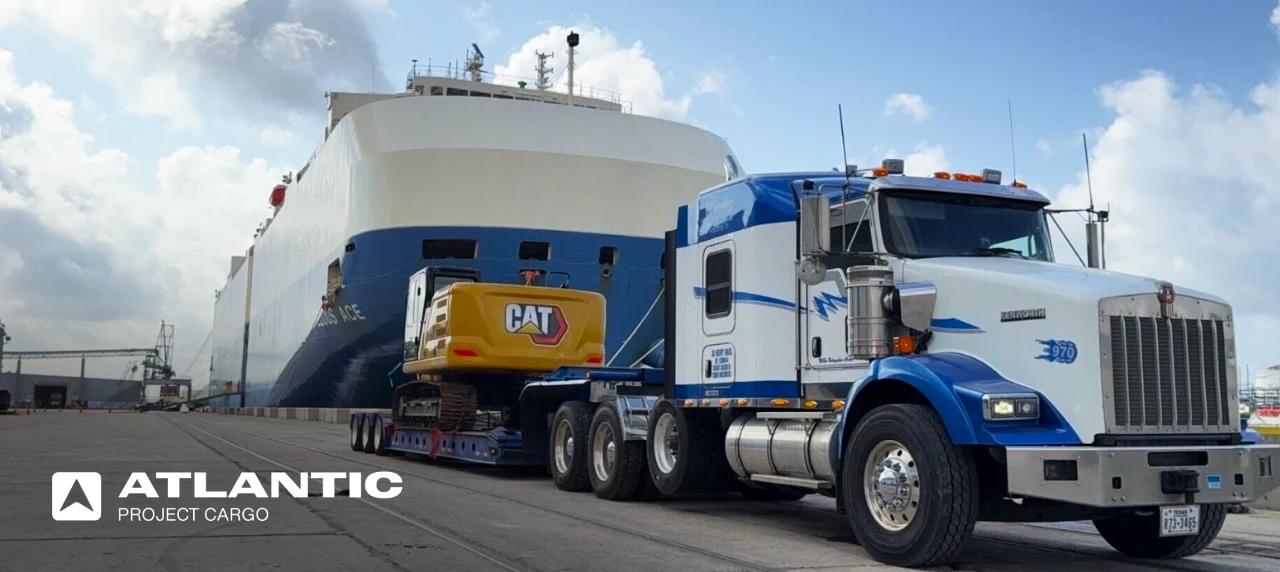
Shipping Out of Gauge cargo via Breakbulk vessels requires precise destination port coordination. Cranes need specialized rigging for discharge. DAP allows buyers to supervise local port operations and manage final mile heavy haul trucking with domestic carriers they trust.
Mining Equipment
Mining machinery is frequently transported to remote, inland locations. Customs clearance often happens at specialized inland ports. DAP is essential here, as local mining corporations possess the necessary government permits to move oversized loads through domestic infrastructure.
Industrial Machinery
Factory equipment often requires multiple shipping containers. Consolidating customs entries for multi-container shipments is complex. DAP allows local factory owners to manage their own import timelines and duty disbursements efficiently.
Common Mistakes When Using DDP or DAP
Even experienced logistics managers make critical errors when drafting international sales contracts. Avoiding these pitfalls saves thousands of dollars in demurrage and penalties. For additional clarification on correctly filing paperwork, exporters should review the U.S. Commercial Service export documentation resources.
Assuming Duties Are Included
Buyers often agree to DAP terms assuming the seller will cover customs duties. When the machinery arrives, buyers are shocked by massive tax bills from their local government. Clear communication regarding DAP meaning is mandatory before signing contracts.
Incorrect Customs Responsibilities
Sellers attempting DDP often fail to secure foreign Importer of Record status. Machinery arrives at destination ports and cannot be cleared because the seller has no legal standing in that country. Cargo sits abandoned.
Lack of Local Representation
Using DDP without establishing strong relationships with local destination brokers guarantees delays. Sellers must vet foreign brokers thoroughly if they insist on paying destination duties.
Underestimating Import Taxes
Sellers quoting DDP frequently calculate import duties but forget to include VAT. In many European countries, VAT typically adds around 20% to 25% to the total equipment value. Forgetting this calculation completely erases seller profits.
Documentation Errors
Commercial invoices must clearly state the chosen Incoterm. Writing “Delivery to Port” is legally meaningless. Contracts must explicitly state “DAP Port of Brisbane, Incoterms 2020” to ensure legal protection.
Frequently Asked Questions
Under DDP, sellers handle transportation, import customs clearance, and pay all duties and taxes. Under DAP, sellers handle transportation, but buyers must clear customs and pay all local import duties and taxes.
Sellers pay all import customs duties under DDP agreements. Sellers must also pay any applicable local taxes, such as VAT or GST, directly to the destination country government.
Buyers pay all import customs duties under DAP agreements. Once goods arrive at the designated destination, buyers must hire customs brokers and settle all financial obligations with local tax authorities.
Yes, DDP generally costs buyers more overall. Sellers take on massive financial risk by guaranteeing foreign customs clearance, so they typically add large markup percentages to the final invoice to protect themselves against unexpected port fees.
DAP is significantly better for heavy equipment shipping. It allows sellers to manage complex ocean freight logistics while empowering local buyers to handle domestic customs, environmental compliance, and heavy machinery import permits.
While physically possible, using DDP for oversized Breakbulk or RoRo cargo is highly discouraged. Oversized cargo requires specialized port handling and complex local road permits. Sellers lack the local jurisdiction to manage these destination-specific requirements effectively.
No, sellers must choose and hire customs brokers under DDP because sellers are legally responsible for clearing goods and paying duties. Buyers have no control over the import clearance process under this framework.
DAP gives buyers much more control over the import process. Buyers select their preferred customs brokers, manage their own duty payments, and maintain complete visibility into actual government tax costs.
Need Help Shipping Equipment Internationally?
Navigating international trade terms requires precision, experience, and global infrastructure. Whether you are exporting agricultural equipment to South America, importing construction equipment from Europe, or moving industrial machinery across continents, Atlantic Project Cargo provides comprehensive logistics solutions.
We specialize in RoRo, Breakbulk, and oversized container shipping. Our expert customs brokerage team ensures your heavy machinery complies with all EPA, DOT, and USDA regulations. Stop worrying about complex Incoterms and let our specialists build a customized door-to-door supply chain solution for your exact needs.
Request a Shipping Quote today or speak directly with an international heavy equipment shipping specialist.
Call Us: (305) 224 1975
Email: [email protected]
Hours: 9AM – 5PM / UTC -5 (EST)
Get Your Free Quote Today!
Read More
Victoria Moseicuka
Nick Yadryshnikov
Victoria Moseicuka