
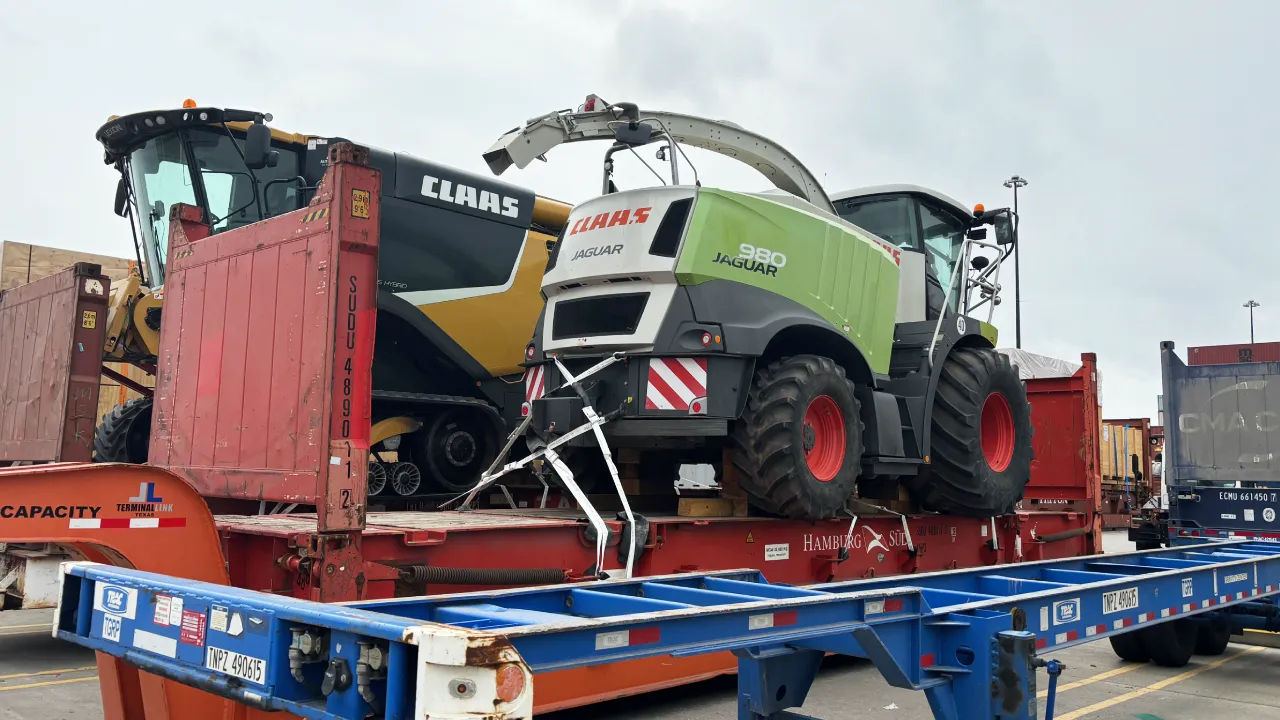
Shipping heavy equipment across oceans requires strict adherence to international safety regulations. As of 2026, global port authorities have implemented highly automated weighbridge systems, making weight compliance more strictly enforced than ever before. For businesses exporting tractors, excavators, or industrial machinery, understanding weight regulations is no longer just a paperwork formality. It is a critical operational requirement.
This guide explains SOLAS VGM requirements tailored for heavy equipment and project cargo. We will cover how to calculate weight accurately, identify responsible parties, avoid common costly mistakes, and ensure your cargo boards the vessel without delays.
What is VGM in Shipping?
Many first-time exporters and even seasoned logistics managers often ask, “What is VGM in shipping, and why does it matter so much?” Verified Gross Mass represents the total, accurate weight of a packed shipping container.
International Maritime Organization introduced this rule to prevent maritime accidents caused by overloaded or unevenly distributed containers. This rule has been in force globally since July 1, 2016, and applies to every packed container moved by ocean freight without exception.
Before this regulation, shippers frequently estimated cargo weights. These inaccurate estimates led to collapsed container stacks, damaged vessels, and severe safety hazards for dockworkers and ship crews.
To solve this, the Safety of Life at Sea Convention established a strict, non-negotiable rule. Ocean carriers and terminal operators are legally prohibited from loading a packed container onto a ship unless they have its Verified Gross Mass on file.
Understanding what is VGM helps shippers realize that this is not merely a bureaucratic hurdle. It is a fundamental safety mechanism protecting your valuable heavy machinery, the vessel, and human lives at sea.
What Does VGM Shipping Term Include?
When shipping oversized machinery, calculating weight involves far more than looking at the manufacturer specification sheet for your equipment. You must account for every single item inside and including the container.
People often wonder what the VGM shipping term actually covers. It represents the absolute total weight of the fully loaded shipping unit.
| Component | Description | Example for Heavy Cargo |
|---|---|---|
| Cargo Weight | Actual mass of the machinery | Excavator main body and detached bucket |
| Packaging | Materials used to wrap or box parts | Wooden crates holding dismantled tracks |
| Securing Gear | Items keeping cargo stable | Heavy-duty lashing chains, steel wire, dunnage |
| Container Tare | Empty weight of the container | 4,800–5,200 kg for a standard 40-foot flat rack |
Every VGM package must include all these elements. If you ship a dismantled bulldozer, your VGM package consists of the bulldozer chassis, the wooden crates holding the engine components, the heavy steel chains securing the load to the flat rack, and the flat rack itself. Leaving out the weight of securing chains is a frequent oversight that leads to compliance failures.
Why VGM is Critical for Heavy Equipment Shipping
Heavy equipment presents unique challenges compared to standard retail goods. Standard consumer goods might be off by a few kilograms without causing catastrophic failure. However, heavy machinery involves massive, concentrated loads.
Higher weight equals higher safety risk. If a 40-ton crane is declared as 30 tons, the port terminal might use inadequate lifting equipment, risking a dropped load. Furthermore, incorrect weight declarations can lead to cargo shifting during turbulent ocean transit.
Port and carrier restrictions are exceptionally rigid in 2026. Automated terminal gates now weigh trucks dynamically as they enter the port. If the scale reading differs significantly from your submitted document, automated systems instantly flag the container.
Consequences of non-compliance include:
- Shipment delays missing the scheduled vessel
- Container rejection at the port gate
- Additional costs for emergency port weighing and storage
- Insurance issues if an accident occurs due to misdeclared weight
Case Study: The Cost of Estimated Weights
Consider the following illustrative scenario based on common shipper errors. A mid-sized agricultural supplier attempted to export a used combine harvester from Texas to Germany. Instead of calculating the exact VGM shipping metrics, the shipper relied on the original manufacturer brochure weight of 14,000 kg.
They failed to account for the heavy timber dunnage, the thick steel lashing chains used to secure the harvester, and the heavy mud caked onto the undercarriage. They also forgot to add the container tare weight.
When the truck arrived at the Port of Houston, the automated weighbridge flagged a 4,500 kg discrepancy. The terminal immediately rejected the container. The shipper had to hire a local port service to officially weigh the loaded container, pay three days of unexpected demurrage fees, and re-book the cargo on a later vessel. This simple documentation error cost the supplier over $4,200 and delayed delivery by two weeks.
Who is Responsible for VGM Declaration?
Legal responsibility for submitting an accurate weight declaration falls entirely on the shipper. In maritime law, the shipper is the legal entity or person named on the ocean Bill of Lading or sea waybill.
Even if you hire a packing company to load your machinery, or a trucking company to deliver it to the port, you remain legally liable for the final weight declaration.
Freight forwarders and Non-Vessel Operating Common Carriers like Atlantic Project Cargo can assist you immensely. Logistics providers support compliance by coordinating certified weighing services, managing the documentation, and transmitting the data to the ocean carrier. However, they rely on the accuracy of the information or the physical weighing services you authorize.
Get Your Free Quote Today!
How to Calculate VGM for Heavy Equipment
Accurate calculation is the most critical step in your export process. SOLAS regulations permit exactly two methods for determining this weight.
Method 1 – Weighing Loaded Container
Method 1 is the most straightforward and dispute-proof approach. After the machinery is completely loaded and secured, the entire container is weighed using calibrated and certified equipment, such as a weighbridge.
How it works
Truck driver takes the fully loaded container chassis over a certified scale. The weight of the truck cabin and empty chassis is subtracted, leaving the exact weight of the loaded container.
When it is used
This method is highly recommended for complex heavy machinery shipments. Because project cargo requires extensive custom lashing, heavy timber dunnage, and sometimes welded supports, calculating the exact weight of these securing materials manually is very difficult.
Accuracy advantages
Method 1 eliminates guesswork. It accounts for hidden weight additions like fuel left in the machinery tanks, accumulated dirt, and heavy weather-proofing tarps.
Method 2 – Calculating Total Weight
Method 2 allows the shipper to weigh all individual components – cargo, packaging, dunnage, and securing materials – separately using certified, calibrated scales, then add those weights together with the container tare weight to produce the VGM.
Calculation breakdown:
- Equipment weight: 22,500 kg
- Packaging materials: 400 kg
- Lashing and securing equipment: 250 kg
- Container tare weight: 4,900 kg
- Total Verified Gross Mass: 28,050 kg
Method 2 can be extremely risky for heavy cargo. Manufacturers often list standard weights, but heavy equipment is frequently modified. Aftermarket counterweights, heavy-duty buckets, or reinforced tracks add thousands of kilograms. If you rely on a manual from ten years ago and ignore the custom attachments, your final calculation will fail port inspections.
VGM for Different Types of Equipment
Different industries face unique challenges when determining accurate shipping weights. Configuration variability means no two shipments are exactly alike.
Agricultural Equipment
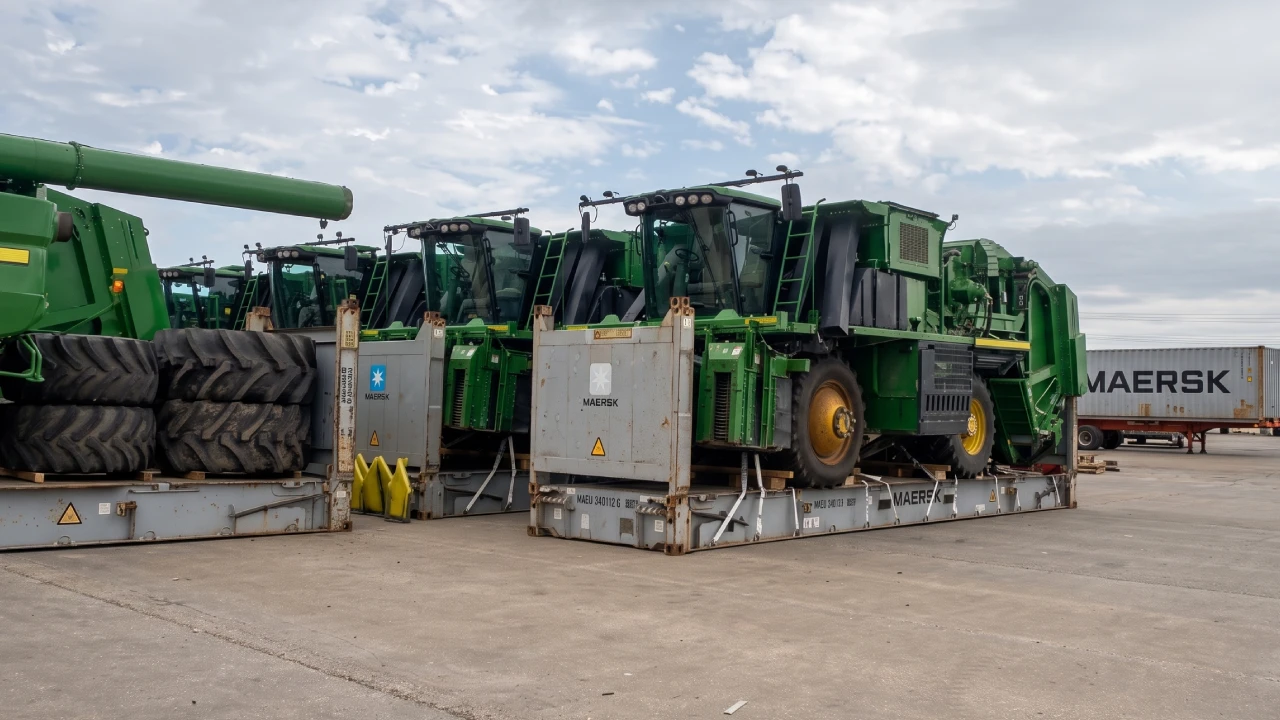
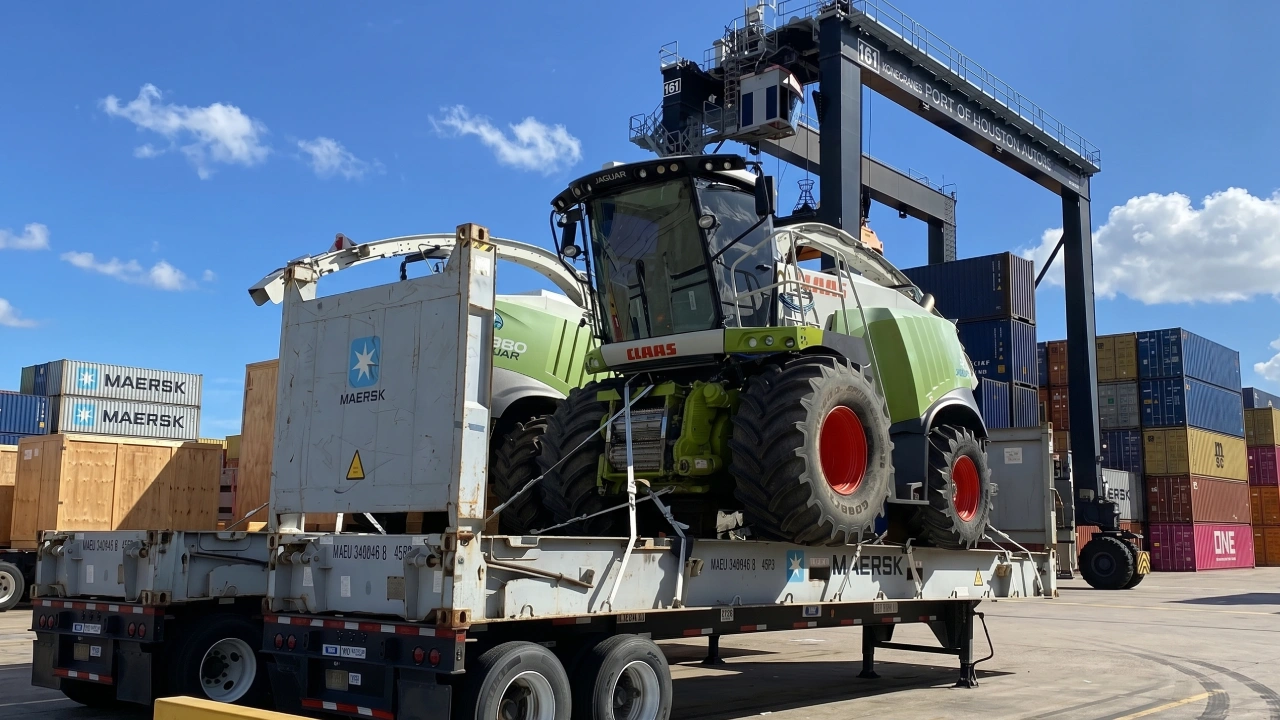
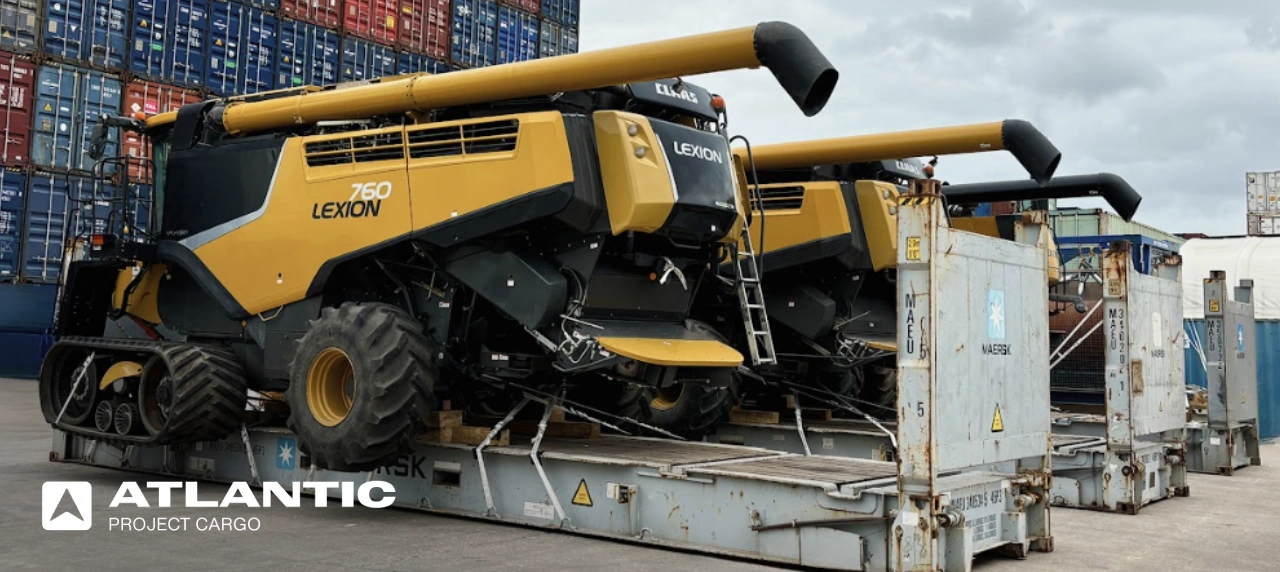
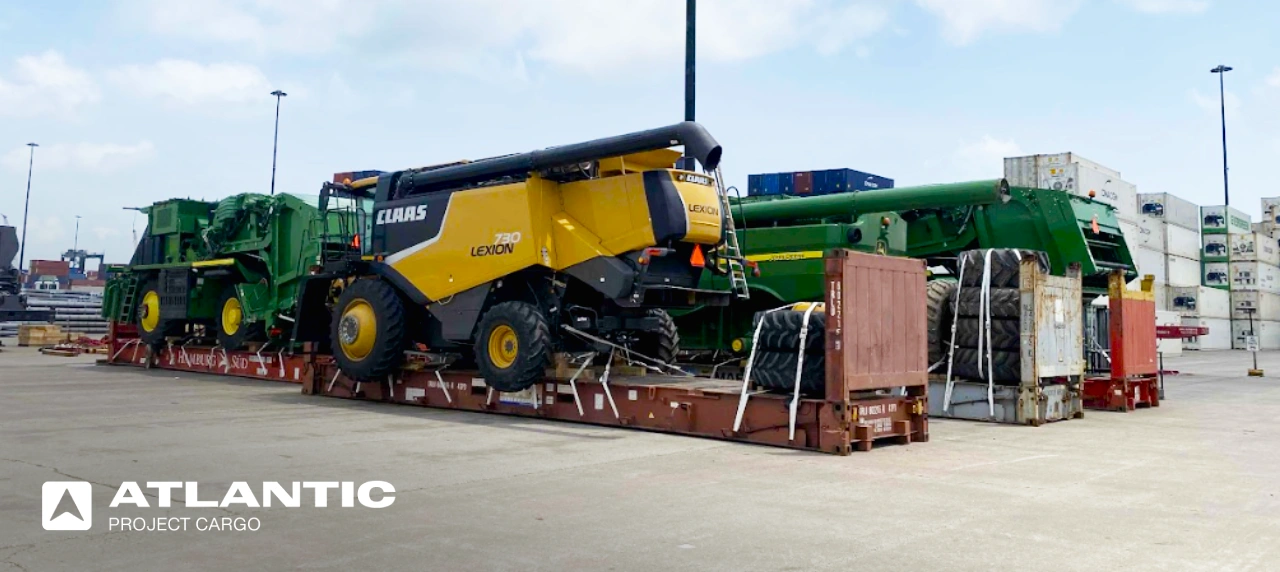
Tractors, harvesters, and balers often require partial dismantling to fit inside standard ocean containers. When organizing Agricultural Equipment Shipping, shippers must account for detached wheels, headers, and counterweights. These dismantled parts are usually packed into heavy wooden crates. The weight of these custom crates must be factored into your final calculation.
Construction Equipment
Excavators, wheel loaders, and bulldozers are dense and incredibly heavy. For Construction Equipment Shipping, calculating weight accurately is vital because these machines often push the absolute maximum payload limits of standard containers. If an excavator is shipped with a heavy-duty rock bucket instead of a standard grading bucket, the weight difference can easily exceed 1,000 kg.
Industrial Machinery
Factory components, generators, and transformers require highly specialized lashing. When handling Industrial Equipment Shipping, the securing materials alone can weigh over a ton. Heavy timber blocks, custom-welded steel brackets, and thick wire ropes are necessary to keep a 30-ton generator from shifting. Shippers using Method 2 frequently underestimate the massive weight of these industrial securing materials.
Common VGM Mistakes Shippers Make
Even experienced exporters make errors that trigger port rejections. Avoiding these pitfalls will save your business thousands of dollars in unexpected fees.
- Using estimated instead of actual weight: Relying on generic brochures instead of putting the machine on a scale.
- Ignoring lashing and securing materials: Forgetting that chains, turnbuckles, and timber blocks add significant mass.
- Forgetting container tare weight: Submitting only the weight of the machinery and completely ignoring the heavy steel box holding it.
- Rounding numbers: Guessing weights to the nearest thousand kilograms instead of providing precise scale data.
- Not updating documents after changes: Adding last-minute spare parts to the container but failing to revise the submitted paperwork.
These mistakes immediately lead to delays. Automated port systems instantly detect discrepancies. Once flagged, your container is pulled aside, incurring daily storage fees until the paperwork is corrected and a certified scale confirms the new weight.
What Happens if VGM is Incorrect or Missing
The maritime industry operates on a strict no VGM, no load policy. If you fail to submit the correct data before the port cutoff deadline, the consequences are immediate and severe.
First, the terminal will refuse to load your container onto the vessel. The ship will sail without your cargo, disrupting your entire supply chain and angering your international buyers.
Second, you will face mandatory re-weighing costs. The port will force you to use their certified scales, often charging premium rates for emergency services.
Third, you will accumulate storage and demurrage fees. Ports are not free parking lots. Every day your container sits at the terminal waiting for corrected documentation, you pay daily penalties that can quickly exceed the cost of the ocean freight itself.
Finally, incorrect weight declarations compromise Cargo Insurance policies. If an overloaded container damages terminal equipment or causes a shipboard accident, insurance investigators will check the submitted weight. If they find you misdeclared the mass, your claim will likely be denied, leaving you fully liable for millions in damages.
How APC Ensures Accurate VGM for Heavy Cargo
Navigating these strict maritime regulations requires an experienced partner. Atlantic Project Cargo coordinates directly with terminals and ocean carriers to ensure your heavy machinery complies with all international safety laws.
We manage certified weighing processes on your behalf. Through our network of over 1,000 global partners and local drayage providers, we route your loaded containers over calibrated weighbridges before they ever reach the port gates. This proactive approach eliminates gate rejections.
Our team manages documentation with precision, ensuring every piece of data is transmitted via secure Electronic Data Interchange formats well before carrier deadlines. We ensure full compliance with SOLAS requirements, positioning ourselves as a dedicated problem-solver for your most complex oversized logistics challenges. With over 100,000 completed projects, we know exactly how to manage the heavy timber, thick chains, and massive machinery that make up your cargo.
Get Your Free Quote Today!
VGM Documentation and Submission Process
Submitting weight data is a time-sensitive process. Ocean carriers enforce strict cut-off deadlines, typically a minimum of 24 to 48 hours before the physical cargo cut-off time, though individual carriers and ports may require earlier submission — always confirm the specific deadline with your carrier.
Shippers must submit the data through approved channels. Most modern submissions happen via Electronic Data Interchange directly to the carrier system. You can also submit it through digital shipping instructions or specialized port community portals.
Required formats must include the exact verified gross mass, the unit of measurement (kg or lb), the date of weighing, the container number, the method used (Method 1 or Method 2), and the full name, company name, and legally binding signature of the person authorized by the shipper. In 2026, many major terminals mandate digital signatures and automated API submissions to reduce human error. You can review standard submission protocols via authoritative bodies like the World Shipping Council.
FAQ: VGM in Shipping
Verified Gross Mass is the total, accurate weight of a packed shipping container, including all cargo, packaging materials, dunnage, securing and lashing gear, and the tare weight of the container itself.
Every VGM package includes the actual machinery weight, all wooden crates or wrapping, heavy-duty lashing chains, dunnage, and the empty tare weight of the shipping container.
The shipper named on the ocean Bill of Lading holds full legal responsibility for providing accurate weight calculations, even if third parties physically load or transport the cargo.
Terminals will reject the container, preventing it from loading onto the ship. Shippers face expensive re-weighing fees, daily port storage penalties, missed vessel sailings, and potential voiding of cargo insurance.
Yes. Every single packed container moving via ocean freight requires this certified weight declaration under international maritime law. There are no exceptions for heavy equipment or project cargo.
Need Help with VGM for Heavy Equipment Shipping?
Managing heavy machinery exports is complex enough without worrying about strict maritime weight regulations. If you are struggling to figure out what is VGM for your specific equipment configuration, our team of over 100 international cargo experts is ready to assist.
We offer comprehensive VGM calculation support, precise documentation assistance, and full shipping coordination from your facility to the final overseas destination. Whether you are shipping a dismantled combine harvester or a 40-ton industrial generator, we ensure your cargo moves smoothly, safely, and legally.
Explore our comprehensive Ocean Freight Services to see how we handle oversized loads.
Simplify your shipping today. Contact Atlantic Project Cargo at (305) 224 1975 or request a free shipping estimate through our online tools to keep your global projects moving forward without delay.
Get Your Free Quote Today!
Read More
Victoria Moseicuka
Victoria Moseicuka
Nick Yadryshnikov