
Key Takeaways
- Brazil’s major ports serve different cargo types and regions, so the closest port is not always the most cost-effective option.
- Santos is the leading choice for containers, machinery, agricultural equipment, and cargo moving to São Paulo and central Brazil.
- Paranaguá and Rio Grande are particularly important for agricultural machinery and cargo destined for Southern Brazil.
- Suape provides strong options for machinery, breakbulk, project cargo, and shipments to Northeast Brazil.
- Itaguaí, Vitória, and Santos are strong options for heavy, industrial, mining, and oversized equipment, depending on terminal capabilities.
- Port selection should consider the final destination, cargo dimensions, shipping method, vessel schedules, port charges, customs, and inland trucking costs.
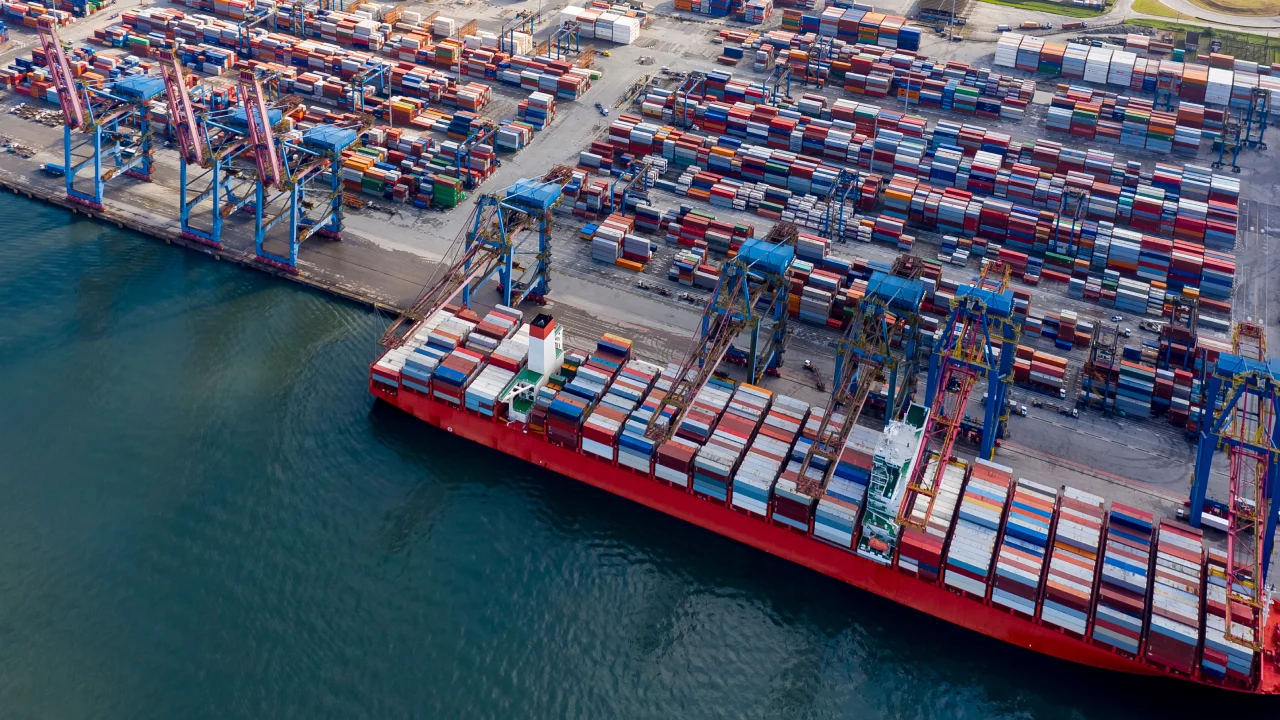
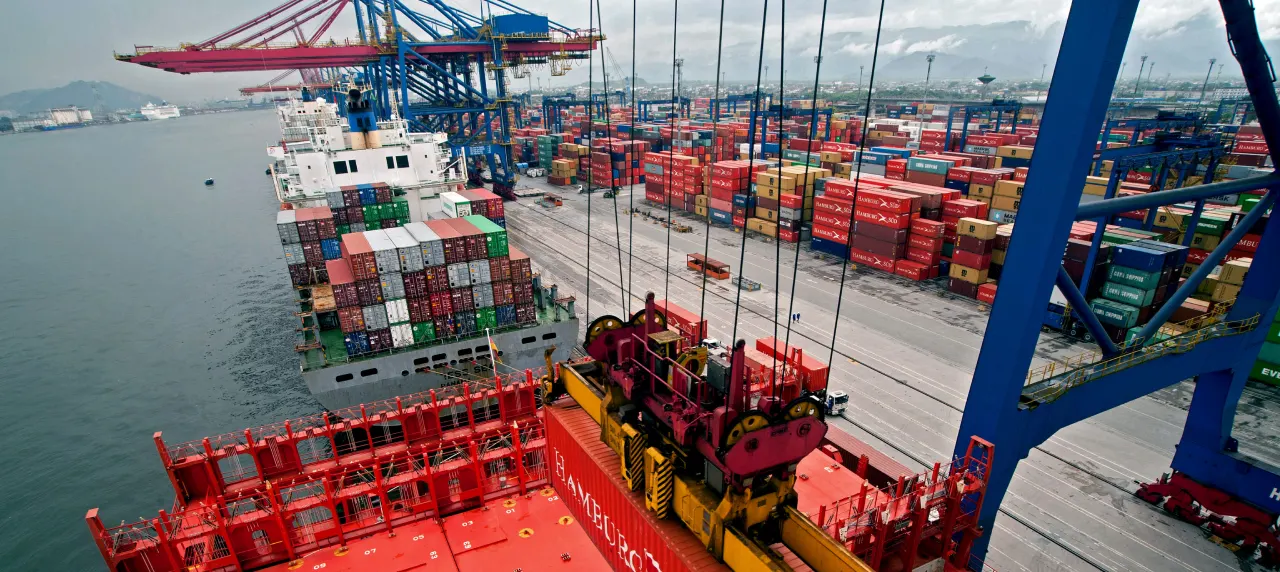
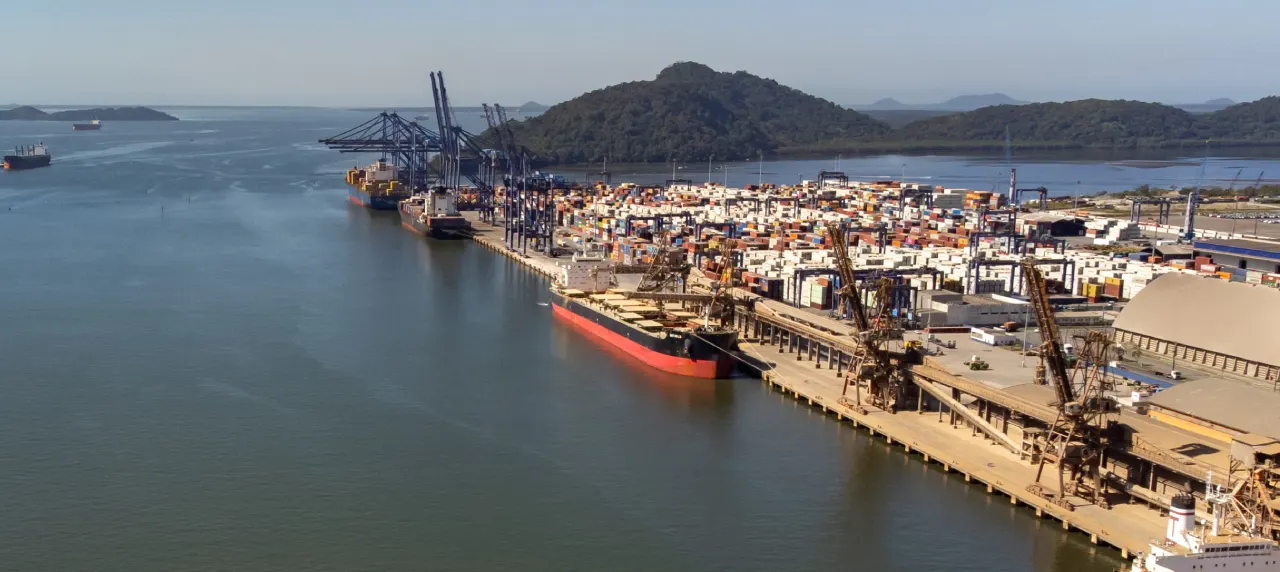
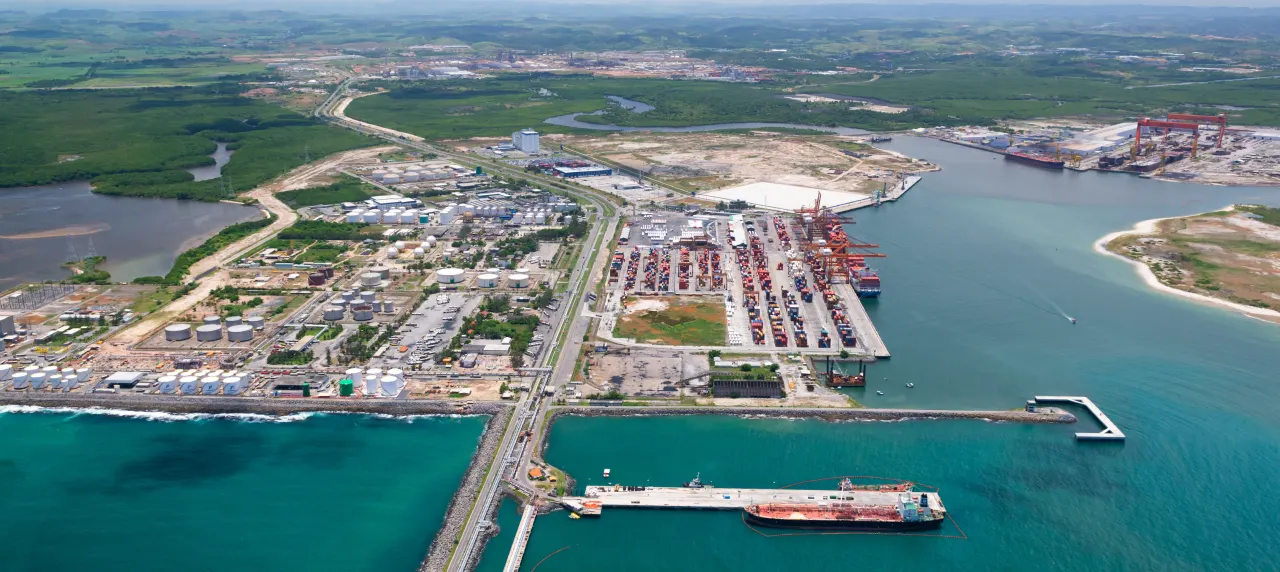
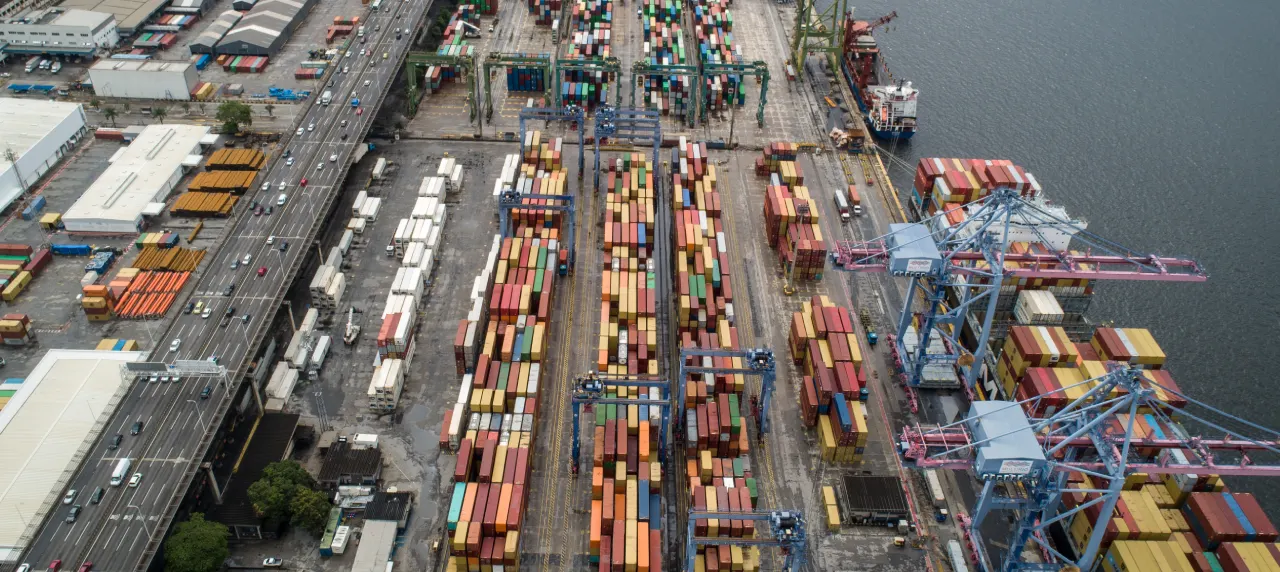
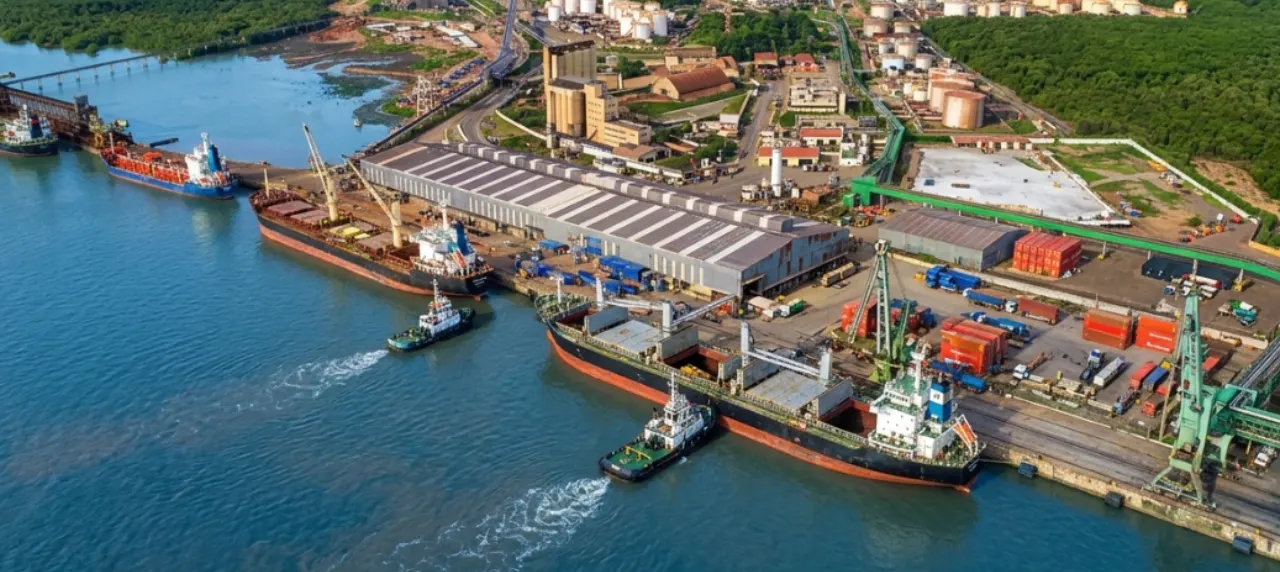
The top ports in Brazil include Santos, Paranaguá, Rio Grande, Suape, Itajaí, Navegantes, Rio de Janeiro, Vitória, Itaguaí, and Itaqui. These ports support Brazil’s international trade through container shipping, agricultural exports, RoRo cargo, breakbulk, bulk commodities, industrial cargo, and heavy equipment logistics.
The top ports in Brazil differ sharply in what they can physically handle, so port choice is a cost decision rather than a geography decision. The nearest port to your buyer is frequently the wrong one: it may lack a heavy-lift berth, run one sailing a month, or sit 900 km from the jobsite by road. Getting it wrong adds inland trucking, storage, and handling that ocean freight quotes never show.
This guide covers what each port actually handles, which ones suit oversized machinery, and how to match a port to your cargo and destination.
Brazil's Port System at a Glance
Brazil runs a coastal network of public ports and privately authorized terminals, regulated by ANTAQ, the national waterway transport agency.
| Category | Notes |
|---|---|
| Largest port | Santos |
| Major container ports | Santos, Paranaguá, Itajaí, Navegantes, Rio Grande |
| Major agricultural ports | Santos, Paranaguá, Rio Grande, Itaqui |
| Major industrial cargo ports | Itaguaí, Vitória, Suape, Rio de Janeiro |
| Heavy equipment relevance | Santos, Paranaguá, Rio Grande, Suape, Itaguaí |
| Common cargo types | Containers, vehicles, bulk, breakbulk, machinery, project cargo |
The public/private split is why routing is more complex than picking the closest berth. Many private terminals are single-commodity operations – iron ore, crude, pulp – and cannot take a crated excavator at any price. Brazil cargo ports handled a record volume through 2025: 1.4 billion tonnes for full-year 2025, up 6.1% year on year (vs. 1.32 billion tonnes in 2024).
Top 10 Ports in Brazil
The biggest ports in Brazil by raw tonnage are iron ore and oil terminals with no relevance to general cargo. This ranking reflects international cargo relevance instead – container activity, regional coverage, and usefulness for import and export logistics. Ports are ordered by a blend of container/general-cargo throughput, service frequency, and cargo-type versatility – not raw tonnage, which is why high-tonnage bulk ports like Itaguaí (#9) and Itaqui (#10) rank below general-cargo ports that move far less total volume.
| Rank | Port | Best For |
|---|---|---|
| 1 | Santos | Containers, general cargo, agricultural exports, machinery |
| 2 | Paranaguá | Agricultural cargo, containers, machinery |
| 3 | Rio Grande | Southern Brazil cargo, containers, agriculture |
| 4 | Suape | Northeast Brazil, containers, project cargo, machinery |
| 5 | Itajaí | Containers, regional trade |
| 6 | Navegantes | Containers, Santa Catarina logistics |
| 7 | Rio de Janeiro | General cargo, containers, industrial shipments |
| 8 | Vitória | Steel, mining, industrial cargo |
| 9 | Itaguaí | Bulk, industrial cargo, heavy/project cargo |
| 10 | Itaqui | Agricultural exports, bulk, northern logistics |
1. Port of Santos
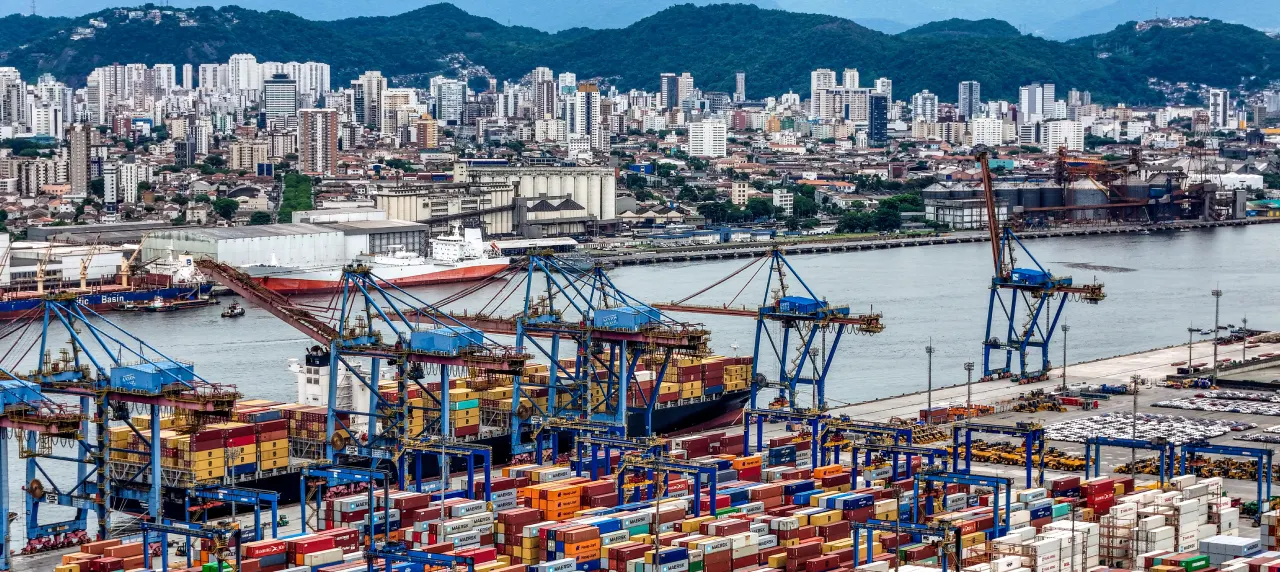
The Port of Santos is Brazil’s largest and most important international cargo port, handling containers, agricultural exports, general cargo, machinery, and industrial shipments.
Located in São Paulo state, Santos handled a record 186.4 million tonnes in 2025, up 3.6%, and accounted for 29.6% of Brazil’s foreign trade by value. Container throughput passed 5.9 million TEUs, making it Latin America’s busiest container port. Its inland connections to São Paulo and the central states are the best in the country, which is why it is the default first option for most international cargo – including machinery moving to interior jobsites.
| Best For | Santos |
|---|---|
| Containers | Yes |
| Heavy equipment | Yes |
| Agricultural machinery | Yes |
| Project cargo | Yes |
| RoRo | Possible depending on service |
| Main region served | São Paulo, Southeast Brazil, Central Brazil |
2. Port of Paranaguá
The Port of Paranaguá is one of Brazil’s most important southern cargo ports, especially for agricultural trade, containers, and cargo moving through Paraná and neighbouring states.
Portos do Paraná handled a record 73.5 million tonnes in 2025 (+10.1%), with containers reaching 1.66 million TEUs. It is one of Brazil’s largest fertilizer import gateways – though Arco Norte ports, led by Itaqui, overtook Paranaguá on fertilizer volume in 2025, and it is widely cited as the world’s largest frozen chicken export corridor. For equipment buyers, the relevance is directional: this is the port serving Brazil’s grain belt, so farm machinery landing here has a short road leg to the farms that need it.
| Best For | Paranaguá |
|---|---|
| Containers | Yes |
| Agricultural cargo | Yes |
| Farm equipment | Yes |
| Heavy equipment | Possible |
| Main region served | Paraná, Mato Grosso do Sul, Southern Brazil |
3. Port of Rio Grande
The Port of Rio Grande is the key gateway for southern Brazil, supporting containers, agribusiness cargo, industrial shipments, and regional import/export logistics.
In Rio Grande do Sul, it handled 26.3 million tonnes between January and October 2025, up 9.3% – though growth slowed later in the year, with Rio Grande do Sul’s public ports (Rio Grande ≈ 96% of the total) reaching 40.9 million tonnes through January–November, up 3.67% year on year. It serves the far south, where inland delivery from Santos would add well over 1,000 km of road haulage.
| Best For | Rio Grande |
|---|---|
| Containers | Yes |
| Agricultural machinery | Yes |
| Industrial cargo | Yes |
| Heavy equipment | Possible |
| Main region served | Rio Grande do Sul, Southern Brazil |
4. Port of Suape
The Port of Suape is the most important Northeast gateway for cargo diversity, handling containers, breakbulk, vehicles, machinery, construction materials, and project cargo.
Located in Pernambuco, Suape sits inside an industrial and logistics complex, which makes it capable of handling project cargo rather than only containers. In 2025, Suape handled 24.25 million tonnes total, down 2.4% year on year due to a refinery shutdown, though containerized cargo grew 7.5% to 7.55 million tonnes. Pecém, in neighboring Ceará, set its own container throughput record in 2025 and is an increasingly competitive alternative worth checking for Northeast-bound container cargo specifically. For breakbulk and project cargo, routing through Suape avoids roughly 2,000 km of domestic trucking from Santos.
| Best For | Suape |
|---|---|
| Containers | Yes |
| Breakbulk | Yes |
| Machinery | Yes |
| Project cargo | Yes |
| Regional distribution | Northeast Brazil |
5. Port of Itajaí
The Port of Itajaí is a container and regional trade port in Santa Catarina, serving southern Brazil’s manufacturing and export flows.
The Port of Itajaí – the standalone public terminal, not the wider port complex that includes Navegantes/Portonave and totals roughly 15.7 million tonnes – handled 3.4 million tonnes between January and October 2025, a 461% increase over the same period in 2024 – driven largely by JBS Terminais taking over management of the port’s unified terminal areas in late 2024, not by organic demand growth – following a roughly 5% decline in full-year 2024. It is a container port first, so oversized or non-containerized machinery is usually better served elsewhere.
| Best For | Itajaí |
|---|---|
| Containers | Yes |
| General cargo | Yes |
| Heavy equipment | Limited / case-specific |
| Main region served | Santa Catarina, Southern Brazil |
6. Port of Navegantes
Navegantes is a major container gateway in Santa Catarina, operating across the river from Itajaí and sharing the same regional cargo base.
Portonave, Navegantes’ deep-water private terminal, is one of Brazil’s most productive container terminals, with berths dredged to 17m for vessels up to 400m LOA, which matters for containerized machinery parts and spares. Choose between them on service schedule rather than geography – they serve effectively the same hinterland.
| Best For | Navegantes |
|---|---|
| Containers | Yes |
| Machinery parts | Yes |
| General cargo | Yes |
| Heavy equipment | Limited / case-specific |
| Main region served | Santa Catarina, Southern Brazil |
7. Port of Rio de Janeiro
The Port of Rio de Janeiro handles containers, general cargo, and industrial shipments for one of Brazil’s largest metropolitan and industrial markets.
It suits cargo destined for the Rio metro area and nearby industry. For heavy or oversized units in the same region, Itaguaí down the coast usually has better handling capability.
| Best For | Rio de Janeiro |
|---|---|
| Containers | Yes |
| General cargo | Yes |
| Industrial cargo | Yes |
| Heavy equipment | Possible |
| Main region served | Rio de Janeiro, Southeast Brazil |
8. Port of Vitória
The Port of Vitória serves industrial cargo, steel-related shipments, mining-linked trade, and regional logistics in Espírito Santo. Note: the Vitória area also includes Porto de Tubarão, Vale’s private iron-ore export terminal – legally separate from the public Porto de Vitória (Codesa) described here, and not usable for general or project cargo.
Its value for equipment shipping is its access to Minas Gerais and the mining belt inland. Machinery destined for mining operations often routes here rather than through Santos.
| Best For | Vitória |
|---|---|
| Industrial cargo | Yes |
| Mining-related cargo | Yes |
| Breakbulk | Possible |
| Heavy equipment | Possible |
| Main region served | Espírito Santo, Minas Gerais access |
9. Port of Itaguaí
The Port of Itaguaí is a major industrial and bulk cargo port near Rio de Janeiro, relevant for steel, mining, heavy cargo, and project logistics.
Itaguaí moved 62.8 million tonnes in 2025, though iron ore made up 92% of that. That ore volume runs through Porto Sudeste, a dedicated ore-export terminal within the Itaguaí port zone – the heavy-lift and breakbulk capability relevant to equipment shippers (steel coils, vehicles, project cargo) sits specifically at the separate Sepetiba Tecon/CSN terminal, not at Porto Sudeste. Sepetiba Tecon’s infrastructure is exactly what oversized machinery needs, making the Itaguaí zone a serious option for cranes, mining units, and project cargo in the Southeast – just confirm you’re booked into Sepetiba Tecon, not Porto Sudeste.
| Best For | Itaguaí |
|---|---|
| Bulk cargo | Yes |
| Industrial cargo | Yes |
| Heavy equipment | Yes |
| Project cargo | Yes |
| Main region served | Rio de Janeiro, Minas Gerais, Southeast Brazil |
10. Port of Itaqui
The Port of Itaqui is the strategic northern gateway, handling agricultural exports, bulk cargo, and fuels through Maranhão and Brazil’s northern logistics corridors. It handled a record 34-million-plus tonnes in 2025, up 8.45% year on year.
Operated by EMAP, Itaqui ranks among Brazil’s four largest public ports with nine operational berths. It anchors the northern grain corridor, so it becomes relevant for equipment when the destination is Maranhão, Tocantins, or the newer agricultural frontier states.
| Best For | Itaqui |
|---|---|
| Agricultural cargo | Yes |
| Bulk cargo | Yes |
| Industrial cargo | Possible |
| Heavy equipment | Case-specific |
| Main region served | Maranhão, Northern/Northeastern Brazil |
Which Brazilian Port Is Best for Heavy Equipment?
Santos, Suape, and Itaguaí are the strongest options for heavy equipment shipping to Brazil, because each combines heavy-lift capability with regular international services.
| Equipment Type | Recommended Port Options |
|---|---|
| Tractors | Santos, Paranaguá, Rio Grande |
| Excavators | Santos, Suape, Itaguaí |
| Bulldozers | Santos, Itaguaí, Suape |
| Wheel loaders | Santos, Paranaguá, Rio Grande |
| Cranes | Santos, Itaguaí, Suape |
| Mining equipment | Itaguaí, Vitória, Santos |
| Industrial machinery | Santos, Suape, Itaguaí, Vitória |
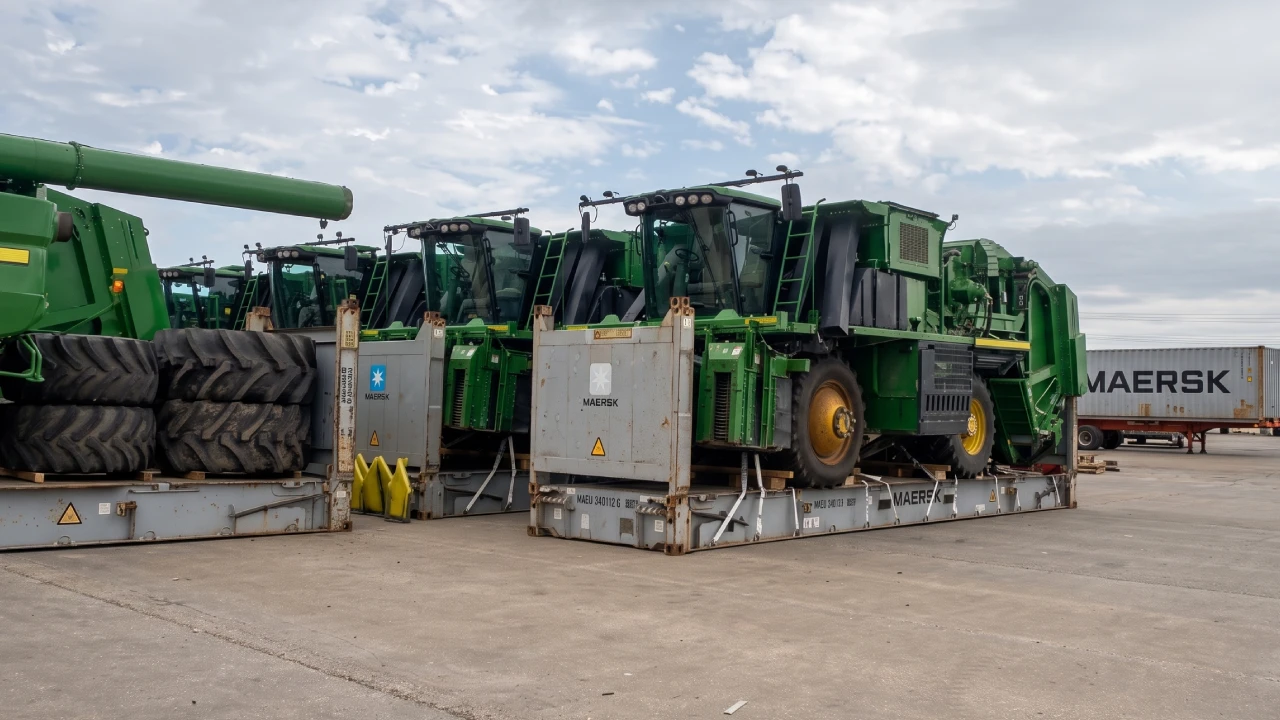
The right answer for your machine depends on cargo dimensions, equipment condition, shipping method, final delivery location, vessel schedule, customs broker access, and inland trucking cost. A non-running excavator needs a crane berth; an operable wheel loader may simply drive off a RoRo vessel. See our Heavy Equipment Shipping service for method selection.
Best Brazilian Ports by Cargo Type
| Cargo Type | Best Port Options |
|---|---|
| Containers | Santos, Paranaguá, Itajaí, Navegantes, Rio Grande |
| RoRo cargo | Santos, Paranaguá, Suape, Rio Grande – carrier-dependent |
| Breakbulk | Santos, Suape, Itaguaí, Vitória |
| Project cargo | Santos, Suape, Itaguaí |
| Agricultural machinery | Santos, Paranaguá, Rio Grande |
| Construction equipment | Santos, Suape, Itaguaí |
| Industrial equipment | Santos, Vitória, Itaguaí, Suape |
RoRo is the one line to check carrier by carrier. Vehicle services to Brazil call selectively, and a port that took RoRo last quarter may not this quarter. Relevant service pages: Agricultural Equipment Shipping, Construction Equipment Shipping, and Breakbulk.
How to Choose the Right Port in Brazil
The right port is rarely the largest one. Brazil shipping ports vary widely in handling capability, and the cheapest ocean rate often lands at the most expensive total cost.
| Decision Factor | Why It Matters |
|---|---|
| Final destination | Inland trucking can change total cost |
| Cargo type | Not every port is ideal for heavy or oversized cargo |
| Shipping method | RoRo, container, flat rack, and breakbulk availability vary |
| Vessel schedule | Direct service may reduce transit time |
| Port charges | Handling and storage costs vary |
| Customs support | Broker familiarity can reduce delays |
| Equipment size | Oversized cargo needs suitable handling |
Work backwards from the delivery address, not forwards from the vessel. Brazil ocean freight is only one line on the invoice; the road leg from port to site frequently costs more.
Common Challenges When Shipping Cargo Through Brazilian Ports
Shipping to Brazil is workable but rarely frictionless. The recurring problems:
- Port congestion, particularly during the soybean and corn export peaks
- Customs clearance delays, where documentation and classification errors are the usual cause
- Demurrage and storage, which accrue fast on oversized units occupying terminal space
- Documentation errors – serial numbers and values must match across invoice, bill of lading, and packing list
- Inland trucking costs, often underestimated for interior destinations
- Oversized cargo permits for road movement beyond the port gate
- Terminal restrictions, since many private terminals handle a single commodity only
- Seasonal peaks, when agricultural cargo crowds out general cargo space
Summary: Port selection affects more than ocean freight. It changes inland delivery cost, cargo handling risk, customs timing, and final landed cost.
How APC Helps with Shipping to Brazilian Ports
We select the port against your delivery address and cargo profile, then book the method that fits the machine.
| APC Support | Benefit |
|---|---|
| Port selection | Helps reduce total logistics cost |
| Cargo method selection | Matches equipment to RoRo, flat rack, container, or breakbulk |
| Ocean freight | Coordinates international cargo movement |
| Cargo insurance | Protects high-value equipment |
| Customs coordination | Supports smoother import process |
| Inland delivery planning | Connects port choice with final destination |
Frequently Asked Questions
The Port of Santos, which handled a record 186.4 million tonnes in 2025 and is Latin America’s busiest container port.
The major ports in Brazil for international cargo are Santos, Paranaguá, Rio Grande, Suape, Itajaí, Navegantes, Rio de Janeiro, Vitória, Itaguaí, and Itaqui.
Santos for most cargo, Itaguaí for very heavy and project units in the Southeast, and Suape for the Northeast. All three combine heavy-lift capability with regular international services.
Paranaguá and Rio Grande serve the southern grain belt with the shortest inland legs. Santos works when the destination is São Paulo or the central states.
Santos, at more than 5.9 million TEUs in 2025 – roughly triple the next-largest Brazilian port, Paranaguá, at 1.66 million TEUs.
Santos, Suape, Itaguaí, and Vitória have the most consistent breakbulk and heavy-lift capability.
Yes – Santos, Paranaguá, Suape, and Rio Grande all take RoRo, but services are carrier-specific and change. Confirm the sailing before booking a drivable machine.
Santos. It is closest to the São Paulo metro area and has the widest range of services and handling equipment.
Rio Grande for Rio Grande do Sul, Paranaguá for Paraná and the grain belt, and Itajaí or Navegantes for Santa Catarina.
Yes – RoRo, flat rack, container, and breakbulk, including port selection, customs coordination, cargo insurance, and inland delivery.
Need Help Shipping Cargo to Brazil?
Choosing the wrong Brazilian port is an expensive mistake that only shows up on the final invoice, after the inland haulage and storage are added.
Atlantic Project Cargo handles heavy equipment shipping to Brazil along with agricultural machinery, construction equipment, and industrial cargo – moving by RoRo, flat rack, container, or breakbulk, with port selection, customs coordination, and inland delivery managed as one job.
Get Your Free Quote Today!
Note: Port capabilities, carrier services, and throughput figures change. Volumes cited are 2025 full-year or year-to-date data as published by ANTAQ and port authorities. Confirm current vessel schedules and terminal capability with Atlantic Project Cargo before booking.
Read More
Maryana Serafinas
Victoria Moseicuka
Nick Yadryshnikov