
Hours of operations:
9AM - 5PM / UTC -5 (EST)

What Is Drayage in Freight Shipping? Types, Costs, Ports, and Heavy Equipment Logistics

August 19, 2026
Shipping Quote
Customs Duties
Drayage Rate
Do you already own this equipment?

You Can Request a New Quote Every 15 Minutes

Please wait or contact us at [email protected]

Thank you for Choosing Us!

Looking to buy or sell heavy equipment?
With JumboBee, you can trade online with financing options and worldwide shipping.

Check Inventory
Calculate Import Duties
Get a free, no-obligation estimate of your import duties!
Calculate Import Duties
Get a Drayage Estimate
Get a free drayage estimate tailored to your exact needs!
Check a Drayage Rate
Home Insights What Is Drayage in Freight Shipping? Types, Costs, Ports, and Heavy Equipment Logistics
Reviewed by
Maryana Serafinas CEO

Key Takeaways


  • Drayage is the short-distance movement of cargo between ports, rail terminals, warehouses, and distribution centers, connecting different stages of the supply chain.
  • Drayage is essential to intermodal transportation, helping cargo move efficiently between ships, trains, trucks, warehouses, and final destinations.
  • Different drayage services serve different needs, including inter-carrier, intra-carrier, pier, shuttle, expedited, and door-to-door drayage.
  • Heavy equipment requires specialized drayage planning, including the right trailer, route surveys, permits, escorts, and coordination with terminals and receiving sites.
  • Drayage costs depend on multiple factors, including distance, cargo weight and dimensions, equipment type, permits, escorts, fuel surcharges, chassis fees, detention, and demurrage.
  • Port congestion, appointment requirements, customs holds, chassis shortages, and overweight restrictions can cause delays and additional costs, making careful coordination critical.

Logistics professionals know that moving cargo across oceans is only half the battle. Getting that cargo out of a congested port and onto its next mode of transport is where supply chains either succeed or fail. This crucial transition relies entirely on drayage.

Understanding what is drayage is essential for anyone involved in global trade. In simple terms, drayage is the short-distance transport of freight between ports, rail terminals, warehouses, and distribution centers. Without this critical connecting step, international shipping would grind to an absolute halt.

Modern supply chains rely on intermodal transport, meaning cargo moves through multiple modes like ships, trains, and trucks. Drayage acts as the vital bridge connecting these different transportation methods. Whether you are moving standard retail goods or coordinating complex heavy equipment logistics, drayage ensures your cargo keeps moving toward its final destination.

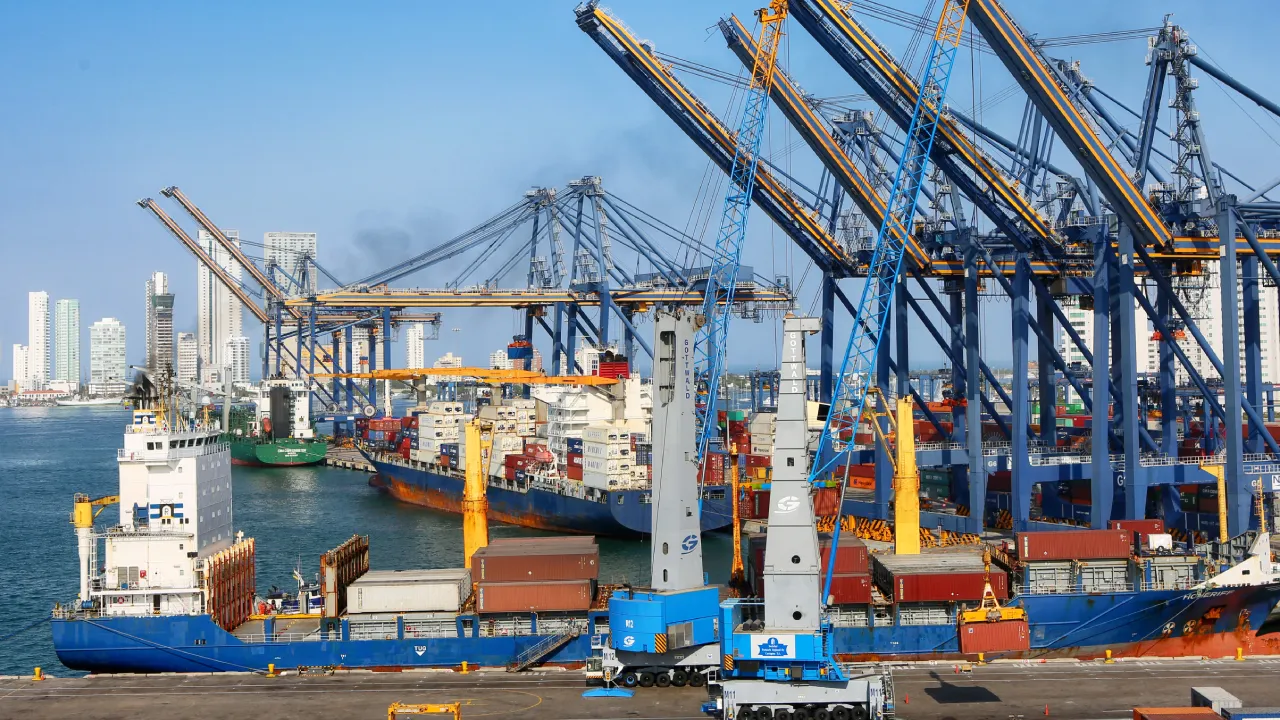
Atlantic Project Cargo specializes in these critical logistics transitions. While standard container drayage handles everyday goods, oversized cargo and heavy machinery require highly specialized port trucking solutions. Transporting massive excavators, industrial generators, and out-of-gauge cargo demands specialized chassis, overweight permits, and expert coordination.

This comprehensive guide explains how drayage works, what equipment is used, how costs are calculated, and how to successfully manage heavy equipment transportation.

What Is Drayage in Freight Shipping?

Defining what is drayage in freight shipping requires looking at the shortest, yet most critical, legs of a cargo journey. Drayage is the specialized logistics service of transporting freight over short distances, typically within a single metropolitan area or region.

Drayage exists because massive cargo ships and long-haul freight trains cannot deliver goods directly to a final warehouse or construction site. Cargo must be broken down and transported locally. This short-distance movement connects different transportation modes, ensuring freight flows smoothly from one logistical node to the next.

Practical examples of everyday drayage operations include:

  • Moving an imported shipping container from a seaport terminal to a local customs warehouse
  • Transporting heavy machinery from a rail yard to a nearby construction site
  • Transferring export cargo from a distribution center to the port terminal for loading onto the departing vessel
  • Shifting empty containers from a warehouse back to a port depot

These trips usually cover anywhere from a few miles to a hundred miles. Despite the short distance, drayage in freight shipping requires intense coordination with terminal operators, customs officials, and warehouse managers.

Why Drayage Is Critical in Global Logistics

Global supply chains operate on strict schedules. Drayage is critical because it maintains supply chain continuity and prevents catastrophic bottlenecks at major shipping hubs.

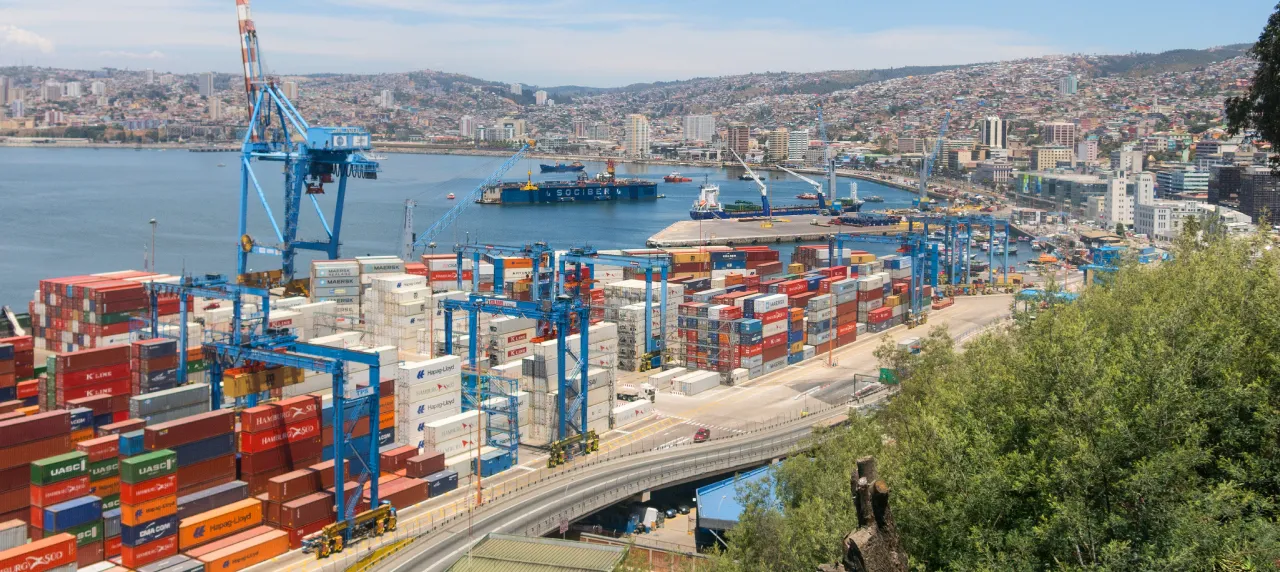
Intermodal coordination depends entirely on trucks moving cargo quickly. When a vessel unloads thousands of containers, terminal yards fill up rapidly. If trucks do not immediately remove these containers, ports run out of space, vessels cannot unload, and global shipping experiences massive delays.

Practical operational benefits of efficient drayage include:

  • Keeping port terminals operational by clearing out newly arrived cargo
  • Avoiding severe congestion at rail ramps and intermodal hubs
  • Supporting ocean freight schedules by delivering export containers exactly when vessels are ready to load
  • Ensuring factories and construction sites receive critical materials without delay

Consider a scenario where an overseas factory ships industrial machinery to a US plant. The ocean vessel arrives on time, but without reliable drayage logistics, that machinery sits at the port accumulating massive storage fees. Drayage ensures the machinery moves from the port to the facility seamlessly.

Need Port-to-Warehouse or Heavy Equipment Transportation?

Atlantic Project Cargo coordinates container drayage, port trucking, and oversized cargo transportation across major logistics hubs and international shipping routes.

Request a Shipping Quote

Get Your Free Quote Today!

Drayage vs Intermodal Transportation

Many people confuse drayage with intermodal transportation, but they represent two different concepts within the same supply chain.

Drayage refers strictly to short-distance movement. Intermodal transportation refers to the entire long-distance journey using multiple modes of transport without unloading the cargo from its container. Intermodal drayage is simply the short trucking segment within that larger intermodal journey.

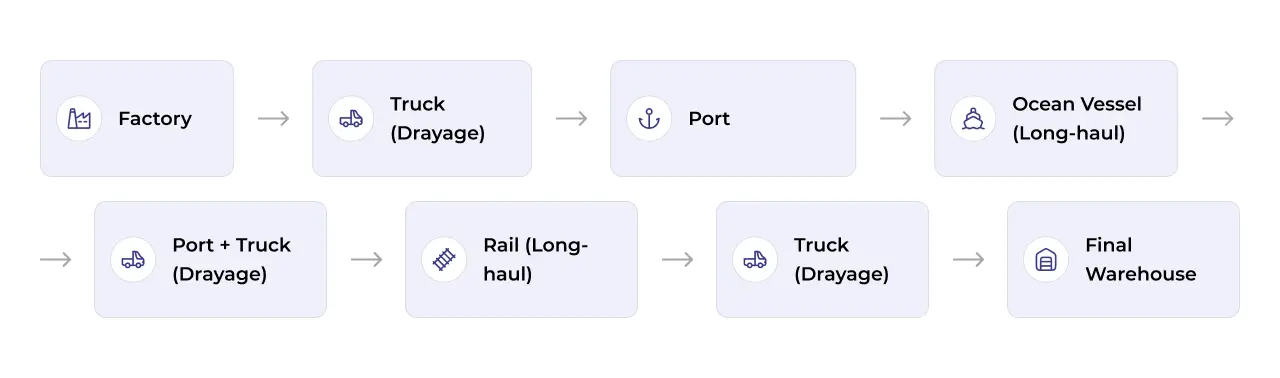
Visual supply chain example:

In this chain, intermodal transportation describes the entire multi-mode process from the factory to the warehouse. Drayage fits into this chain at the connection points. Every time the cargo needs to move from a ship to a train, or from a train to a warehouse, a drayage truck handles that transfer.

Types of Drayage Services

Logistics operators classify drayage shipping into several distinct categories based on routing, speed, and operational requirements. Understanding these types helps businesses choose the right logistics solution for their specific cargo.

Inter-carrier Drayage

Inter-carrier drayage involves moving cargo between different transportation carriers.

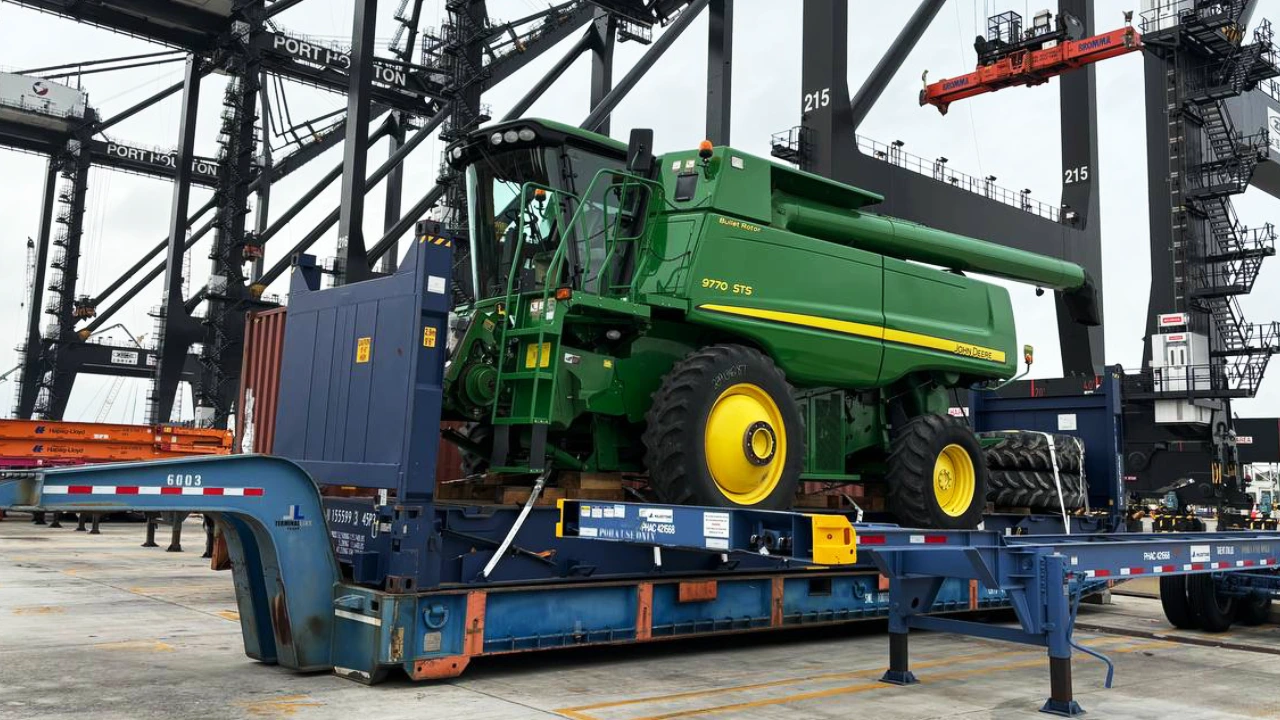
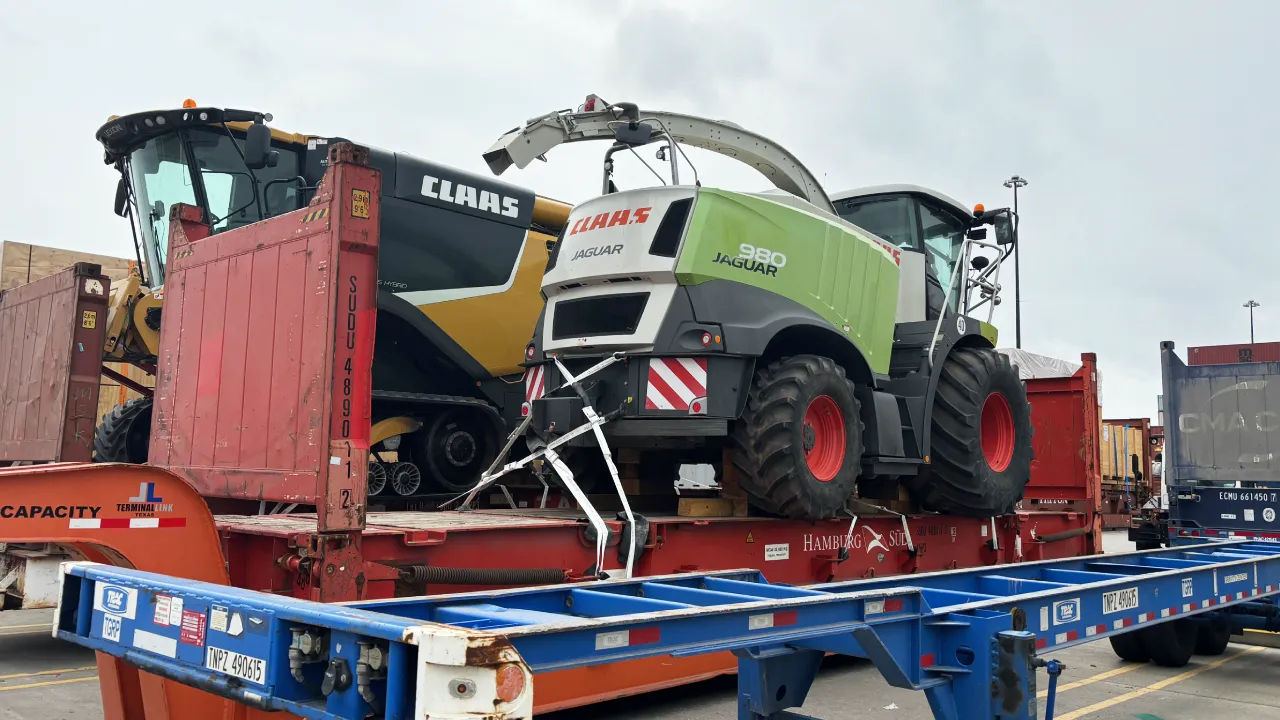
  • Example: Transporting a flat rack container loaded with construction equipment from an ocean carrier terminal to a national rail carrier yard for inland transport.

Intra-carrier Drayage

Intra-carrier drayage occurs when cargo moves between two hubs owned by the exact same carrier.

  • Example: Moving industrial machinery from a carrier main port terminal to their secondary container yard located five miles away to await customs clearance.

Pier Drayage

Pier drayage focuses specifically on port operations. This involves moving cargo from a local inland hub directly to a seaport pier for export, or vice versa for imports.

  • Example: Picking up an imported mining tractor from the port pier and delivering it to a nearby inland container yard for onward distribution.

Shuttle Drayage

Shuttle drayage is used to manage terminal congestion. When a port or rail yard runs out of space, trucks shuttle both loaded and empty containers to temporary holding yards.

  • Example: Shuttling newly arrived flatbed loads of steel pipes from a crowded port to an off-site secure yard until long-haul trucks arrive.

Expedited Drayage

Expedited drayage guarantees immediate, time-sensitive transport of critical cargo.

  • Example: Rushing a replacement industrial generator from a port directly to a local power plant facing an emergency outage.

Door-to-Door Drayage

Door-to-door drayage involves picking up cargo from the sender and delivering it directly to the end customer within the same region.

  • Example: Picking up a container directly from the shipper’s warehouse and delivering it straight to the retailer’s distribution center, without staging at an intermediate depot.

What Is a Drayage Truck?

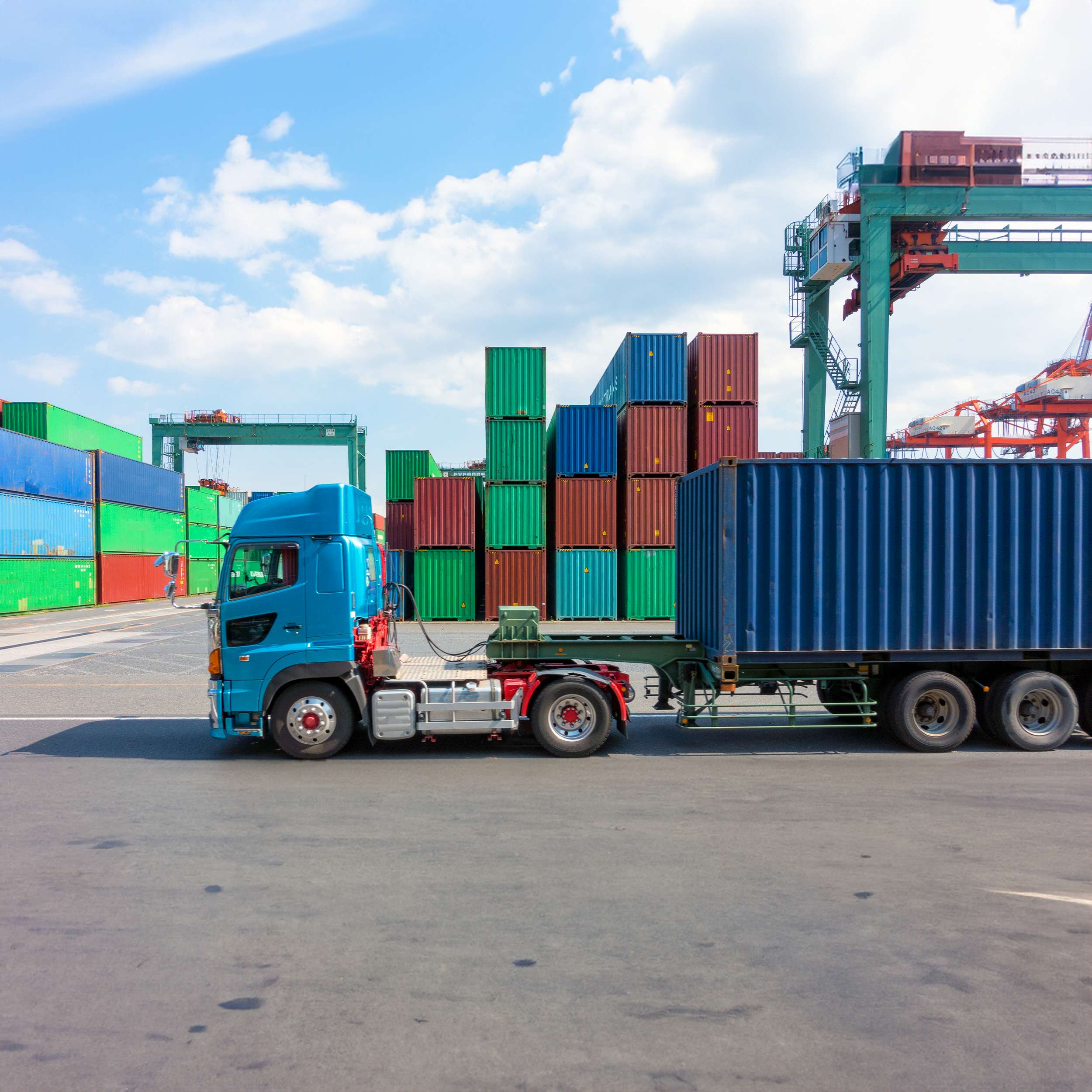
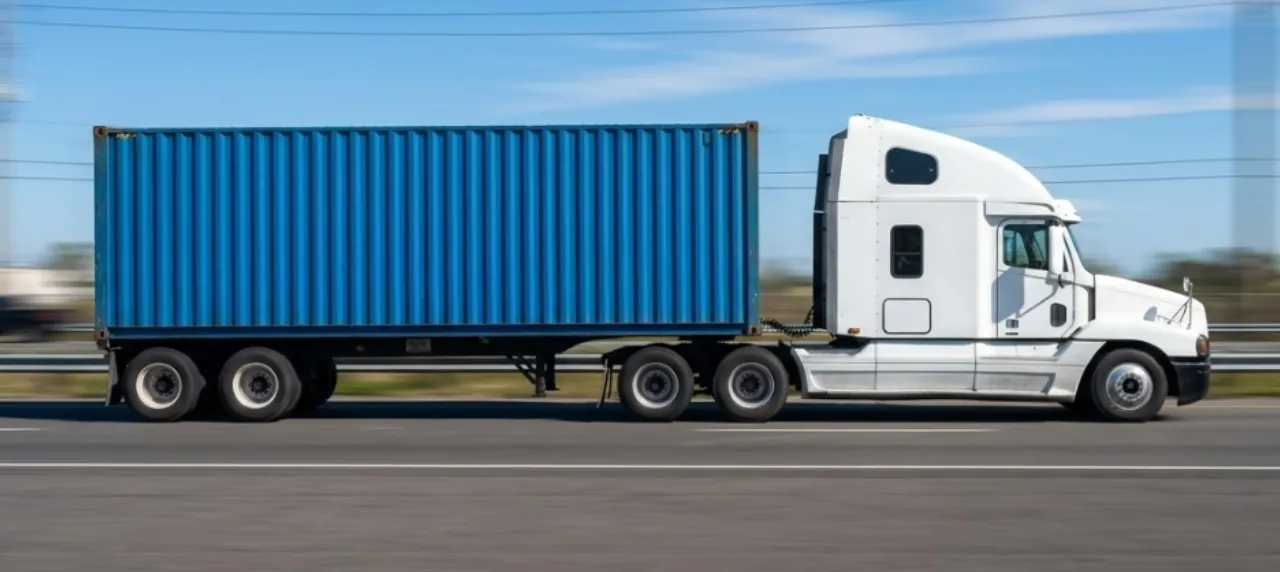
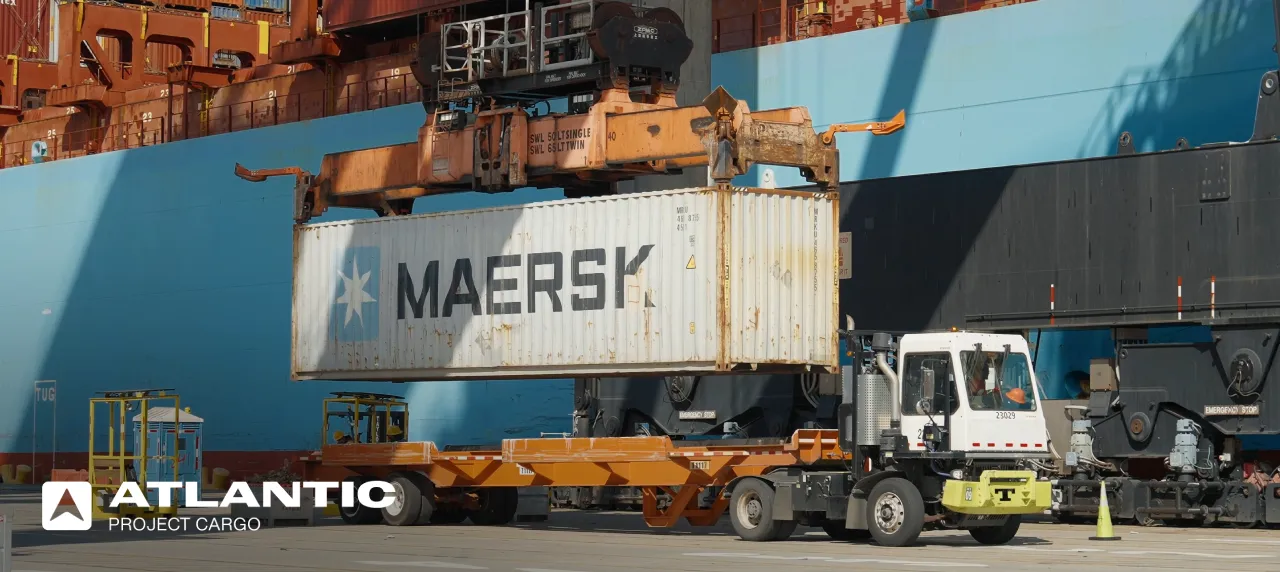
Port trucks, commonly known as drayage trucks, are heavy-duty commercial vehicles specifically designed for short-haul operations. These are typically Class 8 heavy-duty tractors capable of pulling immense weight.

Unlike long-haul sleeper trucks designed for cross-country living, port trucks often have day cabs since drivers return home daily. These trucks connect to specialized trailers known as chassis systems to transport shipping containers and heavy machinery safely.

Types of Chassis Used in Drayage

Selecting the correct chassis is vital for safe drayage operations. Standard container transport equipment differs significantly from the trailers required for heavy equipment.

  • Standard chassis: Fixed-frame trailers built specifically to haul standard 20-foot or 40-foot dry containers.
  • Extendable chassis: Sliding frame trailers that adjust to fit varying container lengths, including 45-foot and 53-foot boxes.
  • Tilt chassis: Specialized trailers equipped with hydraulic lifts that tilt the container to pour out bulk materials like grain or scrap metal.

Heavy Haul Trailers for Oversized Cargo

Standard chassis systems cannot handle oversized machinery. This is where Atlantic Project Cargo differentiates its drayage services. Transporting out-of-gauge cargo requires specialized heavy haul equipment:

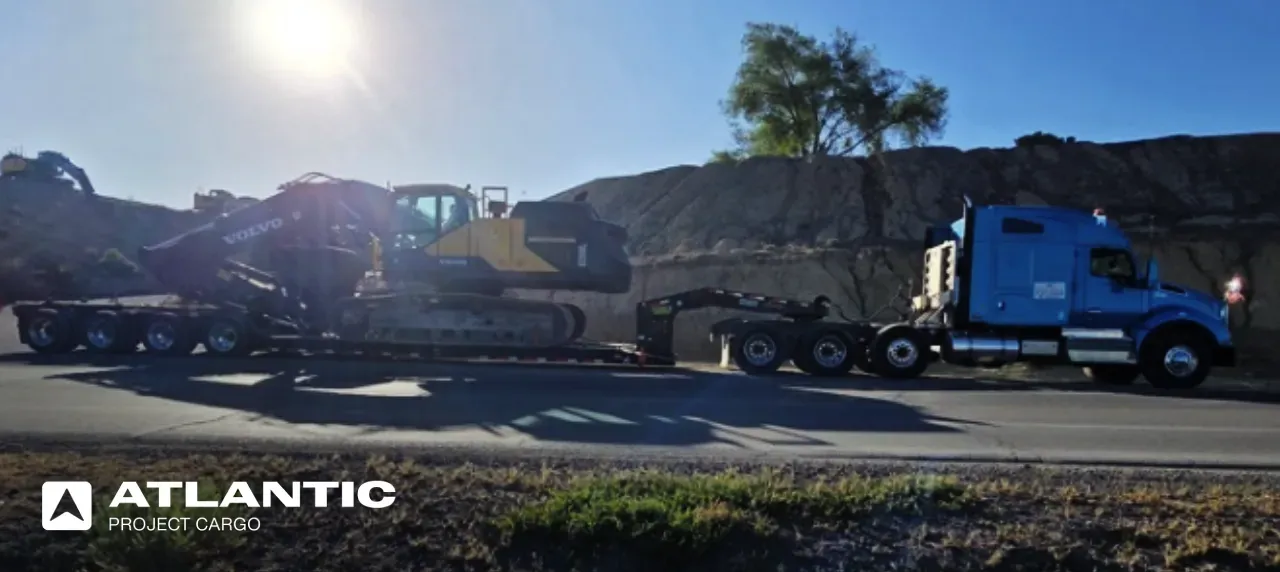
  • Lowboy trailers: Drop-deck trailers designed to carry exceptionally tall equipment like excavators, keeping the cargo below bridge height limits.
  • Flatbeds: Open trailers with no sides or roof, perfect for side-loading industrial machinery that does not fit in standard containers.
  • RGNs (Removable Goosenecks): Specialized lowboys where the front detaches, allowing heavy tractors or military vehicles to drive directly onto the trailer.
  • Multi-axle trailers: Custom configurations with numerous axles used to distribute the immense weight of massive industrial components, preventing road damage.

Shipping Oversized Machinery or Heavy Equipment?

Our team coordinates specialized drayage solutions for construction equipment, industrial cargo, and out-of-gauge freight.

Explore Heavy Equipment Shipping

Get Your Free Quote Today!

Heavy Equipment and Oversized Cargo Drayage

Standard container drayage is straightforward: a truck backs up to a chassis, locks on, and pulls a uniform steel box out of the terminal. Oversized cargo drayage shares almost none of that process.

Moving a 60-ton excavator or a tower crane off the port and onto a job site is a coordinated operation. It begins weeks before the vessel berths and pulls together permits, engineered trailers, terminal crane windows, escort vehicles, and a route surveyed in advance.

Where container drayage is a repeatable transaction, every oversized move is effectively a one-off engineering project.

How the Machine Arrived Decides Everything

The first decision is dictated by how the machinery came across the ocean.

Self-propelled, wheeled, and tracked equipment — excavators, bulldozers, wheel loaders, tractors — usually arrives RoRo. It is driven down the vessel ramp under its own power or by a terminal operator, then staged for loading onto a trailer.

Disassembled or non-running machinery arrives breakbulk or in flat racks. It has to be lifted by the terminal’s mobile harbor crane or a contracted heavy-lift crane directly onto the waiting trailer.

Knowing which method applies changes the crane booking, the labor call, and the loading sequence. Get it wrong, and the terminal refuses the unit as booked or the trailer sits idle racking up waiting time while a crane is sourced.

Trailer Selection

The trailer follows the load, not the other way around.

A standard lowboy or RGN (removable gooseneck) trailer handles most excavators and dozers in the 20- to 50-ton range. The detachable gooseneck drops to the ground so a tracked machine can drive on from the front instead of being craned.

Heavier or taller units step up to multi-axle configurations: extendable double-drops, 7- to 13-axle arrangements, or modular hydraulic trailers that spread the load across more axles to stay under per-axle limits.

Mining machinery and large turbines often exceed any single trailer’s rating and move in components — each piece getting its own trailer, permit, and securement plan.

Deck height is where loads go wrong. A machine that clears on a double-drop can be over-height on a standard step-deck and barred from the route entirely.

Equipment-Specific Requirements

What “oversized” actually demands changes sharply by machine type:

  • Excavators and bulldozers: Driven or winched onto an RGN deck, with the boom and arm folded and pinned to stay within height limits. Tracks are chained at four points, the bucket grounded, and idlers checked so nothing shifts under braking.
  • Tower cranes: Never one unit. Mast sections, jib, counterweights, and slewing assembly each travel as a separate load — and deliveries must be sequenced in assembly order, since the crew needs the base before the jib.
  • Mining machinery: Haul trucks and large excavators move partially disassembled (beds, buckets, counterweights removed) on multi-axle trailers or self-propelled modular transporters. These often qualify as superloads, triggering state permits and engineering review.
  • Generators and turbines: Heavy and shock-sensitive. They ride on air-ride or hydraulic-suspension trailers, sometimes with vibration monitoring, and every lift uses rated spreader bars on engineered pick points.
  • Agricultural tractors: Usually the simplest — driven off the RoRo vessel and strapped to a step-deck. But large articulated tractors on dual wheels can still break width limits and pull the move into permit territory.

Permit Acquisition

Permitting is rarely a single form. One machine may need an overweight permit, a separate over-width or over-height permit, and an individual permit from every jurisdiction the route touches — port authority, state DOT, county, and municipality. Each carries its own lead time, fee, and travel conditions.

Superloads can trigger a bridge analysis: a structural engineer has to certify that specific overpasses can carry the axle loading before any permit issues. That alone can add days or weeks.

The discipline is building the permit calendar backward from the vessel’s ETA. Approvals should be in hand the moment the machine clears the terminal — not started after it lands and the storage meter is already running.

Route Planning

Route planning happens on the ground, not on a map app. Even a short drayage leg is physically surveyed for low bridges, posted-weight overpasses, tight turning radii, overhead utility lines, rail crossings, and active work zones. Clearances get documented turn by turn.

The survey decides whether the load is re-routed, whether a utility company has to lift lines temporarily, and exactly where escorts position at each pinch point. A route that looks fine on paper routinely fails in person on one low rail bridge or a corner the trailer cannot swing.

Escorts, Curfews, and Timing

When the move runs is governed by escort and curfew rules. Wide loads and superloads travel with pilot cars front and rear. Over-height loads add a height-pole car that checks overhead clearance ahead of the trailer, sometimes alongside a police escort.

Many jurisdictions confine oversized movement to off-peak windows — late-night or pre-dawn — and ban travel during rush hours, weekends, or holidays. A single short relocation can end up staged across several nights.

All of it then has to align with the terminal’s own crane and gate hours. The loading slot, permit window, escorts, and receiving site have to land on the same calendar.

Why Coordination Matters

Every one of these steps is a point where a missing document strands the cargo.

One absent overweight permit, or one un-surveyed low bridge found mid-route, can leave a multi-million-dollar machine parked at the terminal. It accrues daily storage and demurrage while the next curfew window and escort crew get re-booked days out.

That planning, engineering, and coordination is exactly what separates oversized drayage from backing a truck onto a chassis — and it is the part that keeps a seven-figure machine moving instead of sitting.

Container Types Used in Drayage

While heavy machinery often moves on specialized trailers, much of global freight moves in standardized containers. Drayage drivers must understand the specific requirements for different container types.

Dry Container

Standard enclosed steel boxes used for general cargo. Available in 20-foot and 40-foot lengths. Used for boxed retail goods, electronics, and easily palletized cargo.

Flat Rack

Containers with no roof and no side walls, only structural end frames. Flat racks are essential for machinery shipping. When cargo is too wide to fit inside a standard box, it is lashed onto a flat rack. Drayage trucks move flat racks using standard chassis, but drivers must ensure the overhanging cargo does not strike obstacles.

Open Top

Containers featuring solid side walls but no solid roof. Instead, they use a flexible tarpaulin cover. Open tops are used for tall industrial equipment that must be loaded vertically via crane.

Reefer

Refrigerated containers featuring built-in cooling units. Used for perishable goods, pharmaceuticals, and temperature-sensitive chemicals. Reefer drayage requires chassis equipped with generator sets to keep the cooling unit running during transport.

High Cube

Similar to dry containers but standing a foot taller to provide extra internal volume. Used for bulky but relatively light cargo.

Understanding these equipment types is vital for seamless ocean freight integration. Atlantic Project Cargo ensures the correct chassis and truck are dispatched based on the specific container type arriving at the port.

What Affects Drayage Costs?

Calculating drayage shipping rates is complex. Unlike standard long-haul trucking which often relies on simple per-mile pricing, port drayage involves numerous operational variables.

Primary cost drivers include:

  • Distance: Total mileage from the port terminal to the final destination.
  • Weight: Heavier cargo burns more fuel and increases vehicle wear. Extremely heavy loads require costly multi-axle equipment.
  • Cargo dimensions: Out-of-gauge dimensions trigger extra costs for route surveys and specialized handling.
  • Equipment type: Standard chassis are cheap. Specialized tilt chassis, lowboys, or refrigerated generator sets cost significantly more to rent and operate.

Additional operational fees and accessorial charges include:

  • Congestion fees: Surcharges applied when port lines are excessively long, compensating the driver for lost time sitting in traffic.
  • Chassis availability fees: Costs related to renting chassis from terminal pools, which fluctuate based on local supply and demand.
  • Overweight permits: Government fees required to legally move heavy machinery on public roads.
  • Escort requirements: Hourly rates paid to pilot car companies for wide-load transportation.
  • Pre-pull charges: Fees applied when a driver pulls a container from the port and stores it at an overnight yard because the final warehouse cannot accept delivery until the next day.
  • Fuel surcharges: Variable percentages added to the base rate to account for fluctuating diesel prices.
  • Detention and demurrage: Penalties charged when cargo sits at the terminal too long (demurrage) or when a truck is delayed at the loading dock (detention).

Cost Calculation Example

Moving a standard dry container 20 miles might cost a base rate of $350, plus a $50 fuel surcharge and a $40 chassis fee, totaling $440.

Moving a flat rack containing an oversized mining tractor the same 20 miles might cost a base rate of $800, plus $300 for overweight permits, $400 for two escort vehicles, and $150 for a specialized lowboy chassis, totaling $1,650.

Disclaimer: The cost examples above are illustrative only and should not be considered fixed pricing. Actual drayage rates vary based on route, cargo specifications, equipment requirements, port conditions, and market factors.

Need an Accurate Drayage Cost Estimate?

Get a customized drayage estimate based on cargo dimensions, pickup location, equipment type, and port requirements.

Check a Drayage Rate

Get a Free Drayage Estimate in Seconds!

Common Drayage Challenges at Ports

Drayage logistics involves navigating highly volatile port environments. Successful logistics operators must anticipate and mitigate numerous daily challenges.

Port congestion remains the biggest hurdle. When multiple mega-vessels arrive simultaneously, terminals become overwhelmed. Trucks wait hours just to enter the gates. This congestion delays deliveries and drives up costs.

Appointment systems complicate scheduling. Terminals require trucks to book strict time slots for picking up containers. If a driver misses their window due to traffic, they must rebook, potentially delaying the cargo by days.

Container holds happen frequently. Customs officials or agricultural inspectors may place administrative holds on specific containers. Drayage drivers cannot legally move the cargo until these holds are cleared, requiring constant communication with customs brokers.

Chassis shortages paralyze operations. During peak shipping seasons, ports run out of available chassis. Without a chassis, a container cannot leave the port, regardless of whether a truck is ready and waiting.

Overweight restrictions cause massive headaches for heavy machinery imports. If an arriving piece of construction equipment exceeds local road weight limits, logistics operators must rapidly secure emergency permits or arrange for partial disassembly at the port before transport.

Terminal wait times increase demurrage risks. Demurrage fees are penalties charged by the port when cargo sits in the terminal beyond its allotted free time. If congestion or chassis shortages prevent a drayage truck from retrieving the cargo, demurrage bills can escalate into thousands of dollars.

How Drayage Fits Into Ocean Freight and International Shipping

Drayage is the critical final puzzle piece of international shipping. Understanding the import and export flow shows exactly how multimodal shipping coordination works.

Import Flow

  1. Ocean vessel arrives at the destination port and unloads the container.
  2. Customs brokers clear the cargo through local authorities.
  3. Drayage logistics provider dispatches a truck to the terminal.
  4. Truck retrieves the container and delivers it to a local warehouse or rail yard for inland transportation.

Export Flow

  1. Factory finishes producing a massive industrial turbine.
  2. Drayage truck featuring a specialized heavy-haul trailer arrives at the factory.
  3. Turbine is loaded and transported directly to the seaport terminal.
  4. Terminal cranes lift the turbine from the truck onto the departing ocean vessel.

This seamless connection between ocean freight and inland transportation requires precision. If the truck arrives late for an export, the cargo misses the vessel. If the truck arrives late for an import, the cargo incurs demurrage fees. Multimodal shipping coordination ensures every schedule aligns perfectly.

How Atlantic Project Cargo Handles Drayage and Heavy Equipment Logistics

Atlantic Project Cargo stands apart by mastering the most complex aspects of port coordination and oversized cargo transportation. We do not just move standard boxes; we engineer comprehensive logistics solutions for heavy haul transportation.

Our team integrates multimodal transportation seamlessly. When handling out-of-gauge cargo shipping, we manage every detail from ocean freight arrival to final site delivery.

Operational capabilities include:

  • Nationwide drayage coordination across all major ports and rail terminals.
  • Advanced route planning for heavy machinery, ensuring compliance with all bridge heights and weight limits.
  • Customs support to clear administrative holds instantly, preventing costly port delays.
  • Specialized heavy equipment logistics, deploying multi-axle trailers, RGNs, and flatbeds for massive industrial cargo.

By combining deep ocean freight integration with elite inland transport networks, Atlantic Project Cargo ensures your most challenging freight reaches its destination safely, legally, and on time.

Looking for Reliable Drayage and Port Logistics Support?

Atlantic Project Cargo provides container drayage, oversized cargo transportation, and heavy equipment logistics solutions across ports, rail terminals, and inland transport networks.

Request a Free Quote

Explore Ocean Freight Services

Get Your Free Quote Today!

FAQ Section

Drayage in freight shipping is the transportation of goods over short distances, typically within the same metropolitan area. It serves as the critical linking step connecting ports, rail yards, warehouses, and distribution centers. Without this service, cargo could not transition from ships or trains to local facilities.

Drayage trucks, often called port trucks, are heavy-duty commercial vehicles designed specifically for short-haul freight movement. These Class 8 trucks connect to specialized chassis systems to haul shipping containers and heavy machinery out of port terminals and rail yards.

Container drayage is the specific logistics process of moving standardized shipping containers (like 20-foot or 40-foot steel boxes) over short distances. This process requires trucks equipped with standard container chassis to lock onto the box and transport it from the port to a nearby warehouse or rail ramp.

Drayage refers strictly to the short-distance truck movement of cargo between logistical hubs. Intermodal shipping refers to the entire long-distance journey of cargo using multiple modes of transport (ships, trains, and trucks) without unpacking the container. Drayage is simply the short connecting segment within the larger intermodal journey.

Drayage is vital in ocean freight because massive cargo ships cannot deliver goods inland. When vessels unload thousands of containers at a seaport, drayage trucks must immediately move that cargo out of the terminal. This rapid movement prevents port congestion, allowing global trade to flow without severe bottlenecks.

Drayage costs are driven by distance, cargo weight, and equipment requirements. Additional operational factors heavily influence the final price, including port congestion fees, chassis rental costs, fuel surcharges, overweight municipal permits, pilot car escorts for heavy machinery, and temporary storage fees.

Port drayage involves moving cargo directly into or out of a seaport terminal. This specialized service requires drivers to hold specific port access credentials, navigate complex terminal appointment systems, and coordinate closely with customs officials and terminal crane operators.

Heavy equipment drayage requires highly specialized coordination. Instead of standard chassis, logistics providers deploy heavy-haul trailers like lowboys or RGNs. The process involves securing municipal overweight permits, hiring pilot escort vehicles, planning custom routes to avoid low bridges, and scheduling heavy-lift cranes at the port terminal.

Oversized cargo requires specialized heavy-haul equipment that can handle immense weight and irregular dimensions. Common equipment includes flatbed trailers for wide loads, drop-deck lowboy trailers for extremely tall machinery, Removable Goosenecks (RGNs) for drivable heavy equipment, and multi-axle setups to safely distribute extreme weight across the roadway.

Demurrage fees are penalties charged by port or rail terminals when a container sits in their yard beyond the allotted free time. Detention fees are penalties charged by trucking carriers or shipping lines when a truck or container is held up too long at a customer loading dock. Efficient drayage shipping prevents both of these costly penalties.

Demurrage is a terminal fee charged when cargo remains at the port beyond the allowed free time. It can significantly increase total shipping costs.

Detention is a fee charged by carriers when a truck or container is held beyond the agreed free time at a dock. It can also strain relationships with transportation providers.

Pre-Pull means moving cargo locally from the terminal to a nearby location, typically overnight, before final delivery. This helps avoid demurrage while the warehouse prepares for delivery.

Chassis Availability Fee is the cost of renting a chassis from a terminal pool. The fee can fluctuate depending on local supply and demand.

Read More

August 20, 2026
Top 10 Ports in Brazil: Major Shipping Hubs for International Cargo
The top ports in Brazil include Santos, Paranaguá, Rio Grande, Suape, Itajaí, Navegantes, Rio de Janeiro, Vitória, Itaguaí, and Itaqui. These ports support Brazil's international...
Reviewed by
Nick Yadryshnikov
August 17, 2026
Heavy Equipment Shipping from the USA to Venezuela: Complete Shipping Guide
Heavy equipment can be shipped from the USA to Venezuela by RoRo, flat rack, container, or breakbulk shipping depending on the machine's size, weight, condition,...
Reviewed by
Victoria Moseicuka
August 16, 2026
Frozen Poultry Export from the USA: Cold Chain Logistics & Reefer Shipping Guide
Frozen poultry export from the USA requires an unbroken cold chain from the processing plant to the final destination, coordinated across refrigerated trucking, cold storage,...
Reviewed by
Nick Yadryshnikov
Share via