Broken stowage is the empty space left in a ship’s hold or a container after cargo has been stowed. It appears when the shape of the cargo does not match the space around it. This lost space still costs money because the vessel or container cannot use it.
Also known as: broken space, lost space, stowage loss.
How Broken Stowage Happens
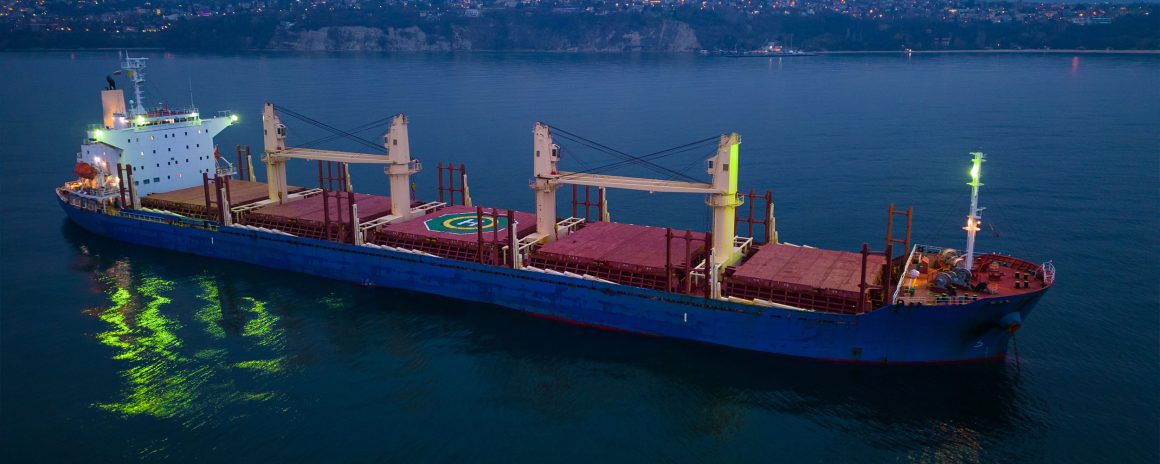
Cargo rarely fills a space perfectly. Irregular shapes, crates of different sizes and the curves of a ship’s hull all leave gaps between units.
Some gaps are needed on purpose. Space for lashing, dunnage and safe access between units also counts as broken stowage.
Planners estimate broken stowage as a share of the total space when they calculate how much cargo a hold or container can take. The estimate depends on the cargo type and how it is packed.
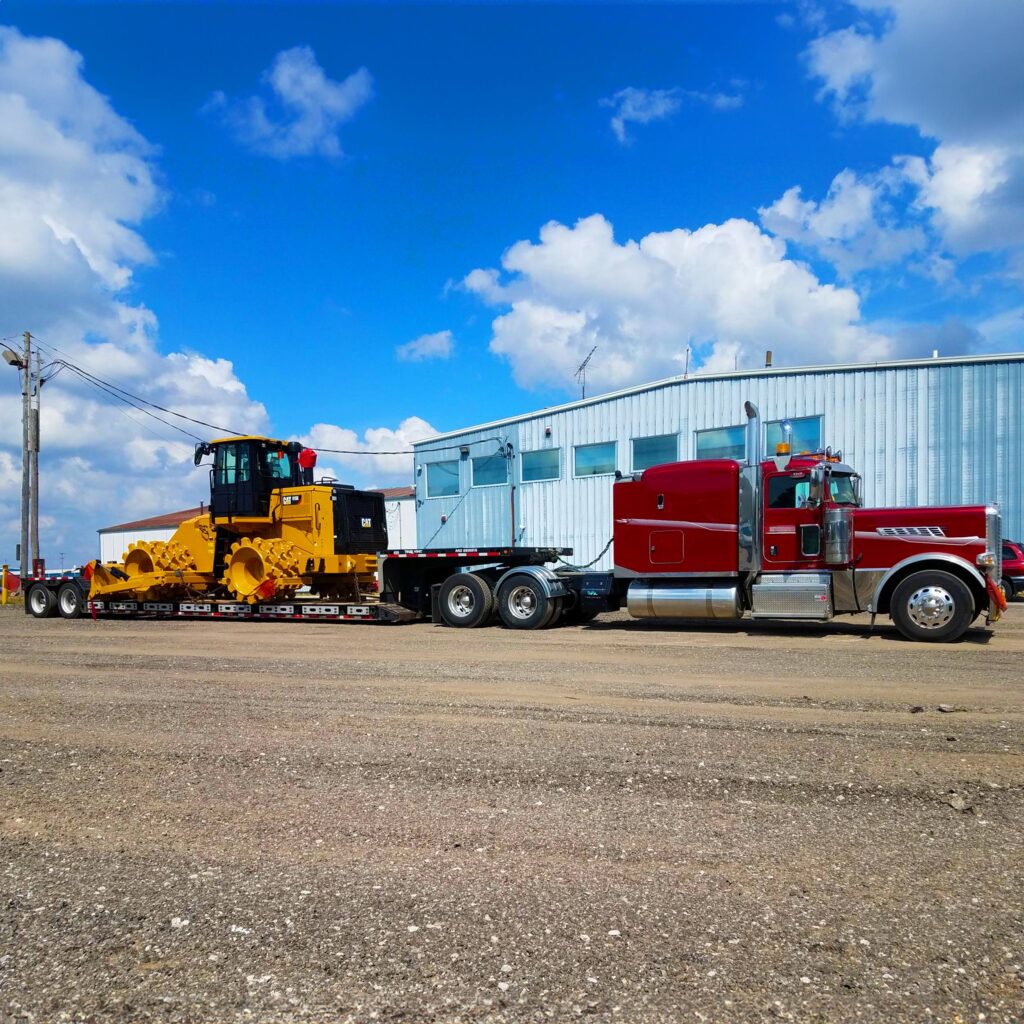
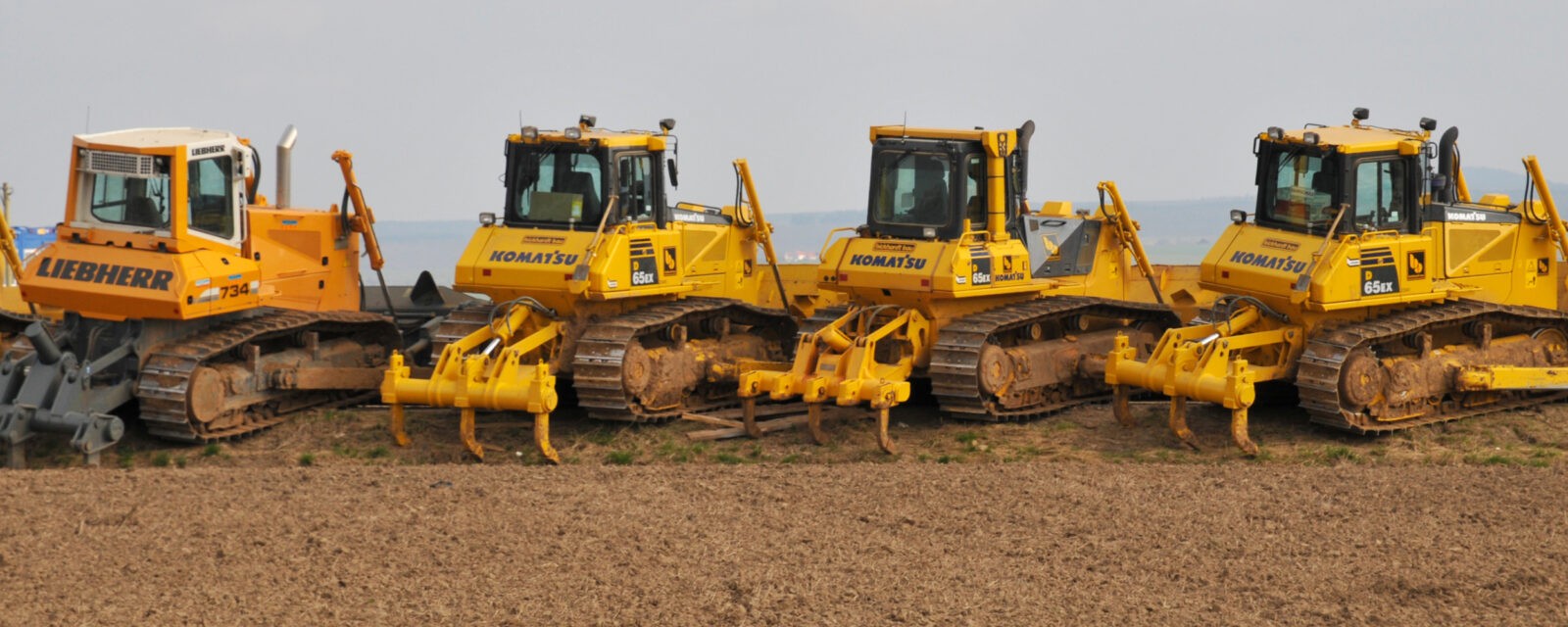
For example, a machine with a long boom and a narrow base leaves large empty areas around it in a hold. Smaller crated parts can sometimes be stowed in those gaps.
Why Broken Stowage Matters for Heavy Equipment Shipping
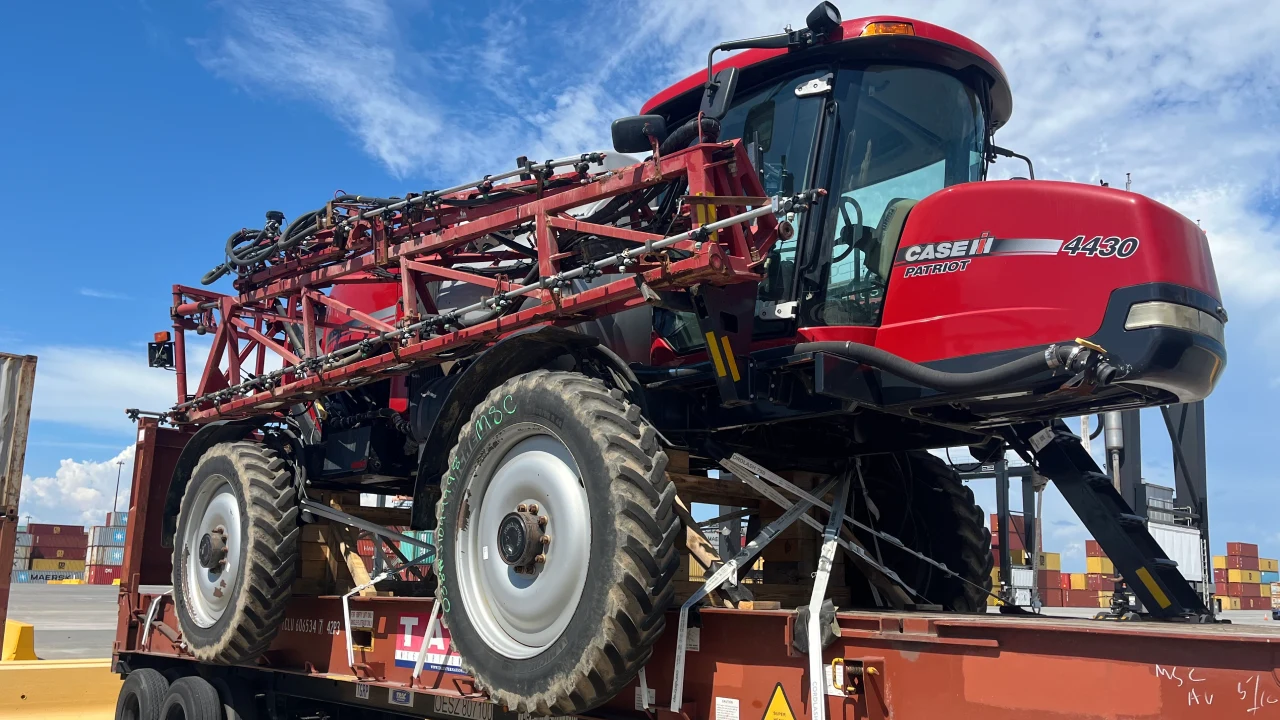
Heavy machinery and project cargo have awkward shapes, so broken stowage is usually higher than for boxed goods. Freight is often charged on the space the cargo occupies, including some of the gaps around it.
Good stowage planning reduces lost space and can lower the cost per unit. Atlantic Project Cargo plans the stowage of irregular units through breakbulk shipping and out-of-gauge cargo services.
Disassembly can also help. Removing buckets, booms or cabs often lets a machine fit more tightly, and our loading and disassembly team can prepare units before shipment.
| Factor | Effect on broken stowage |
|---|---|
| Irregular cargo shape | Leaves gaps that other cargo cannot fill. |
| Mixed crate sizes | Creates uneven layers and empty corners. |
| Lashing and dunnage | Needs space between units and walls. |
| Hull shape | Curved holds near the bow and stern lose space. |
| Disassembly and planning | Can reduce lost space and freight cost. |
Broken Stowage vs Block Stowage
Block stowage groups cargo for the same port or consignee together in one area of the ship. It is about where cargo sits, not about lost space.
Broken stowage measures the unused space that remains once cargo is in place. Block stowage can increase or reduce it, depending on how well the grouped units fit together.
Common Mistakes
- Quoting by cargo weight alone and ignoring the space irregular units take.
- Shipping machines fully assembled when partial disassembly would cut the space needed.
- Not sharing accurate dimensions and drawings, which leads to poor stowage plans.
- Filling gaps with loose items that are not secured.
- Forgetting that lashing and access space must stay free.
FAQ
Shipping irregular machinery or project cargo? Get a quote with dimensions and drawings.