Customs clearance is the process of getting approval from customs authorities to bring goods into a country or to send them out of it. It covers the declaration, the classification and value of the goods, duties and taxes, and any inspection. Cargo is released only after clearance is complete.
Also known as: import clearance, export clearance.
How Customs Clearance Works
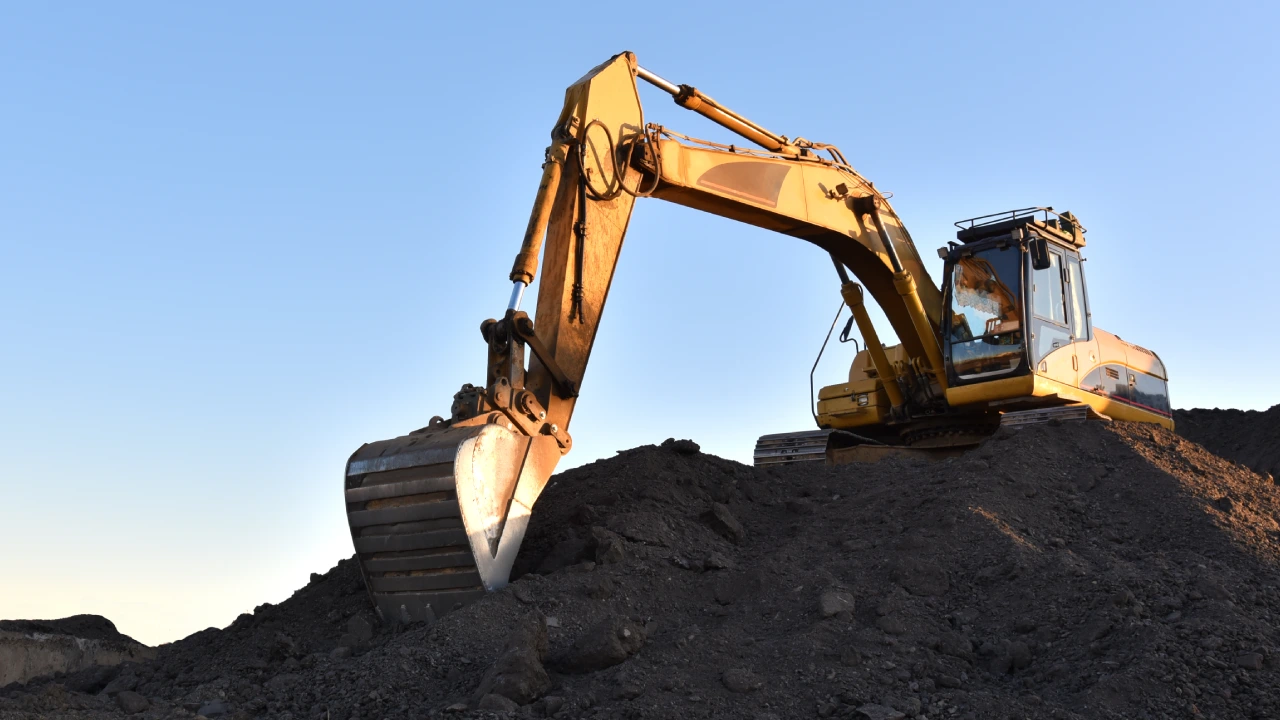
Import clearance starts before the cargo arrives. The importer or its broker submits the entry, and customs compares it with the vessel manifest. For example, the entry for a bulldozer shipped from Rotterdam to Baltimore can be filed while the ship is still at sea.
Customs can then release the cargo, ask for more documents or select it for an exam. An exam may be a document review, an X-ray scan or a physical inspection at an exam site. Duties and taxes depend on the tariff classification, the declared value and the country of origin.
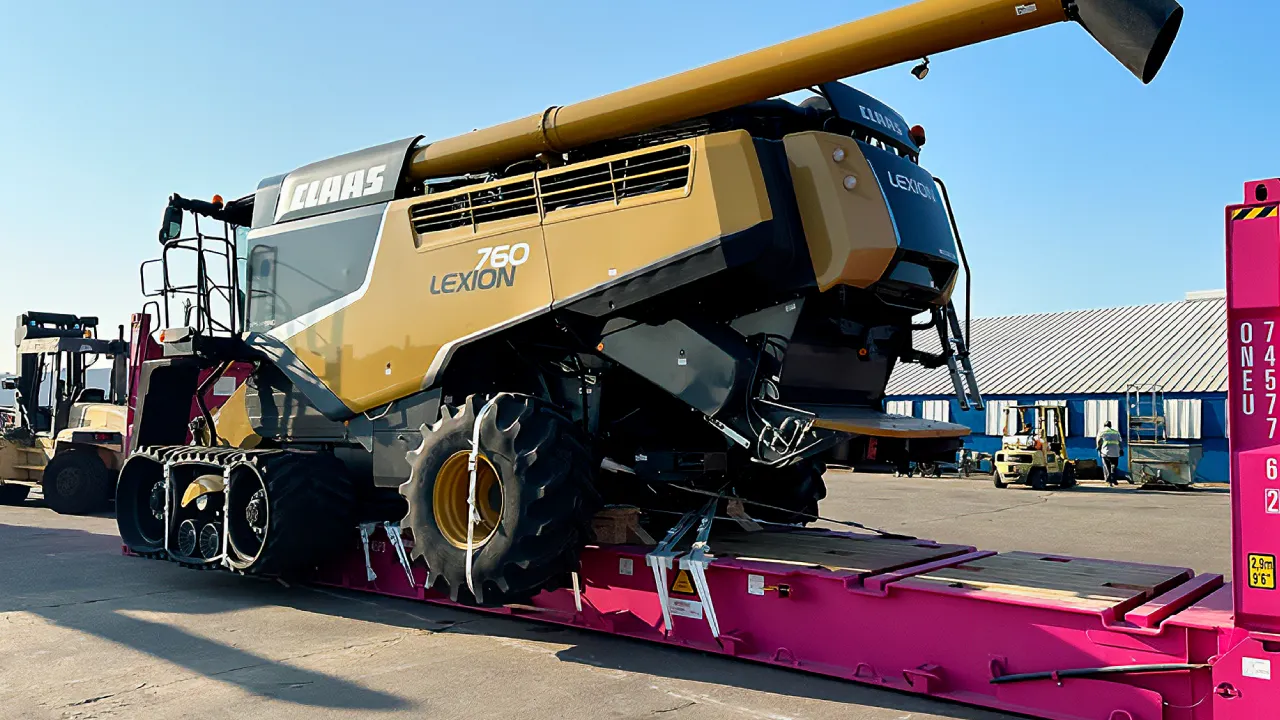
Other agencies may need to approve the cargo too. For machinery, this can include Environmental Protection Agency (EPA) engine rules, Department of Transportation (DOT) vehicle rules and checks for soil. Export clearance follows a similar path, with an export declaration filed before the cargo is loaded.
Why Customs Clearance Matters for Heavy Equipment Shipping
A machine that waits for clearance at the port can collect storage and demurrage charges. Exams of large units can take longer, because the cargo may have to move to a site that can handle it. Accurate paperwork filed early is the main way to keep the release on schedule.
Atlantic Project Cargo clears imported machinery through its customs brokerage service. For engine-powered imports into the US, the team also reviews EPA and DOT import compliance before the cargo arrives.
| Stage | What happens |
|---|---|
| Before arrival | The entry and any security filing are submitted |
| On arrival | Customs reviews the entry and decides on release or an exam |
| Exam, if selected | Document review, X-ray scan or physical inspection |
| Release | The cargo can leave the port or terminal |
| After release | The entry summary is filed and duties are paid |
Common Mistakes in Customs Clearance
- Describing the cargo as general machinery instead of giving the make, model and serial number.
- Leaving soil, plant material or seeds on used equipment, which can lead to cleaning orders.
- Declaring a value that differs from the price the buyer actually paid.
- Waiting until the vessel arrives to file the entry or to arrange a customs bond.
- Forgetting to declare attachments and spare parts shipped with the machine.
FAQ
Need a machine cleared at a US port? Request a quote for shipping and customs clearance in one booking.