A customs bond is a financial guarantee that an importer will pay duties, taxes and fees and follow customs rules. It is a contract between the importer, a surety company and the customs authority. In the United States, a bond is needed for most commercial imports and for ISF filing.
Also known as: import bond, CBP bond, surety bond.
How a Customs Bond Works
The importer buys the bond from a licensed surety, usually through a customs broker. If the importer fails to pay or breaks the rules, customs can claim against the bond. The surety then pays and seeks repayment from the importer.
There are two main types. A single transaction bond covers one shipment, while a continuous bond covers all of an importer’s entries for a set period.
The bond amount depends on the duties and fees the importer is expected to pay. The guide to US customs bonds explains how the amount is set.
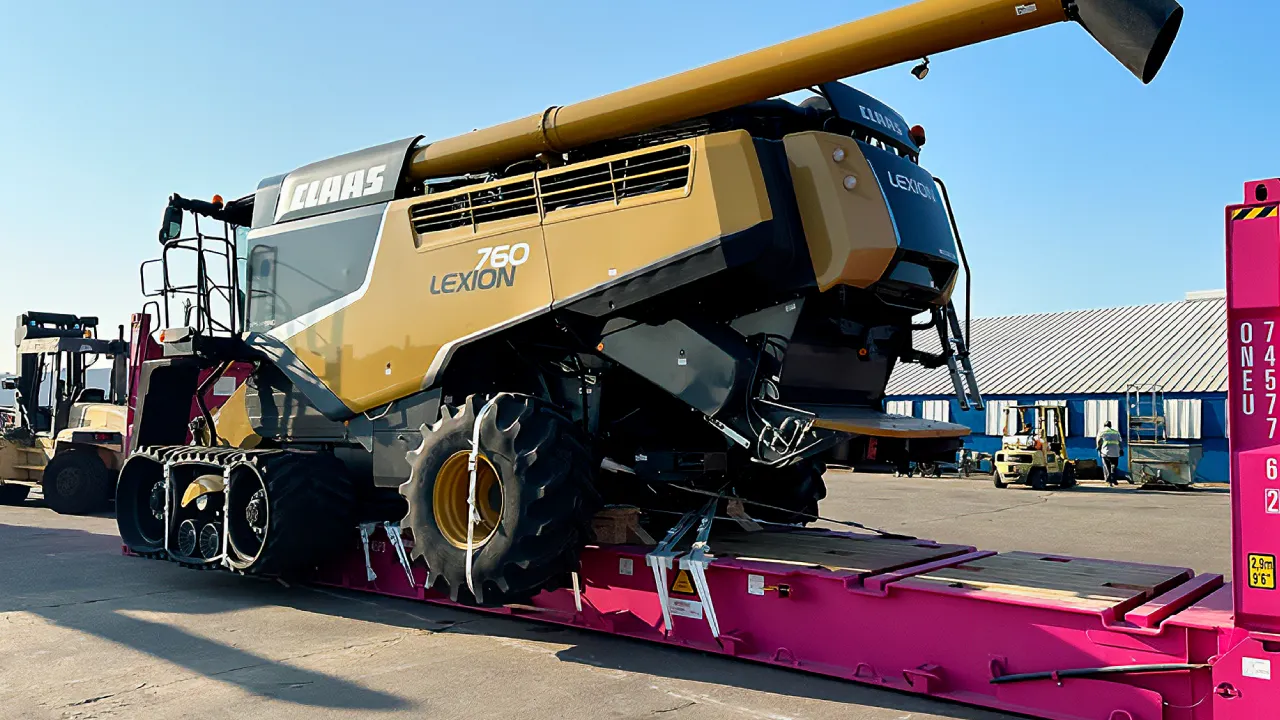
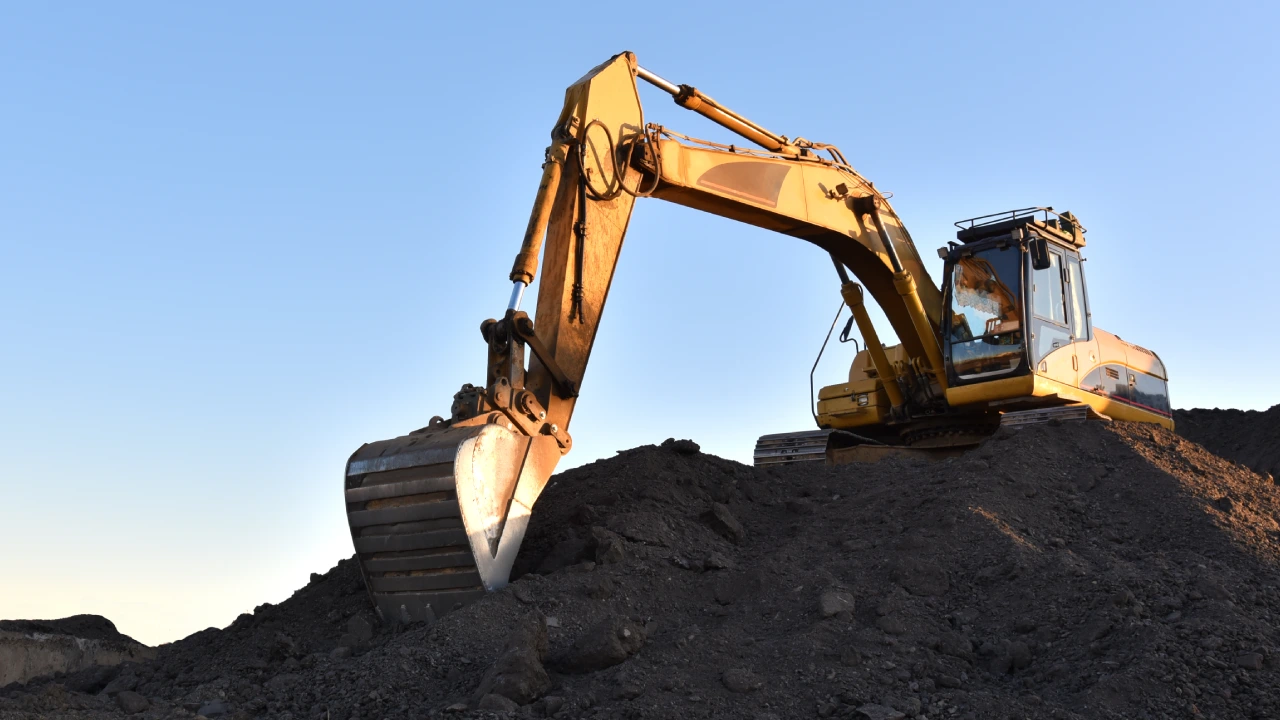
For example, a dealer importing a used excavator through Savannah once a year may use a single transaction bond. A dealer importing machines every month usually buys a continuous bond.
Why a Customs Bond Matters for Heavy Equipment Shipping
Without a bond, the machine cannot be entered and released, so it waits at the terminal. ISF filing for ocean cargo also needs a bond in place before loading at the foreign port.
High-value machines carry higher duties, which can affect the bond amount. Additional duties on some goods can push an importer above its current bond limit.
Atlantic Project Cargo arranges bonds and entries through its customs brokerage service. It also handles EPA and DOT import compliance for machines with engines.
| Bond type | Covers | Fits |
|---|---|---|
| Single transaction | One entry | Occasional importers |
| Continuous | All entries for a set period | Regular importers |
| ISF bond | ISF filing only, where offered | Importers using another party for entry |
Single Transaction Bond vs Continuous Bond
A single transaction bond is bought for one entry and ends when that entry is closed. A continuous bond renews and covers every entry the importer files.
For frequent importers, a continuous bond saves time and is often more cost-effective. For a one-off import, a single bond is usually enough.
Common Mistakes
- Waiting until the vessel arrives to arrange a bond.
- Forgetting that ISF filing also needs a bond.
- Letting a continuous bond become insufficient as duties rise.
- Assuming the seller’s bond covers the buyer’s import.
- Not checking the bond before the first import of the year.
FAQ
Importing a machine into the US? Get a quote that includes the bond and customs entry.