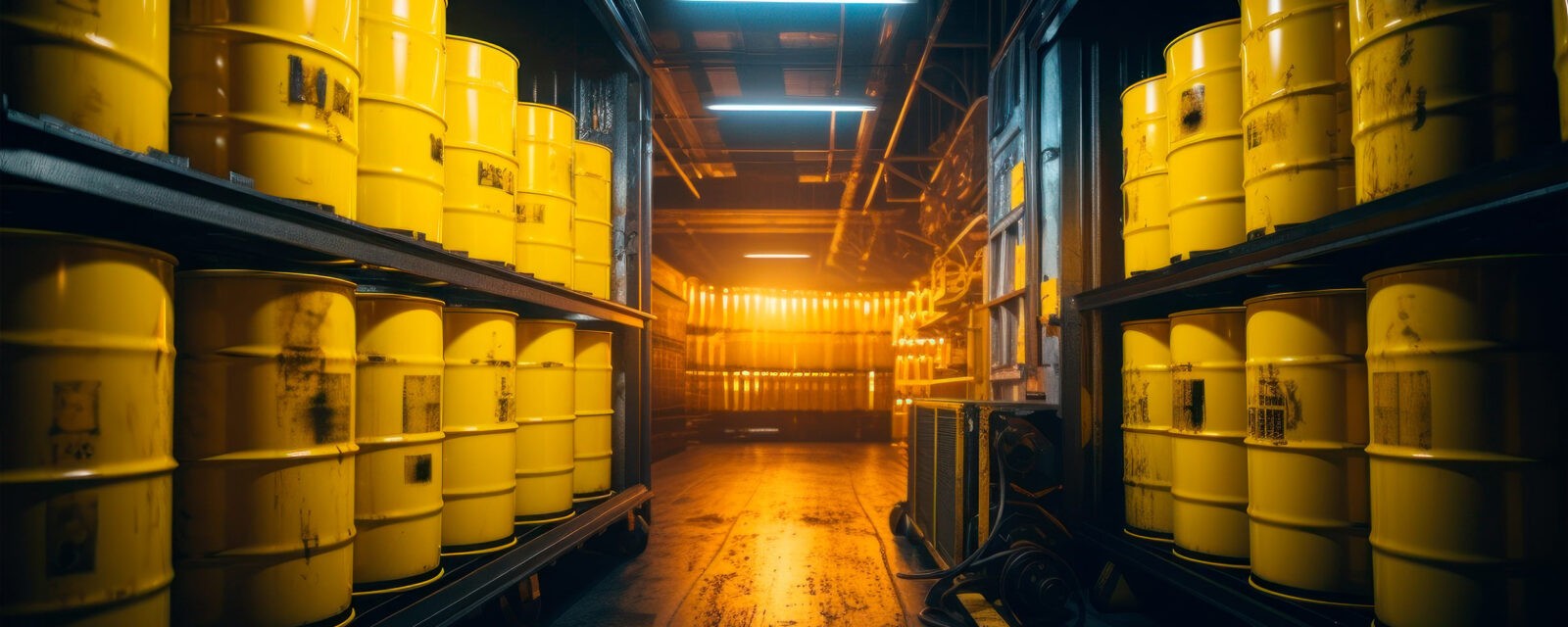
Dangerous goods are materials that can harm people, property or the environment during transport. They include flammable liquids, compressed gases, corrosive substances, explosives, batteries and toxic chemicals carried as cargo. Shipping them requires classification, proper packaging, labels and declarations under international rules.
Also known as: hazardous materials, hazmat, D&H cargo.
How Dangerous Goods Shipping Works
Each dangerous substance is assigned a hazard class and a UN number. For ocean transport, the International Maritime Dangerous Goods (IMDG) Code sets the packing, labeling and stowage rules. The shipper declares the goods to the carrier, which decides where they can be stowed on the vessel.
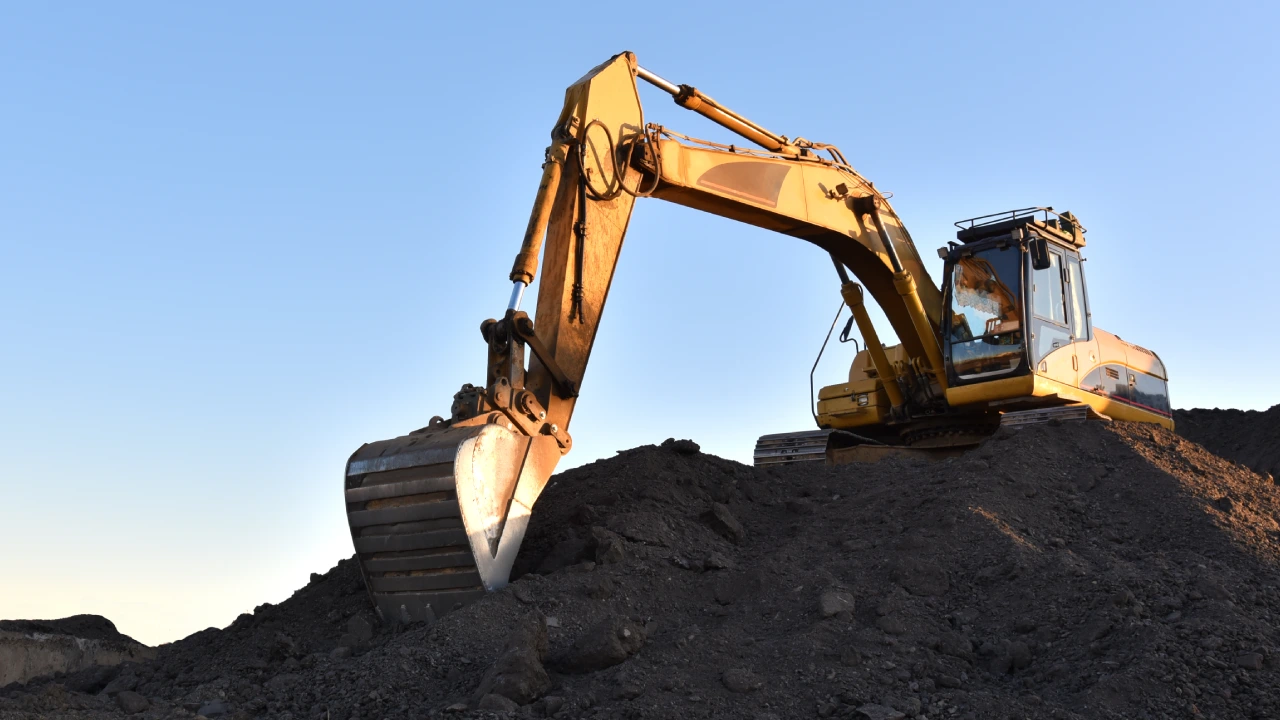
Machinery can count as dangerous goods because of what it carries. Fuel in the tank, batteries, refrigerant gas and fire extinguishers can all fall under the rules. Carriers usually set conditions such as a low fuel level and disconnected batteries.
For example, a used generator shipped from Houston to Jebel Ali may need a declaration for its fuel and batteries. The carrier confirms the condition it must be in before loading.
Why Dangerous Goods Rules Matter for Heavy Equipment Shipping
An undeclared battery or fuel load can lead to refused cargo, fines or safety incidents. The booking must state the engine type, the fuel and any batteries on the machine. Atlantic Project Cargo checks these details through its dangerous goods shipping service.
FAQ
Shipping a machine with fuel, batteries or chemicals? Get a quote and include the engine and battery details.