CIF (Cost, Insurance, and Freight) is an Incoterms rule for sea and inland waterway transport. The seller pays the freight and a minimum level of cargo insurance to the named port of destination. Risk passes to the buyer once the goods are loaded on board the vessel at the port of shipment.
How CIF Works
The seller clears the goods for export, delivers them to the port of shipment and pays to load them on the vessel. It also books and pays the ocean freight to the destination port named in the contract, such as CIF Mombasa.
The seller also takes out cargo insurance that the buyer can claim on. Under CIF, only minimum cover is required, usually on the terms of Institute Cargo Clauses (C). Buyers of machinery often add wider cover of their own.
Risk moves to the buyer when the goods are on board at the port of loading, although the seller has paid freight to destination. For example, if a used tractor shipped CIF Mombasa from Houston is damaged at sea, the buyer makes the claim under the policy. The buyer then pays import clearance, duties and taxes at destination.
Why CIF Matters for Heavy Equipment Shipping
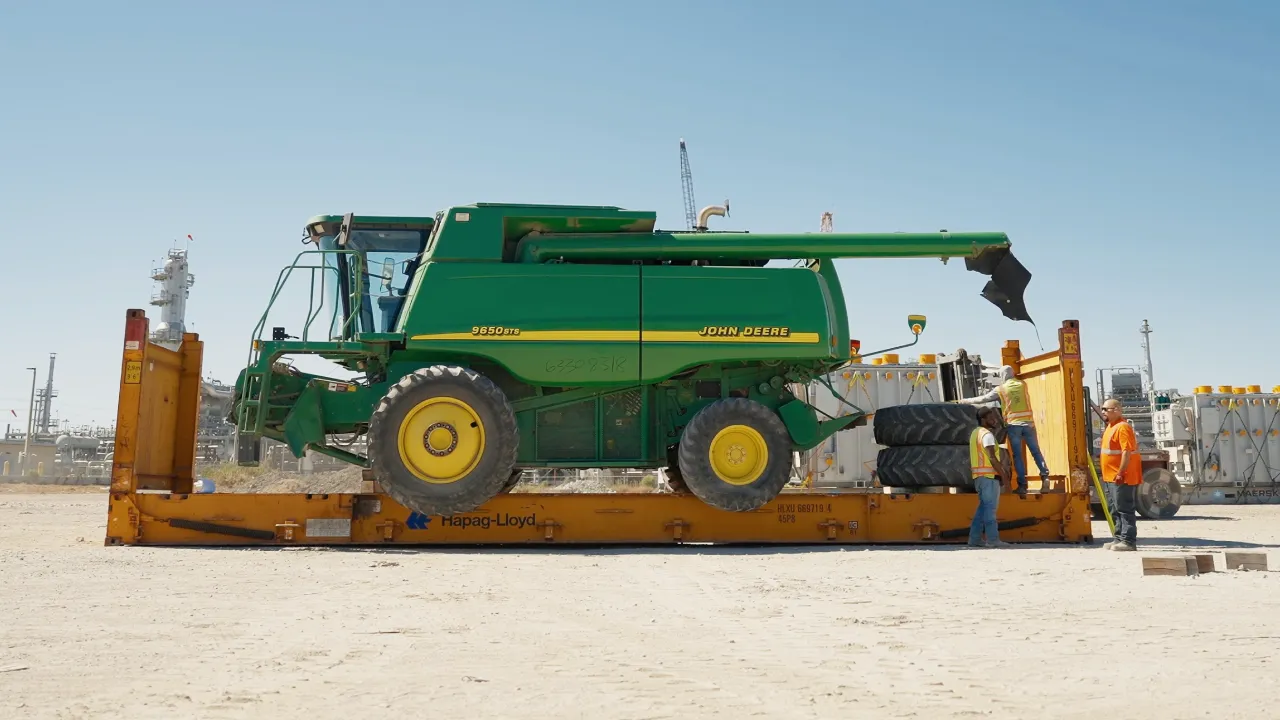
CIF suits machinery shipped RoRo or breakbulk, because the cargo changes hands as it is loaded on the vessel. A machine on a Flat Rack or in a container is handed to the carrier at the terminal well before loading. In that case the seller carries risk it cannot control, and CIP (Carriage and Insurance Paid To) is often the closer match.
Buyers often like CIF because the price already includes freight and insurance to their port. Atlantic Project Cargo helps buyers compare CIF with other terms through its equipment sourcing and procurement service. This makes the full delivered cost clear before the purchase.
| Task under CIF | Seller | Buyer |
|---|---|---|
| Export clearance | Yes | No |
| Loading at the port of shipment | Yes | No |
| Ocean freight to the destination port | Yes | No |
| Cargo insurance | Minimum cover | Extra cover, if wanted |
| Risk during the sea voyage | No | Yes, from loading on board |
| Import clearance and duties | No | Yes |
CIF vs FOB
Under FOB (Free on Board), the seller’s job ends when the goods are on board, and the buyer books and pays the ocean freight. Under CIF, the seller books the freight and buys the insurance as well. In both rules, risk passes to the buyer at the same point, on board at the port of loading.
FOB gives the buyer control of the carrier, the sailing and the insurer. CIF is simpler for a buyer with no freight contacts, but it leaves less say over routing and cover.
Common Mistakes With CIF
- Using CIF for containerized machinery when CIP or FCA matches the handover better.
- Assuming the minimum CIF insurance covers every type of damage to a machine.
- Naming a city or a country instead of the exact destination port.
- Expecting the seller to pay destination terminal charges that its freight contract does not include.
- Leaving the Incoterms edition, such as Incoterms 2020, out of the contract.
FAQ
Buying a machine on CIF terms and want to check the freight part? Get a shipping quote to your destination port.