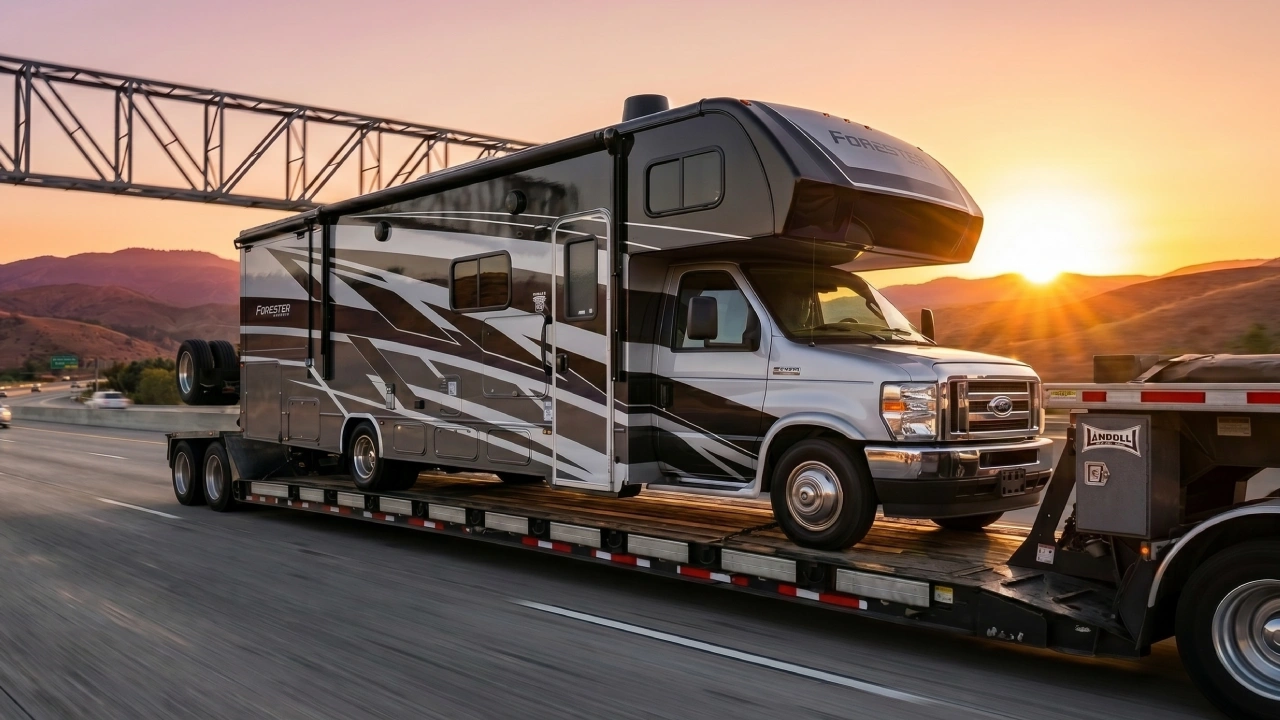
DDP (Delivered Duty Paid) is an Incoterms rule where the seller delivers the goods to the named destination. They arrive cleared for import, with duties and taxes paid. The buyer only unloads them, so the seller carries the most obligation of all the rules.
Also known as: Delivered Duty Paid.
How DDP Works
The seller arranges and pays every leg of transport to the named place. It handles export and import clearance and pays import duties and taxes. Risk passes to the buyer when the goods arrive ready for unloading.
To clear the goods, the seller must be able to act as importer in the buyer’s country, often through a local agent. Some countries make this difficult for foreign companies.
The seller also pays for any inspections, certificates and port charges at destination. These costs should be estimated before the DDP price is quoted to the buyer.
For example, a manufacturer sells a crusher DDP to a quarry in Ontario. The seller pays the freight, the customs entry and the duties, and the buyer unloads at the site. The DDP vs DAP comparison explains the trade-offs.
Why DDP Matters for Heavy Equipment Shipping
DDP gives the buyer a single delivered price, which is simple for budgeting. For the seller, it brings the risk of unexpected duties, taxes, inspections and delays in a foreign country.
Heavy machines may also need road permits, escorts and site access for the final leg. Under DDP, the seller must plan and pay for all of this.
Atlantic Project Cargo supports DDP deliveries with ocean freight and customs brokerage. The duty and tax position should be checked before the price is fixed.
| Task | Seller | Buyer |
|---|---|---|
| All transport to named place | Yes | No |
| Export clearance | Yes | No |
| Import clearance | Yes | No |
| Import duties and taxes | Yes | No |
| Unloading at destination | No | Yes |
DDP vs DAP
Under DAP, the seller delivers to the named place, but the buyer clears import and pays duties. Under DDP, the seller does both.
DAP is often used when the seller cannot act as importer or wants to avoid duty risk. DDP suits sellers with an import entity or a trusted agent in the destination country.
Common Mistakes
- Agreeing to DDP without checking that the seller can import into that country.
- Underestimating duties and taxes on used or high-value machinery.
- Not planning unloading equipment for the buyer at the site.
- Forgetting import permits or inspections that the seller must arrange.
- Not stating whether local taxes are included in the DDP price.
FAQ
Selling a machine delivered to the buyer’s site? Get a quote with the destination address.