A freight forwarder is a company that arranges the transport of goods for a shipper from origin to destination. It books space with carriers, coordinates trucks, ports and warehouses, and prepares the shipping documents. Most freight forwarders do not own vessels and instead buy space from carriers.
Also known as: forwarder, forwarding agent.
How a Freight Forwarder Works
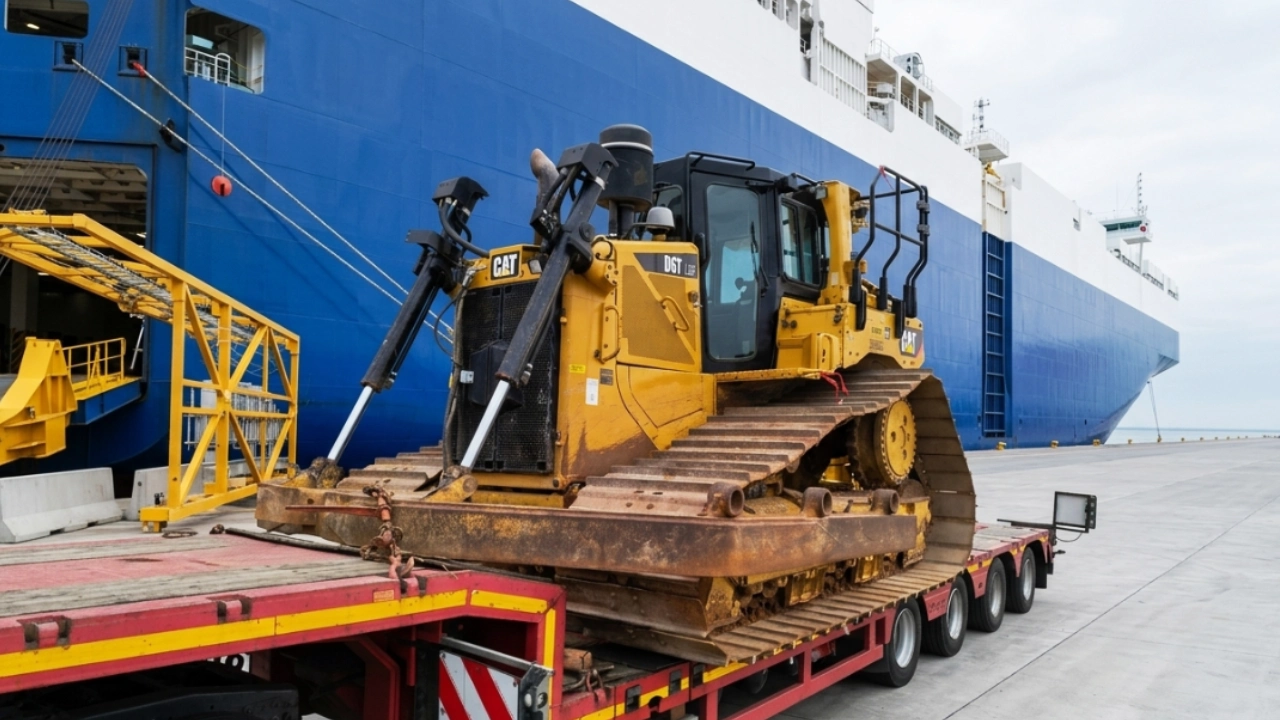
The shipper gives the forwarder the cargo details, the pickup address and the destination. The forwarder picks a route and a transport method, books the carrier and arranges trucking to the port. For example, a forwarder moving a telehandler from a dealer in Ohio to Santos might choose a RoRo sailing from Baltimore.
Along the way, the forwarder prepares or collects the documents. These include the booking, the dock receipt, the export filing and the seller’s commercial papers. Some forwarders also issue their own house Bill of Lading to the shipper.
At destination, a partner agent arranges discharge, customs clearance through a broker and final delivery. The shipper keeps one point of contact for the whole move, even when several carriers are involved.
Why a Freight Forwarder Matters for Heavy Equipment Shipping
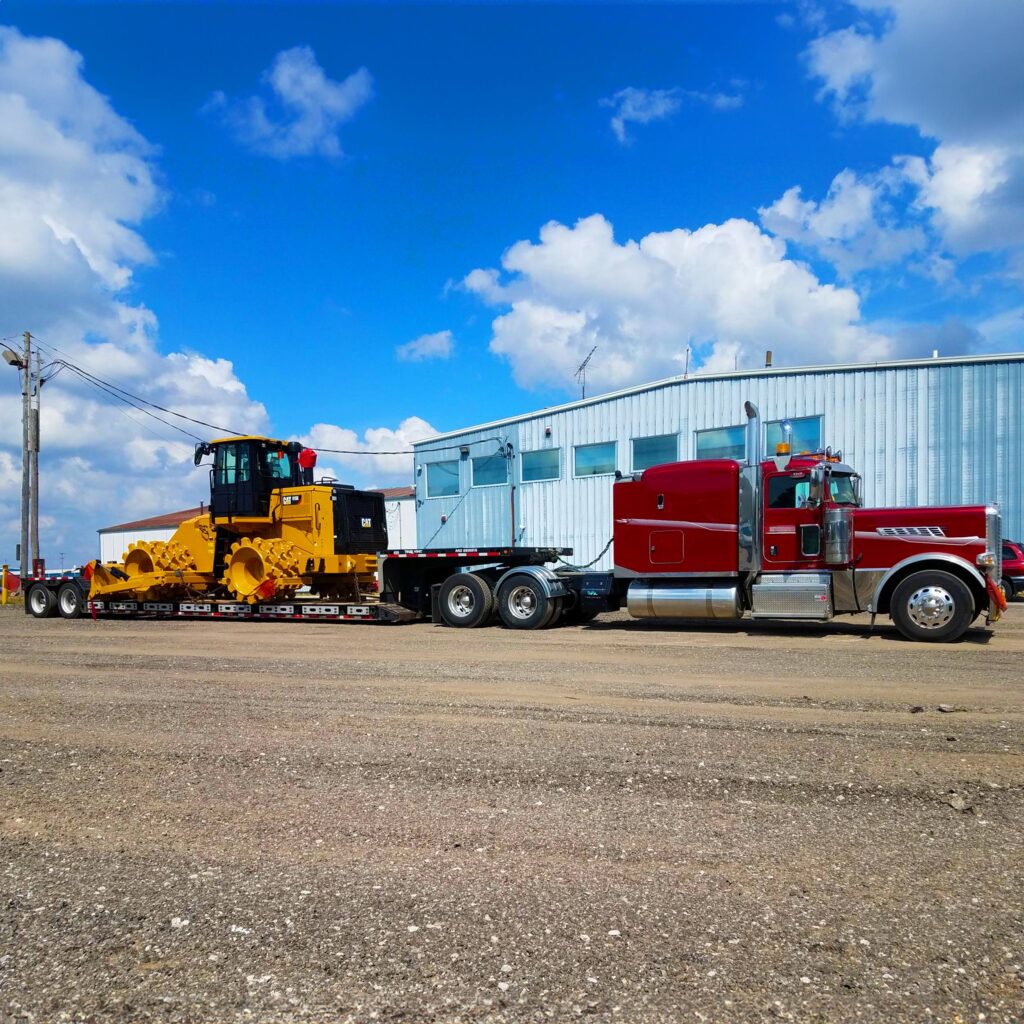
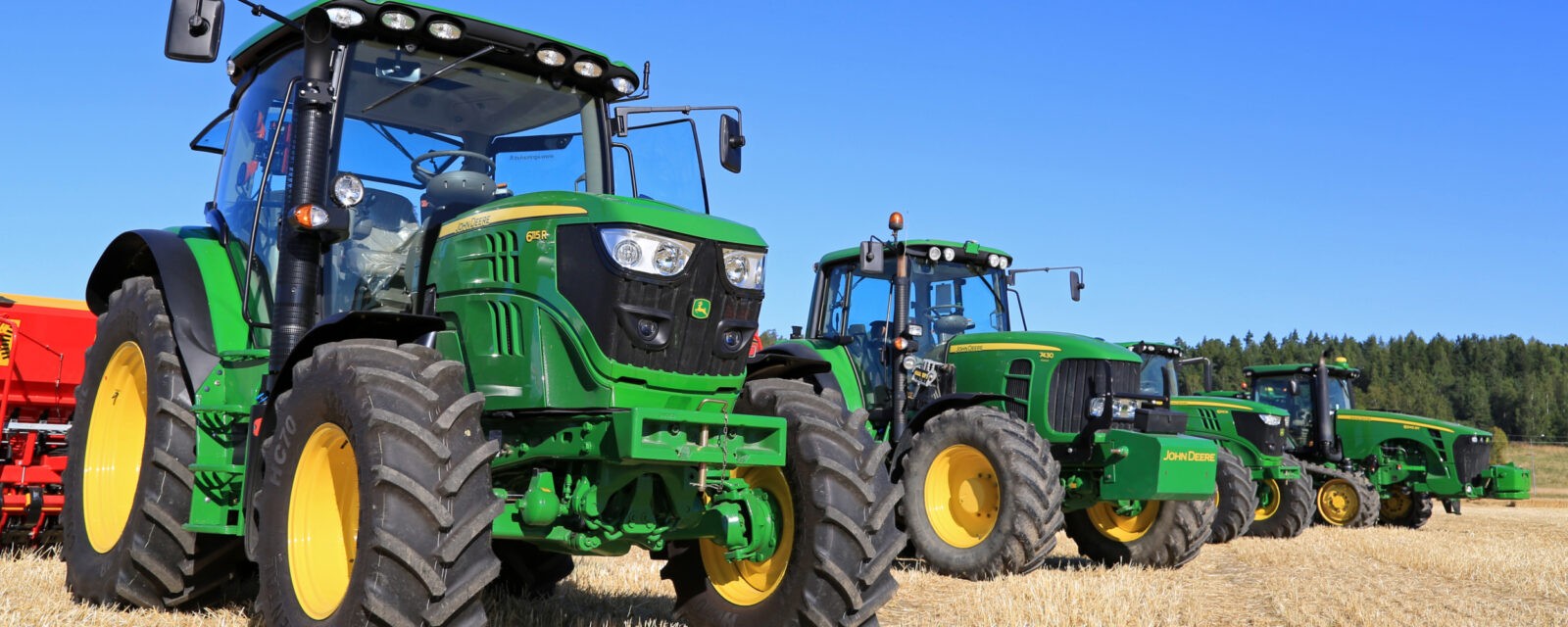
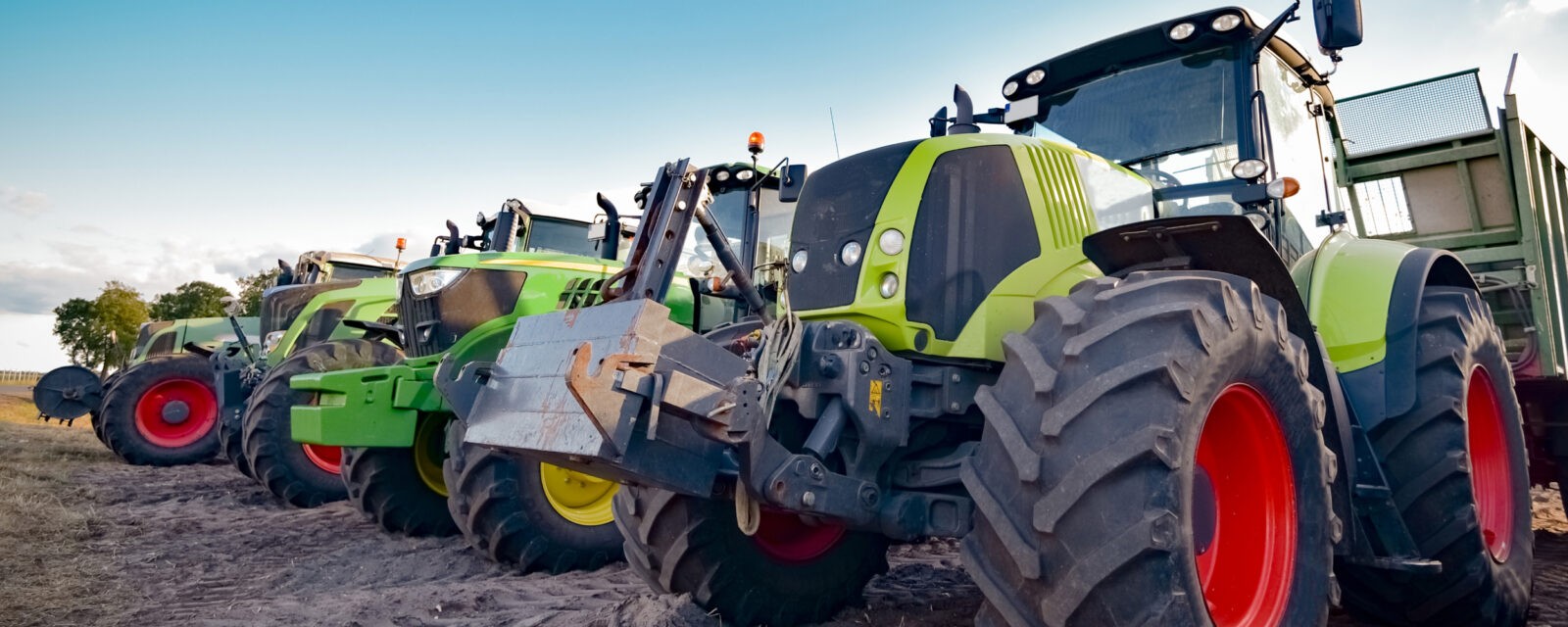
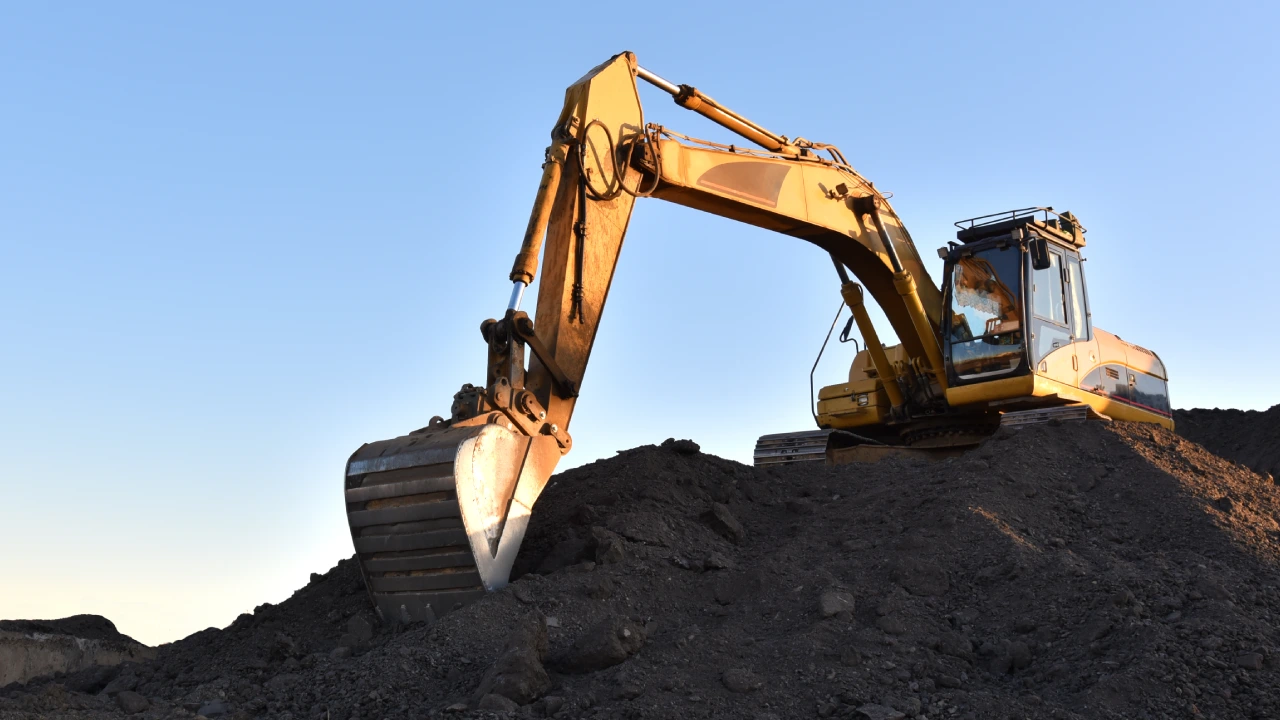
Heavy equipment rarely fits a standard booking. A forwarder has to compare RoRo, Flat Rack and breakbulk options, check permits for oversize trucking and plan loading at the port. Errors in dimensions or documents can lead to rolled bookings or cargo held at the terminal.
Atlantic Project Cargo works as a forwarder for machinery, with heavy equipment shipping from US ports to buyers worldwide. Each unit is measured, weighed and checked against its documents before it is booked.
Freight Forwarder vs NVOCC
A freight forwarder arranges transport as the shipper’s agent and books cargo with carriers. An NVOCC (Non-Vessel Operating Common Carrier) acts as a carrier itself and issues its own Bill of Lading. In the US, both work as ocean transportation intermediaries under the Federal Maritime Commission (FMC).
Many companies work as both, so the role on a given shipment matters more than the label. Check which company appears as the carrier on the Bill of Lading, since that party carries the carrier’s liability.
| Question | Freight Forwarder | NVOCC |
|---|---|---|
| Acts as | Agent of the shipper | Carrier to the shipper |
| Issues | Booking and export documents | Its own house Bill of Lading |
| Owns vessels | No | No |
| Liability | As an agent, under its service terms | As a carrier, under its Bill of Lading |
Common Mistakes When Choosing a Freight Forwarder
- Comparing quotes without checking what each one includes, such as port and destination charges.
- Giving estimated dimensions instead of the measured length, width, height and weight.
- Not asking whether the forwarder has handled out-of-gauge or RoRo cargo before.
- Leaving export documents until the day before the cargo cut-off.
- Not confirming who will clear the machine through customs at destination.
FAQ
Looking for a forwarder for your next machine? Get a shipping quote with routing and document support.