


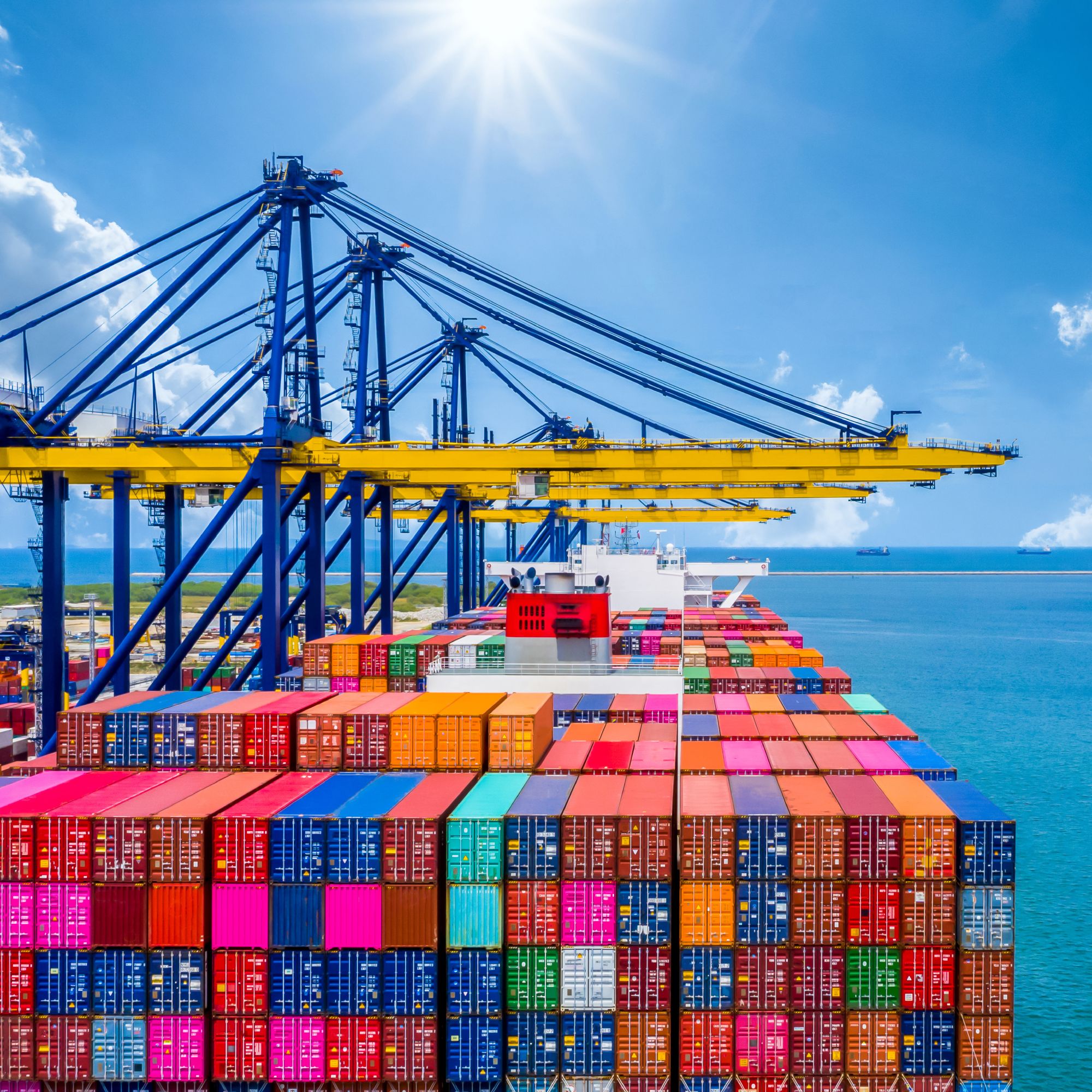
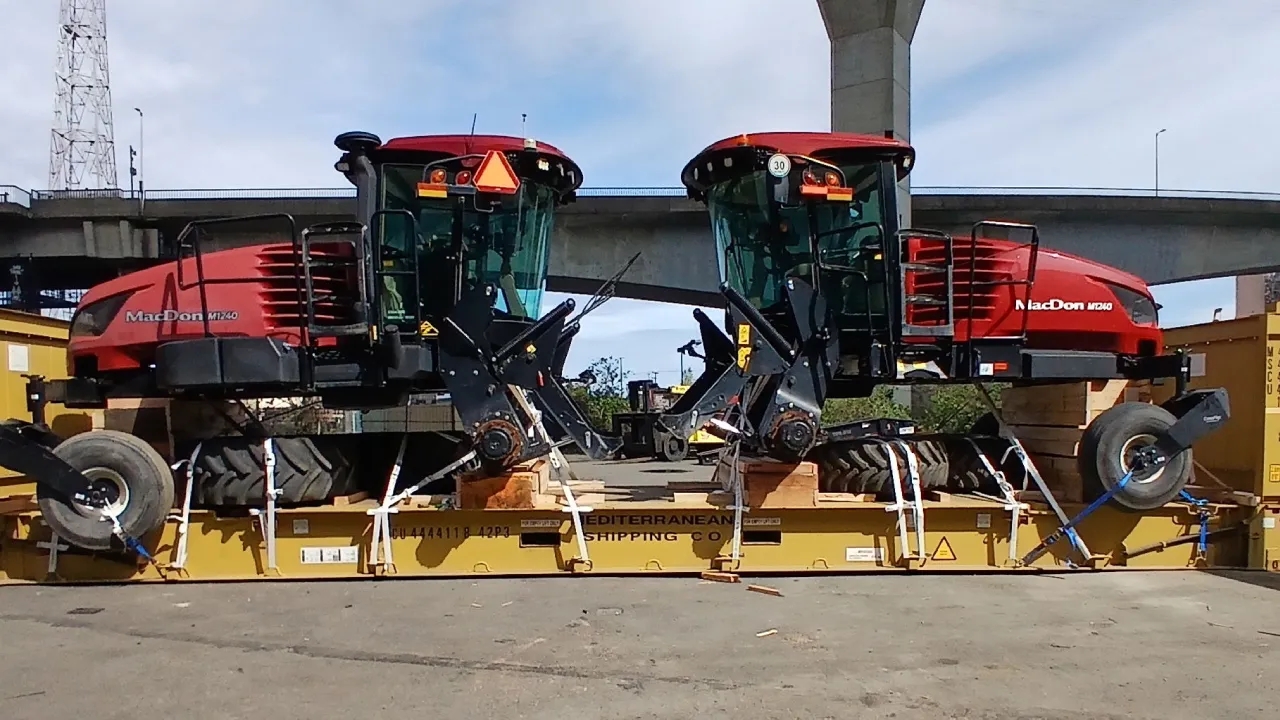
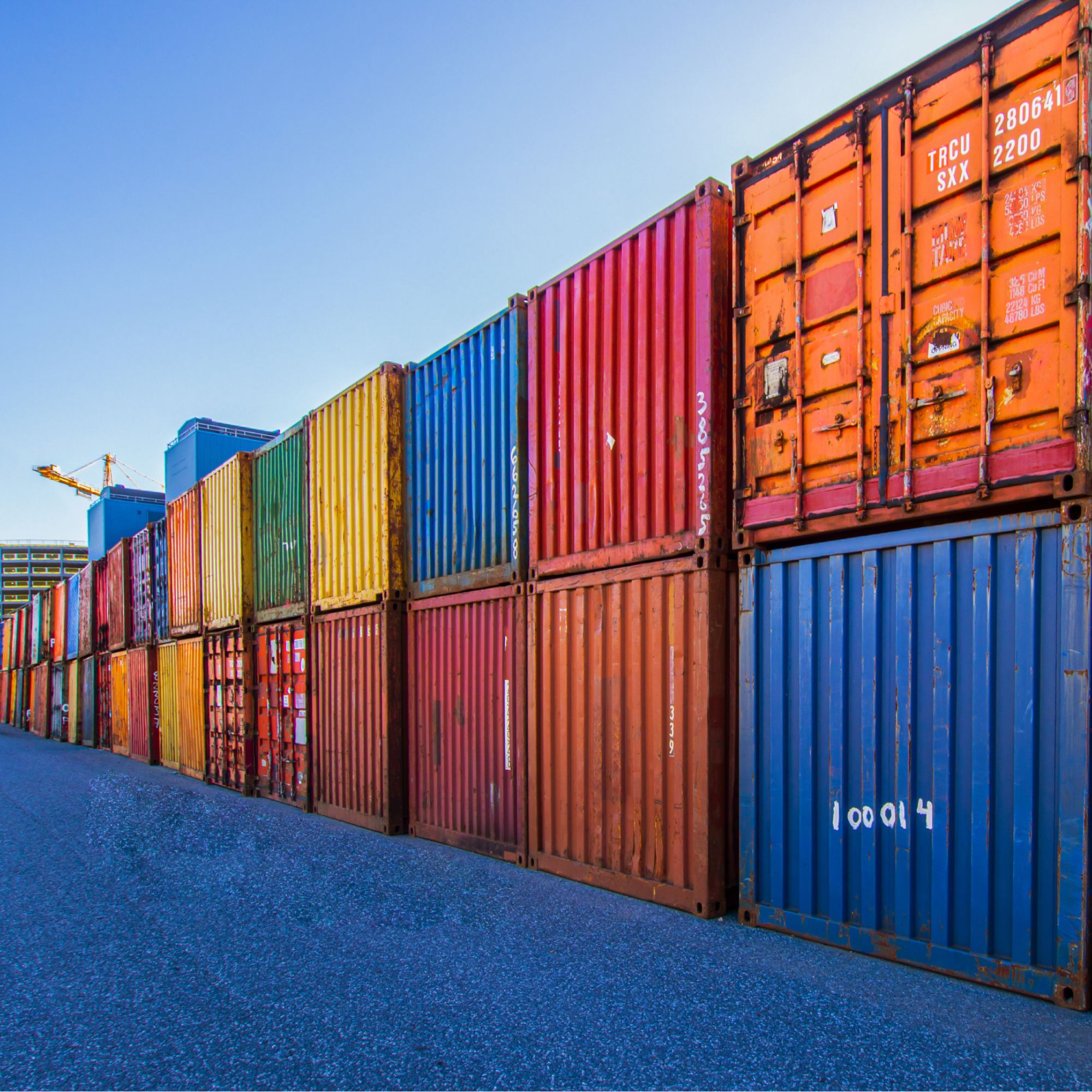
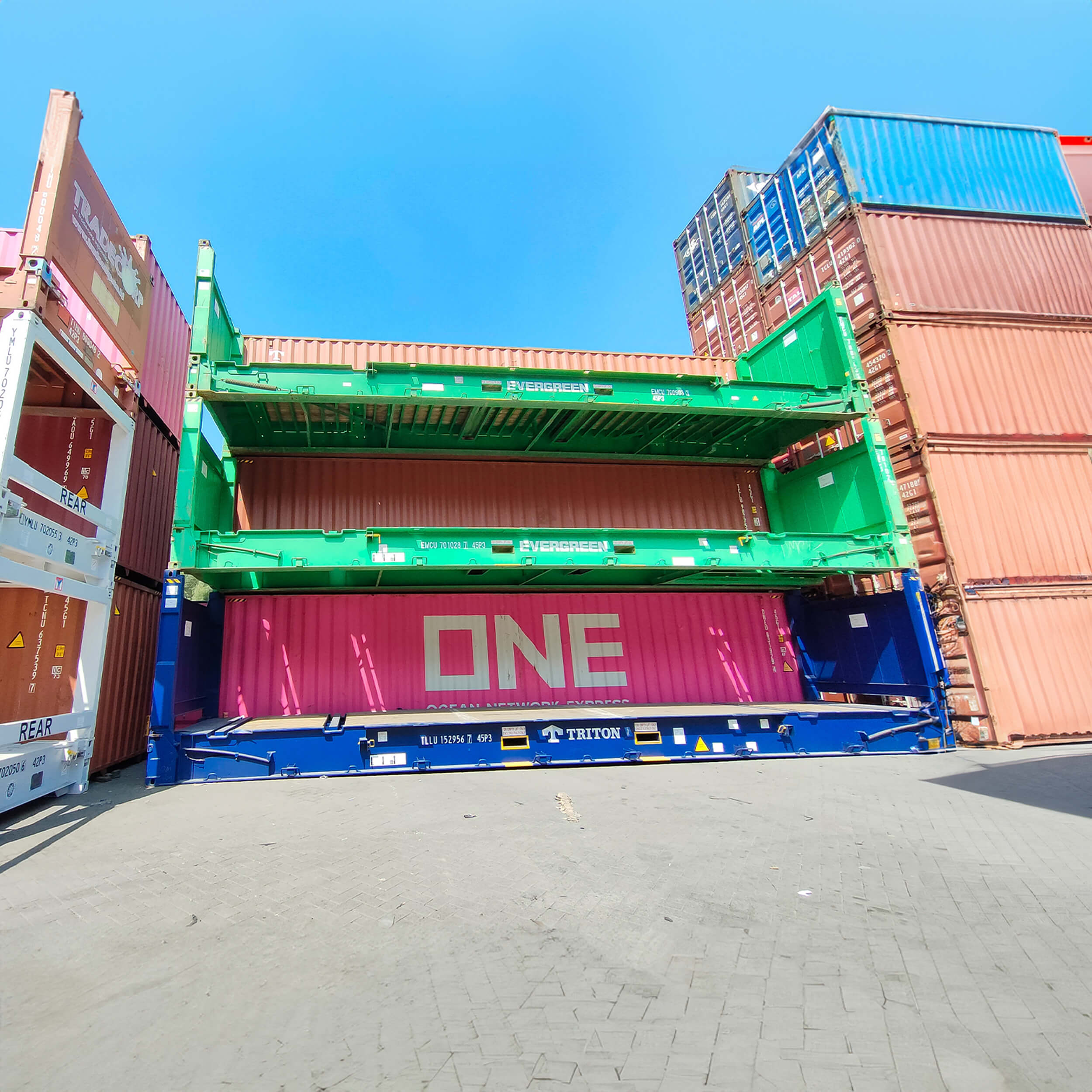
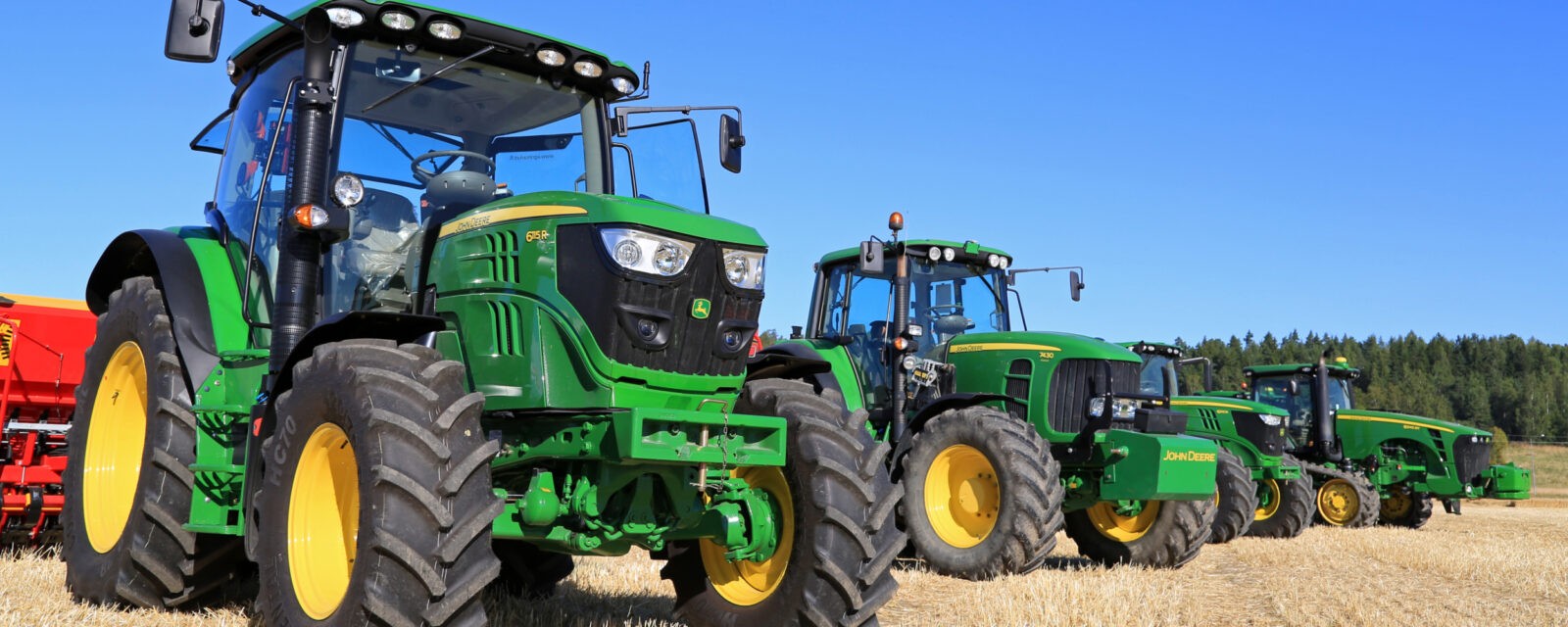
A container is a standardized, reusable steel cargo unit designed for intermodal freight transport across ships, trucks, and rail without unloading its contents. Standardized under ISO specifications, containers typically come in 20-foot and 40-foot lengths, though other specialized sizes and types exist. Variations include dry containers, refrigerated containers (reefers), open-top containers, flat racks, and tank containers. Containers protect cargo from damage, theft, and weather exposure while improving efficiency in handling and transfer between transportation modes. Their uniform dimensions allow seamless stacking on container ships and simplified port operations. Containerization revolutionized global trade by significantly reducing shipping time, labor costs, and cargo handling risks. Each container has a unique identification number used for tracking and documentation. Containers can carry a wide variety of goods, from consumer products to heavy machinery. Their widespread adoption has enabled the growth of global supply chains and facilitated high-volume, cost-effective international commerce.



Atlantic Project Cargo uses cookies to enhance your website experience. By continuing to browse, you agree to our use of cookies. For more information, please visit our Privacy Policy.