Hours of operations:
9AM - 5PM / UTC -5 (EST)

Cargo

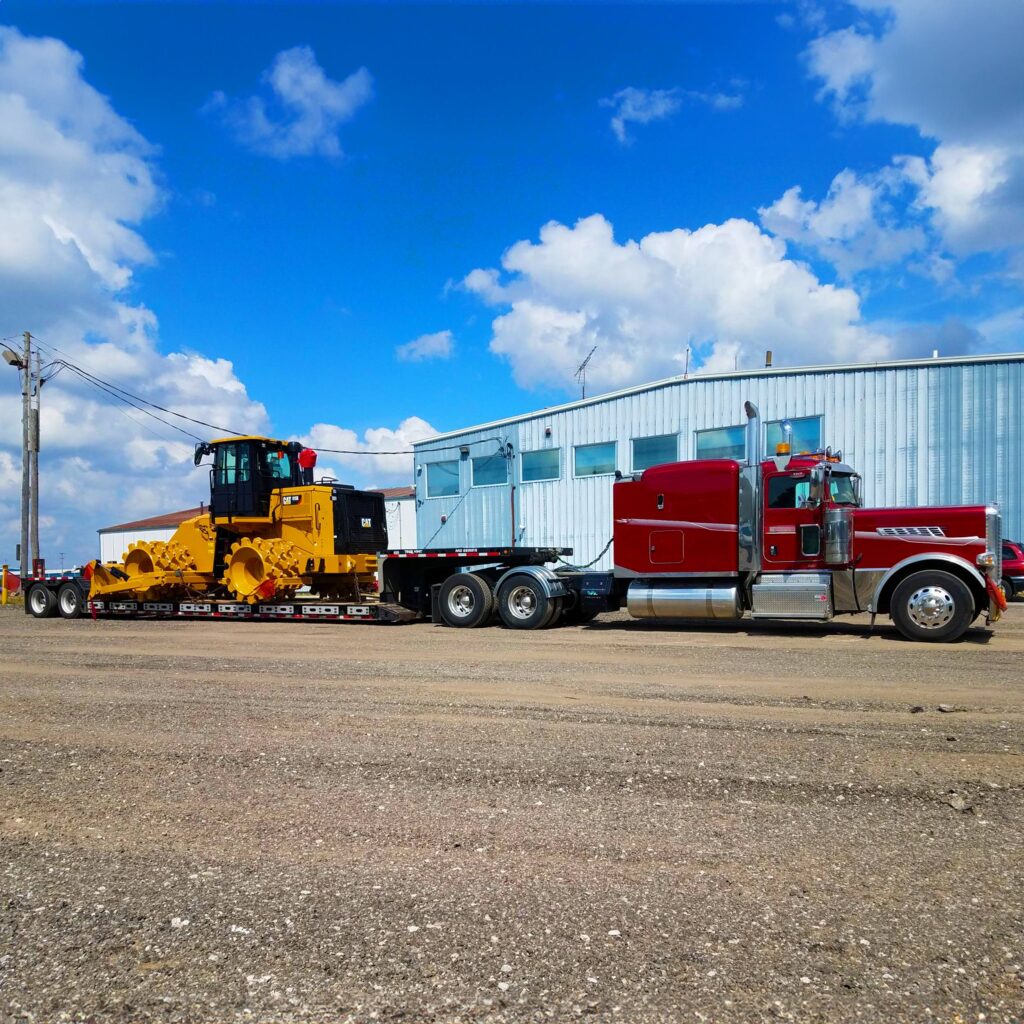
In the simplest terms, cargo is the freight being moved. However, in the world of international logistics, cargo is a broad category that dictates everything from the type of ship used to the insurance premiums you pay. When dealing with heavy machinery, like excavators, mining trucks, or agricultural combines, cargo is rarely “boxes on a boat.” It falls into specialized categories that require distinct handling procedures, pricing structures, and safety protocols.

Types of Machinery Cargo

Understanding how your specific equipment is classified is the first step in getting an accurate shipping quote.


Containerized Cargo

This is equipment that fits inside a standard 20-foot or 40-foot container. This is the most secure and cost-effective method. Smaller skid steers, forklifts, or dismantled machinery parts usually fly under this flag.


RoRo (Roll-on/Roll-off)

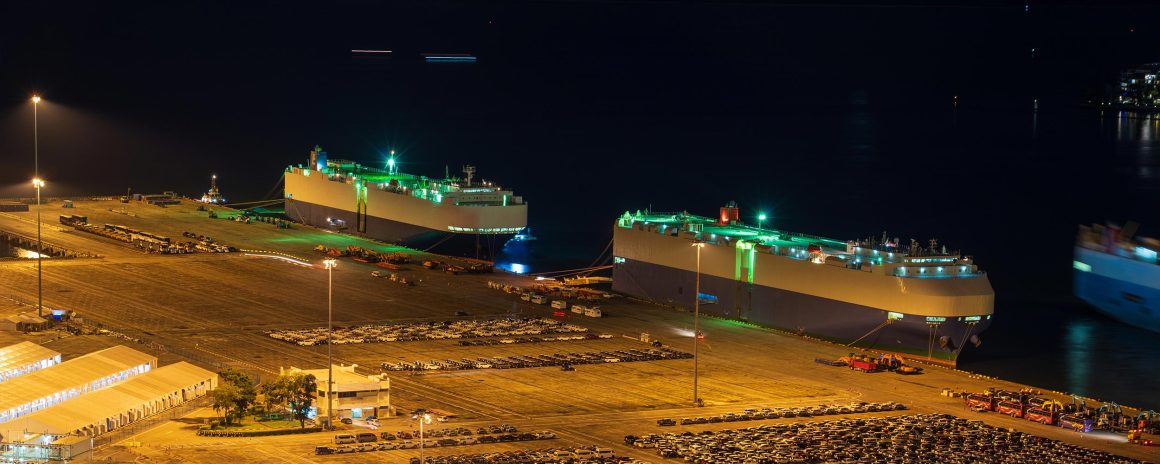
The gold standard for drivable machinery. If your bulldozer or crane moves on its own wheels or tracks, it is driven onto the vessel and parked on a specialized deck, much like a floating parking garage. This “rolling stock” is charged by volume (cubic meters) rather than weight, making it efficient for massive but relatively light vehicles.


Static Cargo

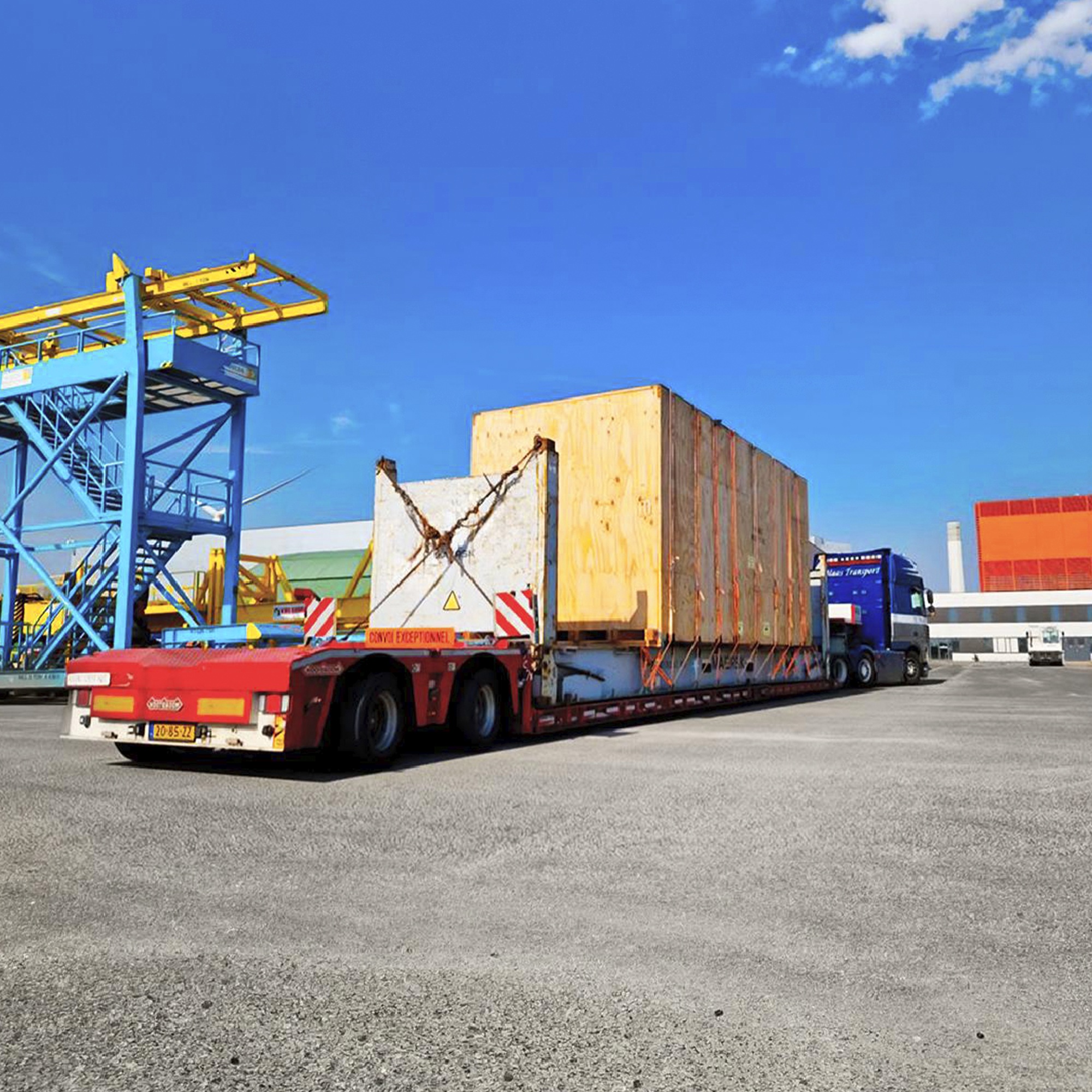
This refers to machinery that cannot move under its own power, like a generator set, a crushing plant, or a machine with broken hydraulics. These must be loaded onto a MAFI trailer (a heavy-duty wheeled platform) and towed onto the vessel. Static cargo almost always incurs extra handling fees for the towing labor and equipment rental.


Breakbulk / Project Cargo

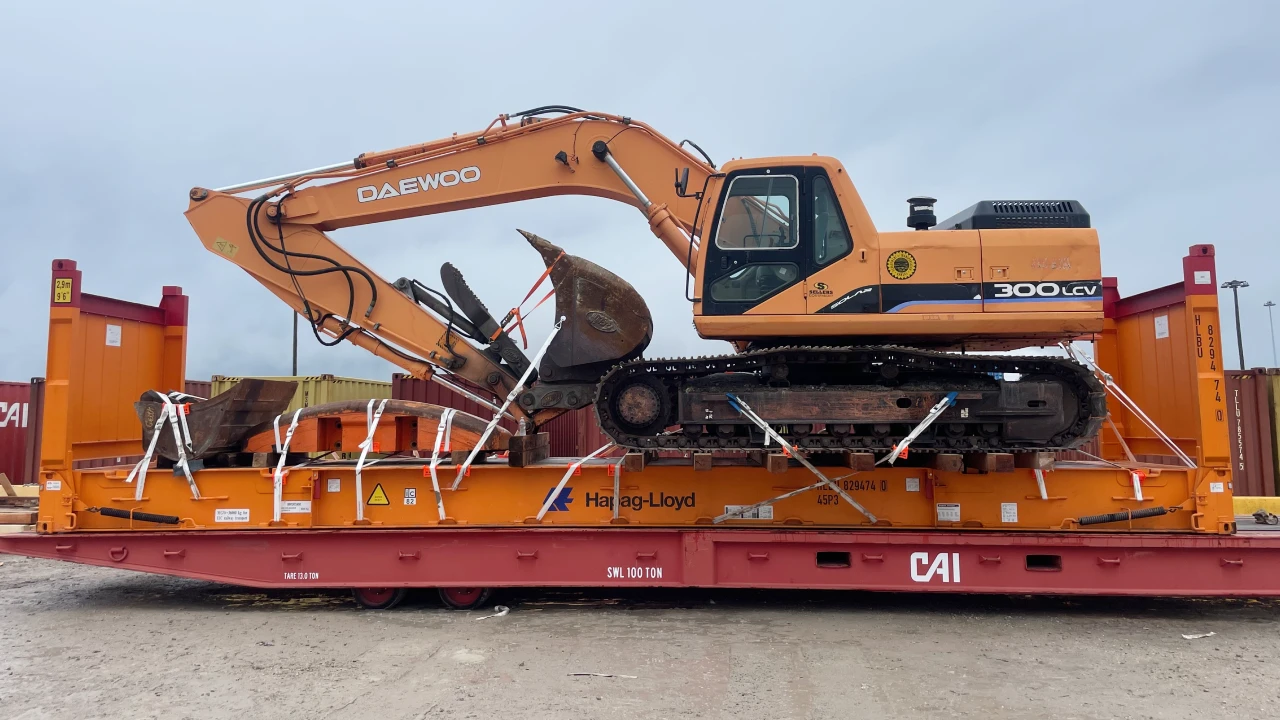
When a piece of equipment is too big for a container and too awkward for RoRo (like a massive wind turbine blade or a factory-sized press), it is lifted directly onto the ship’s deck by cranes. This is complex, high-stakes shipping that requires specialized engineering to secure.


Importance of Cargo Worthiness

Before your machinery reaches the port, it must be cargo-worthy. For used heavy equipment, this is critical. If a machine is leaking oil, has a flat tire, or has loose glass in the cab, the port captain can reject it. Non-running cargo must be declared as such upfront.

If you book a standard RoRo slot for a truck that won’t start, the port will reject it at the gate, and you will face dead freight charges (paying for space you didn’t use) plus the cost of towing it back.


Cargo vs. Freight: Is there a difference?

While often used interchangeably, industry pros usually distinguish them this way:

  • Cargo refers to the goods themselves (the excavators, the parts).
  • Freight often refers to the payment or the service of moving it.

You own the cargo, but you pay the freight. Protecting your asset means understanding Cargo Insurance. Carriers have limited liability (often capped at $500 per shipping unit). If a storm sweeps a $200,000 crane off the deck, standard carrier liability won’t cover a fraction of the loss. Specialized All-Risk cargo insurance is essential for high-value machinery.
Related Services

Atlantic Project Cargo handles door-to-door logistics for heavy and oversized freight worldwide.

Breakbulk Shipping

Breakbulk Shipping

Non-containerized heavy cargo. We coordinate port delivery, heavy lift, and vessel loading.

Learn more
RORO

RORO

Drive-on, drive-off vessel service for wheeled equipment. Cost-effective and fast for self-propelled cargo.

Learn more
Out of Gauge Cargo Shipping

Out of Gauge Cargo Shipping

Oversized and overweight cargo that does not fit a standard container — flat racks, open tops, and breakbulk.

Learn more

Related Guides & Articles

Insights on shipping, Incoterms, and port logistics from our team.

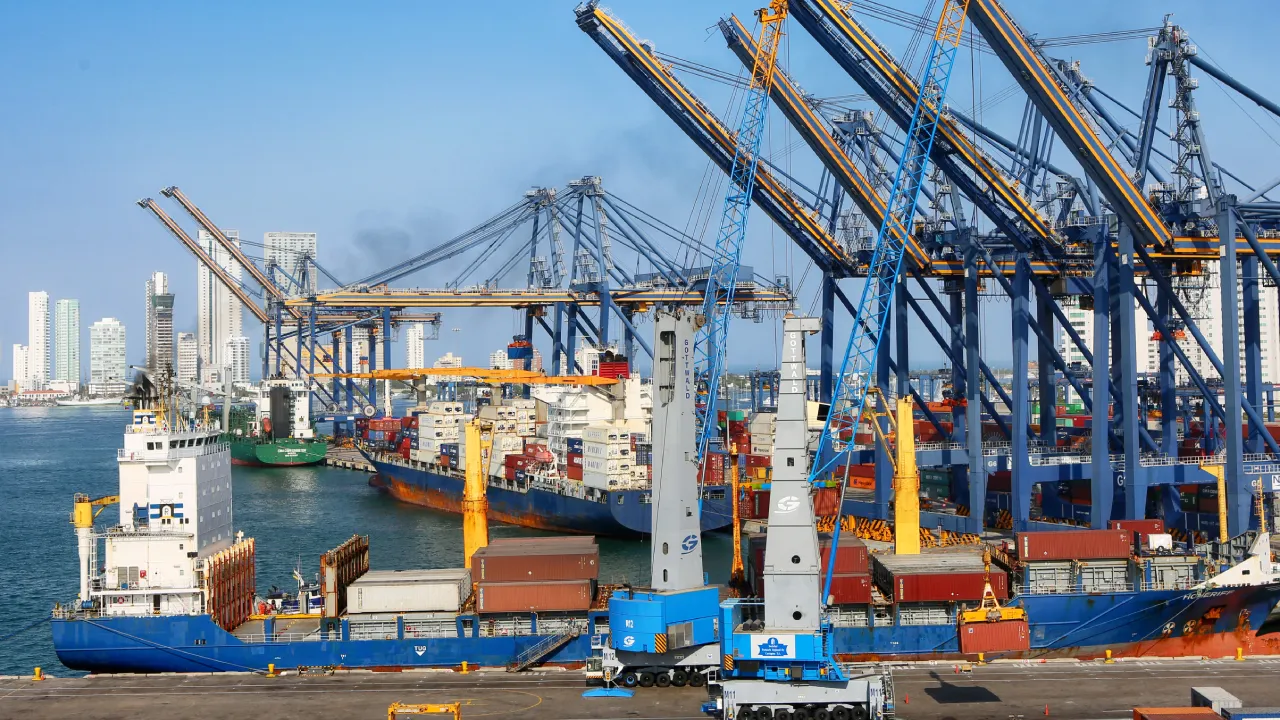
Top Ports in Colombia: Major Shipping Hubs for Heavy Equipment & International Cargo
October 12, 2026

Top Ports in Colombia: Major Shipping Hubs for Heavy Equipment & International Cargo

Colombia’s principal maritime gateways are Cartagena and Buenaventura, backed by Barranquilla and Santa Marta on the Caribbean coast, and by the new Puerto Antioquia on the Gulf of Urabá. What...

Reviewed by Victoria Moseicuka Victoria Moseicuka
Read
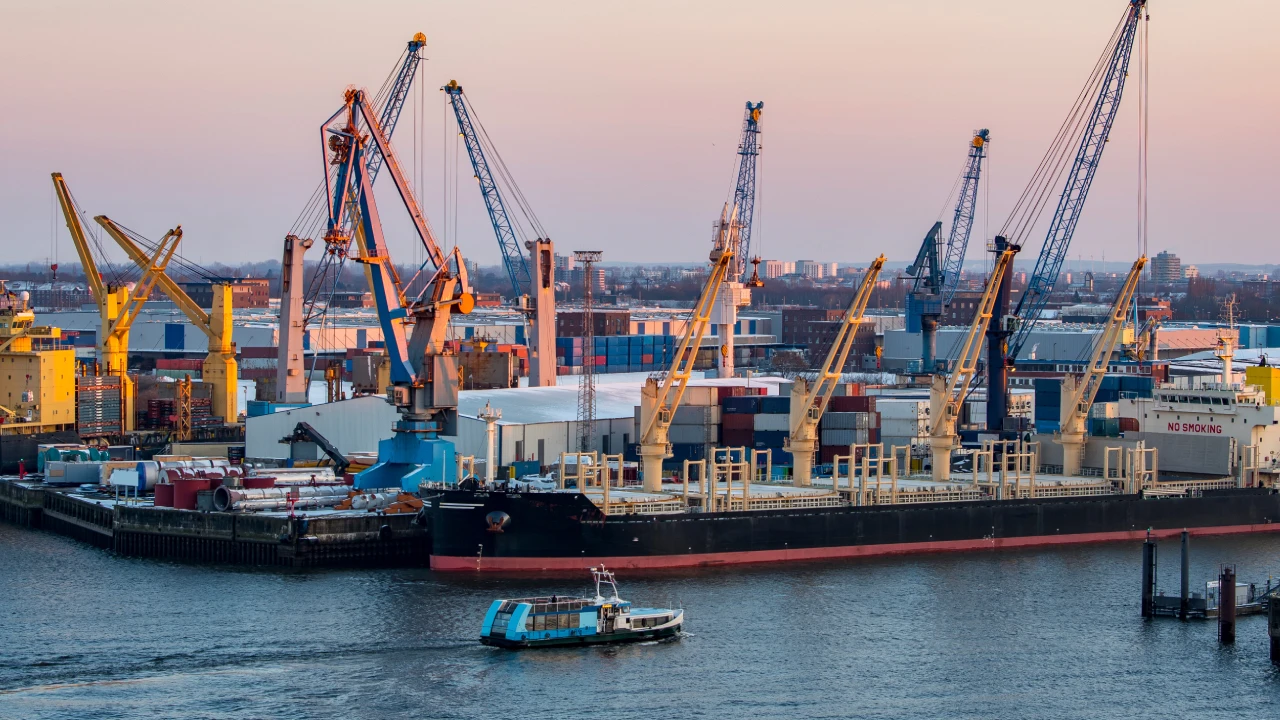
What Is Breakbulk Shipping? Complete Guide for Heavy Equipment, Project Cargo & Oversized Freight
August 31, 2026

What Is Breakbulk Shipping? Complete Guide for Heavy Equipment, Project Cargo & Oversized Freight

Breakbulk shipping is the transport of cargo loaded and unloaded piece by piece rather than in containers. It handles freight too large, too heavy, or too irregularly shaped to fit...

Reviewed by Nick Yadryshnikov Nick Yadryshnikov
Read
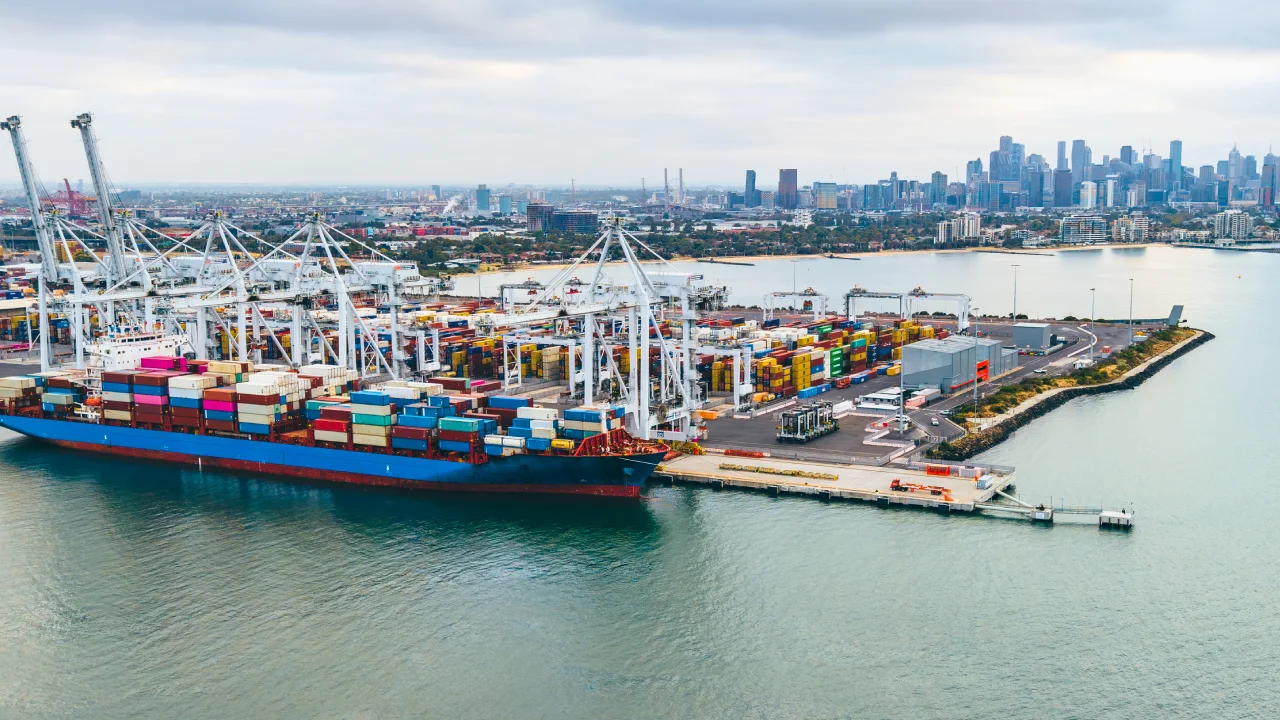
Top 10 Ports in Australia: Best Shipping Hubs for International Cargo & Heavy Equipment
August 28, 2026

Top 10 Ports in Australia: Best Shipping Hubs for International Cargo & Heavy Equipment

The best Australian port for international cargo depends on the shipment type and final destination. Melbourne is Australia’s largest container port, while Brisbane and Fremantle are strong gateways for heavy...

Reviewed by Victoria Moseicuka Victoria Moseicuka
Read
Top 10 Ports in Brazil: Major Shipping Hubs for International Cargo
August 20, 2026

Top 10 Ports in Brazil: Major Shipping Hubs for International Cargo

The top ports in Brazil include Santos, Paranaguá, Rio Grande, Suape, Itajaí, Navegantes, Rio de Janeiro, Vitória, Itaguaí, and Itaqui. These ports support Brazil's international trade through container shipping, agricultural...

Reviewed by Nick Yadryshnikov Nick Yadryshnikov
Read
Oversized Cargo Transportation: How Oversized Freight Is Shipped Internationally
July 9, 2026

Oversized Cargo Transportation: How Oversized Freight Is Shipped Internationally

Shipping heavy machinery across international borders requires intense logistical precision. Standard freight forwarding works well for palletized goods, but when cargo exceeds standard dimensions, logistics become highly complex. Oversized cargo transportation involves...

Reviewed by Victoria Moseicuka Victoria Moseicuka
Read
SOLAS VGM Requirements for Heavy Equipment and Project Cargo: Practical Guide for Shippers
June 23, 2026

SOLAS VGM Requirements for Heavy Equipment and Project Cargo: Practical Guide for Shippers

Shipping heavy equipment across oceans requires strict adherence to international safety regulations. As of 2026, global port authorities have implemented highly automated weighbridge systems, making weight compliance more strictly enforced...

Reviewed by Victoria Moseicuka Victoria Moseicuka
Read
Atlantic Project Cargo Announces Strategic Partnership with Boats Sales NW
June 11, 2026

Atlantic Project Cargo Announces Strategic Partnership with Boats Sales NW

Pacific Northwest yacht brokerage joins forces with project cargo specialist to deliver turnkey yacht transport worldwide.   Atlantic Project Cargo is pleased to announce a strategic partnership with Boats Sales...

Reviewed by Victoria Moseicuka Victoria Moseicuka
Read
What Is Out-of-Gauge Cargo? Understanding the Logistics of Oversized Freight
January 26, 2026

What Is Out-of-Gauge Cargo? Understanding the Logistics of Oversized Freight

In the global supply chain, the majority of goods move seamlessly in six-sided shipping containers. These conventional containers are the industry standard, enabling easy stacking and transport. But the world...

Reviewed by Victoria Moseicuka Victoria Moseicuka
Read
Atlantic Project Cargo and Global Energy Security
June 10, 2024

Atlantic Project Cargo and Global Energy Security

Global energy security and sustainable development are two sides of the same coin, representing the critical pillars of a secure and prosperous future. Global energy security refers to a nation...

Reviewed by Maryana Serafinas Maryana Serafinas
Read
Cargo Fumigation Explained
November 15, 2023

Cargo Fumigation Explained

Cargo fumigation is a crucial process in the logistics and shipping industry, involving the application of chemical products or fumigants to protect goods from pests and contamination during transit. This...

Reviewed by Maryana Serafinas Maryana Serafinas
Read