Project cargo is a shipment of large, heavy or high-value equipment that moves as one coordinated project. It often includes many pieces, several transport modes and fixed delivery dates at a construction or industrial site. Each move is planned around the cargo’s dimensions, weight and route.
Also known as: project logistics, project freight.
How Project Cargo Works
A project starts with the cargo list: every piece with its dimensions, weight, center of gravity and lifting points. The planner then surveys the route from origin to site, including roads, bridges, ports and cranes. The plan sets the vessel type, trailers, permits and loading order.
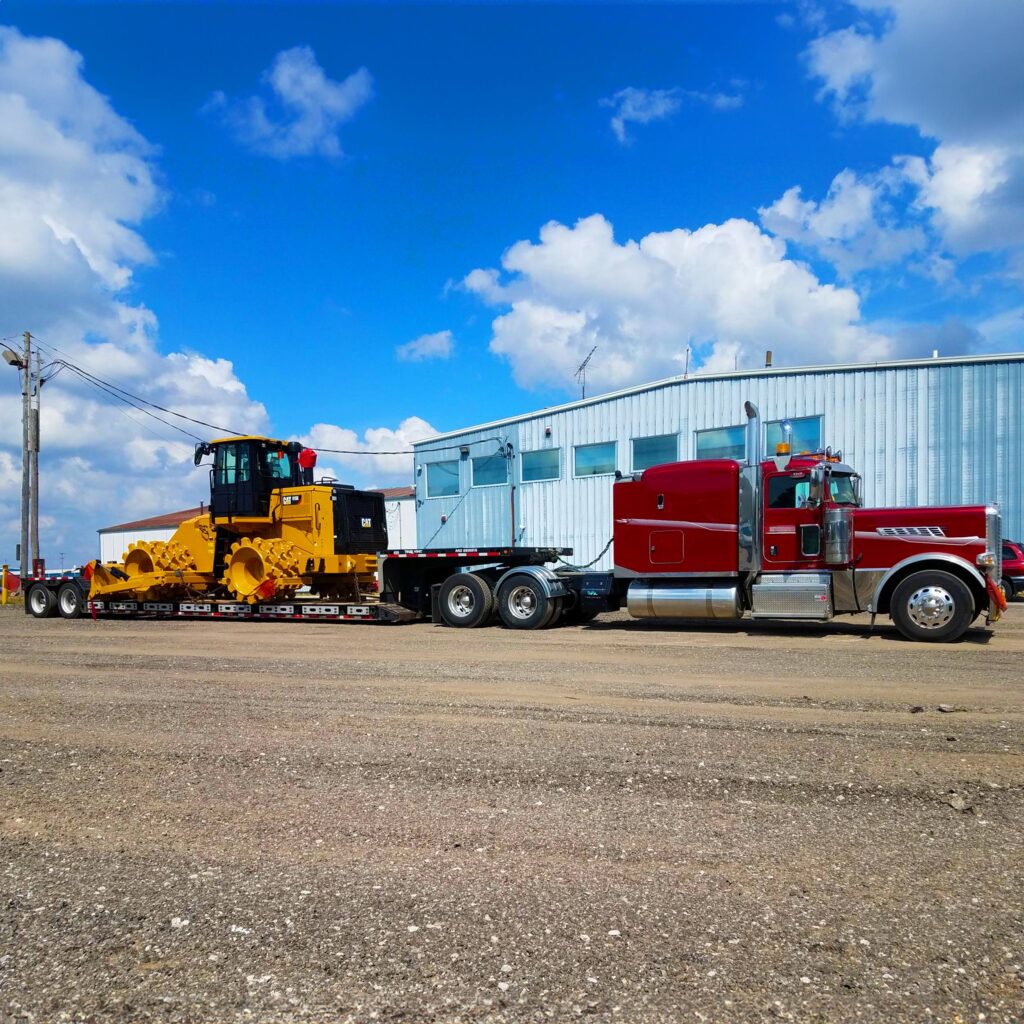
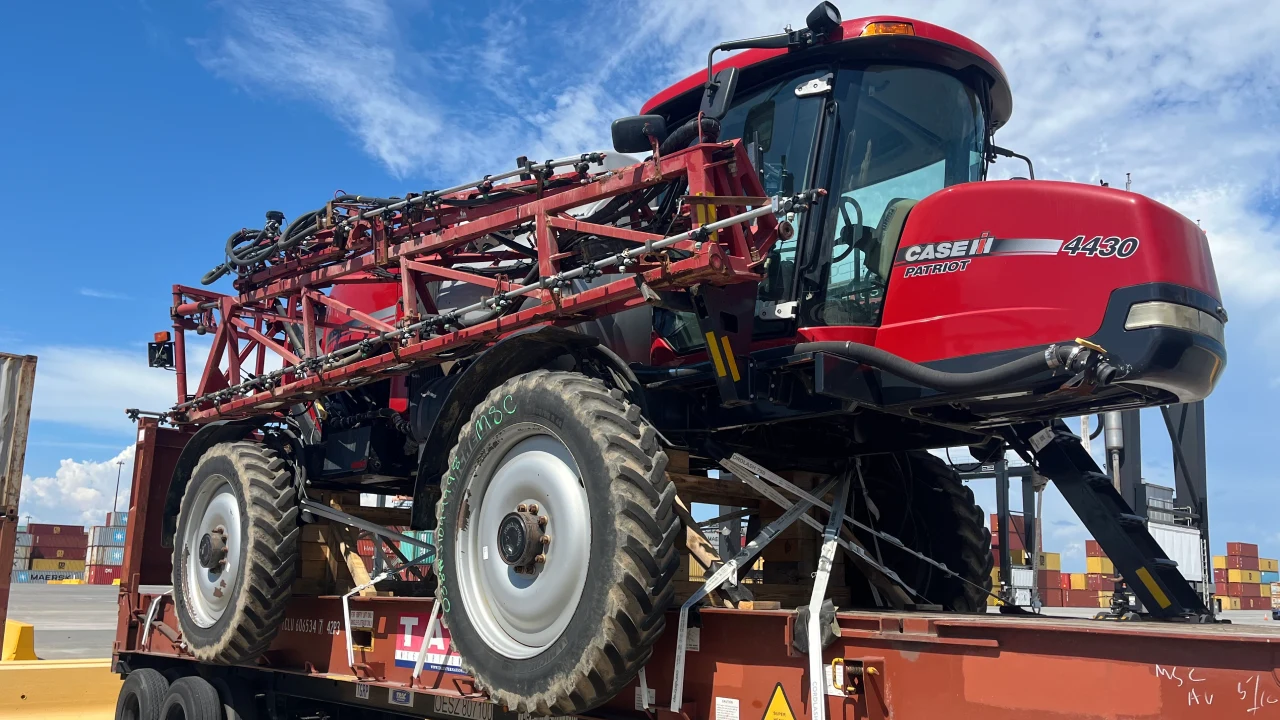
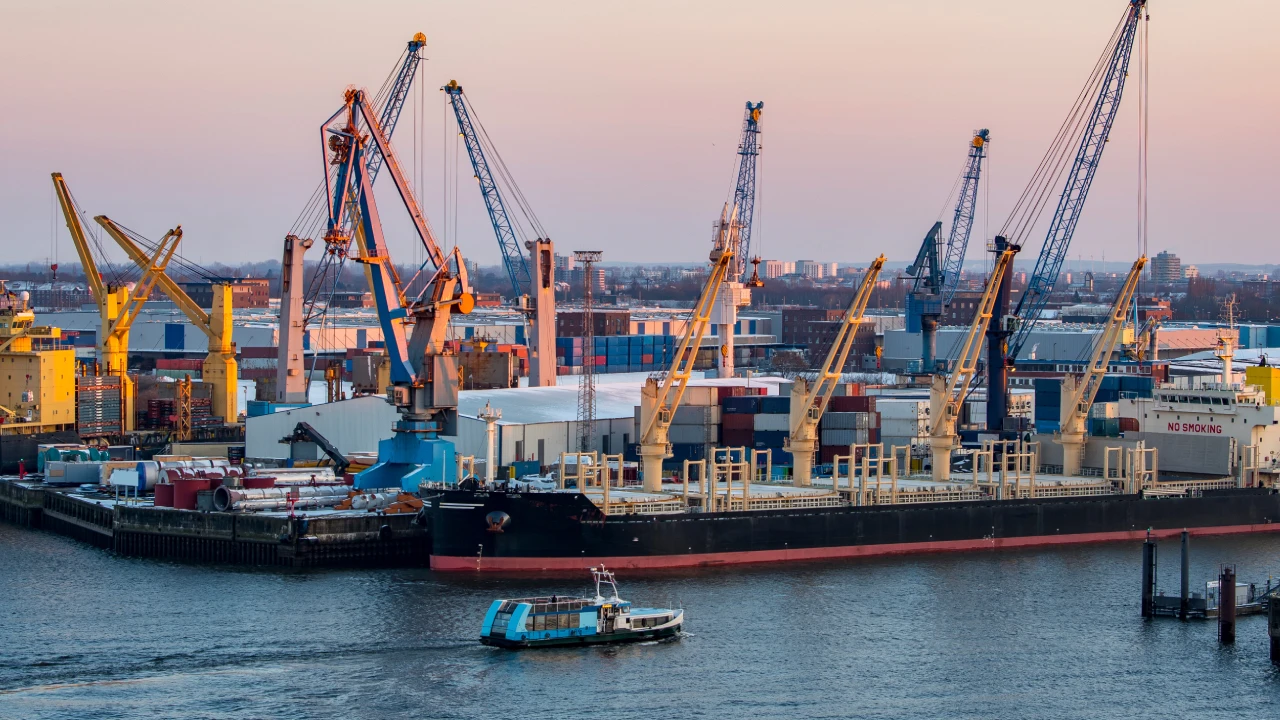
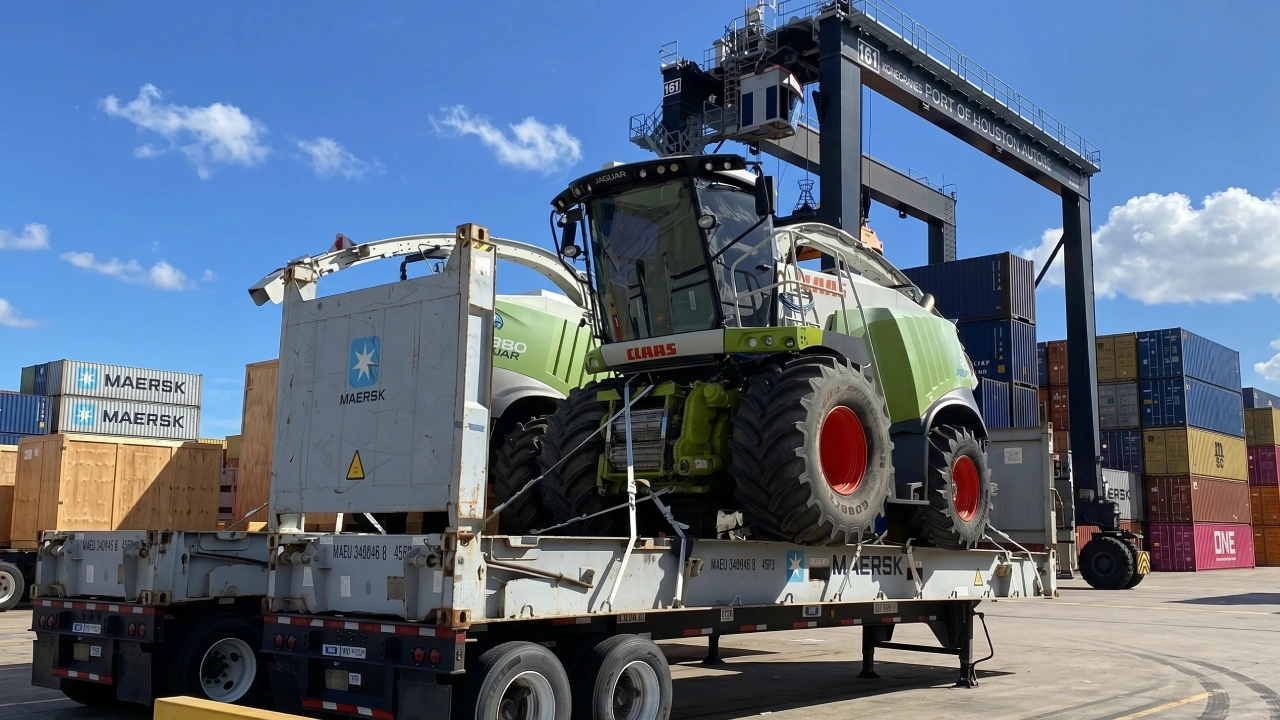
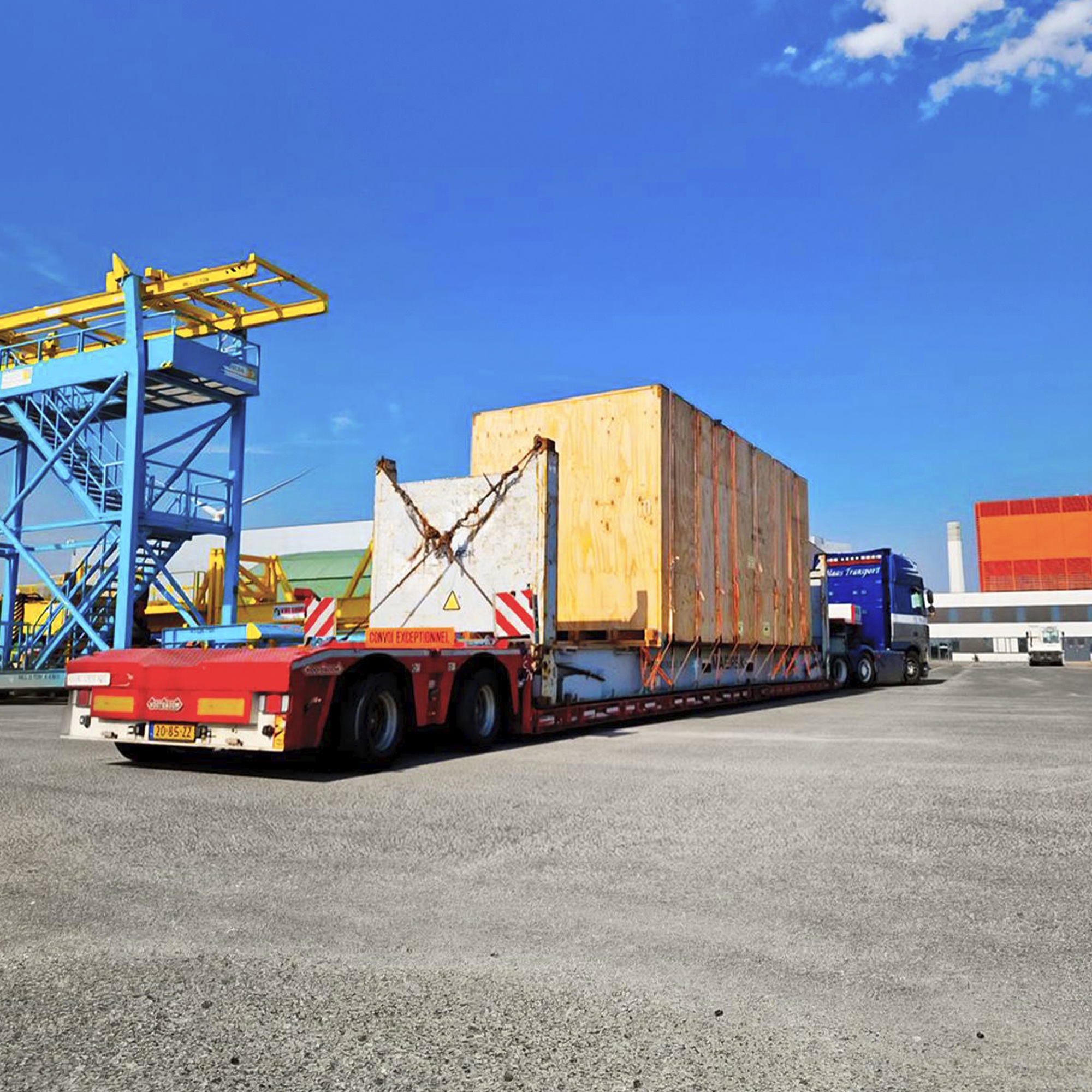
Pieces of one project often move by different methods. Smaller items go in containers, wide units on Flat Racks, and the largest on a heavy lift or breakbulk vessel. Road legs may need oversize permits, escort vehicles and night moves.
For example, a mining fleet shipped from Houston to Melbourne may include haul trucks, a shovel and spare parts. The trucks and the shovel could ship disassembled as breakbulk and the parts in containers, timed to reach the site together.
Why Project Cargo Matters for Heavy Equipment Shipping
One delayed piece can stop a whole installation, so timing matters as much as cost. A single wrong measurement can change the vessel, the permits and the budget. Insurance, lifting plans and site access need to be agreed before the first piece moves.
Customs can also differ by piece, since machines, structures and spare parts may fall under different tariff codes. Every piece needs a matching line on the invoice and packing list.
Atlantic Project Cargo plans these moves through its heavy equipment shipping service and books out-of-gauge equipment for units that do not fit a standard container.
| Planning step | What it covers |
|---|---|
| Cargo list | Dimensions, weights, center of gravity and lifting points for every piece. |
| Route survey | Road clearances, bridge limits, port capacity and site access. |
| Transport mode | Containers, Flat Racks, RoRo, breakbulk or heavy lift vessels. |
| Permits | Oversize road permits and escorts for each country and state on the route. |
| Lifting and securing | Lifting plans, lashing and dunnage at loading and discharge. |
Common Mistakes
- Sending catalog dimensions instead of measured ones for each piece.
- Planning the ocean leg and leaving the road legs and site access for later.
- Shipping pieces separately without a plan for when each must reach the site.
- Leaving the weight of attachments, crates or fluids out of the cargo list.
- Agreeing a delivery date before the vessel and permits are confirmed.
FAQ
Planning a multi-piece equipment move? Request a project cargo quote with your cargo list and delivery site.