An open top container is a shipping container with no fixed roof, closed instead with a removable tarpaulin supported by roof bows. Cargo can be loaded from above by crane, then covered for the voyage. It suits tall or heavy items that cannot go through the end doors.
Also known as: OT container, open-top.
How an Open Top Container Works
An open top container has steel side and end walls like a standard box, but its roof is a tarpaulin on removable bows. Many also have a swing-out door header, which makes loading through the doors easier. Lashing points along the floor and walls hold the cargo in place.
Loading usually starts by removing the bows and lowering the cargo in from above by crane. If the cargo stands taller than the walls, it ships as out-of-gauge with the tarpaulin fitted around it. For example, a small wheel loader shipped from Charleston to Jebel Ali might load from the top this way.
When cargo rises above the walls, the carrier must place the box where nothing is stacked over it. Such overheight bookings need approval before the cargo arrives at the terminal.
Why an Open Top Container Matters for Heavy Equipment Shipping
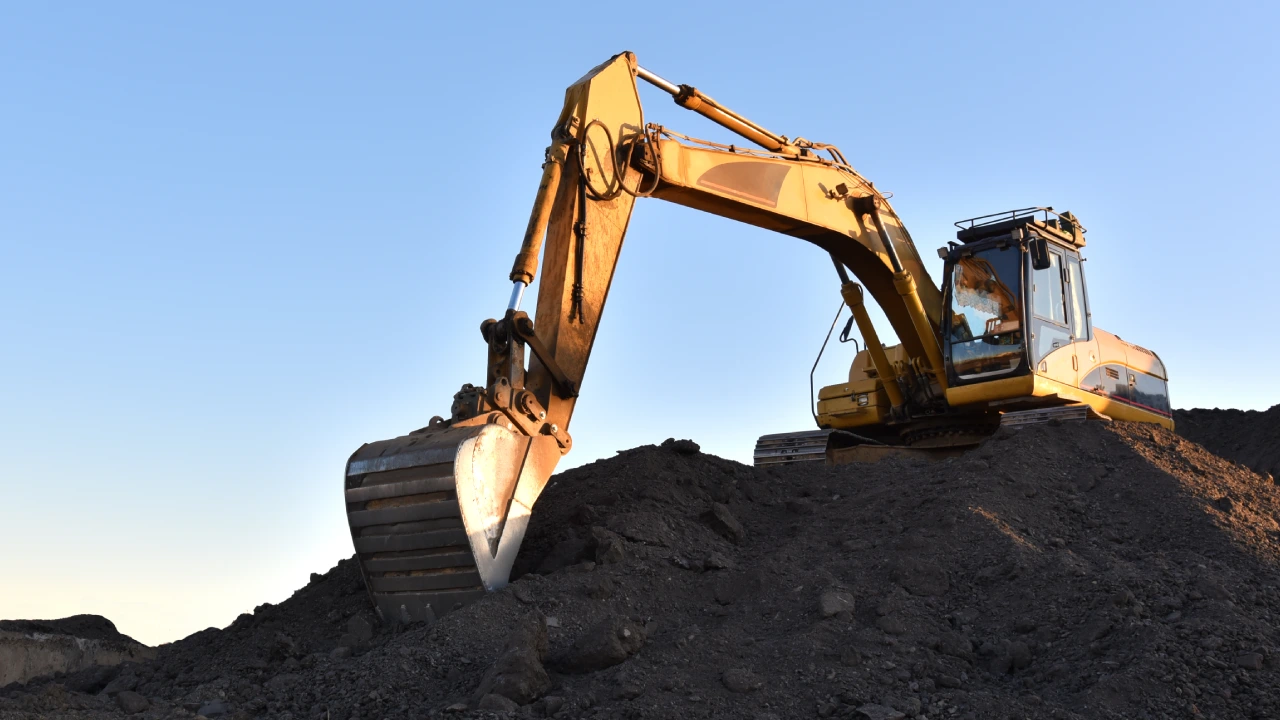
Many machines are narrow enough for a container but too tall for the door opening. An open top lets them load from above, which avoids removing a cab, an exhaust stack or a rollover protective structure (ROPS). Parts and attachments can also be lowered by crane straight into the box.
Atlantic Project Cargo compares open top and Flat Rack options through its out-of-gauge shipping service, based on the machine’s measured dimensions.
| Feature | Open top container |
|---|---|
| Roof | Removable tarpaulin on roof bows. |
| Loading | From above by crane, or through the end doors. |
| Fits | Tall cargo within the container’s length and width. |
| Does not fit | Cargo wider than the container, which needs a Flat Rack. |
| Weather protection | Better than a Flat Rack, less than a closed container. |
Open Top Container vs Flat Rack
An open top keeps its side walls, so it protects cargo better and works for loads that are only too tall. A Flat Rack has no side walls or roof, which makes room for cargo that is too wide as well.
For a machine that fits the container width, an open top is often the more economical and better protected choice. Once the width is exceeded, a Flat Rack or breakbulk is needed.
Common Mistakes
- Measuring the machine but not the height it reaches once placed on the container floor.
- Booking an open top for cargo that is also too wide and needs a Flat Rack.
- Not checking the door header and roof bow positions before planning a crane lift.
- Using a worn tarpaulin, which lets rain reach electronics and hydraulics.
- Forgetting that overheight loads need carrier approval before the cargo reaches the terminal.
FAQ
Not sure if your machine needs an open top or a Flat Rack? Get a quote with its dimensions and we will compare both.