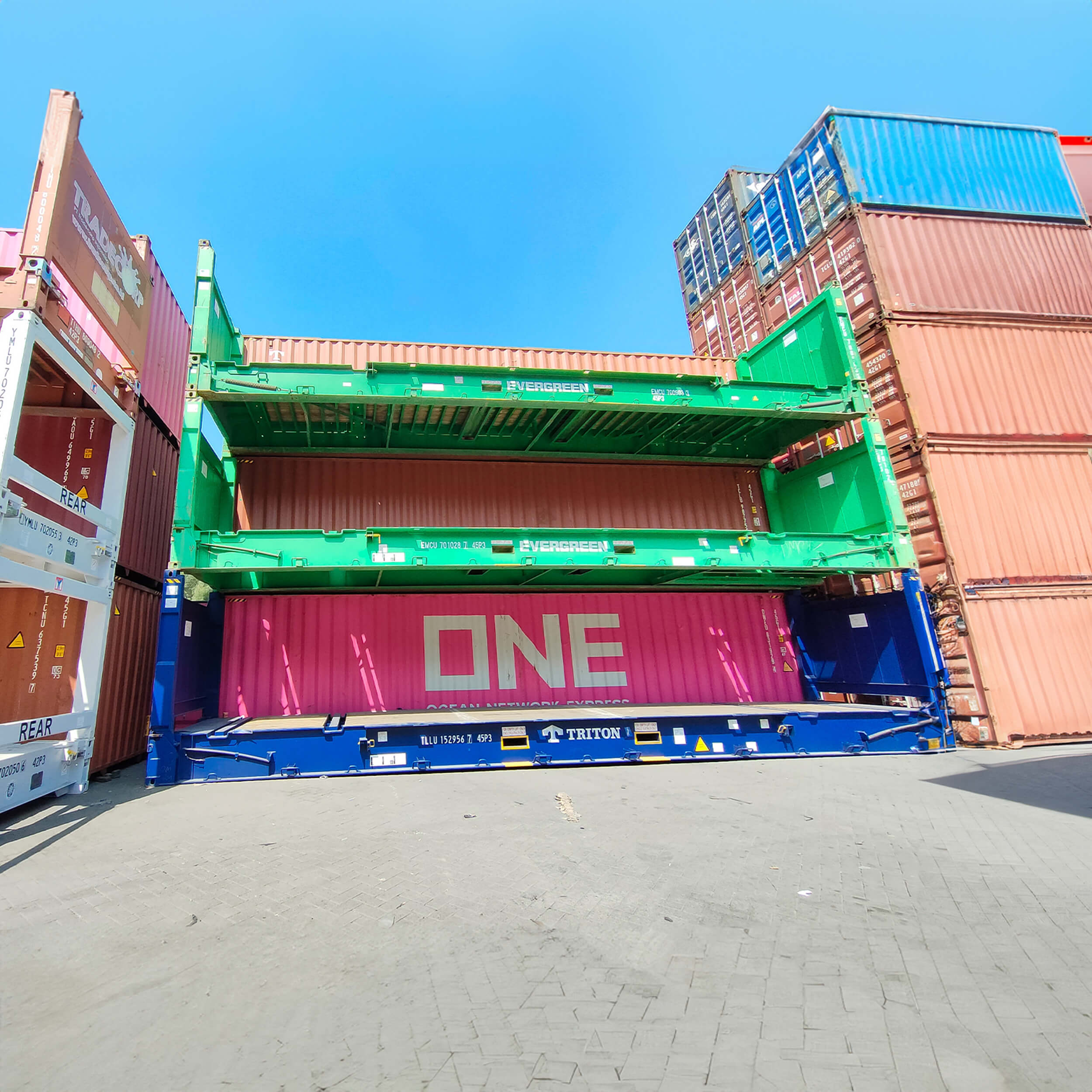
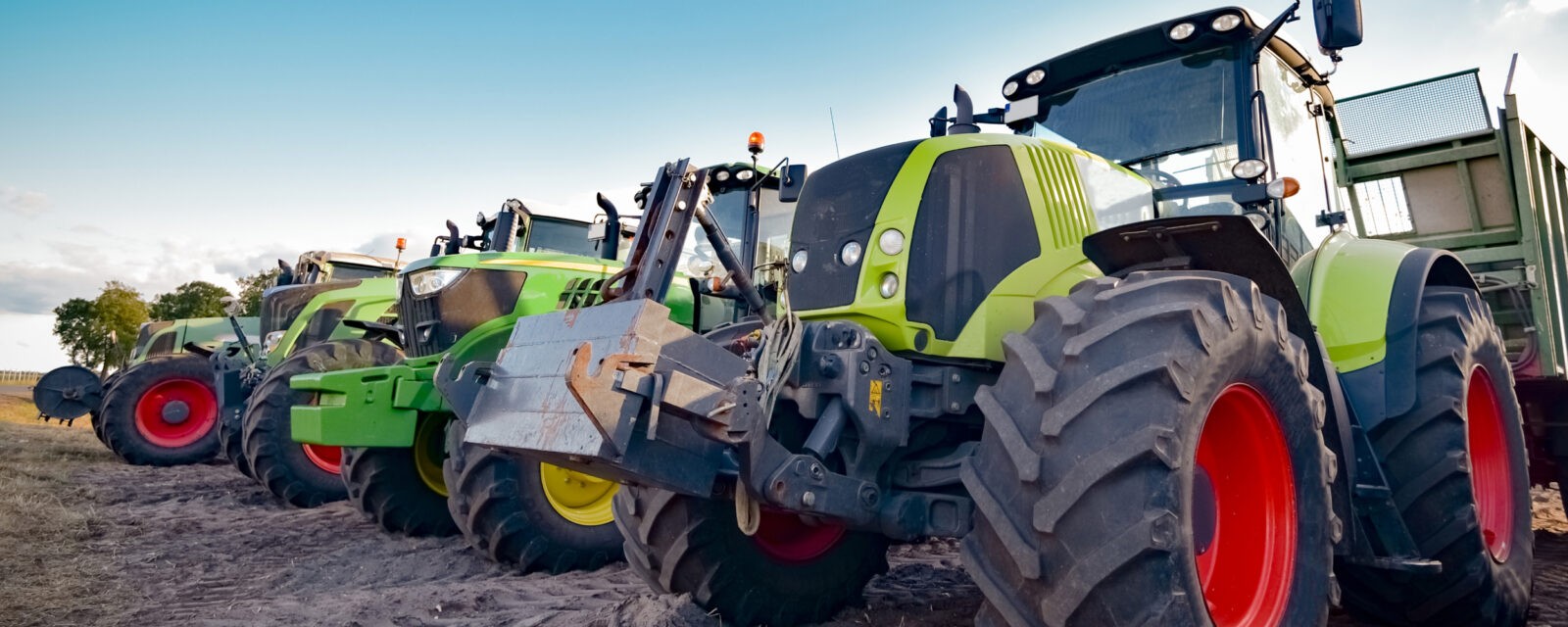
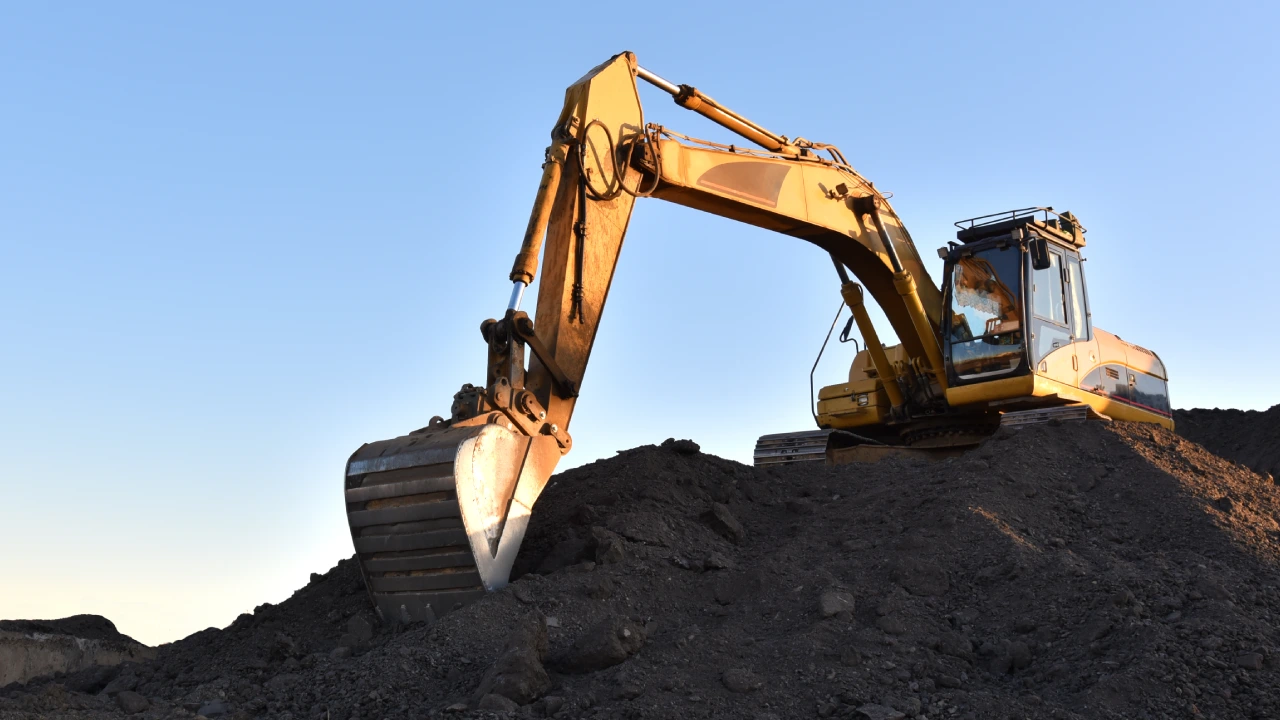
A Flat Rack container is a container with a strong floor and two end walls but no side walls or roof. Cargo can be loaded from the sides or from above by crane. It carries heavy machinery and other loads too wide or too tall for a closed container.
Also known as: flatrack, FR container.
How a Flat Rack Container Works
The end walls of most Flat Racks fold down, so empty units can be stacked and returned in bundles. Fixed-end versions keep their walls up and are often used for the heaviest loads. Lashing rings along the floor edges and corner posts hold chains, straps and wire ropes.
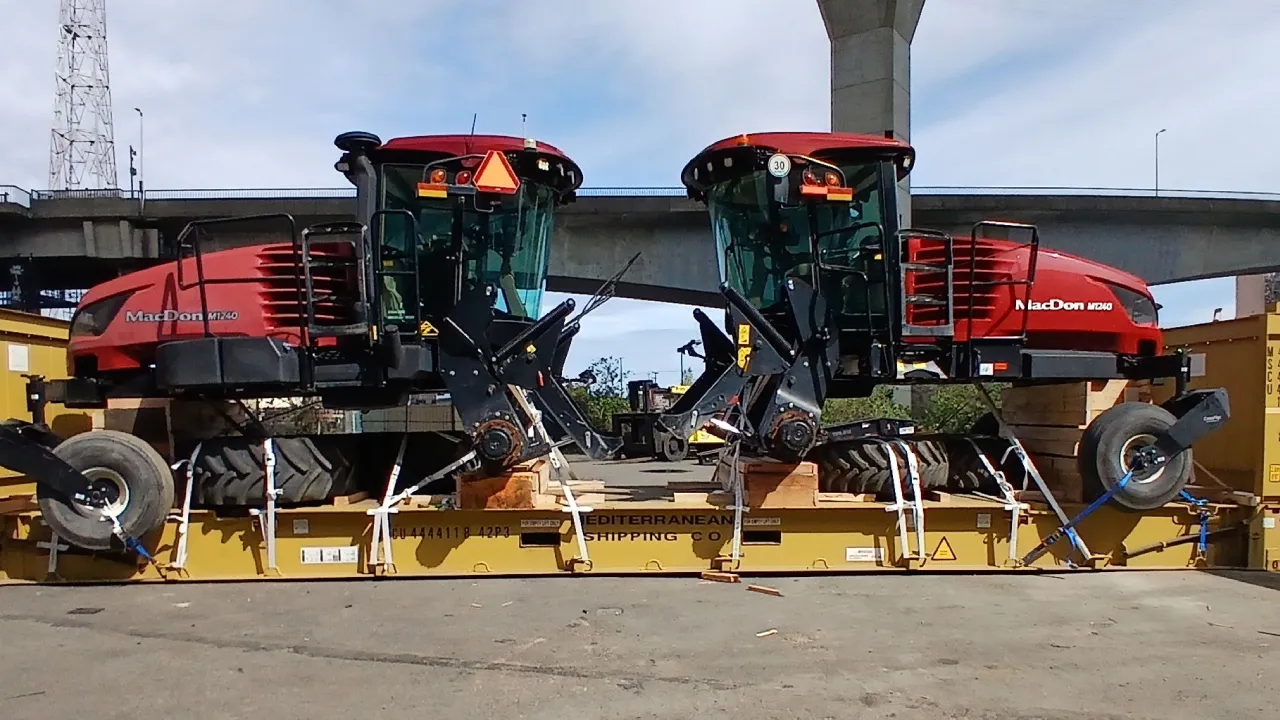
Machinery is lifted onto the rack by crane or, at some terminals, driven on with ramps. The crew then blocks the wheels or tracks with timber and lashes the machine in several directions. For example, a motor grader shipped from Savannah to Santos might travel on a Flat Rack with its blade lowered and chained.
A heavy load must be spread along the floor rather than resting on a few small points. Carriers check the weight distribution and the lashing plan before they accept the booking.
Why a Flat Rack Matters for Heavy Equipment Shipping
A Flat Rack lets a machine that is too wide for any container travel on a regular container ship. That often means more sailings and ports to choose from than with breakbulk or RoRo. The machine still faces sea spray and weather, so exposed parts need protection.
Atlantic Project Cargo books Flat Racks through its out-of-gauge shipping service. When a machine must be partly dismantled to fit, it also arranges equipment disassembly and loading.
| Feature | Flat Rack |
|---|---|
| Structure | Reinforced floor and two end walls, with no sides or roof. |
| End walls | Collapsible on most units, fixed on some heavy-duty ones. |
| Loading | By crane from above or the sides, or by ramp at some terminals. |
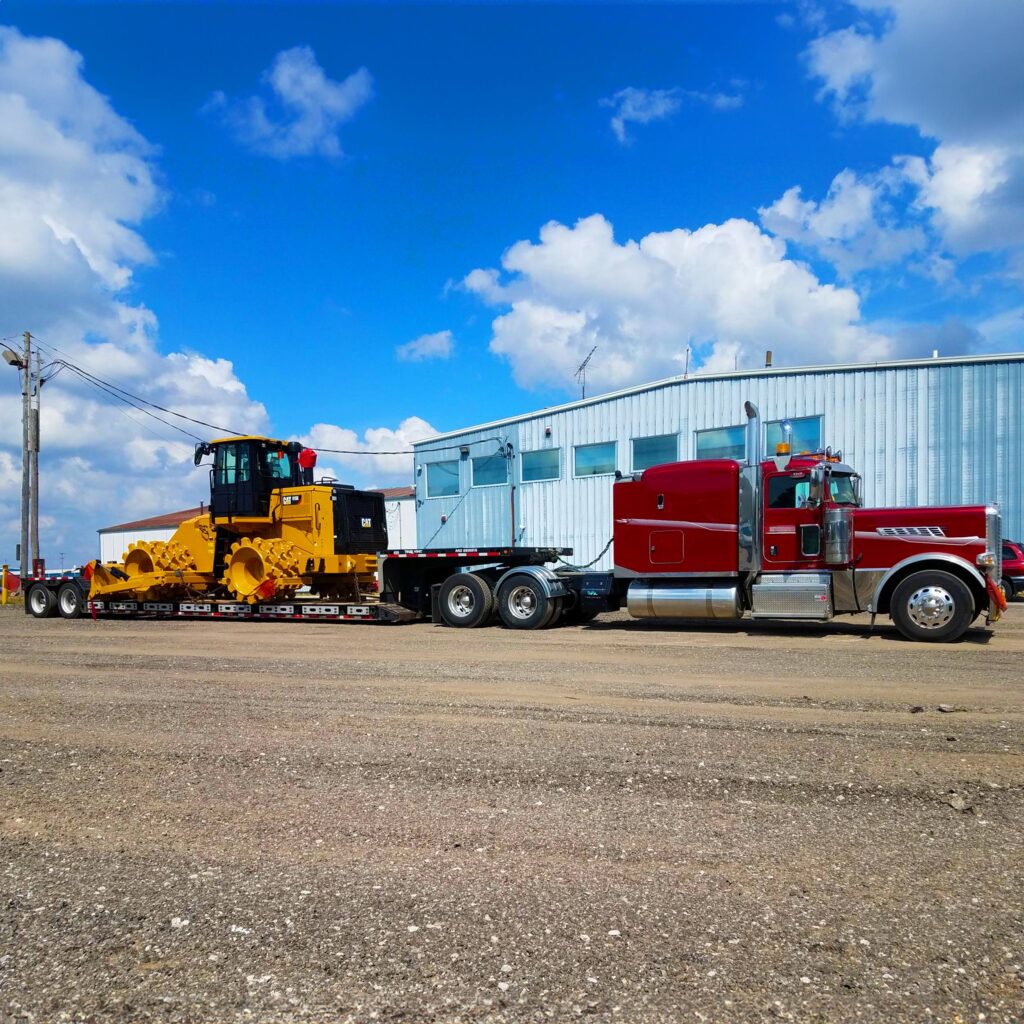
| Typical cargo | Excavators, dozers, graders, combines, boats and steel structures. |
| Protection | None from weather unless the cargo is wrapped or covered. |
Flat Rack vs Open Top Container
The difference is the side walls. With none, a Flat Rack takes machines wider than a container, while an open top only solves a height problem.
An open top gives better protection and usually costs less, so it fits tall machines that stay within the container width. Wider units, or units that are both tall and wide, go on a Flat Rack.
Common Mistakes
- Using catalog dimensions instead of measuring the machine as it will sit on the rack.
- Resting a heavy machine on a few small points instead of spreading the weight with timber.
- Leaving glass, electronics and hydraulic hoses unprotected from salt spray.
- Not removing or securing loose items, such as tool boxes and attachments, before lashing.
- Not checking that the rack’s rated capacity covers the machine’s actual weight.
FAQ
Need to ship a machine on a Flat Rack? Get a quote with its measured dimensions and weight.