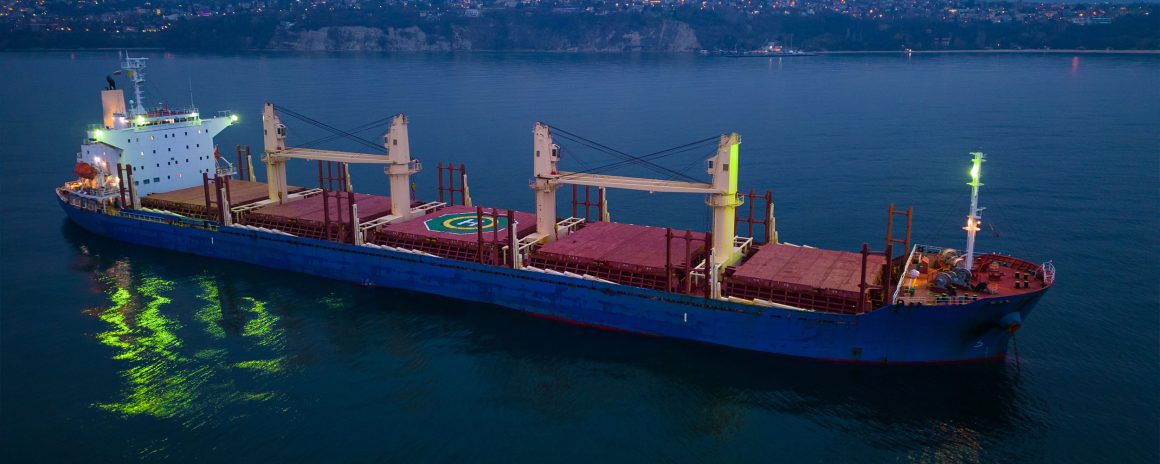
Breakbulk is a shipping method in which cargo is loaded onto a vessel as individual pieces rather than in standard containers. Each unit is lifted by crane or rolled aboard, then stowed and secured in the hold or on deck. It suits machinery, steel structures and other large or heavy items.
Also known as: break bulk, breakbulk cargo.
How Breakbulk Cargo Is Handled
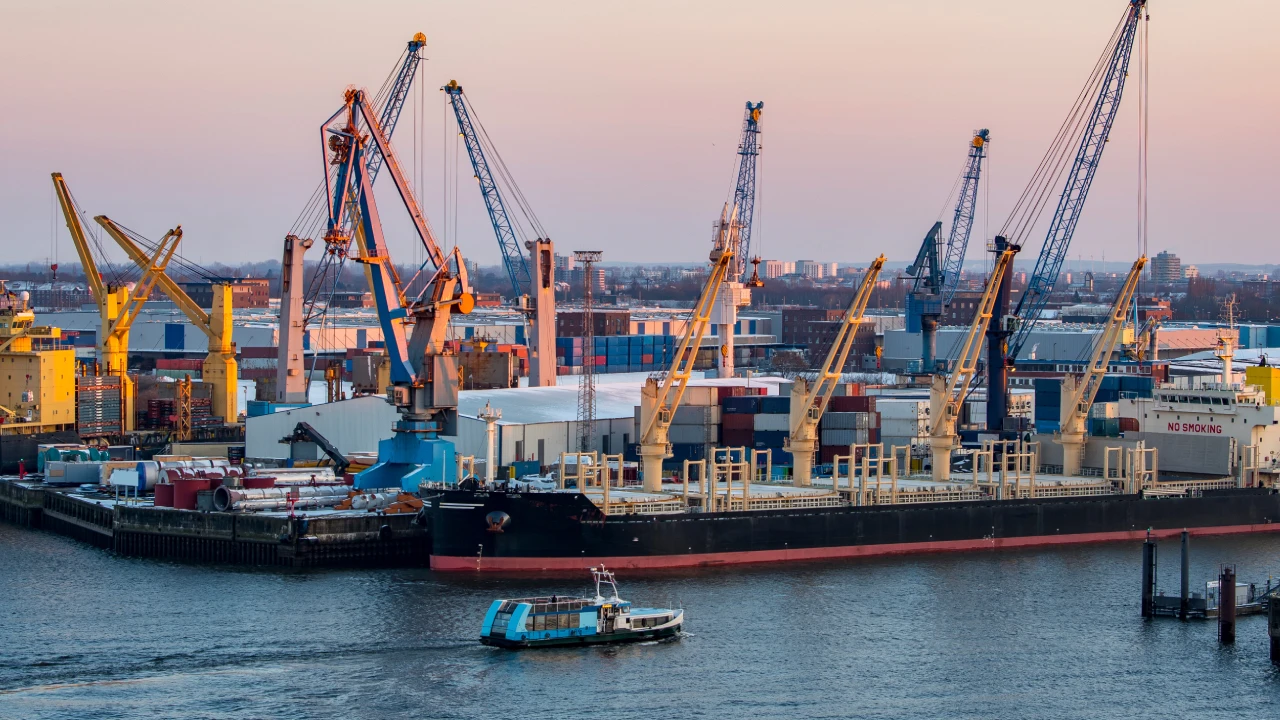
The cargo is delivered to the port terminal, where each piece is measured, weighed and marked. Stevedores lift it aboard with ship or shore cranes, using slings and spreader bars attached to the unit’s lifting points. Inside the hold or on deck, crews secure it with lashings, chocks and timber dunnage.
Breakbulk usually moves on multipurpose or heavy lift vessels with their own cranes, so they can call at ports without large container cranes. For example, a mining haul truck shipped from Houston to Melbourne may travel as breakbulk. It is too large and heavy for a Flat Rack.
Some RoRo carriers also accept breakbulk, loading units that cannot drive on board onto roll trailers. For vessel types, costs and planning steps, see the breakbulk shipping guide.
Why Breakbulk Matters for Heavy Equipment Shipping
Breakbulk is often the only practical option for the largest machines, such as big crawler cranes, mining shovels or industrial presses. It also fits when a unit is too heavy for a Flat Rack. The trade-off is more handling at both ports, which calls for careful lifting plans and good protection.
Atlantic Project Cargo plans these moves through its breakbulk shipping service and compares them with out-of-gauge container options when a Flat Rack could work.
| Aspect | Breakbulk |
|---|---|
| Vessel | Multipurpose, heavy lift or general cargo ships, often with their own cranes. |
| Loading | Piece by piece, by crane or on roll trailers. |
| Typical cargo | Machinery, steel, project cargo, boats and large vehicles. |
| Ports | Terminals with breakbulk berths and enough lifting capacity. |
| Main risk | Handling damage, reduced with lifting plans, lashing and dunnage. |
Breakbulk vs Out-of-Gauge Cargo
Breakbulk is a way of shipping, while out-of-gauge describes cargo that does not fit a standard container. An out-of-gauge machine can still move in container equipment, for example on a Flat Rack aboard a container ship.
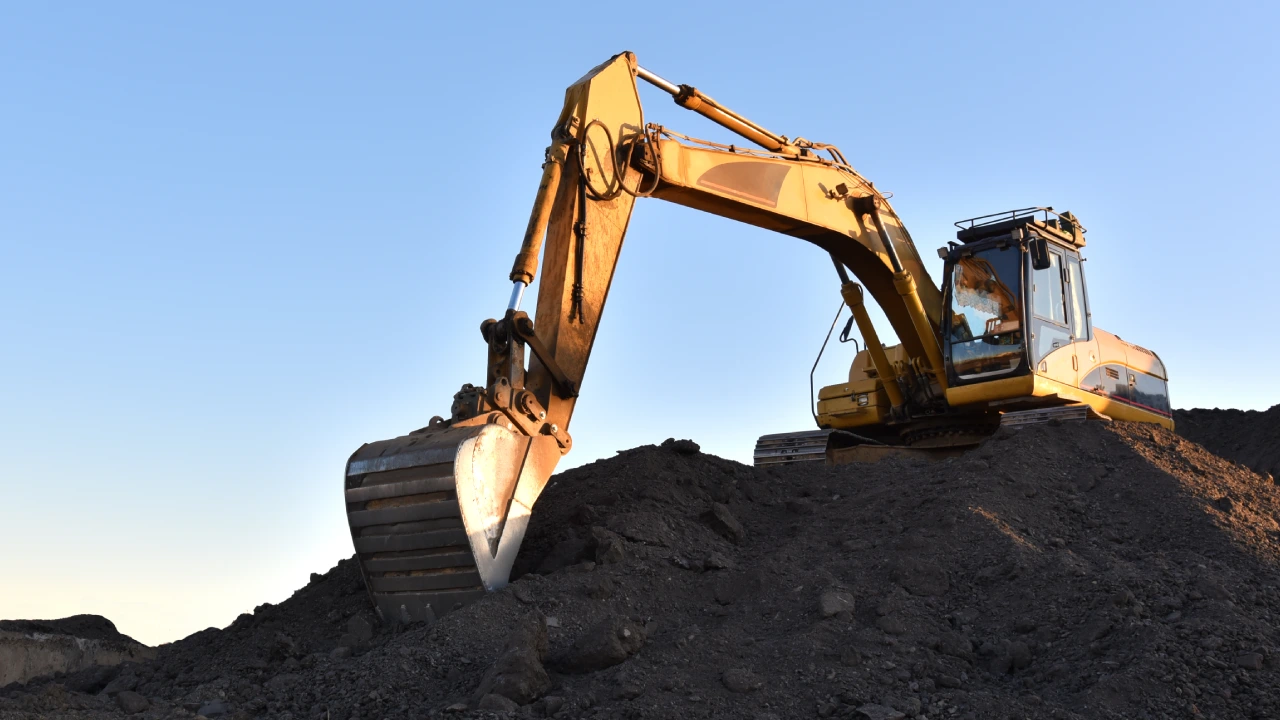
Breakbulk becomes the better fit when a unit is too heavy or too large for a Flat Rack. It also suits routes without regular container service. For a combine or a mid-size excavator, a Flat Rack or RoRo is often simpler.
Common Mistakes
- Not sharing the weight, center of gravity and lifting points before the lift is planned.
- Leaving fuel, batteries or loose parts in the machine without telling the carrier.
- Skipping protective wrapping for exposed parts such as cabs, hydraulics and electronics.
- Assuming every port can handle the lift without checking terminal and crane capacity.
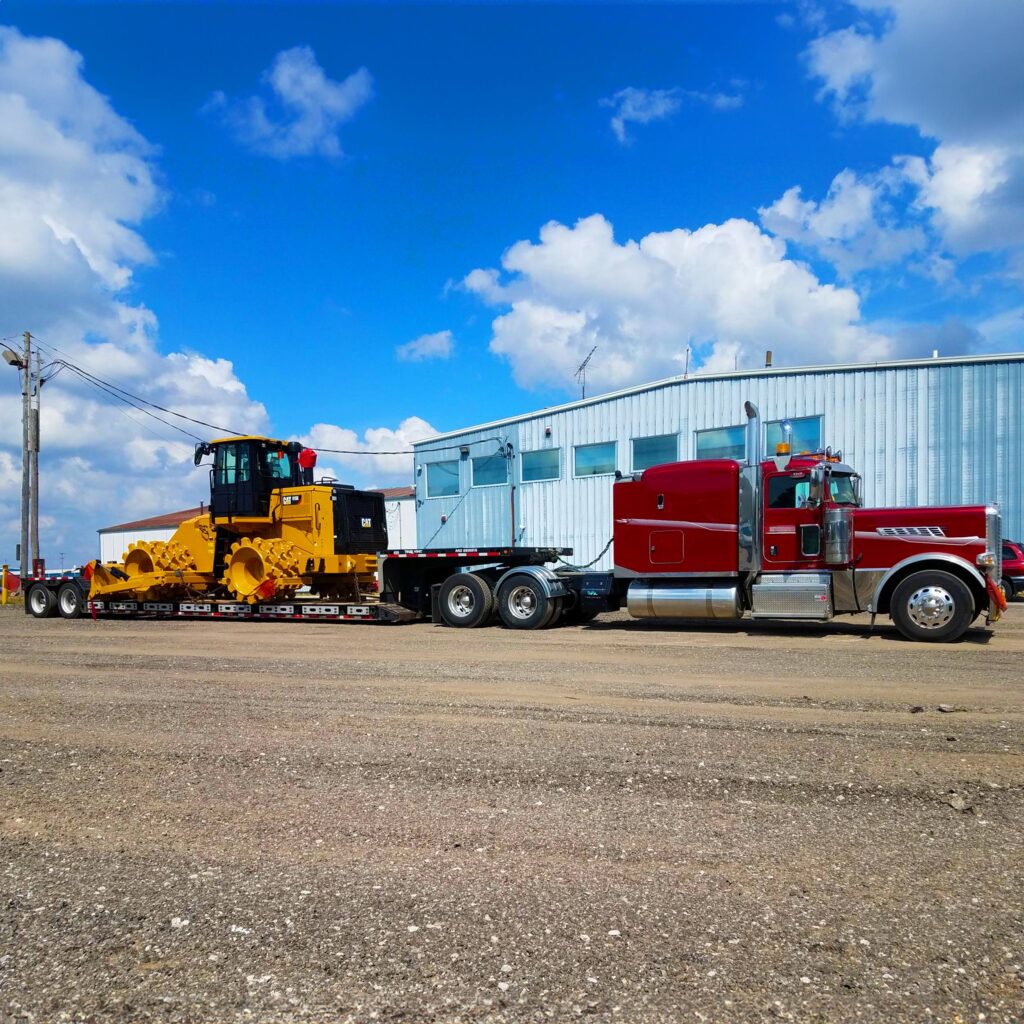
- Planning only the ocean leg and not the oversize road move to and from the port.
FAQ
Shipping a machine too large for a container? Request a breakbulk quote with its dimensions, weight and route.