Out-of-Gauge (OOG) cargo is freight that is too long, too wide or too tall to fit inside a standard closed shipping container. Because it extends beyond the container’s internal dimensions, the doors or roof cannot close around it. OOG cargo usually ships on Flat Rack or open top containers, or as breakbulk.
Also known as: OOG, over-dimensional cargo.
How Out-of-Gauge Cargo Is Shipped
The shipper first gives exact dimensions and weight, including any parts that stick out. The carrier then checks how much the cargo is overwidth, overheight or overlength. These overhangs decide which equipment fits and how many container slots the cargo blocks on deck.
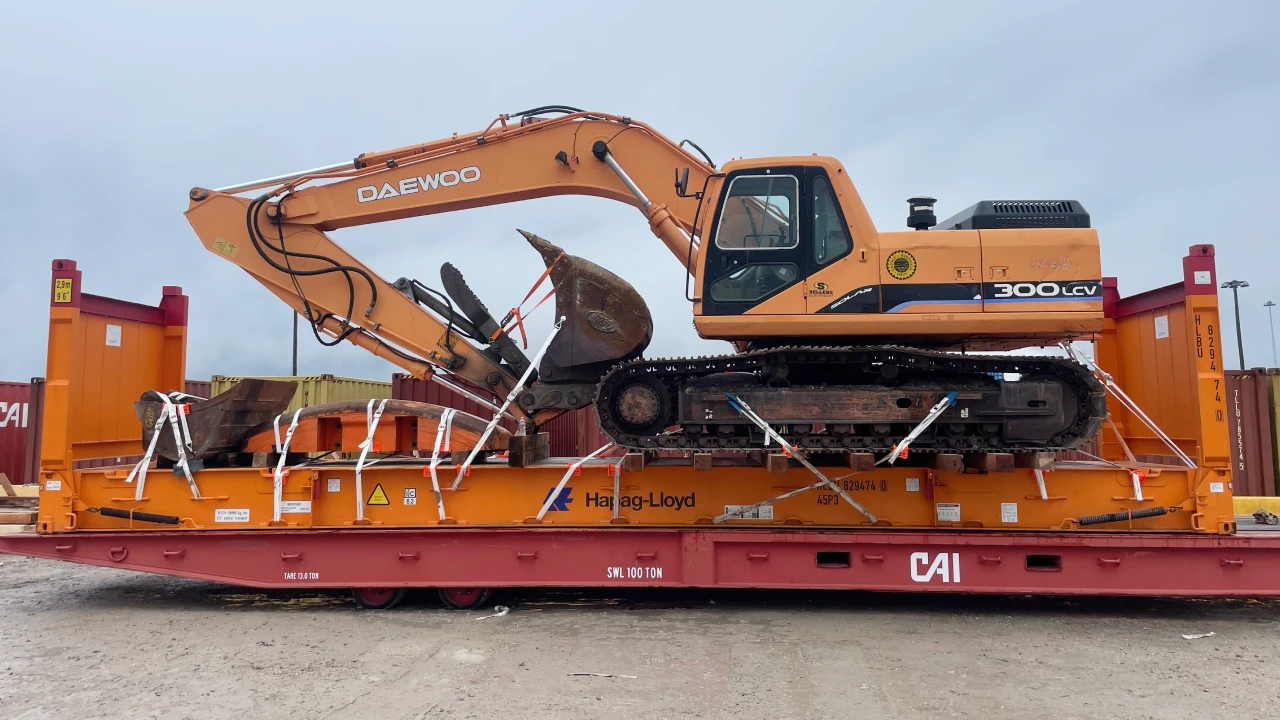
Cargo that is only too tall often goes in an open top container. Cargo that is too wide or too long usually goes on a Flat Rack, lashed to the floor and end walls. For example, a wheel loader shipped from Houston to Antwerp may ride on a Flat Rack because its bucket exceeds the container width.
OOG units are usually stowed on deck or on top of a stack, so nothing is loaded above them. Carriers confirm each OOG booking separately and often charge for the slots the cargo makes unusable.
Why OOG Matters for Heavy Equipment Shipping
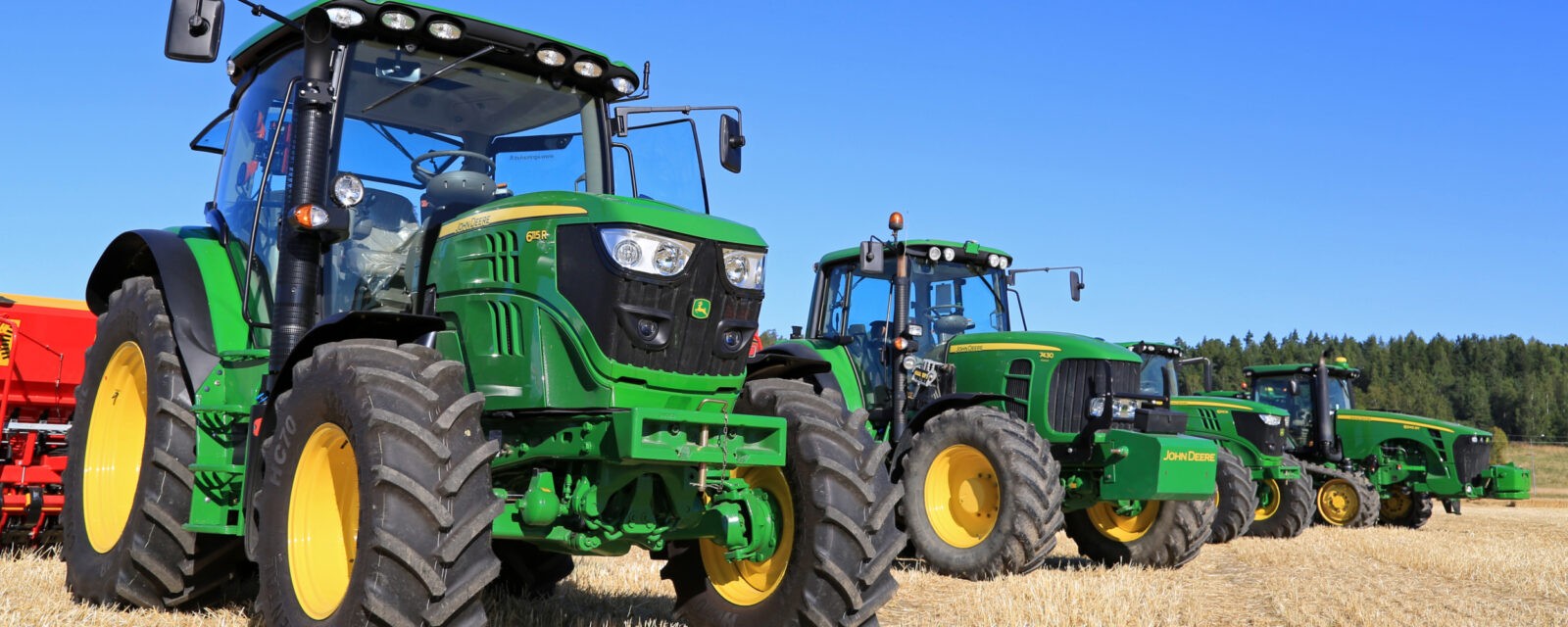
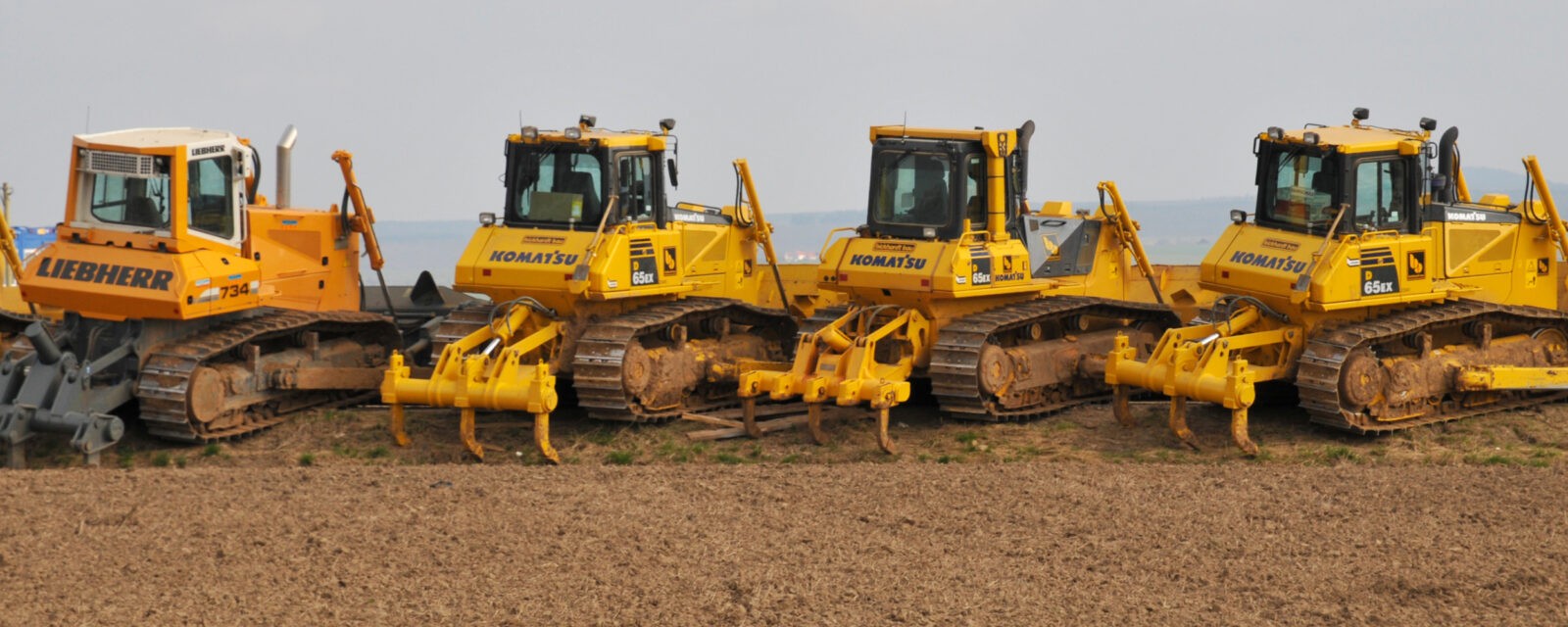
Most construction and agricultural machines become OOG cargo once they are too wide or tall for a closed box. A combine with its header, a bulldozer with its blade or a large excavator rarely fits a standard container. The choice is then between a Flat Rack, breakbulk, RoRo, or partial disassembly.
That choice changes cost, lashing work and port handling. Atlantic Project Cargo compares these options through its out-of-gauge shipping service and, for the largest units, breakbulk shipping.
| Option | When it fits |
|---|---|
| Open top container | Cargo that is too tall but within the container length and width. |
| Flat Rack | Cargo that is too wide or too long, loaded by crane and lashed in place. |
| Breakbulk | Very large or heavy units that do not fit on a Flat Rack and are lifted on board separately. |
| RoRo | Self-propelled machines on wheels or tracks that can be driven onto the vessel. |
OOG vs Breakbulk
OOG describes the cargo: it does not fit inside a standard container. Breakbulk describes a shipping method: cargo is loaded piece by piece into the hold or on deck, without a container.
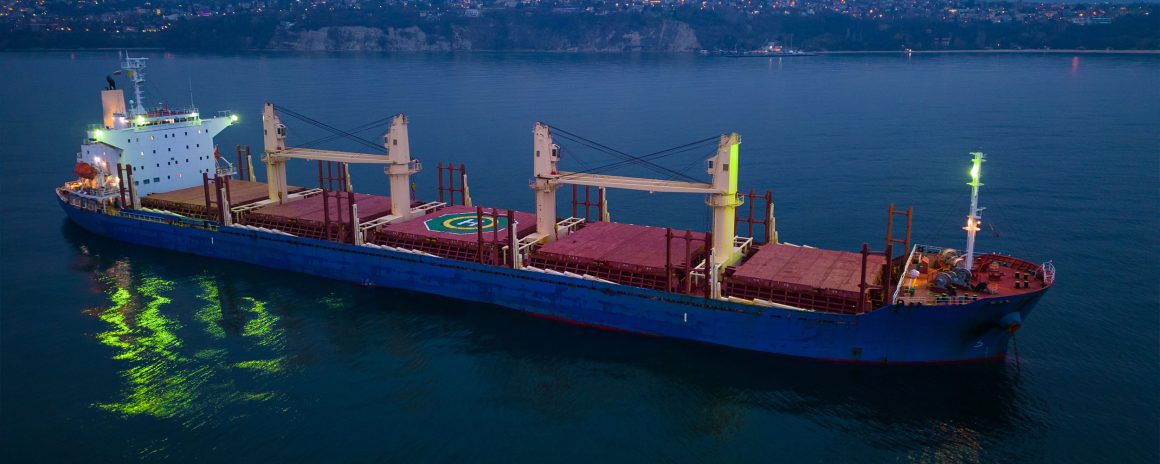
Many OOG units still move in container equipment, such as Flat Racks on a container ship. Some units are too large or too heavy even for that. They ship as breakbulk on a vessel with its own cranes or as a heavy lift.
Common Mistakes When Shipping OOG Cargo
- Giving catalog dimensions instead of measuring the actual machine with attachments, mirrors and cab.
- Forgetting the height the Flat Rack itself adds when checking overheight.
- Not agreeing a lashing and securing plan with the carrier before the cargo reaches the port.
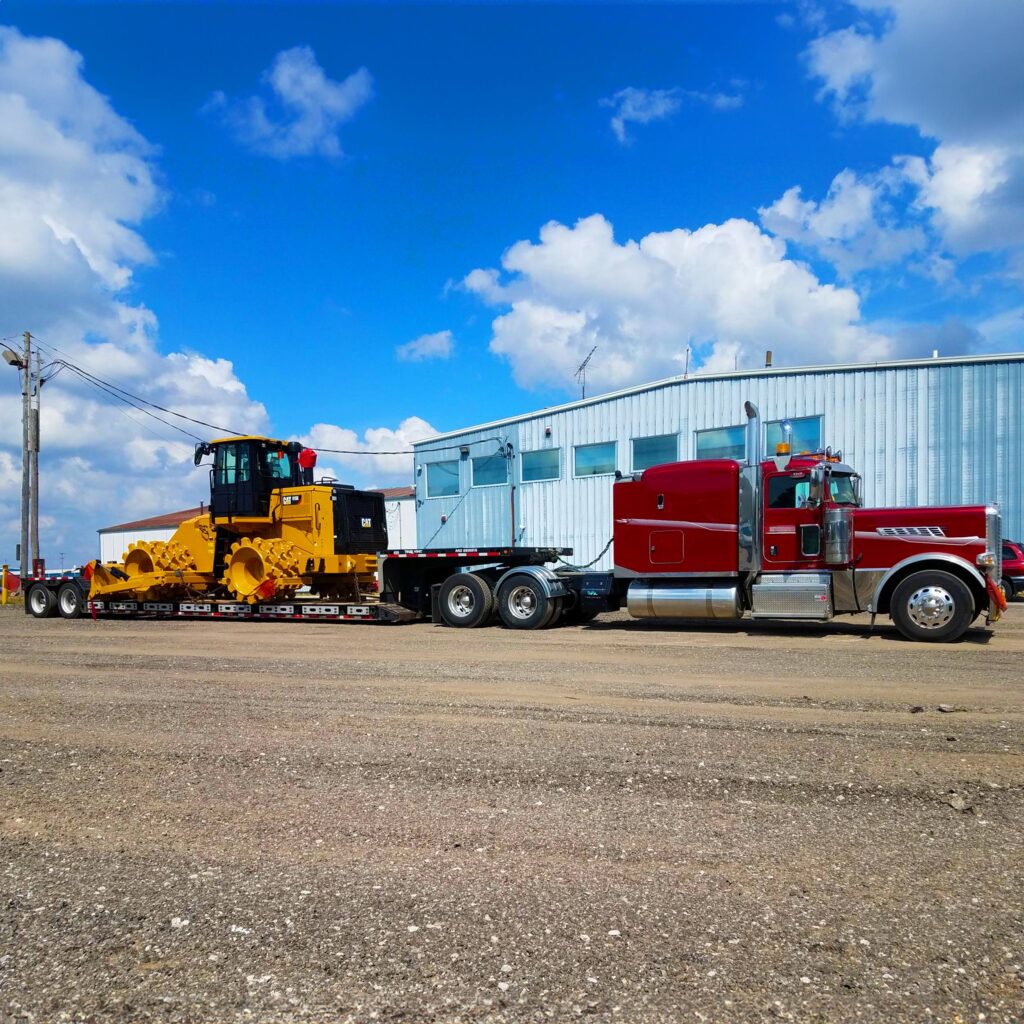
- Ignoring the inland leg, where an oversize load may need permits and a special trailer.
- Booking too late, since carriers accept a limited number of OOG units per voyage.
FAQ
Have a machine that will not fit in a standard container? Get a shipping quote with its dimensions and weight to compare the options.