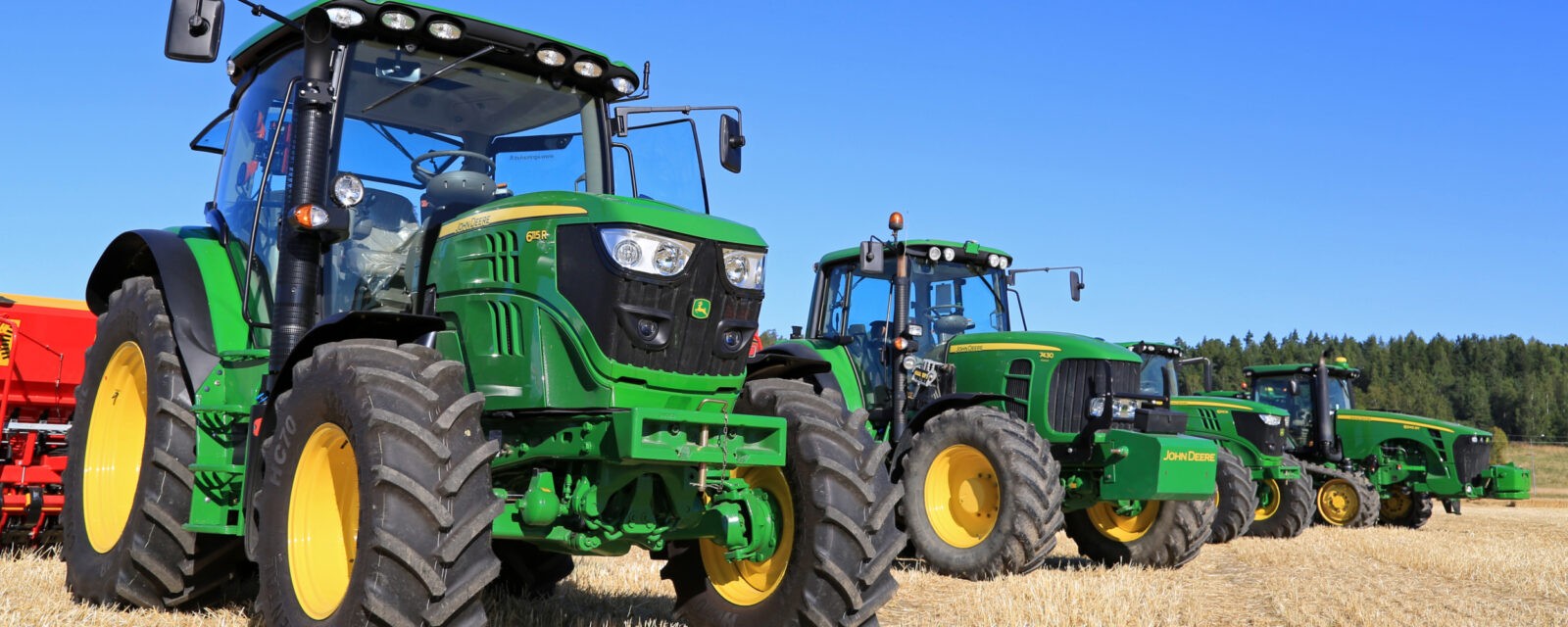
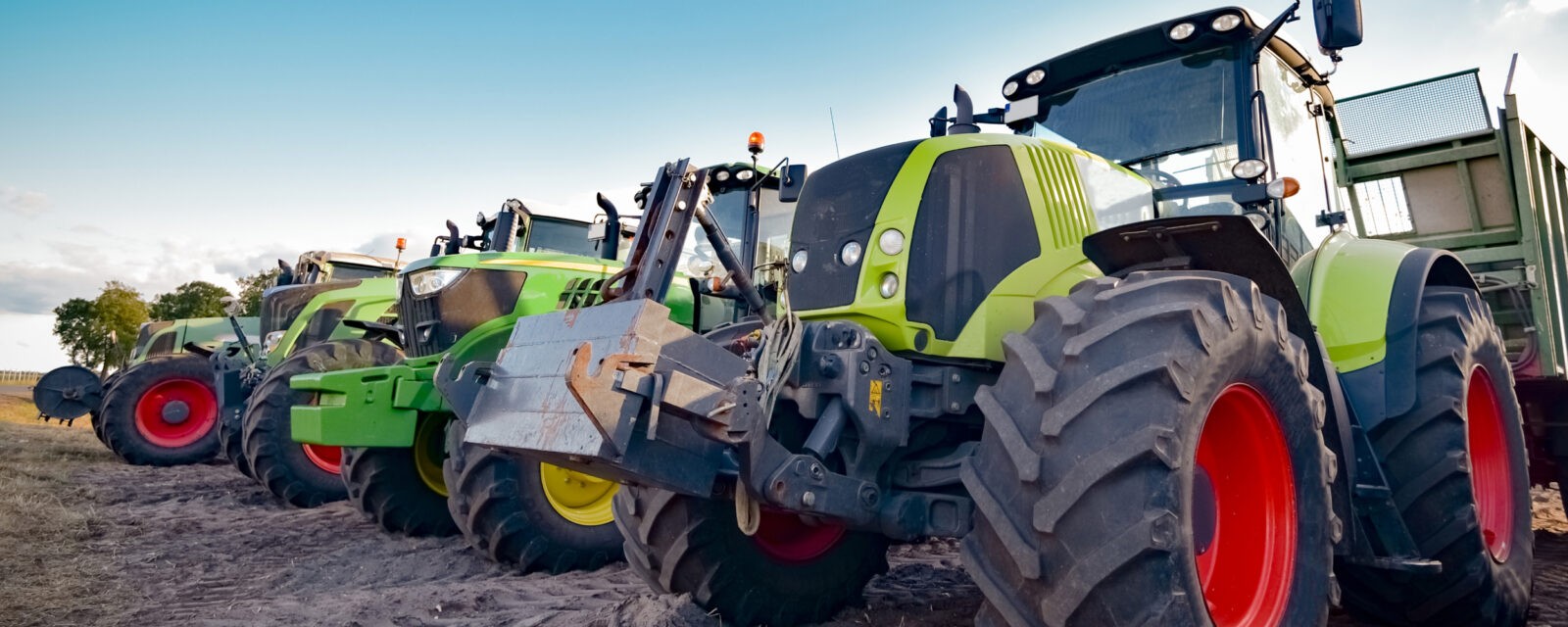
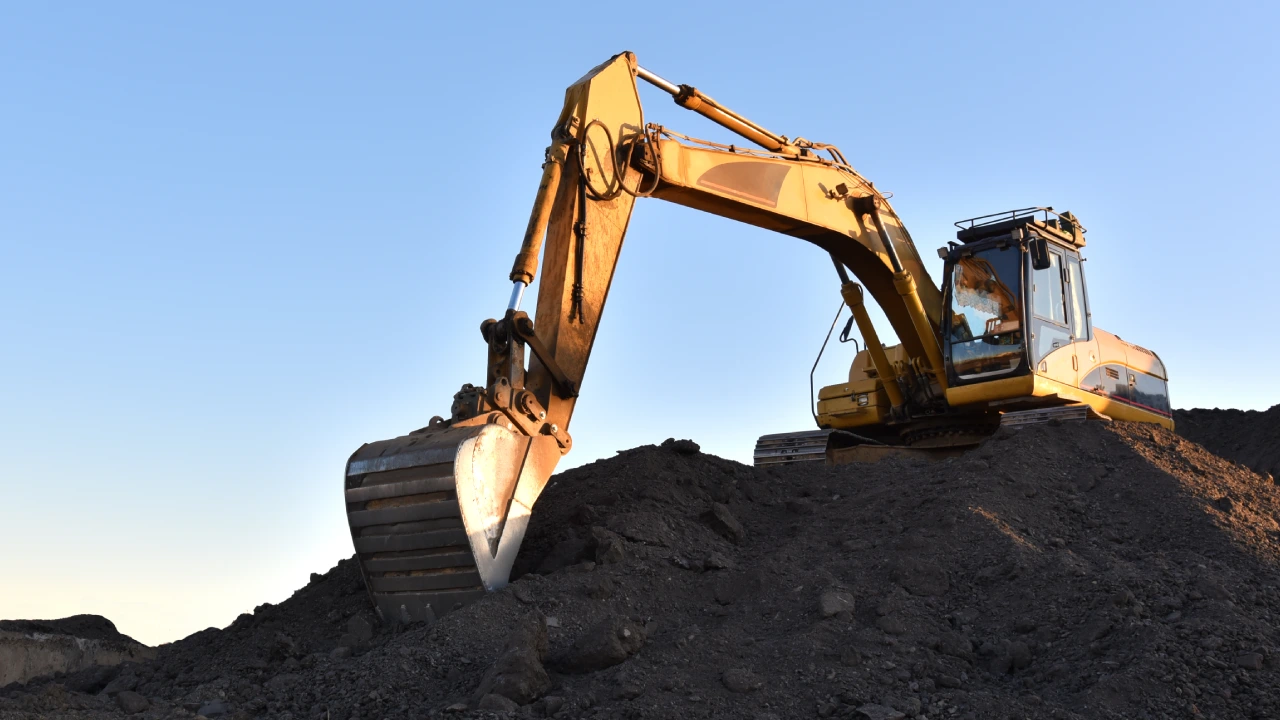
Heavy lift is the handling and shipping of single cargo units so heavy that they need special cranes, rigging or vessels to load and discharge. The term covers both the lifting operation and the cargo itself. Typical heavy lifts include large crawler cranes, mining trucks, transformers and industrial presses.
Also known as: heavy lift cargo, heavy lift shipping.
How Heavy Lift Shipping Works
Each lift is planned from the cargo’s weight, center of gravity and lifting points. Engineers choose the crane, slings, spreader beams and shackles, then draw a lifting plan for loading and discharge. A very heavy unit may need two cranes working together, called a tandem lift.
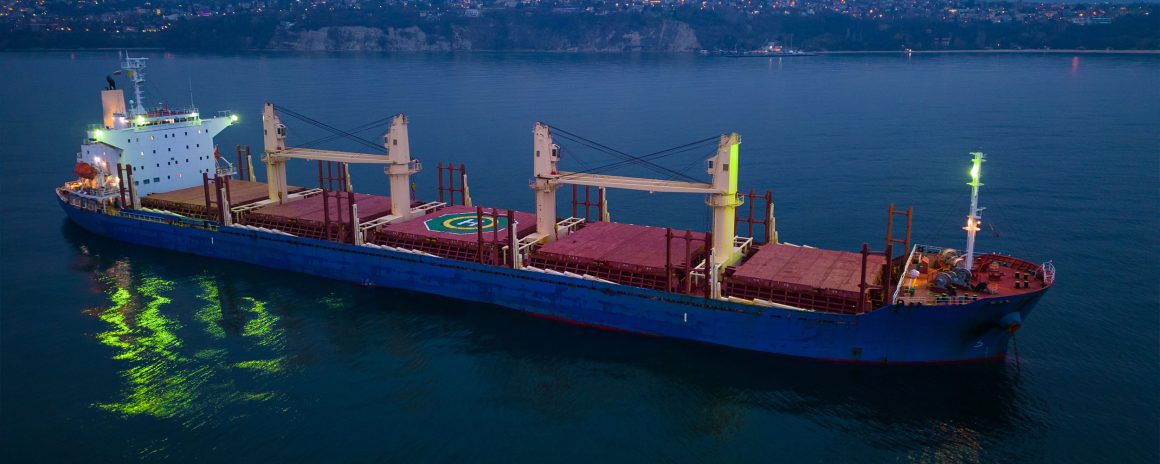
Heavy lift vessels carry their own cranes, often mounted in pairs, so they do not depend on port equipment. Some ships take the largest units by rolling them aboard on modular trailers instead. For example, a crawler crane base shipped from Baltimore to Rotterdam might be lifted aboard with the vessel’s own gear.
On board, the unit rests on a load-spreading base of steel beams or timber and is welded or lashed to the deck. The carrier checks the vessel’s stability and deck strength for each heavy unit before it sails.
Why Heavy Lift Matters for Heavy Equipment Shipping
Whether a machine counts as a heavy lift decides which vessels and ports can take it. A port without strong enough shore cranes is ruled out unless the ship brings its own. The extra planning, rigging and engineering also add cost and lead time.
Atlantic Project Cargo handles these moves through breakbulk shipping and, for very large projects, a full or part vessel charter.
| Item | What it means for a heavy lift |
|---|---|
| Lifting plan | A drawing and calculation of how the unit is lifted, moved and set down. |
| Lifting points | Attachment points approved by the manufacturer for slings or shackles. |
| Center of gravity | Must be known and marked so the load stays level during the lift. |
| Vessel gear | The ship’s own cranes, rated for the heaviest unit on board. |
| Sea fastening | Welding, lashing or chocks that hold the unit during the voyage. |
Common Mistakes
- Giving an estimated weight instead of a weighed or certified figure.
- Not marking the center of gravity and the approved lifting points on the unit.
- Assuming the port’s shore cranes can handle the lift without checking their rating.
- Leaving the inland heavy haul and port storage out of the plan.
- Removing parts to save weight without listing them on the packing list.
FAQ
Planning to ship a unit that needs a heavy lift? Request a quote with its weight, dimensions and lifting points.