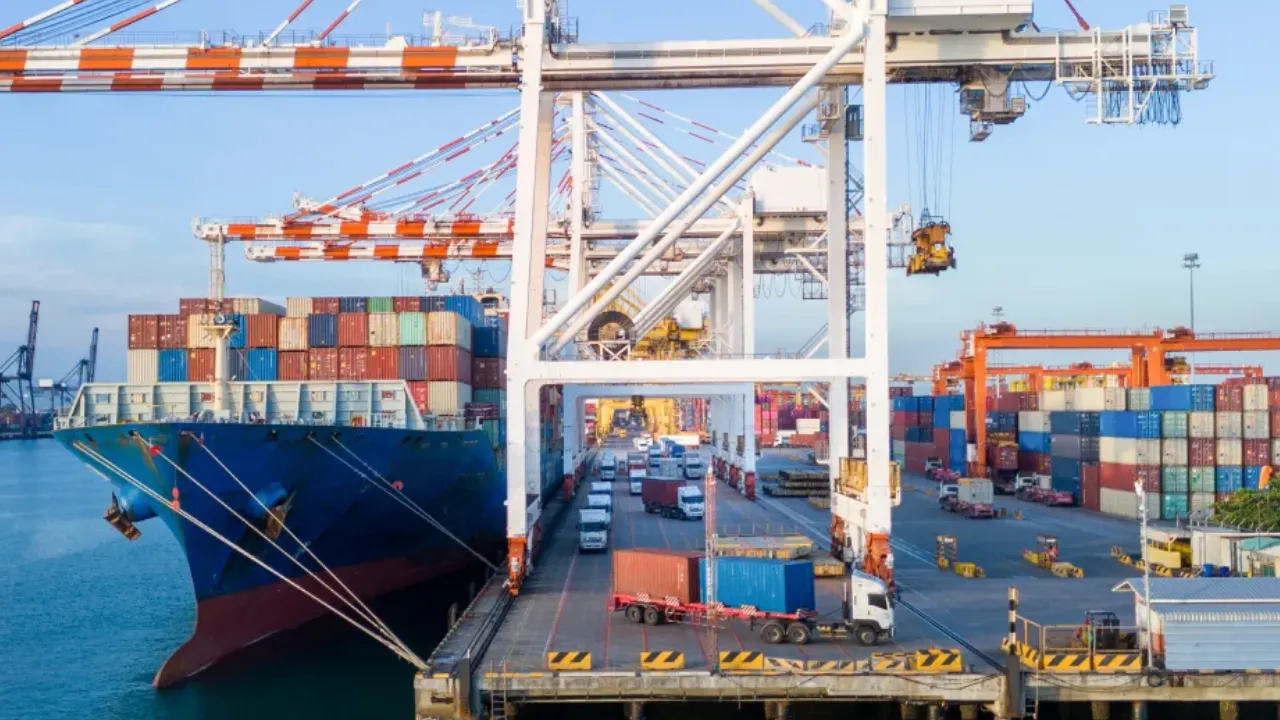
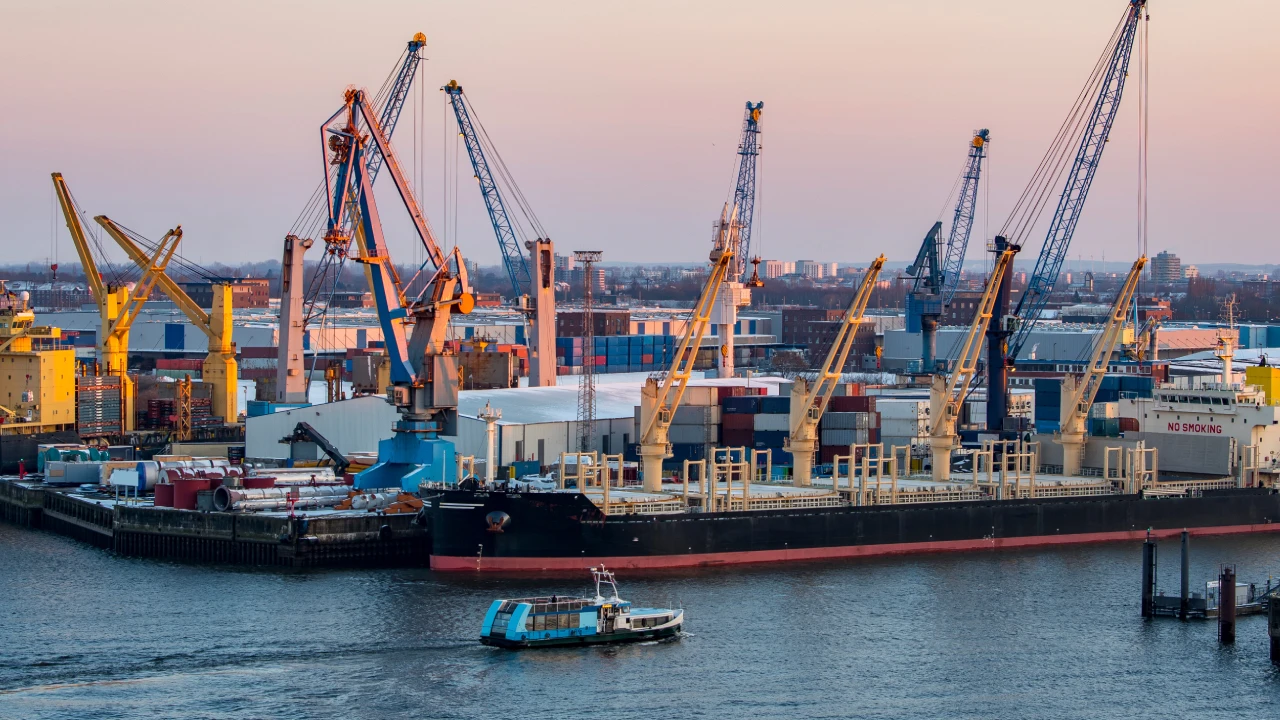
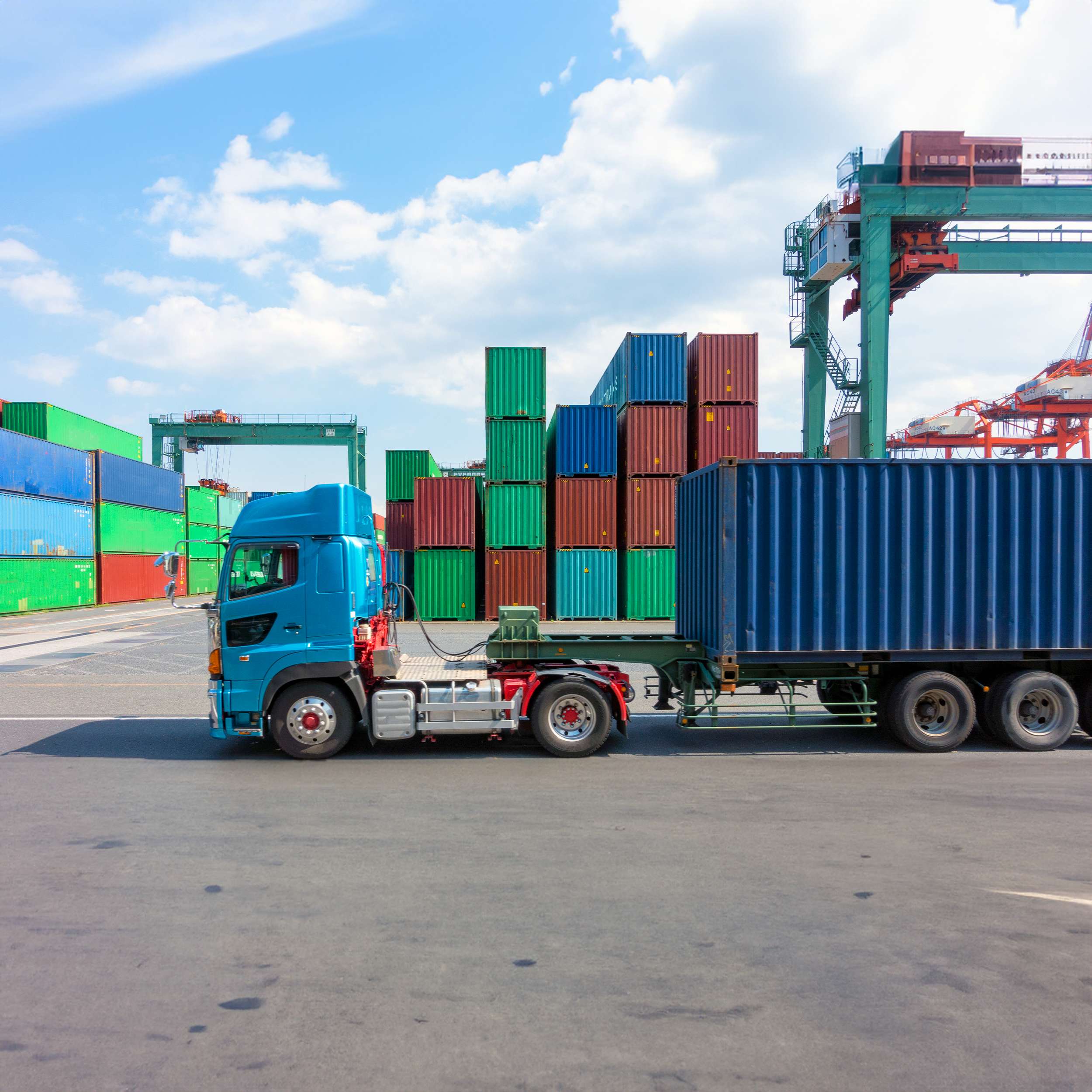
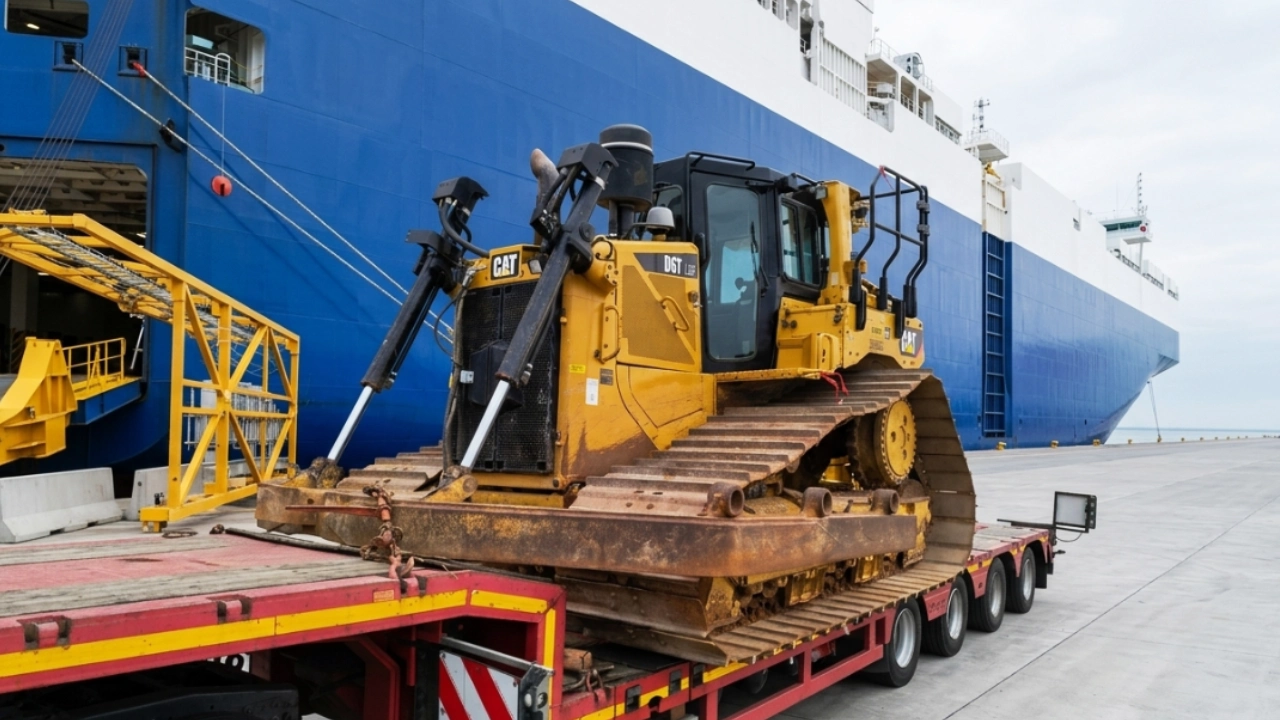
Freight is goods transported by truck, train, ship or aircraft, usually for commercial purposes, such as machinery, raw materials or consumer goods. The word also means the charge paid to the carrier for that transport. In shipping documents, freight terms show who pays this charge and where.
Also known as: cargo, freight charges.
How Freight Works in Shipping
Carriers quote freight as a rate for the main transport leg, often per container, per unit or by weight and volume. Surcharges for fuel, congestion or security are often added on top. Charges at origin and destination are usually listed separately.
The Bill of Lading shows whether freight is prepaid or collect. Freight prepaid means the shipper pays the carrier, usually at origin. Freight collect means the consignee pays at destination before the cargo is released.
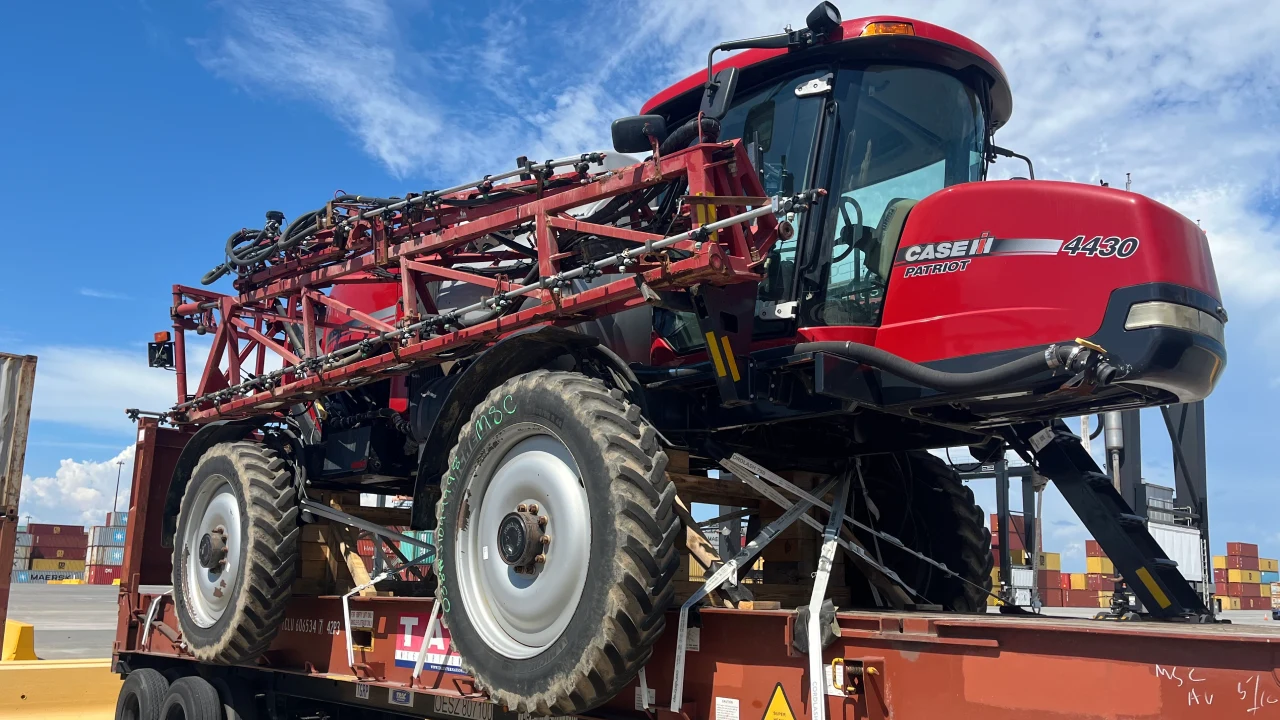
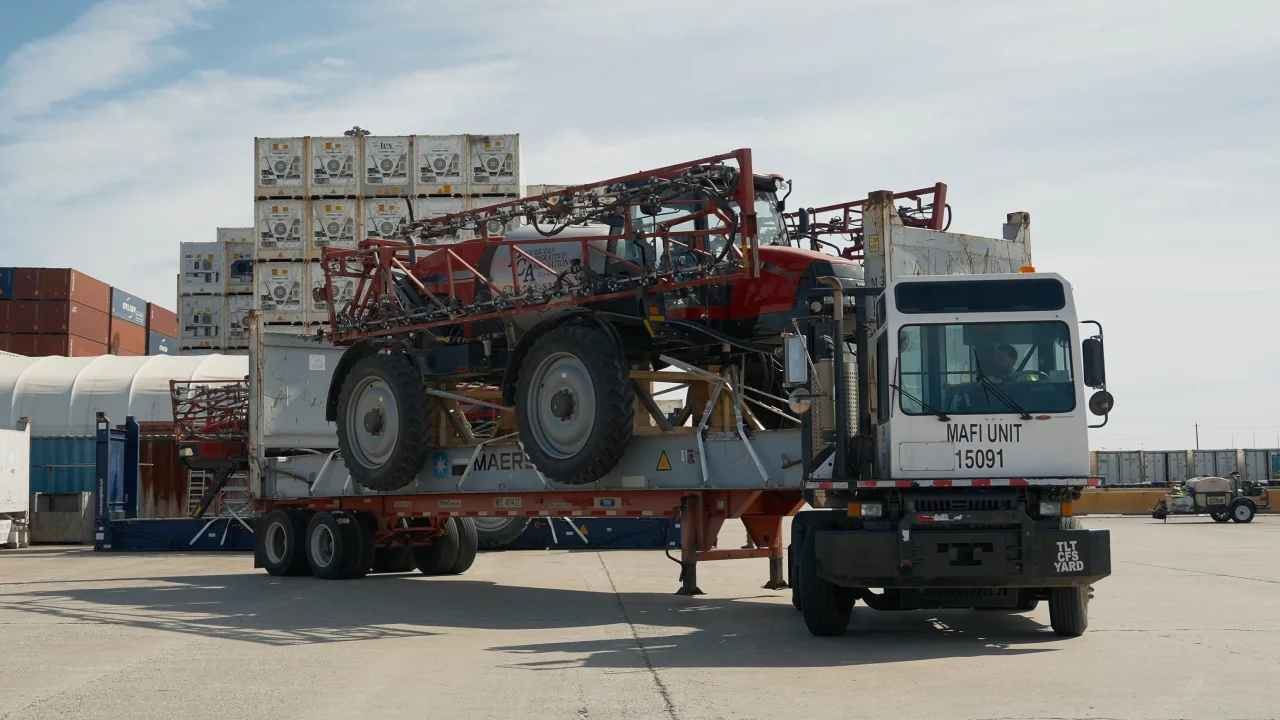
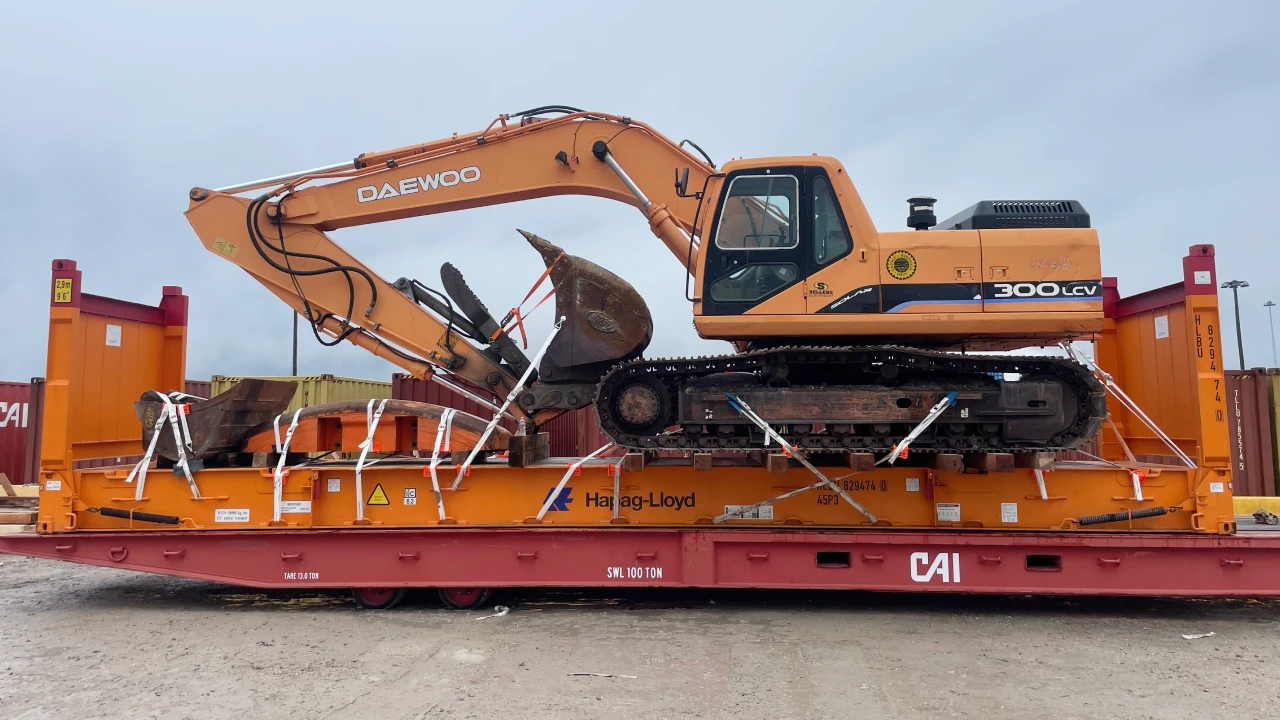
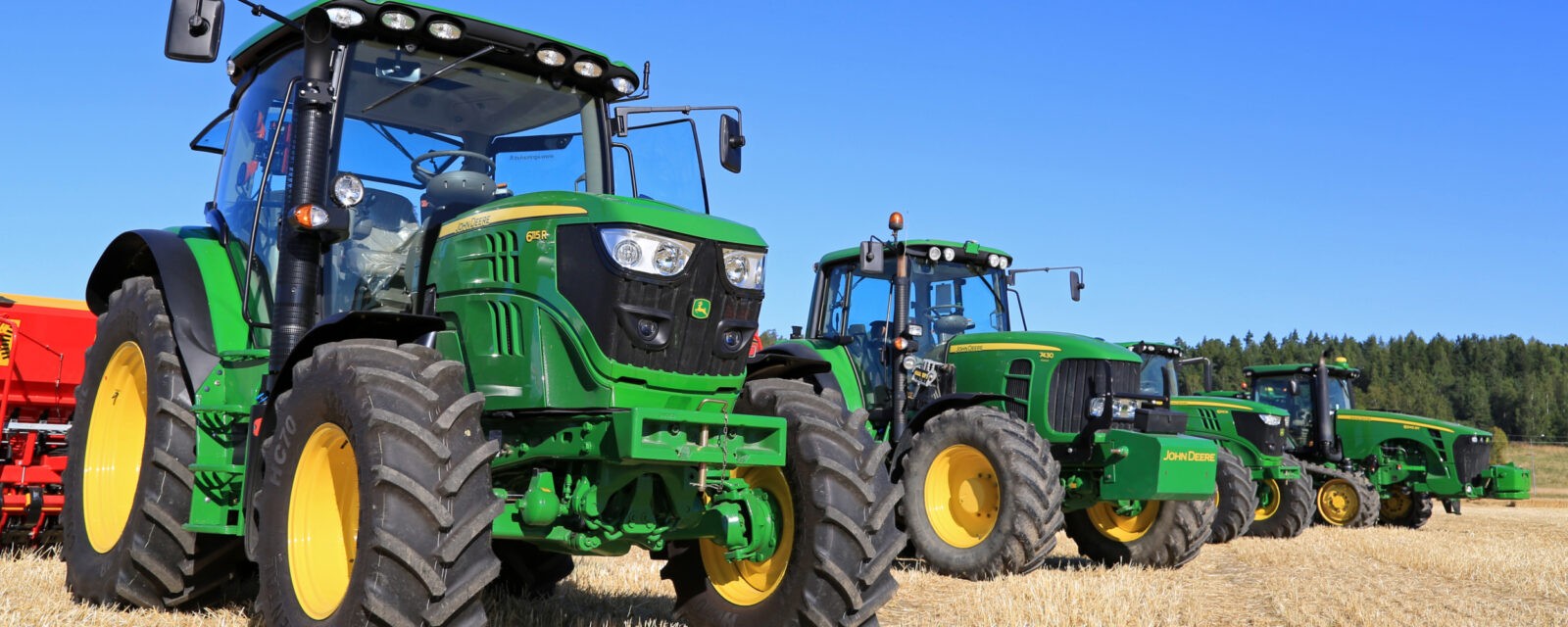
For example, a used tractor shipped RoRo from Baltimore to Antwerp is often quoted by its volume. A Flat Rack on the same route is usually priced per unit, with extra charges for out-of-gauge cargo.
Why Freight Terms Matter for Heavy Equipment Shipping
The freight rate is only one part of the cost of moving a machine. Handling, lashing, port fees and inland moves can add a large share to the total. Atlantic Project Cargo’s customs brokerage team checks that the freight terms on the Bill of Lading match the sales contract and the invoice.
FAQ
Want to see the full freight cost for your machine? Request a quote with the pickup and delivery locations.