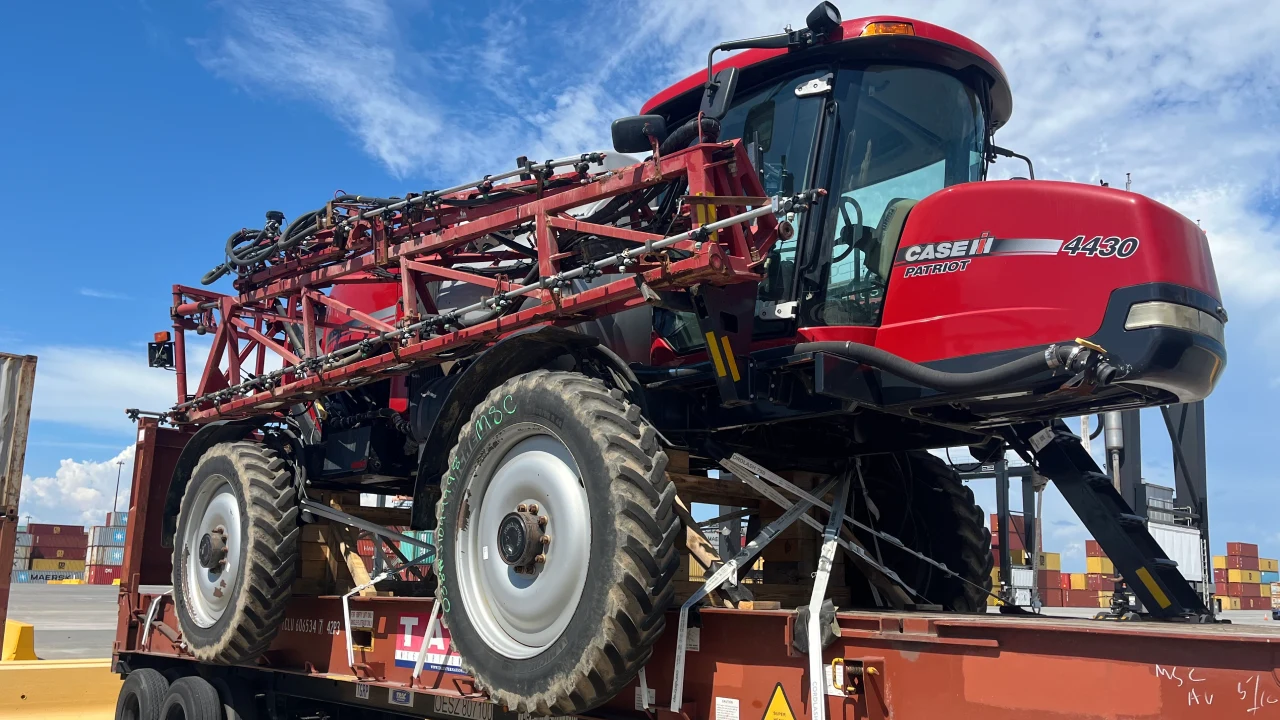
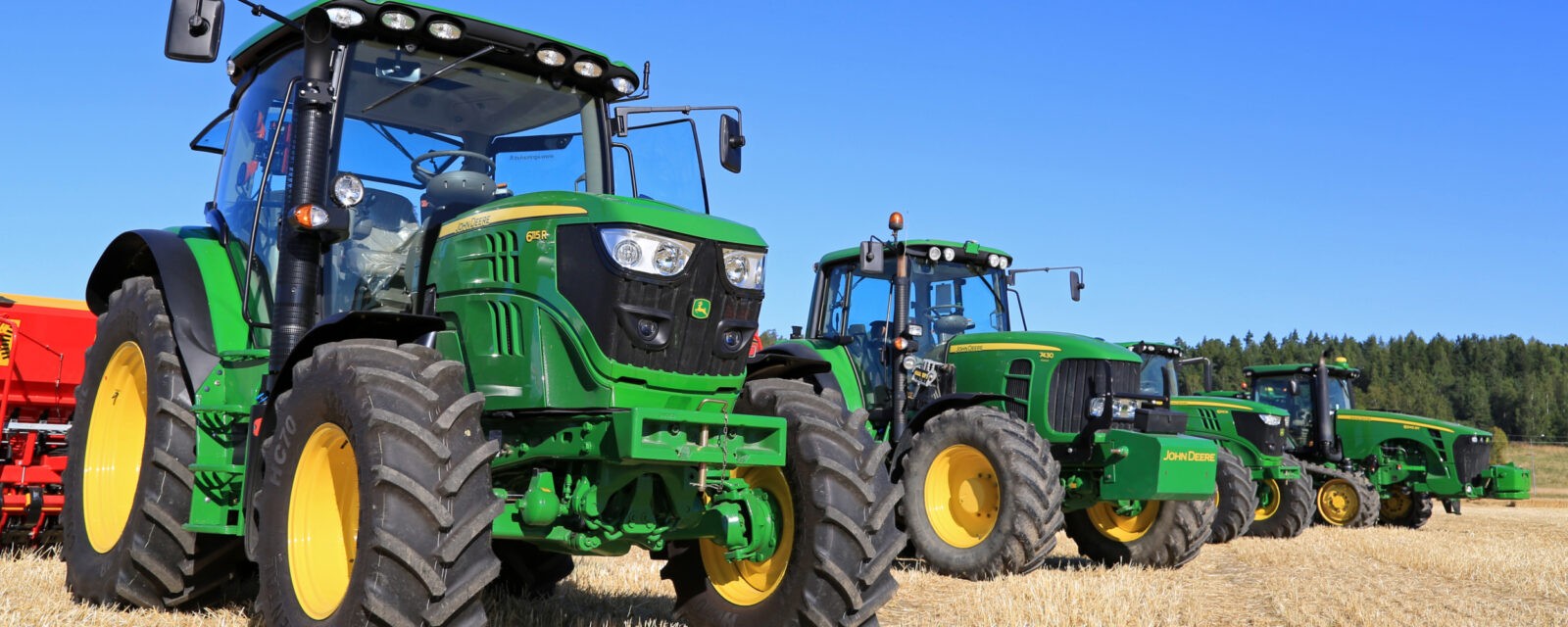
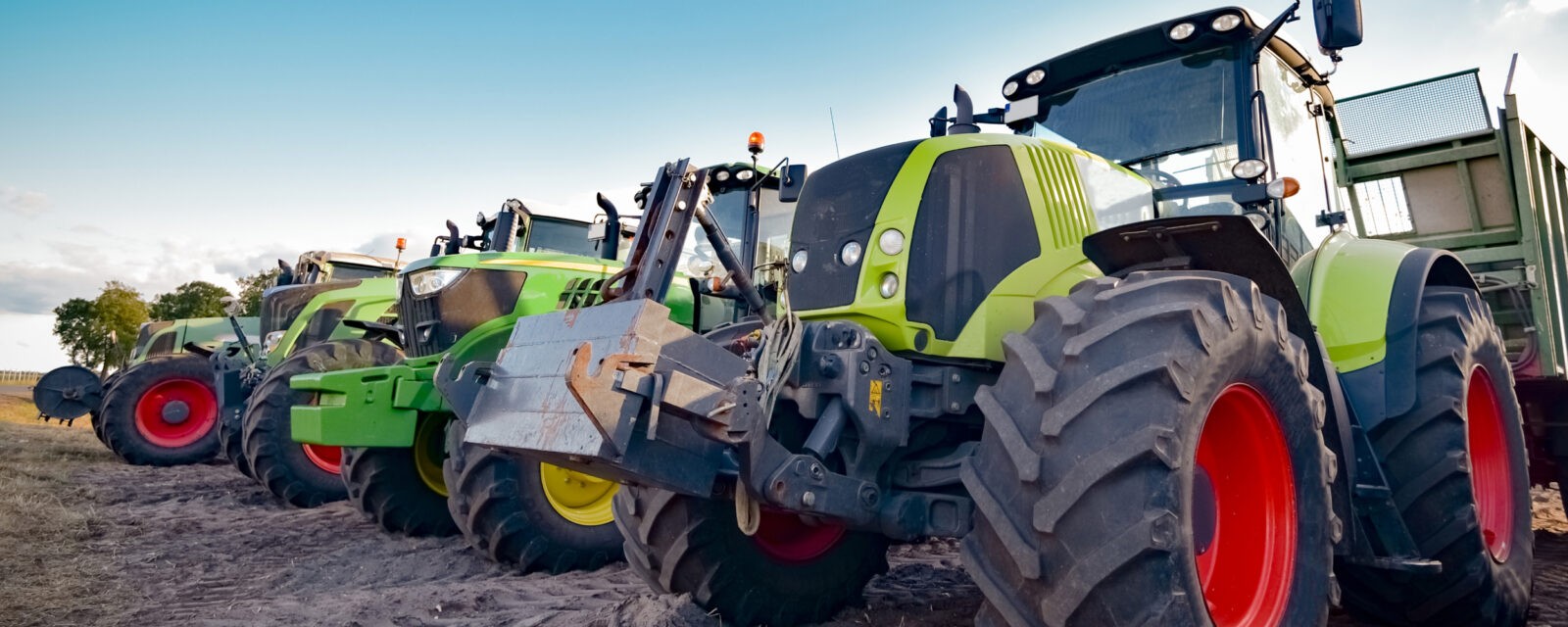
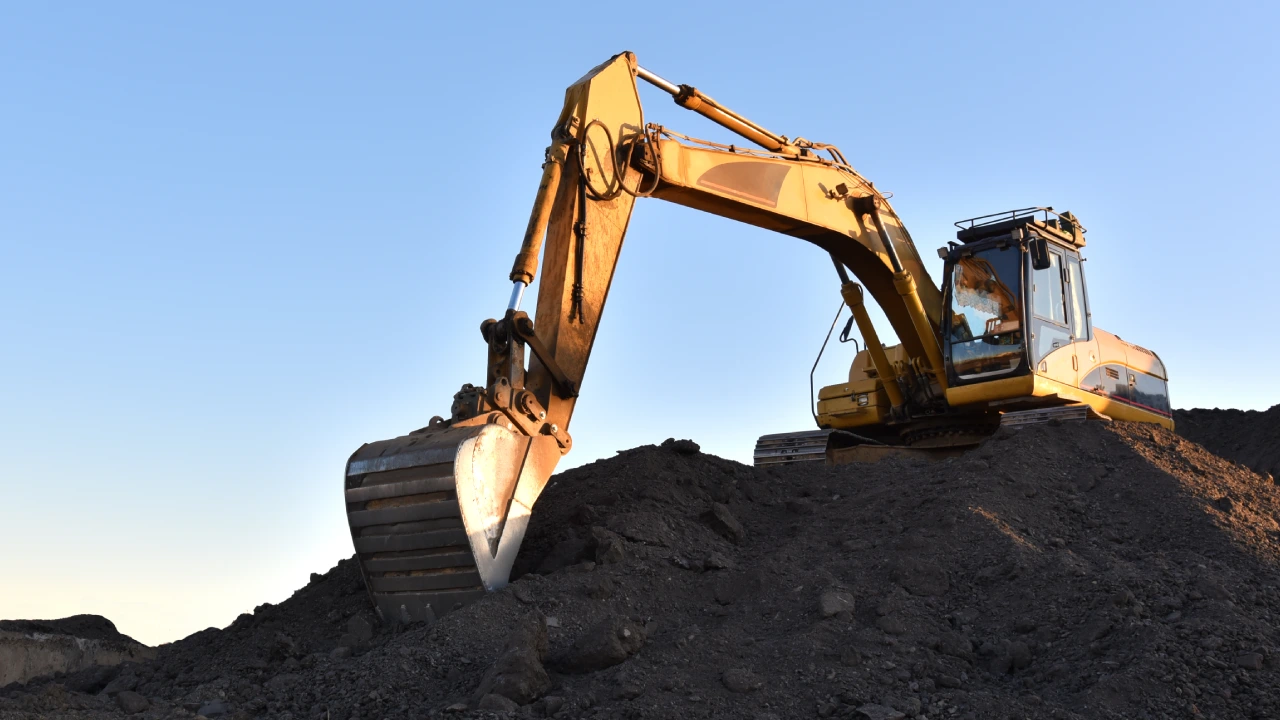
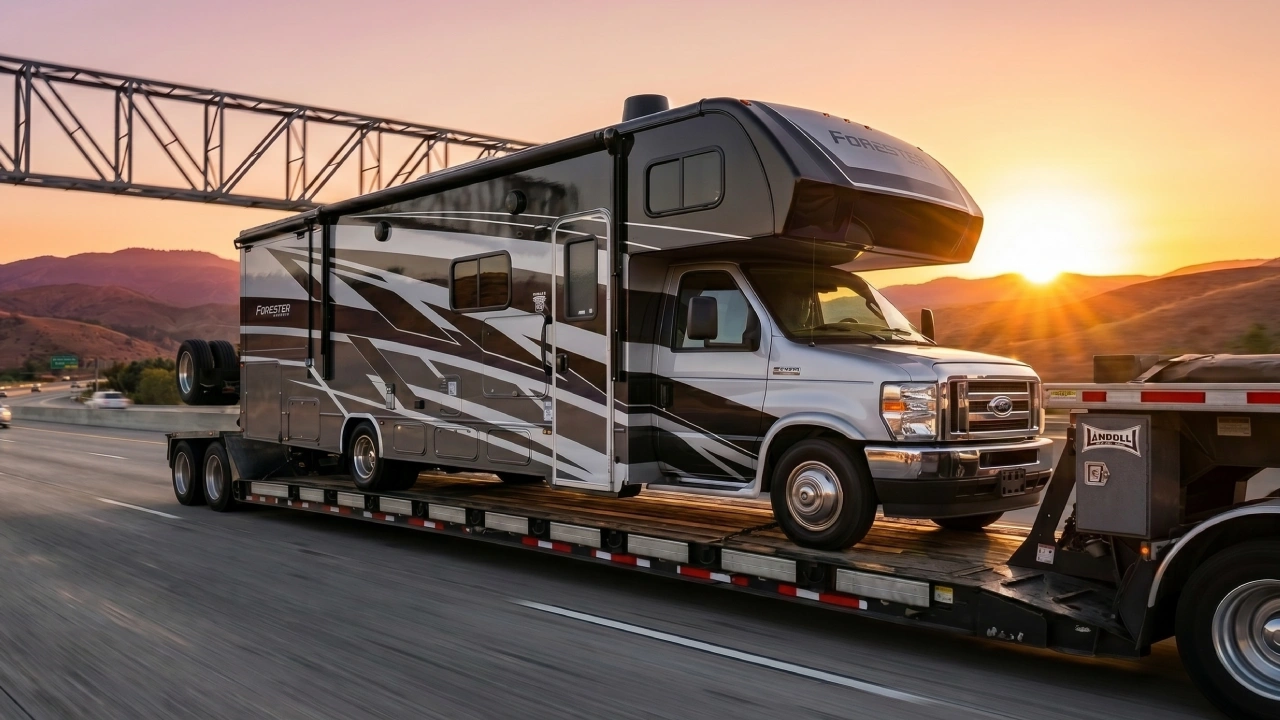
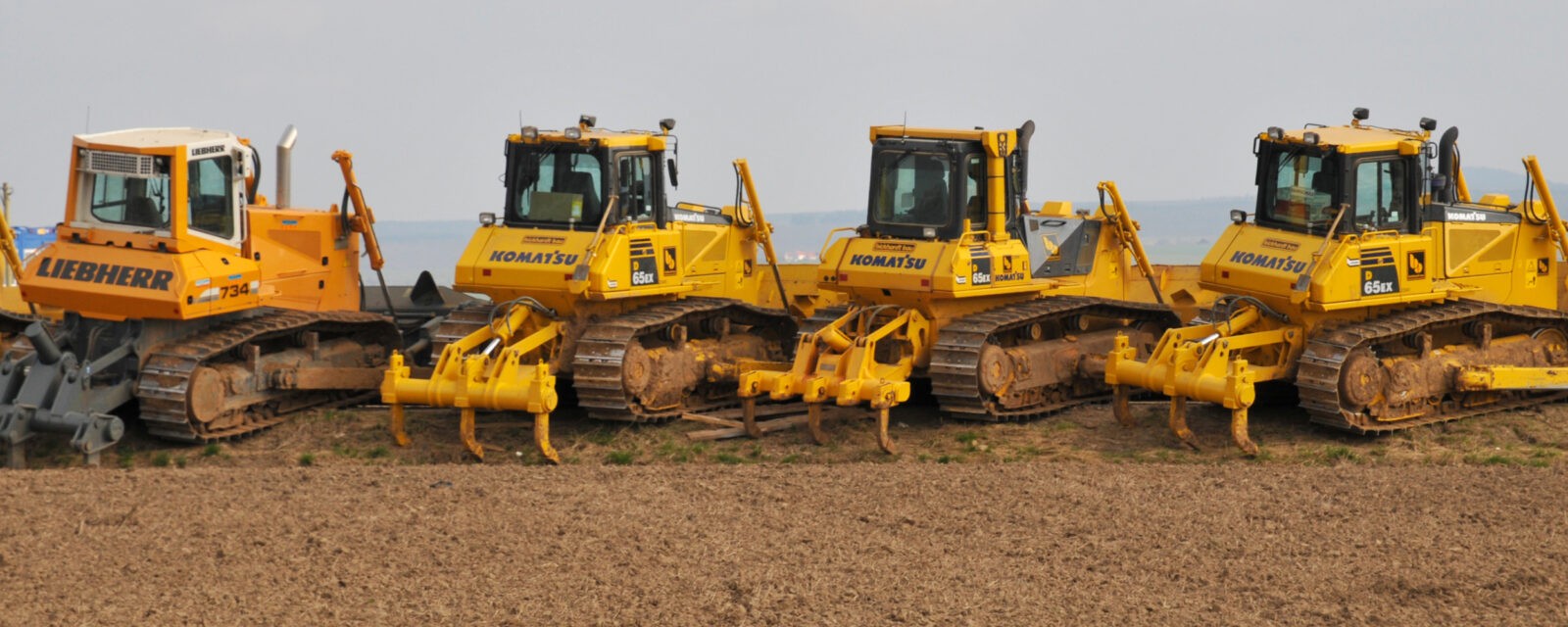
An oversize load is a vehicle and cargo that exceed the legal size limits for a road, such as width, height or length. An overweight load exceeds the legal weight limits for the vehicle or its axles. Both need special permits and planning to move on public roads.
Also known as: OSOW load, wide load, heavy haul.
How Oversize and Overweight Loads Work
Each state or country sets its own size and weight limits for trucks. When a machine on its trailer exceeds them, the carrier applies for a permit in every jurisdiction on the route. The permit sets the route, travel times and any escort or signage rules.
Larger loads may need pilot cars, route surveys, police escorts or night moves, depending on local rules. Overweight loads may need trailers with more axles to keep each axle within its limit. Some bridges and roads are closed to these loads, so the route can be longer than the direct one.
For example, a large dozer moving from a jobsite in Georgia to the port of Savannah may exceed the width limit with its blade on. The carrier can remove the blade to reduce the width or move it as an oversize load with permits. Measuring the loaded height on the trailer shows whether a height permit is also needed.
Why Oversize Loads Matter for Heavy Equipment Shipping
Most large machines become oversize or overweight once they sit on a trailer. Permit lead times, travel restrictions and escorts must fit the vessel cut-off, or the cargo can miss its sailing. Permits and escorts also add to the cost of the inland leg.
Atlantic Project Cargo plans these road moves through its heavy equipment shipping service and multimodal transportation to the port. The oversized cargo transportation guide explains the full process.
| Factor | What it means |
|---|---|
| Oversize | Width, height or length above the legal limit. |
| Overweight | Gross or axle weight above the legal limit. |
| Permits | Issued per state or country for a set route and time. |
| Escorts | Pilot cars or police, depending on size and local rules. |
| Travel limits | Daylight-only moves and weekend or holiday bans in many areas. |
Common Mistakes
- Measuring the machine without the trailer, which hides the real loaded height.
- Applying for permits too late for every state on the route.
- Forgetting that removing a bucket or blade can bring the load within limits.
- Ignoring axle limits when the gross weight looks acceptable.
- Not planning the route around low bridges and restricted roads.
FAQ
Moving an oversized machine to the port? Get a quote with its loaded dimensions and weight.