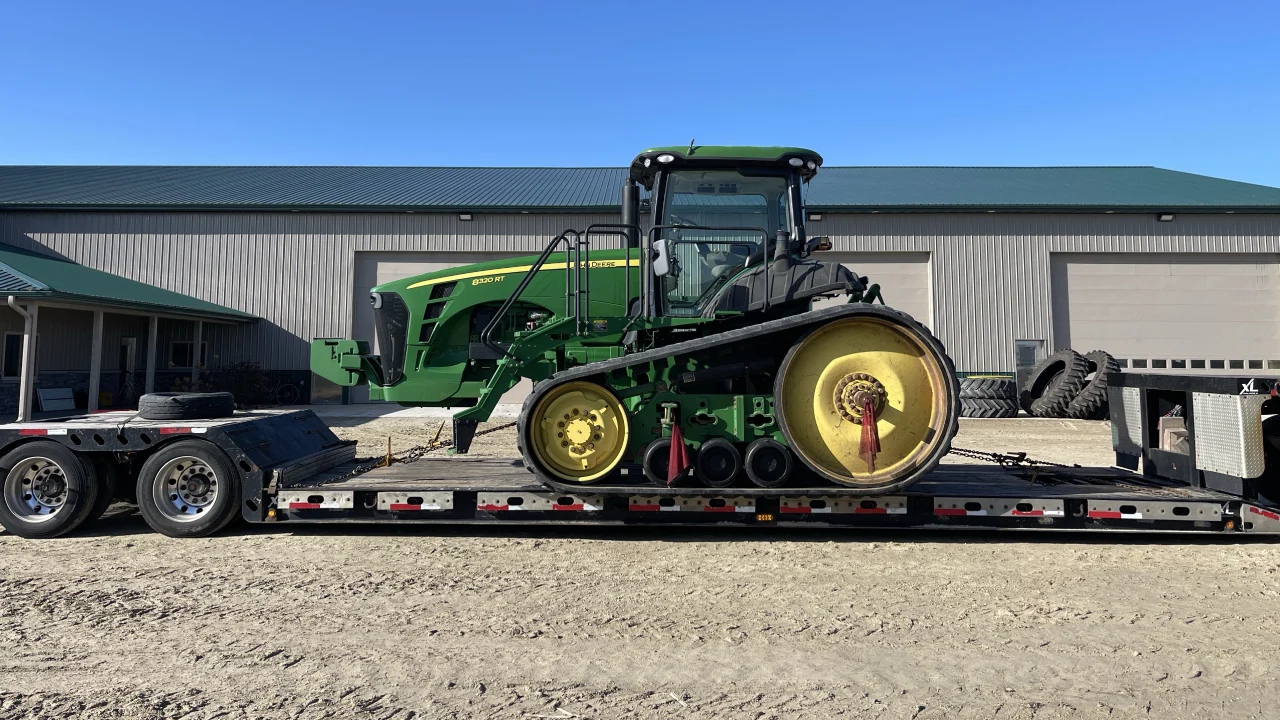
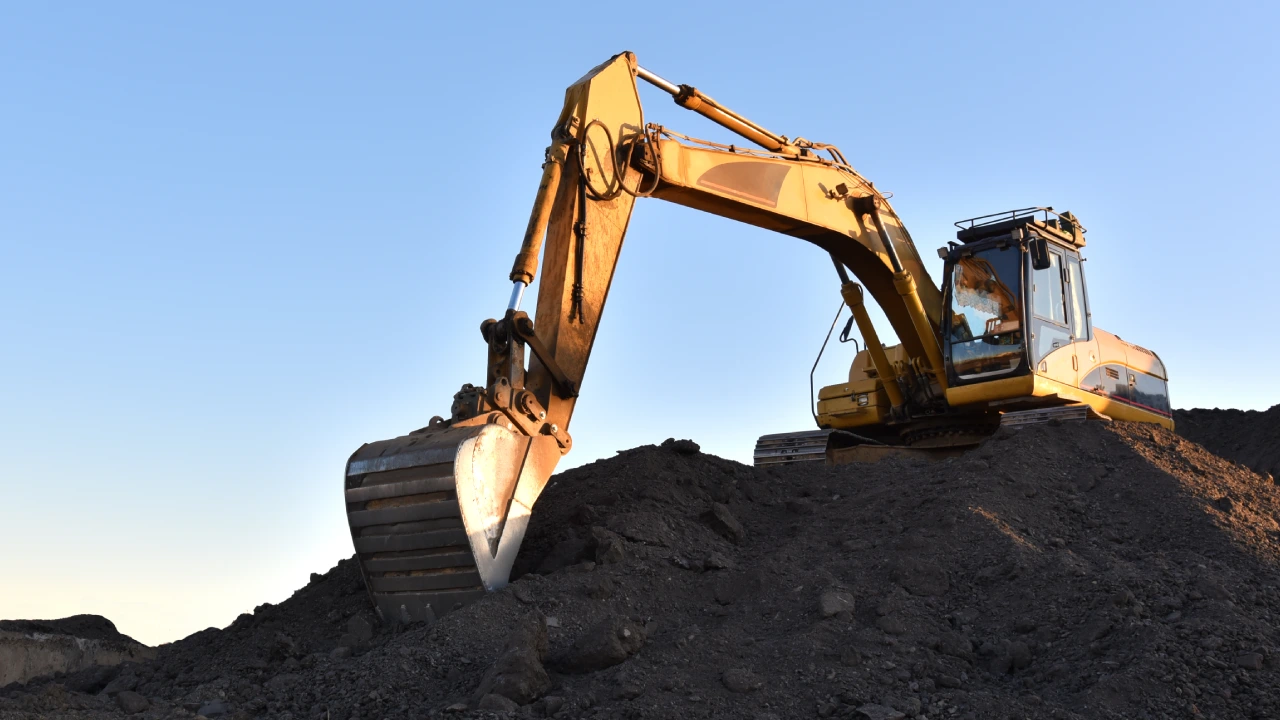
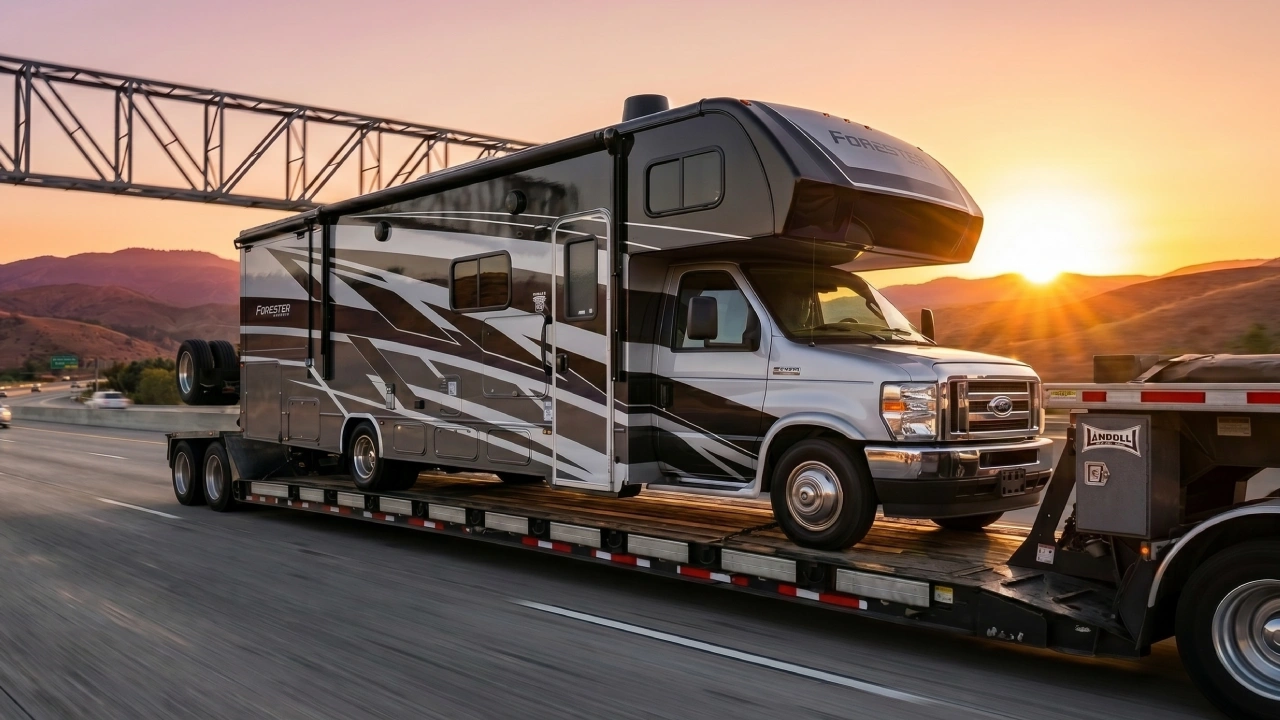
A lowboy trailer is a semi-trailer with a deck that sits very close to the ground, between the gooseneck and the rear axles. The low deck leaves more height for tall loads such as excavators, dozers and cranes. It is the standard trailer for moving heavy construction and mining equipment by road.
Also known as: lowbed trailer, low loader.
How a Lowboy Trailer Works
The deck of a lowboy drops down behind the gooseneck and rises again over the rear axles. This well sits lower than the deck of a flatbed or step deck trailer. Tall machines can then stay within road height limits more often, without removing cabs or booms.
Loading depends on the neck type. A removable gooseneck detaches so the machine drives on from the front, while fixed-neck lowboys load from the rear with ramps. Heavier loads use more axles, and some trailers add extra axle units to spread the weight.
For example, a used bulldozer bought at auction in Texas may ride a lowboy to the port of Houston. From there it ships as RoRo or breakbulk cargo to Santos.
Why a Lowboy Trailer Matters for Heavy Equipment Shipping
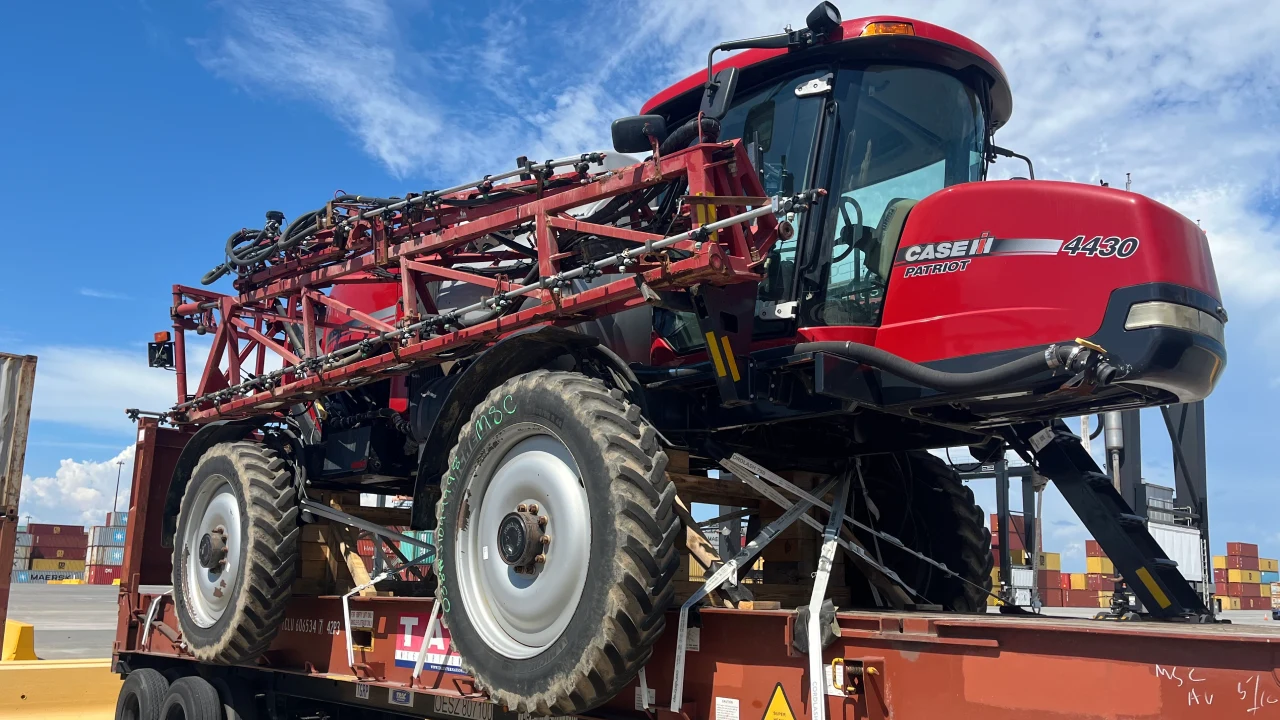
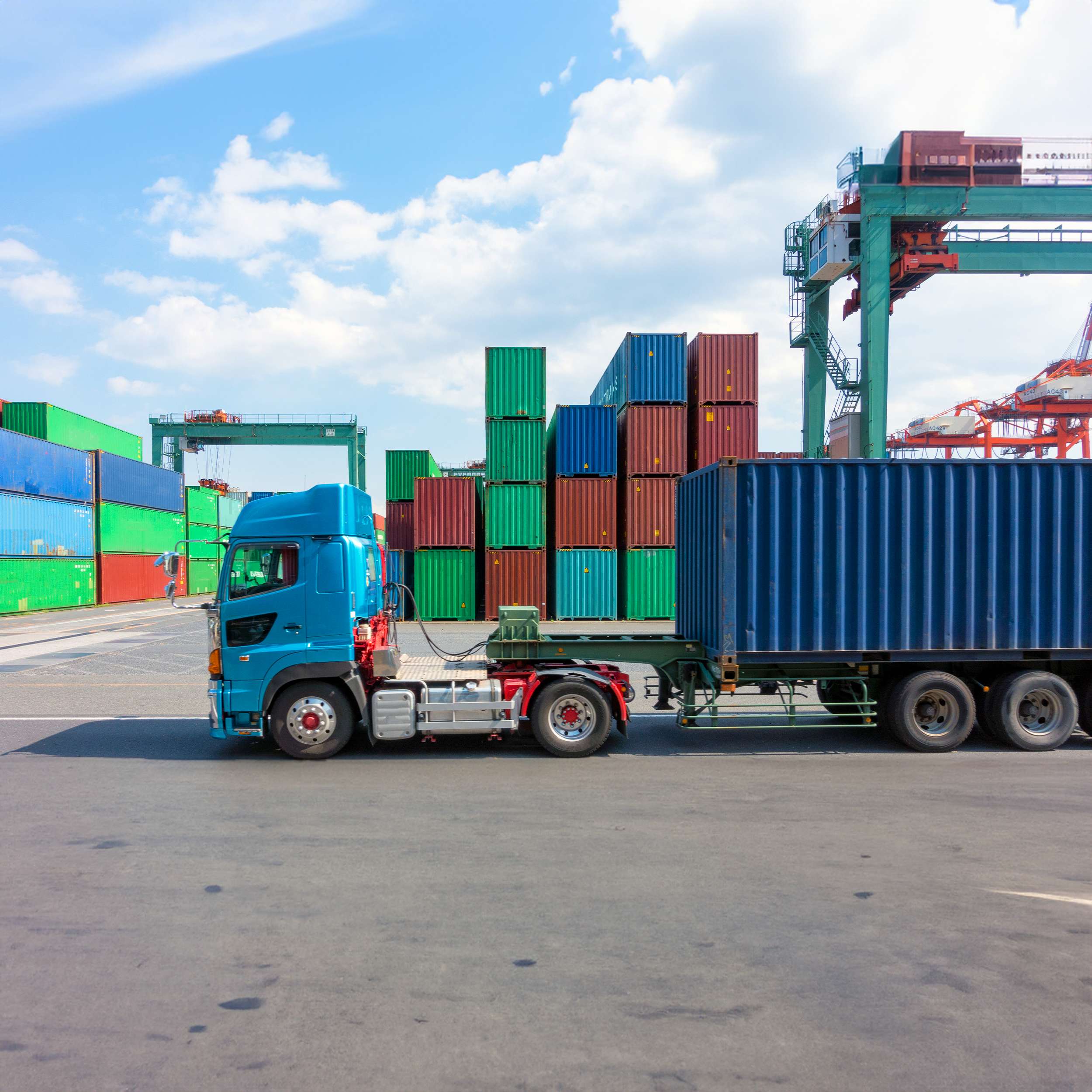
For most international shipments, the machine first has to reach the export port by road. A lowboy is often the only trailer that keeps a large excavator or dozer within height limits. When the load is still oversize or overweight, the move needs state permits and sometimes escort vehicles.
Atlantic Project Cargo arranges this inland leg as part of its heavy equipment shipping service, matching the trailer to the machine’s dimensions and weight.
| Feature | Lowboy trailer |
|---|---|
| Deck | Drops low between the gooseneck and the rear axles. |
| Loading | From the front with a removable gooseneck, or from the rear with ramps. |
| Typical loads | Excavators, bulldozers, cranes, large loaders and mining equipment. |
| Limits | A short well, and more axles needed as the weight grows. |
| Permits | Often required, depending on the load size and the states crossed. |
Lowboy Trailer vs Step Deck Trailer
A step deck trailer has an upper deck over the fifth wheel and a lower main deck behind it. Its main deck is higher than a lowboy’s well but longer, so it suits machines that are long rather than tall. Self-propelled units can load with ramps.
A lowboy carries taller and heavier machines but offers a shorter usable deck. A mid-size tractor or telehandler often fits a step deck, while a large excavator usually needs a lowboy.
Common Mistakes
- Measuring the machine without adding the trailer deck height, which hides an overheight problem.
- Choosing a trailer by weight alone, without checking axle loads and deck length.
- Applying for oversize permits too late for every state on the route.
- Leaving booms, buckets or attachments unsecured for the road move.
- Not confirming that the port terminal accepts the delivery window and the trailer type.
FAQ
Need to move a machine to the port on a lowboy? Get a quote for the inland leg and the ocean shipment together.