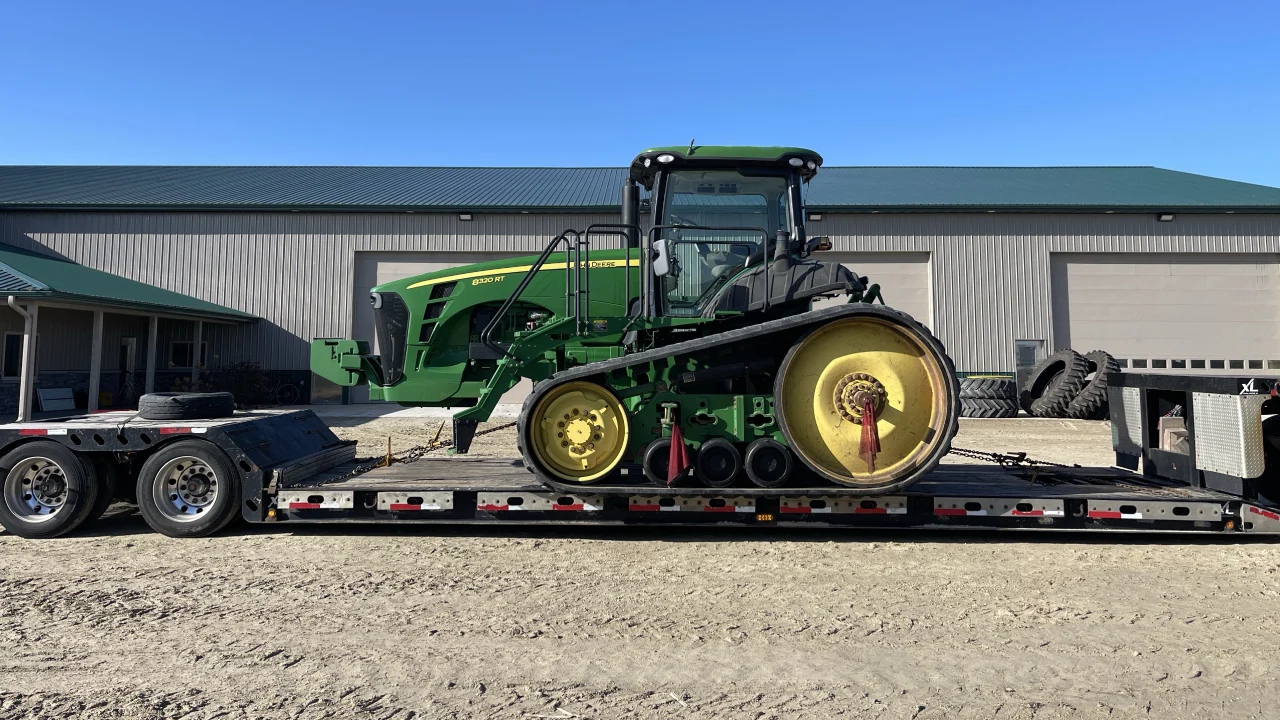
A removable gooseneck (RGN) is a lowboy trailer whose front section detaches from the deck. Once the gooseneck is removed, the front of the trailer lowers to the ground and forms a ramp. Wheeled or tracked machines can then drive straight onto the deck.
Also known as: RGN trailer, detachable gooseneck.
How a Removable Gooseneck Works
Most RGNs use hydraulic cylinders to lower the front of the deck and unlock the gooseneck. The truck pulls forward with the neck, leaving the deck resting on the ground like a ramp. The machine drives on, the truck backs in, and the neck is locked back in place.
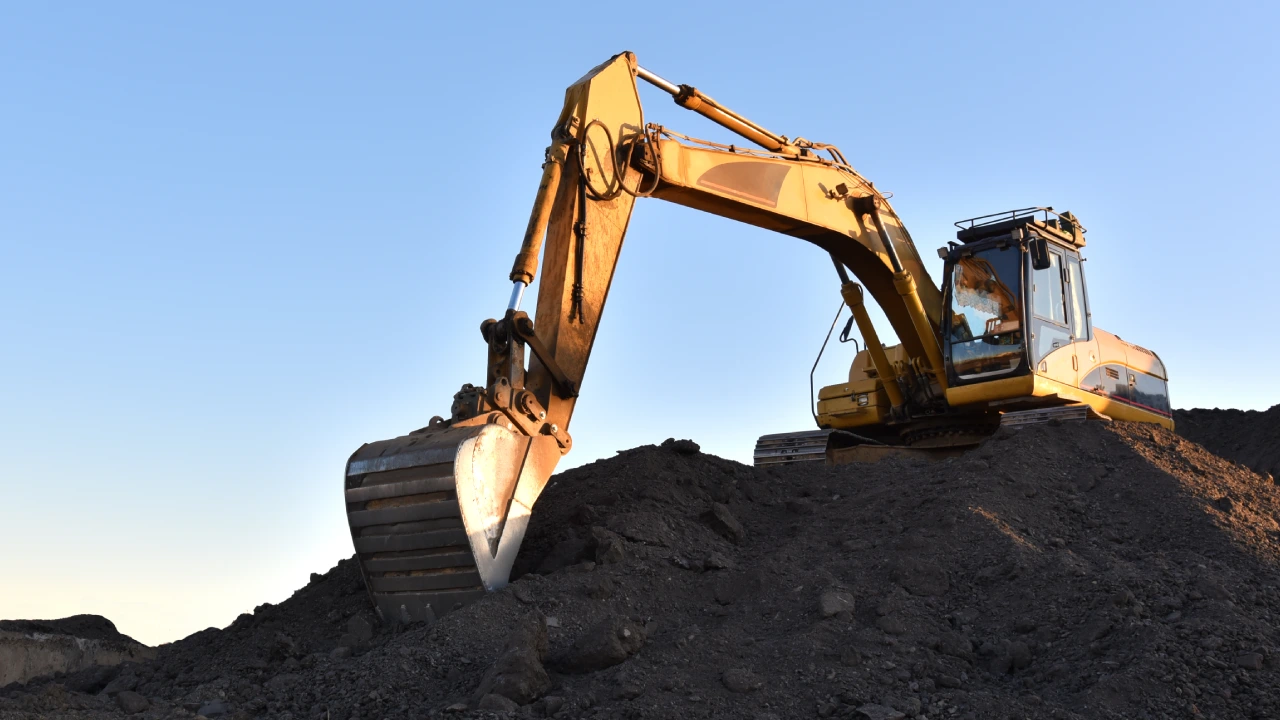
Front loading avoids steep rear ramps, which suits long, low or heavy machines. It also lets the crew load without a crane or a loading dock. For example, a tracked excavator leaving a jobsite in Georgia for the port of Savannah can drive onto an RGN on site.
Why an RGN Matters for Heavy Equipment Shipping
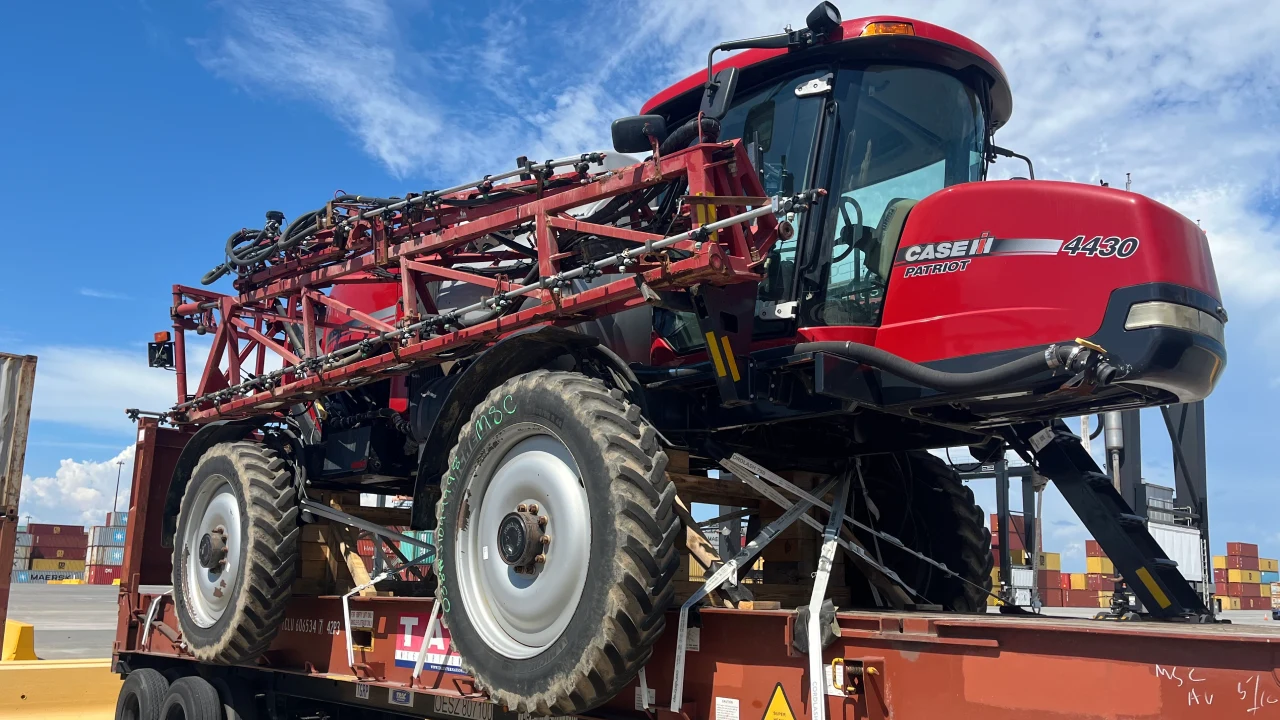
Many large machines cannot climb rear ramps safely because of their weight, length or low ground clearance. An RGN lets them load under their own power at a dealer yard, an auction or a construction site. That avoids renting a crane at the pickup point and reduces handling risk.
Atlantic Project Cargo books RGN trailers for the road leg of heavy equipment shipments when a machine needs front loading.
| Situation | Why an RGN helps |
|---|---|
| Tracked machines such as excavators and dozers | They drive on from the front without steep ramps. |
| Long machines with low clearance | There is no sharp angle at the end of a rear ramp. |
| Pickup sites without a crane or dock | The trailer itself becomes the loading ramp. |
| Heavy loads that need more axles | Many RGNs accept extra axle units to spread the weight. |
RGN vs Lowboy Trailer
Every RGN is a type of lowboy, but not every lowboy has a removable neck. Fixed-neck lowboys are lighter and quicker to hook up, but they load only from the rear with ramps.
An RGN is the usual choice for tall, heavy or tracked machines that cannot use rear ramps. A fixed-neck lowboy can be simpler for equipment that drives up ramps without trouble.
Common Mistakes
- Booking a fixed-neck lowboy for a machine that cannot climb rear ramps.
- Not checking that the loading site is firm and level enough to detach the neck.
- Forgetting that the machine’s height on the deck still decides whether permits are needed.
- Loading a machine with muddy tracks, which can slip on the deck and later fail a cleanliness inspection.
- Giving the bare machine weight instead of the operating weight with attachments.
FAQ
Moving a tracked machine to the port? Request a quote with its weight and dimensions so the right trailer is booked.