Axle load is the weight that one axle, or a group of axles, puts on the road surface. Road authorities set limits for each axle and for the whole vehicle to protect roads and bridges. Heavy loads that exceed these limits need permits and specially configured trailers.
Also known as: axle weight, axle loading.
How Axle Load Works
The total weight of the truck, trailer and cargo is spread across all of its axles. Adding axles or moving the load spreads the weight so each axle stays within limits.
Limits differ by country, state and road type. Bridges and some roads can have lower limits than the main highways.
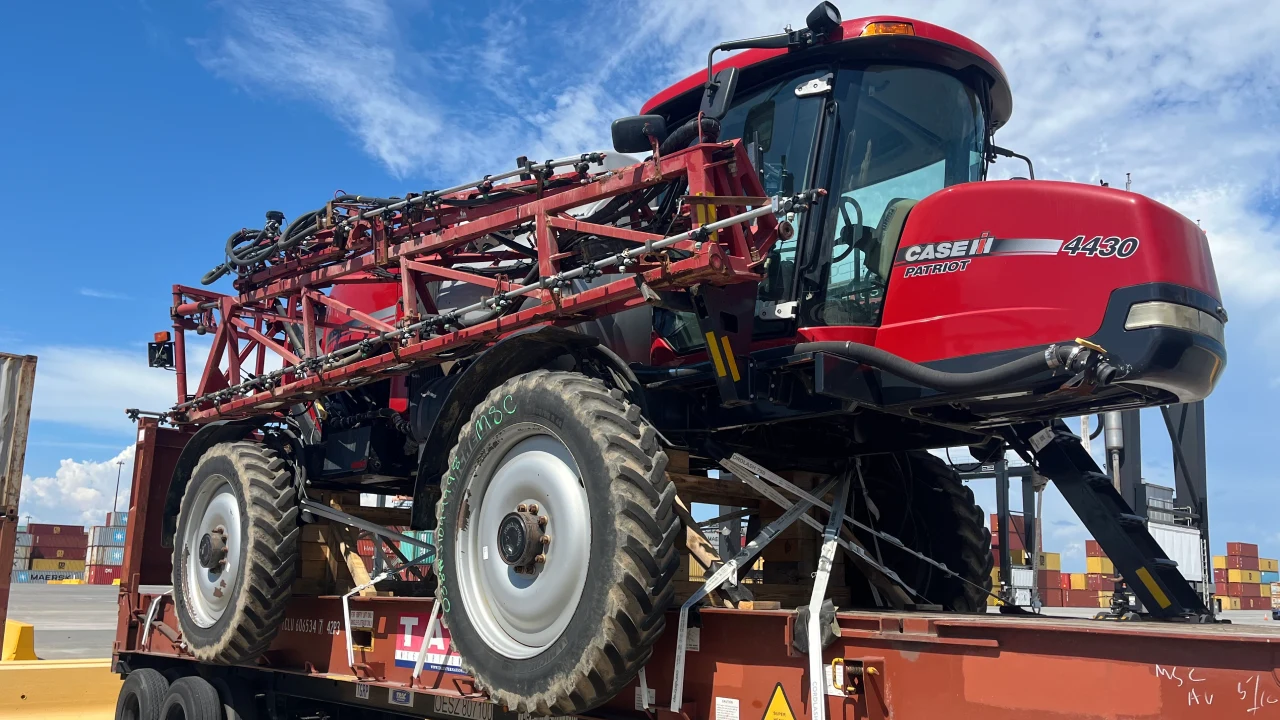
For example, a heavy excavator on a lowboy may need extra axles or a jeep and booster to keep each axle within the legal limit.
Why Axle Load Matters for Heavy Equipment Shipping
Even when a machine fits within the width and height limits, its weight can still require a permit. Wrong axle loads can lead to fines, delays at weigh stations and route changes. Atlantic Project Cargo plans trailer setups through multimodal transportation and heavy equipment shipping.
Route surveys check bridges and roads before a heavy move. The oversized cargo guide explains how heavy loads are planned.
FAQ
Moving a heavy machine by road? Get a quote with its weight and dimensions.