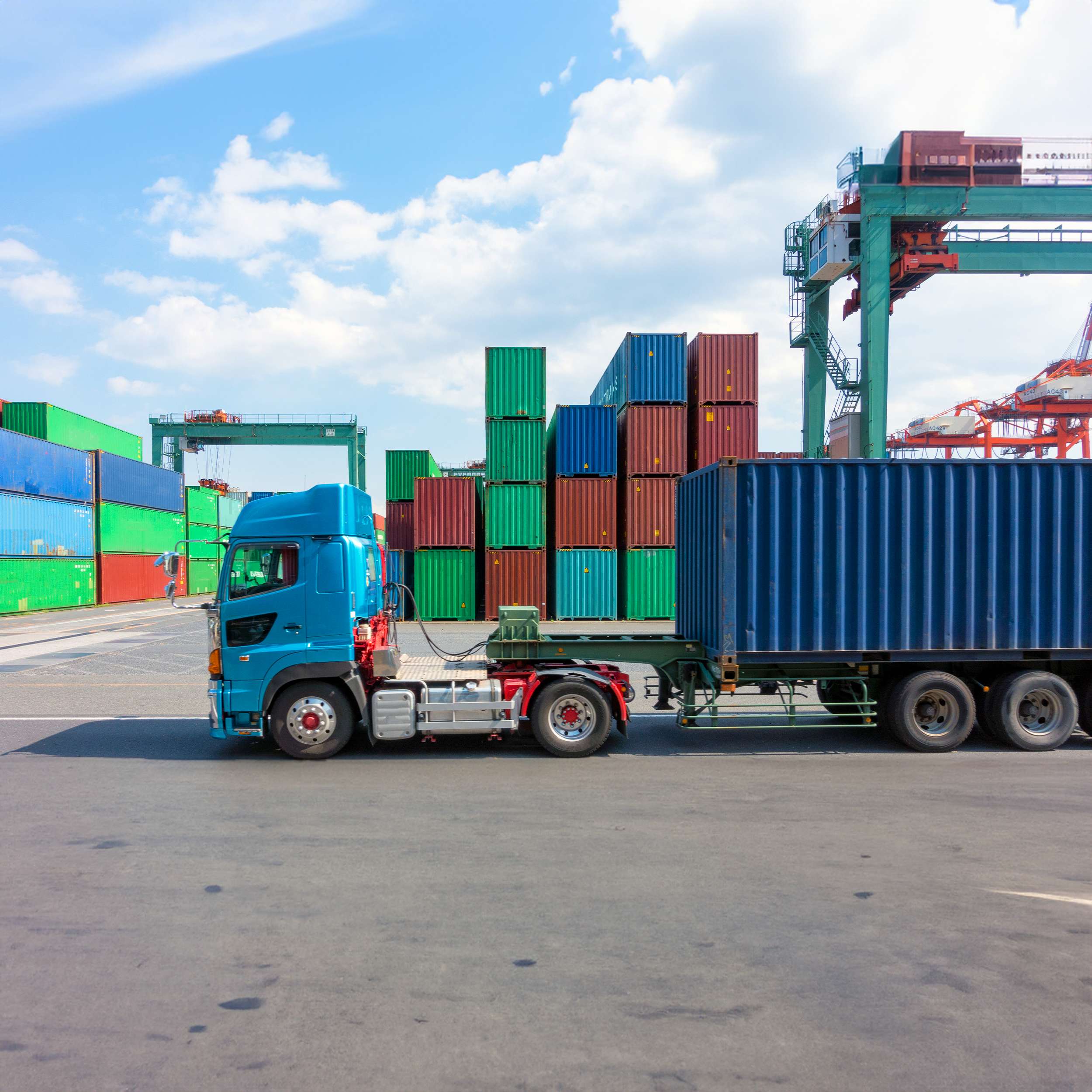
Drayage is the short-distance truck move of cargo between a port or rail terminal and a nearby warehouse, yard or terminal. It usually stays within one metropolitan area and is often completed within a day. In international shipping, it links the ocean leg to inland transport.
Also known as: port drayage, container drayage.
How Drayage Works
At export, a dray carrier picks up an empty container or Flat Rack at the terminal and brings it to the loading site. After loading, it returns the unit to the port before the cut-off time. At import, the process runs in reverse, from the terminal to the consignee’s yard.
The carrier needs the booking or release number, a terminal appointment and a chassis that fits the equipment. Flat Racks with oversize cargo may need special chassis and road permits. Waiting time at the terminal is often charged by the hour.
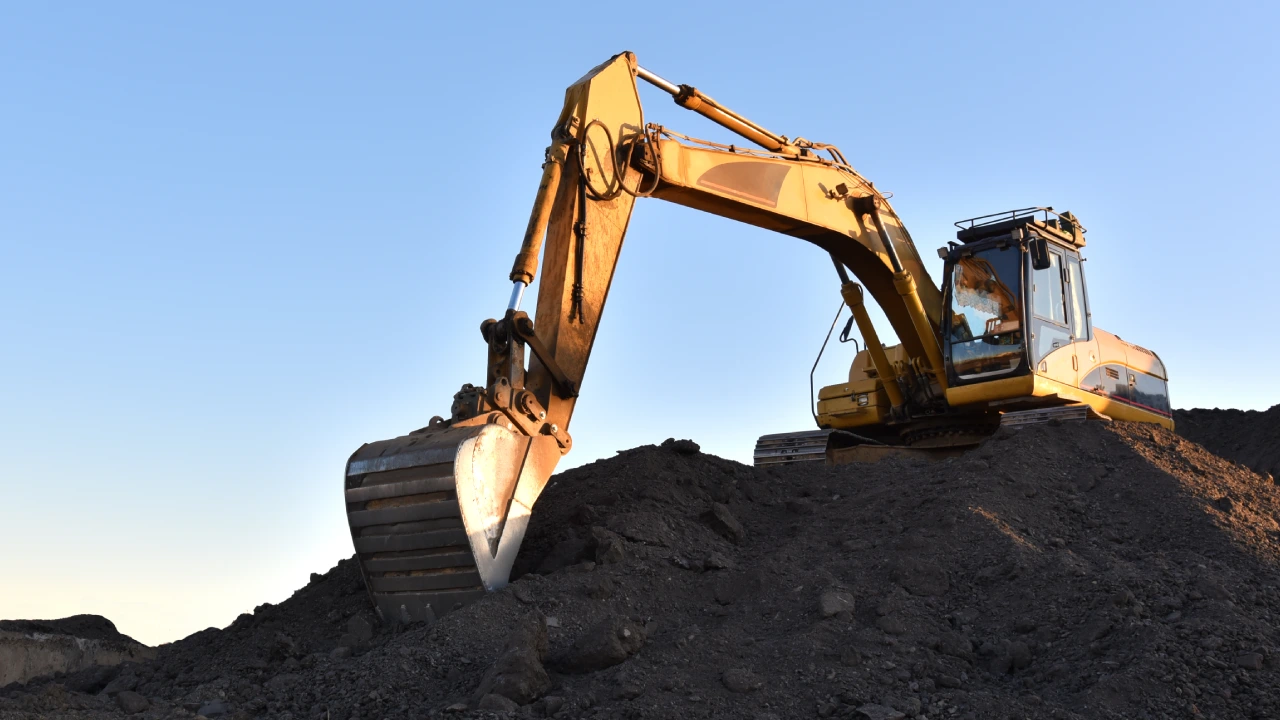
For example, an excavator loaded on a Flat Rack at a dealer yard near Savannah moves by drayage to the port terminal. After it sails to Mombasa, a second dray move takes it to a bonded yard. At import, the dray carrier can collect only after customs releases the cargo and the line issues a delivery order.
Why Drayage Matters for Heavy Equipment Shipping
Drayage is a short part of the trip, but it often causes delays and extra charges. A missed terminal appointment or a late return can trigger demurrage and detention. Oversize loads add permit lead times that must be planned around the vessel cut-off.
Atlantic Project Cargo arranges port moves through its drayage service and coordinates them with the ocean booking.
| Drayage type | Typical move |
|---|---|
| Port drayage | From the terminal to a warehouse or yard near the port, or back. |
| Inter-carrier | Between two carriers, such as a rail yard and a port terminal. |
| Intra-carrier | Between two facilities of the same carrier. |
| Door-to-door | From the shipper’s site to the terminal, or from the terminal to the consignee. |
| Shuttle | To a temporary lot when the terminal or yard is congested. |
Common Mistakes
- Booking the dray move before the terminal confirms the container is available.
- Forgetting that oversize loads on Flat Racks need permits even for short distances.
- Missing the cut-off time, which can roll the cargo to the next vessel.
- Not tracking free time, so storage and detention charges build up.
- Giving the trucker incomplete pickup details, such as gate hours or the loading method.
FAQ
Need a machine moved to or from the port? Get a quote for the drayage and the ocean leg together.