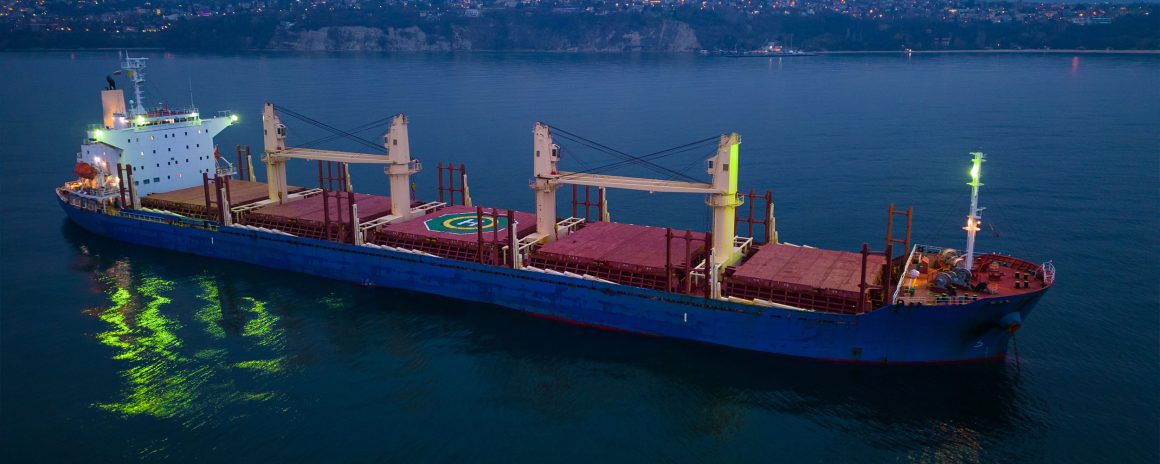
Bulk cargo is unpackaged goods shipped in large quantities and loaded loose into a vessel’s holds, rail cars or tank trucks. Dry bulk includes grain, coal, ore, cement and fertilizer, while liquid bulk includes oil and chemicals. The cargo is uniform and measured by weight or volume rather than by piece.
Also known as: bulk freight, bulk commodities.
How Bulk Cargo Shipping Works
Dry bulk moves on bulk carriers, ships with large open holds and no containers. Terminals load it with conveyors, grabs or chutes and discharge it the same way. Liquid bulk moves on tankers through pipelines and pumps.
Bulk freight is usually booked by the full or part shipload under a charter. Rates depend on the commodity, the volume, the route and the port’s loading speed. The quantity is measured by draft survey or weighing at loading.
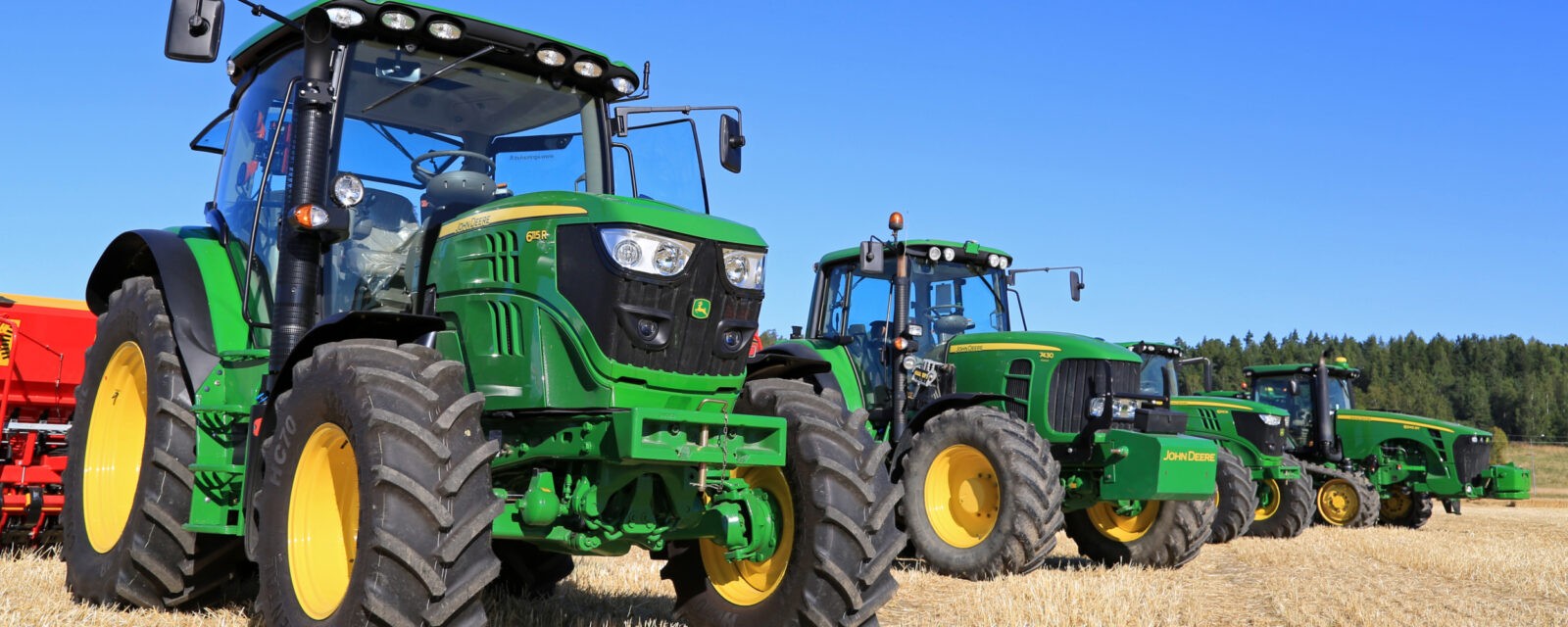
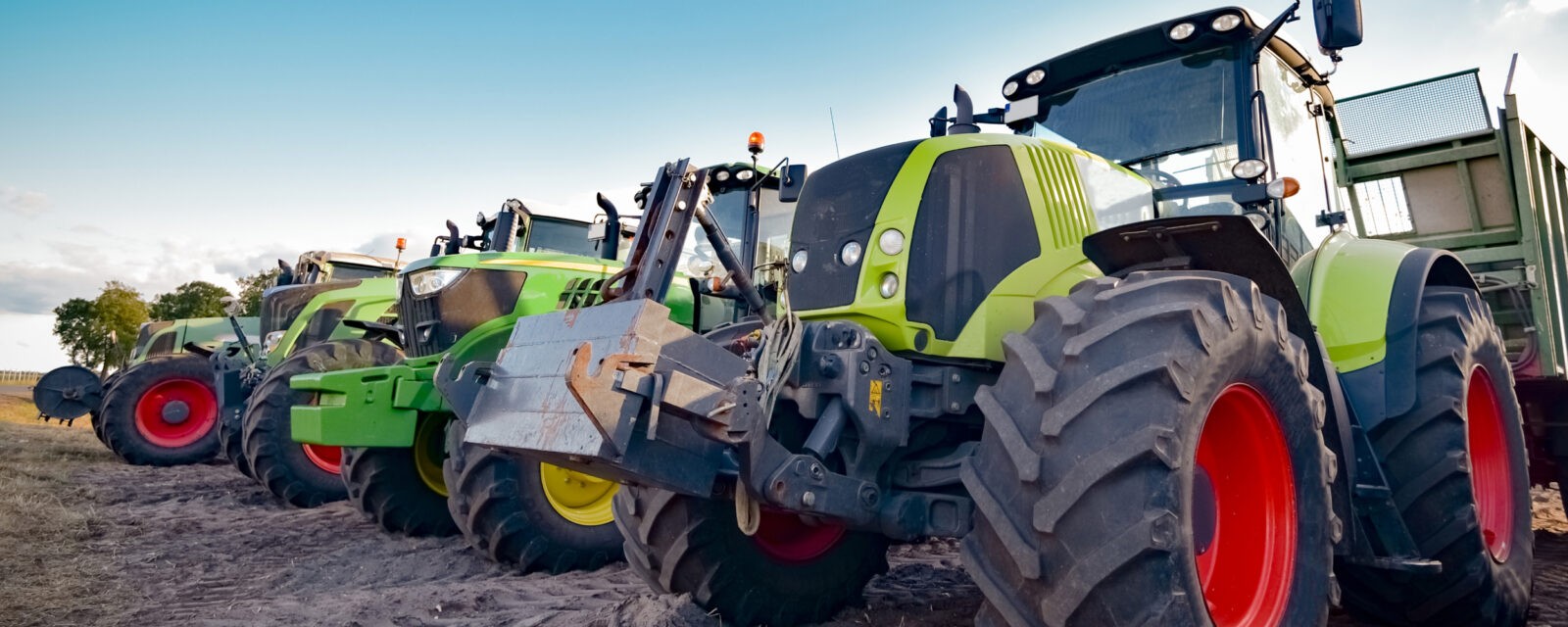
For example, fertilizer for Brazilian farms may arrive at Santos as dry bulk, while the tractors that spread it arrive as RoRo or breakbulk cargo. The two kinds of cargo use different vessels and terminals.
Why Bulk Cargo Matters for Heavy Equipment Shipping
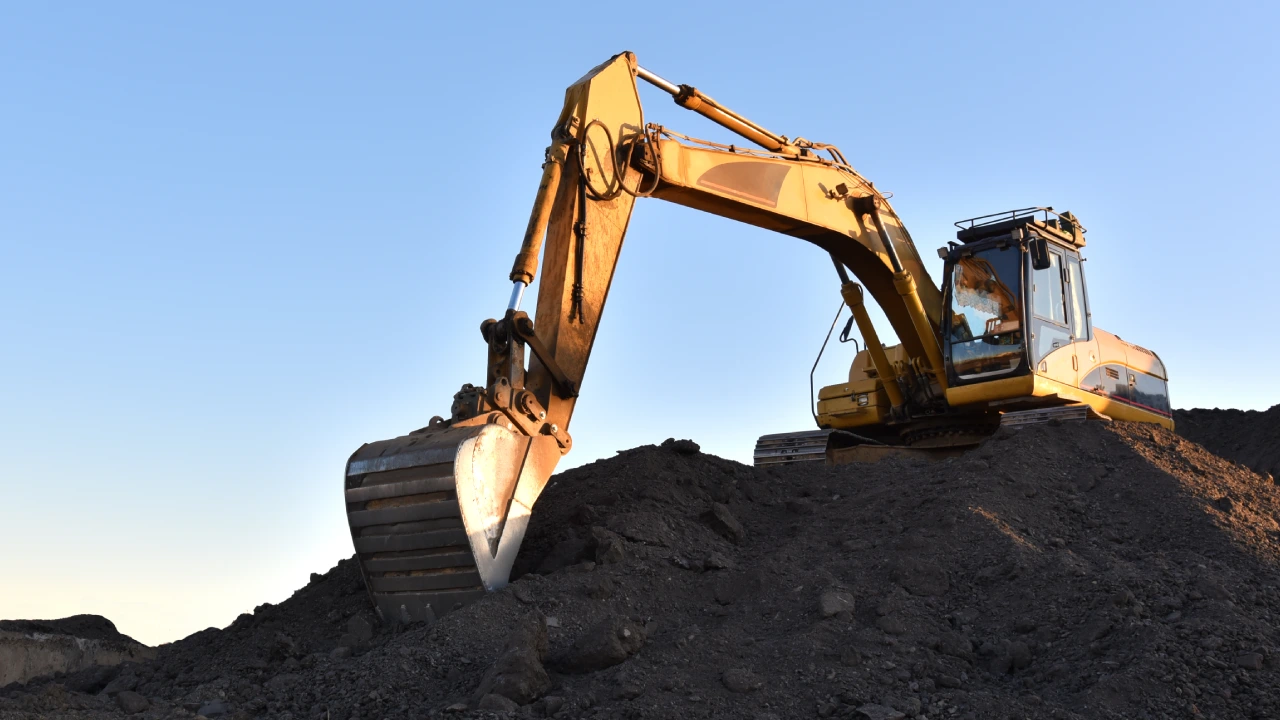
Machinery is never bulk cargo, but the term is often confused with breakbulk. Using the wrong term in a quote request can send it to the wrong desk or vessel type. Heavy machines ship as breakbulk, RoRo, out-of-gauge or containerized cargo instead.
Atlantic Project Cargo moves single heavy units through breakbulk shipping and ocean freight on vessels built for individual pieces.
| Factor | Bulk cargo | Breakbulk |
|---|---|---|
| Form | Loose, unpackaged and uniform | Separate pieces, each handled on its own |
| Examples | Grain, coal, ore, oil | Machinery, steel, project cargo |
| Loading | Conveyors, grabs, pipelines | Cranes, slings, roll trailers |
| Measured by | Weight or volume | Pieces, weight and dimensions |
Bulk Cargo vs Breakbulk
Bulk cargo is poured or pumped into the hold as one uniform mass. Breakbulk is made of separate items that are counted, lifted and lashed one by one.
Both can travel on multipurpose vessels, but they use different terminals and equipment. The breakbulk shipping guide explains how individual heavy pieces are handled. Multipurpose vessels can even carry both on one voyage, in separate holds.
Common Mistakes
- Asking for a bulk cargo quote when the machine should ship as breakbulk.
- Assuming any port that handles bulk cargo can also lift heavy machinery.
- Mixing up bulk carriers and multipurpose vessels when comparing schedules.
- Expecting bulk freight rates, priced per ton of commodity, for a single machine.
- Planning bulk materials and machines on one vessel without checking that the vessel and port can handle both.
FAQ
Shipping machinery rather than loose cargo? Get a quote for breakbulk or RoRo options.