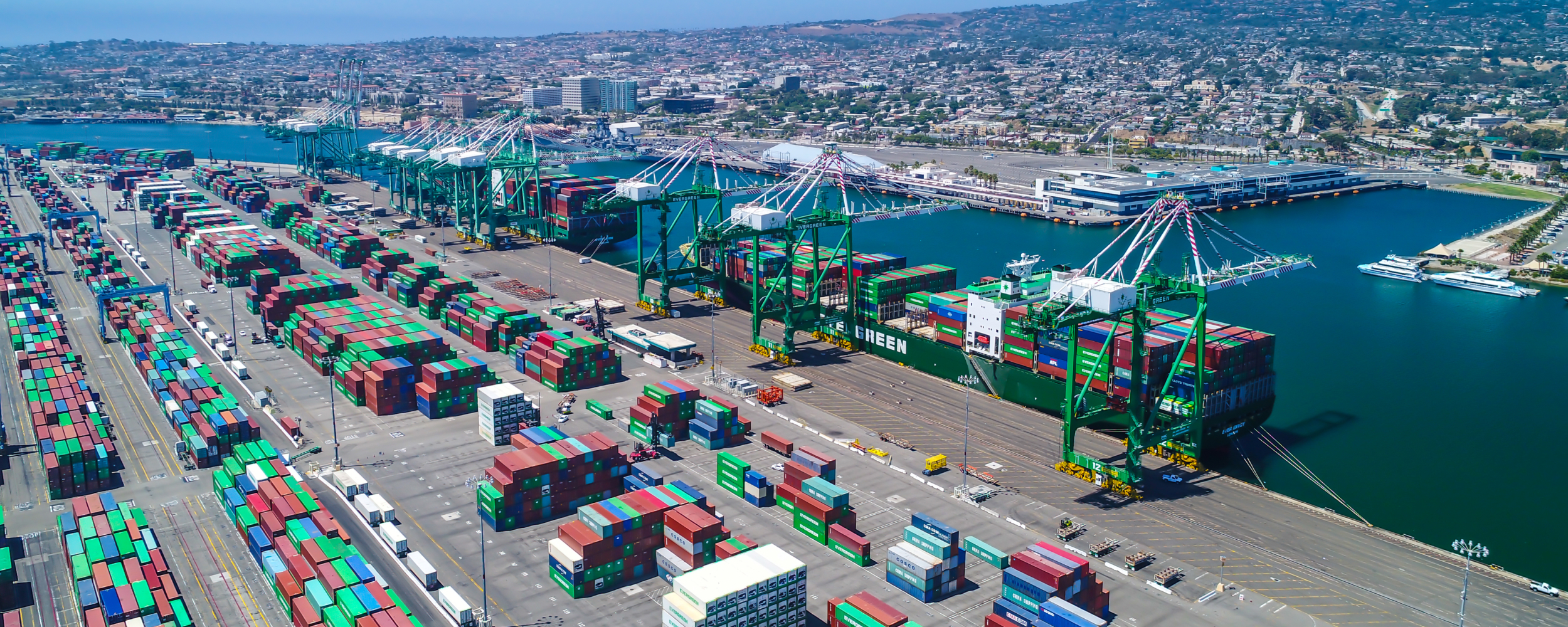
Transshipment is the transfer of cargo from one vessel or vehicle to another at an intermediate port or hub before it reaches its final destination. It is used when no direct service links the origin and the destination. The cargo stays on one through contract, but it is unloaded, stored and reloaded on the way.
Also known as: transhipment, trans-shipment.
How Transshipment Works
The carrier books the cargo from the port of loading to the final port of discharge, usually on one Bill of Lading. On the way, the cargo is discharged at a hub port and loaded onto a second vessel, often a smaller feeder ship. For example, a wheel loader shipped from Houston to Mombasa could be transshipped at Jebel Ali.
Between the two vessels, the cargo waits in the hub terminal for its connecting sailing. How long it waits depends on the carrier schedule and on space on the next vessel. Containers are moved by terminal cranes, while RoRo units are driven off and on again.
Heavy and oversized units add extra steps at the hub. A machine on a Flat Rack needs a terminal that can handle out-of-gauge cargo and a crew that can lash it again. Breakbulk cargo may need a crane with enough capacity at the transshipment port.
Why Transshipment Matters for Heavy Equipment Shipping
Every extra handling is another chance of damage to a machine. Each lift or drive-on at the hub puts stress on lashing points, paint and fragile parts such as mirrors and cab glass. A direct sailing means fewer touches, even when the transit time is similar.
Transshipment also affects timing and cost. A missed connection can leave an excavator at the hub until the next sailing, and extra terminal handling may apply. Atlantic Project Cargo compares direct and transshipment routings when it plans an equipment move, so the shipper can weigh price against handling risk.
| Factor | Direct sailing | Transshipment |
|---|---|---|
| Handling | Loaded once and discharged once | Discharged and reloaded at a hub port |
| Damage risk | Lower, with fewer lifts | Higher, with more lifts and new lashing |
| Schedule | Set by one vessel | Depends on the connection at the hub |
| Destinations | Only ports with a direct service | Many more ports through hub networks |
| Documents | One Bill of Lading | Usually one through Bill of Lading |
Common Mistakes With Transshipment
- Assuming a quoted route is direct without asking for the transshipment port.
- Not checking whether the hub terminal can handle heavy or out-of-gauge units.
- Leaving loose parts or tools in a cab, where they can shift during extra handling.
- Planning delivery to a job site without counting the waiting time at the hub.
- Using a lashing plan for one vessel type when the second leg runs on a different ship.
FAQ
Want to compare direct and transshipment routes for your machine? Get a shipping quote with the routing options for your cargo.