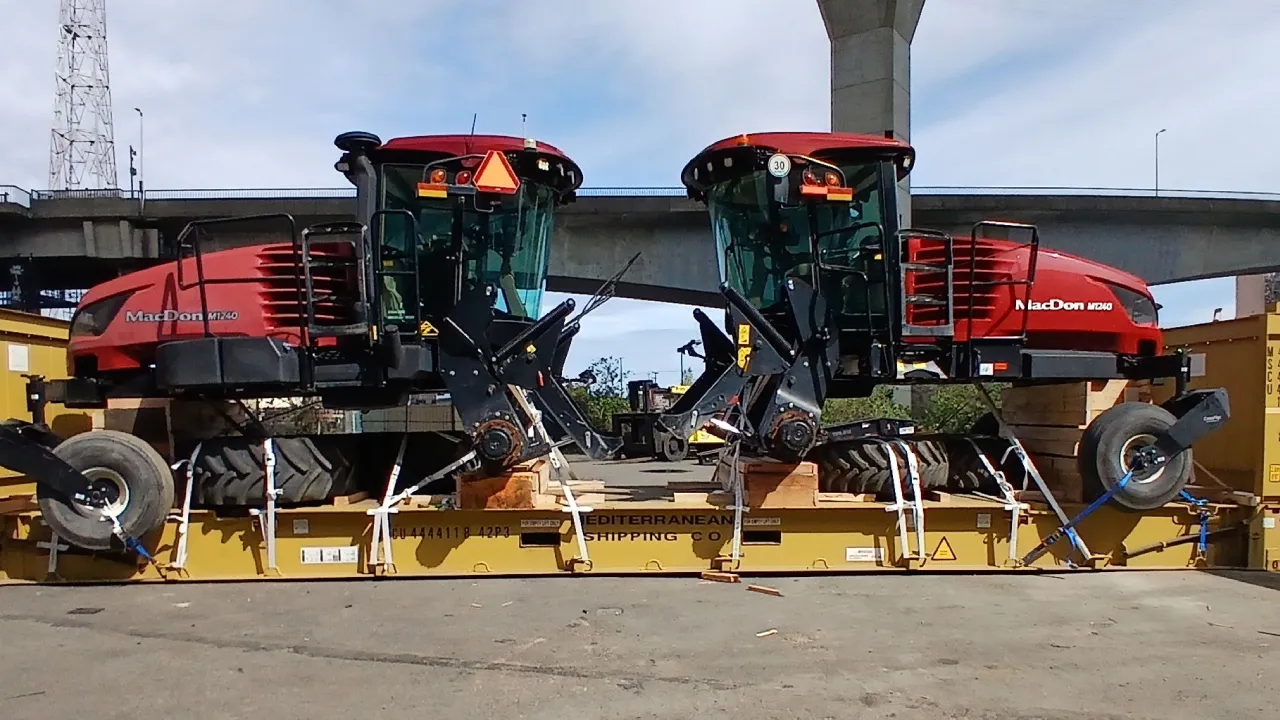
Static cargo is non-self-propelled cargo shipped on a RoRo vessel, such as machinery that cannot drive on board. It is loaded on roll trailers or lifted on and off. It is part of the high and heavy segment, which covers large and heavy rolling and static units.
Also known as: breakbulk on RoRo, high and heavy cargo, H&H, non-rolling cargo.
How Static Cargo Is Shipped
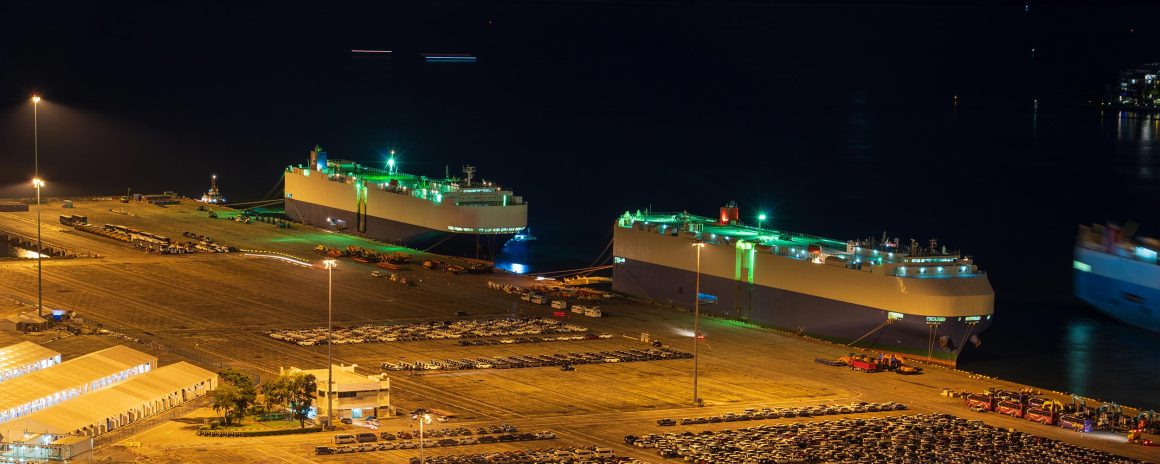
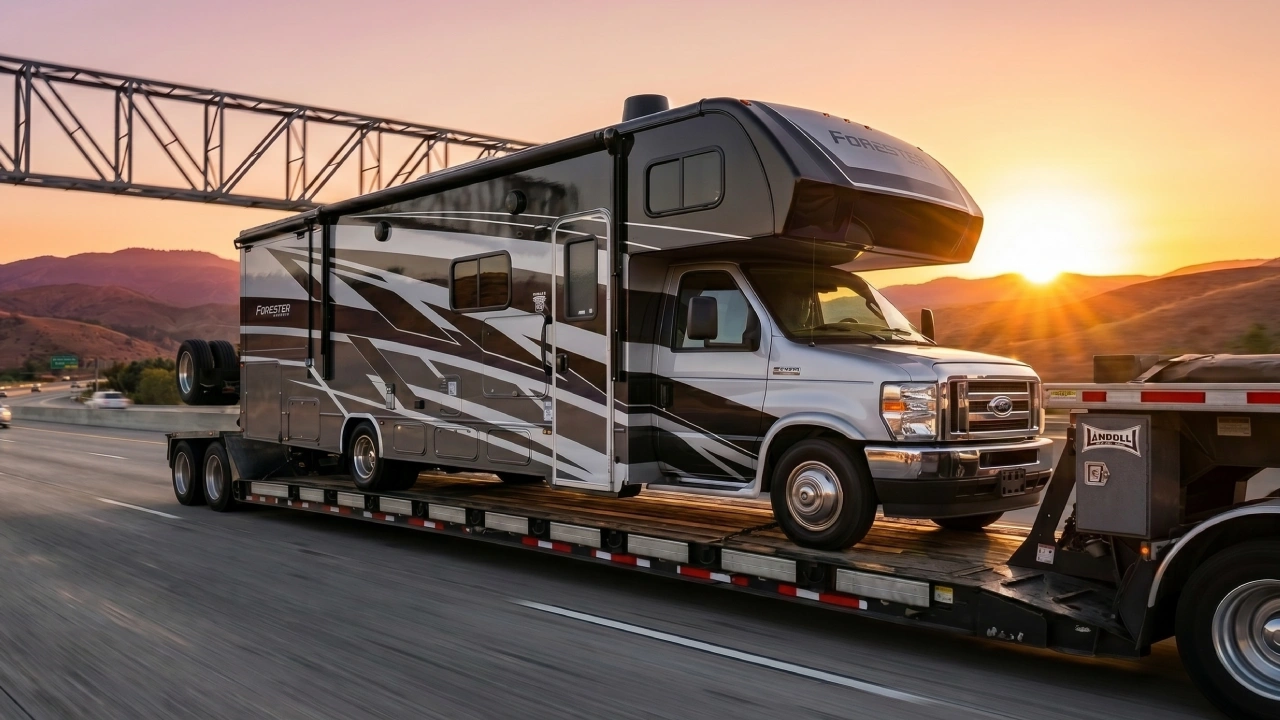
Static cargo is placed on a roll trailer at the port terminal. A terminal tractor then tows the trailer up the RoRo ship’s ramp and onto the deck.
The unit stays on the roll trailer for the whole voyage and is lashed in a covered deck. At the port of discharge, the trailer is towed off again.
Very heavy units may need special roll trailers or terminal cranes. The carrier confirms the limits for each shipment. Lifting points and the center of gravity must be marked on the unit.
For example, a large transformer or a crated press line from Baltimore to Santos can travel as static cargo. It rides on a roll trailer inside a RoRo vessel and is lashed to the trailer and the deck.
Why Static Cargo Matters for Heavy Equipment Shipping
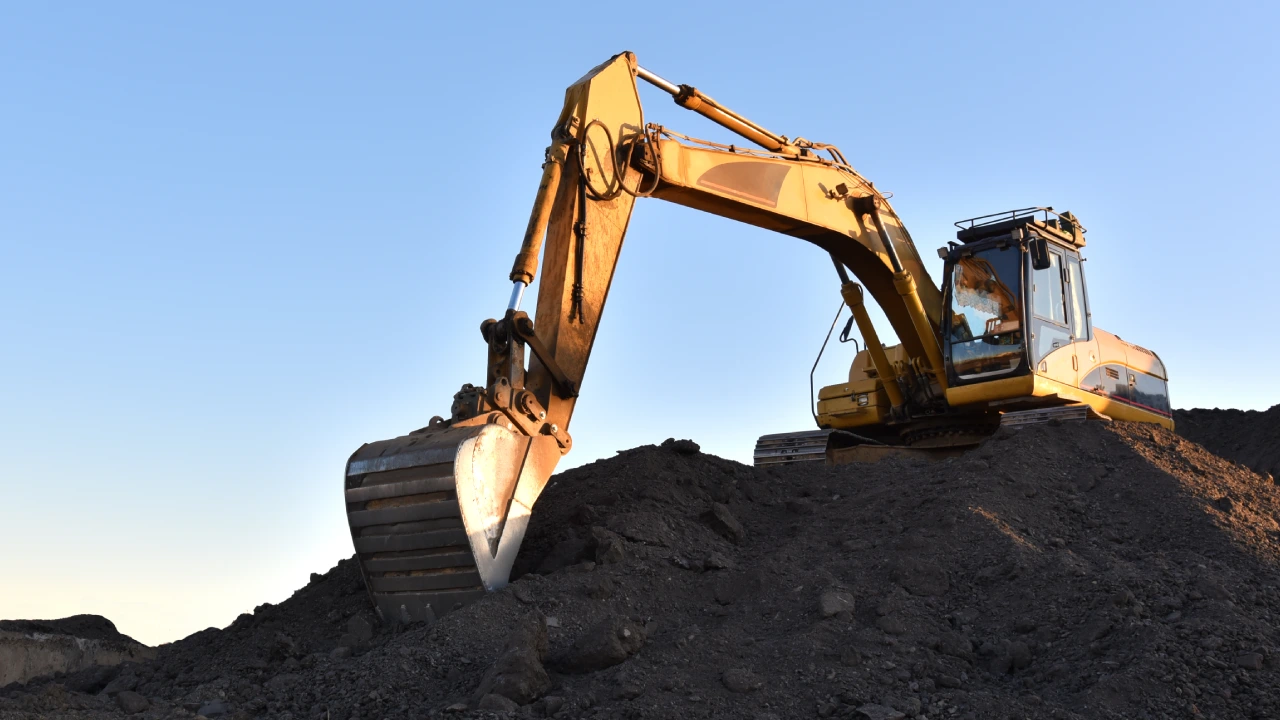
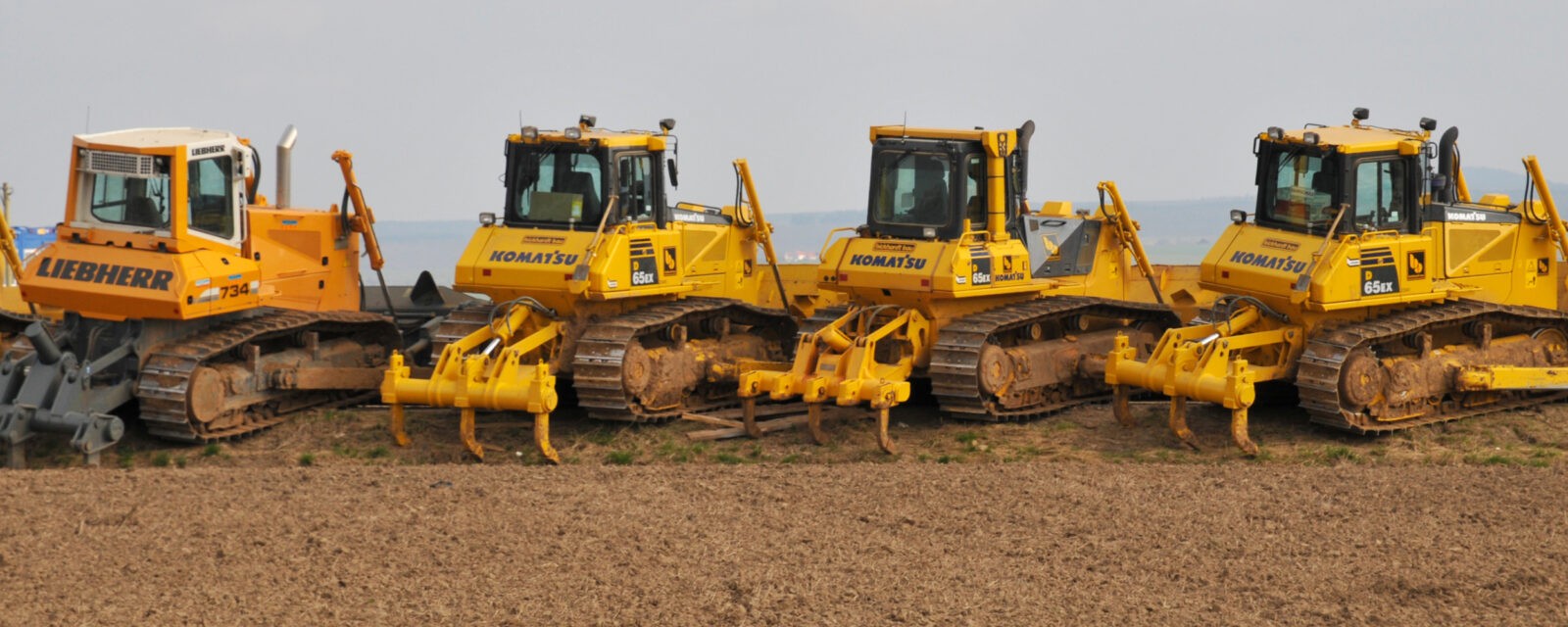
Many machines cannot run, such as non-running equipment, attachments, crated parts or industrial units. Static cargo lets them use RoRo vessels instead of only container or breakbulk ships.
RoRo decks are covered, so static cargo is protected from weather. Atlantic Project Cargo books static units through RoRo shipping and compares them with breakbulk options.
Roll trailer handling adds terminal costs, so the total price depends on size and weight. Our heavy equipment shipping team checks which method costs less overall.
| Aspect | Static cargo | Rolling cargo |
|---|---|---|
| Moves on its own | No | Yes |
| Loading | On a roll trailer or by crane | Driven on board |
| Typical units | Crated parts, transformers, non-running machines | Running tractors, trucks, combines |
| Handling cost | Higher, due to roll trailers | Lower |
| Stowage | Covered RoRo deck | Covered RoRo deck |
Static Cargo vs Breakbulk
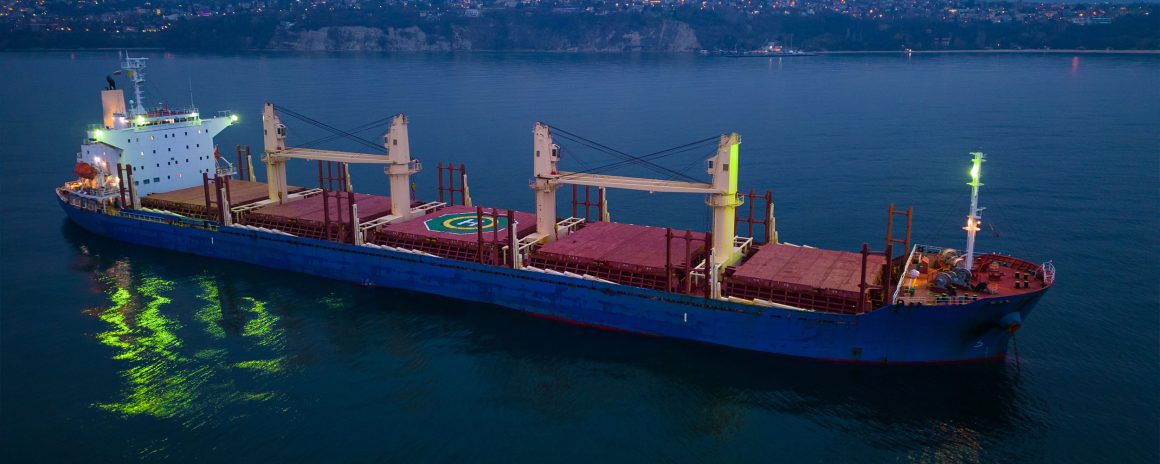
Breakbulk cargo is lifted on and off conventional or heavy lift ships by crane. It often travels in the hold or on open deck.
Static cargo travels on RoRo ships, usually on a covered deck. It suits units that fit the ramp and the roll trailer, while breakbulk suits larger or heavier pieces.
Common Mistakes
- Assuming every RoRo service accepts static units on every route.
- Not giving the exact weight and footprint for the roll trailer.
- Shipping unpacked parts loose instead of crated or secured.
- Forgetting roll trailer and terminal handling costs in the budget.
- Not checking the lifting points for units that must be craned.
FAQ
Shipping a machine that cannot drive on board? Get a quote with its weight and dimensions.