Blocking, bracing and dunnage are materials and methods that keep cargo from shifting in a container, on a Flat Rack or in a hold. Blocking stops movement with lumber chocks fixed to the floor. Bracing adds timber supports against the frame, and dunnage spreads weight, fills gaps and protects surfaces.
How Blocking, Bracing and Dunnage Work
Dunnage goes in first. Timber beams or rubber mats under a machine spread its weight across the deck of a Flat Rack and stop steel from sliding on steel. In a closed container, air bags or loose timber fill the voids between crates.
Blocking comes next. Lumber chocks are nailed or bolted to the floor in front of and behind the wheels or tracks, so the unit cannot roll or slide. Bracing then adds timber members between the cargo and the container frame to resist sideways forces.
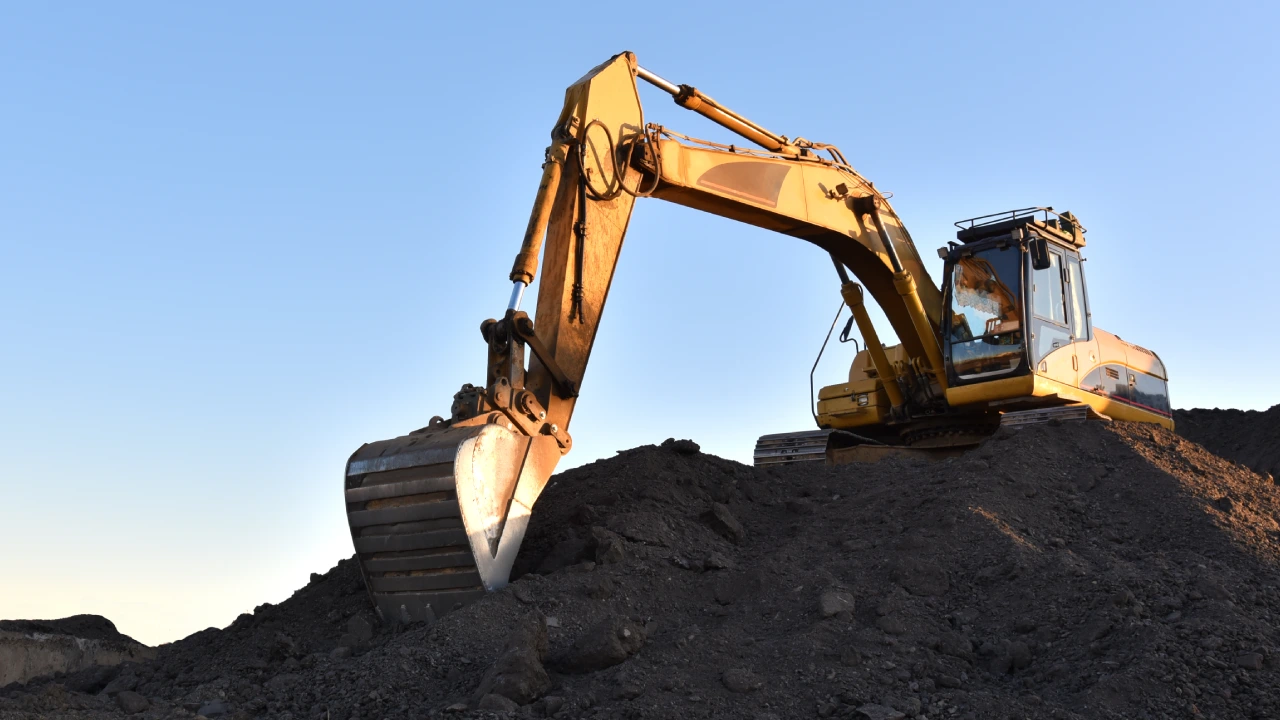
Lashing completes the job, with chains, wire rope or polyester straps from the tie-down points to the lashing points. For example, a crawler excavator shipped from Savannah to Antwerp on a Flat Rack would sit on timber dunnage. It would have chocks at each track and a chain at each corner.
Why Blocking, Bracing and Dunnage Matter for Heavy Equipment Shipping
A vessel rolls and pitches at sea, and these forces act on every securing point. If a machine shifts, it can damage itself, the container and the cargo around it. Carriers check how out-of-gauge cargo is secured and can refuse a unit that does not meet their standards.
Wood used as dunnage or crating in international shipments usually has to meet ISPM 15, the international standard for wood packaging material. Untreated or unmarked wood can lead to delays, treatment or rejection at the destination port.
Atlantic Project Cargo plans the securing of each unit with its export rigging and crating team. Machines too large to ship whole can be prepared through equipment disassembly and loading before they are blocked and braced.
| Element | What it does | Typical materials |
|---|---|---|
| Dunnage | Spreads weight, fills voids and protects surfaces | Timber beams, plywood, rubber mats, air bags |
| Blocking | Stops the cargo from rolling or sliding | Lumber chocks fixed to the floor or deck |
| Bracing | Resists sideways and upward forces | Timber members fixed against the frame |
| Lashing | Ties the cargo to the container or deck | Chains, wire rope, polyester straps |
Common Mistakes When Securing Equipment
- Placing a machine directly on a steel deck without timber dunnage under the tracks or wheels.
- Using untreated or unmarked wood for dunnage or crating on an export shipment.
- Lashing to parts of the machine that are not designed as tie-down points.
- Leaving booms, buckets or arms raised instead of lowering them to the deck before lashing.
- Leaving attachments or loose tools unsecured on the deck or inside the cab.
FAQ
Need a machine blocked, braced and lashed for an ocean voyage? Request a quote with its dimensions and weight.